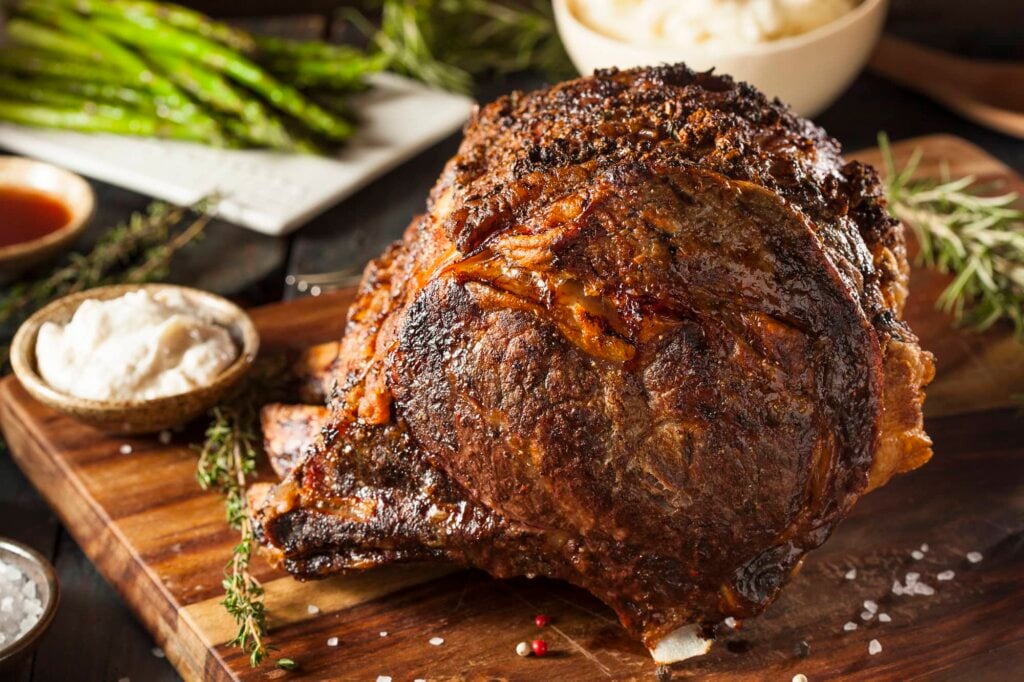
When you think of a prime rib roast, you probably imagine a delicious, mouthwatering meal that’s perfect for special occasions. But what if you want to save some of that luxurious meat for later?
Freezing can be a great option, but there’s a question that might be lingering in your mind: How long can you freeze a prime rib roast without losing its flavor and texture? Your freezer can be your best friend when it comes to preserving this premium cut, but timing is everything.
In this guide, you’ll discover the secrets to keeping your prime rib roast fresh in the freezer, ensuring that when you finally decide to enjoy it, the taste will be just as delightful as the day you bought it. Keep reading to unlock the tips and tricks that will make you a master of meat preservation.
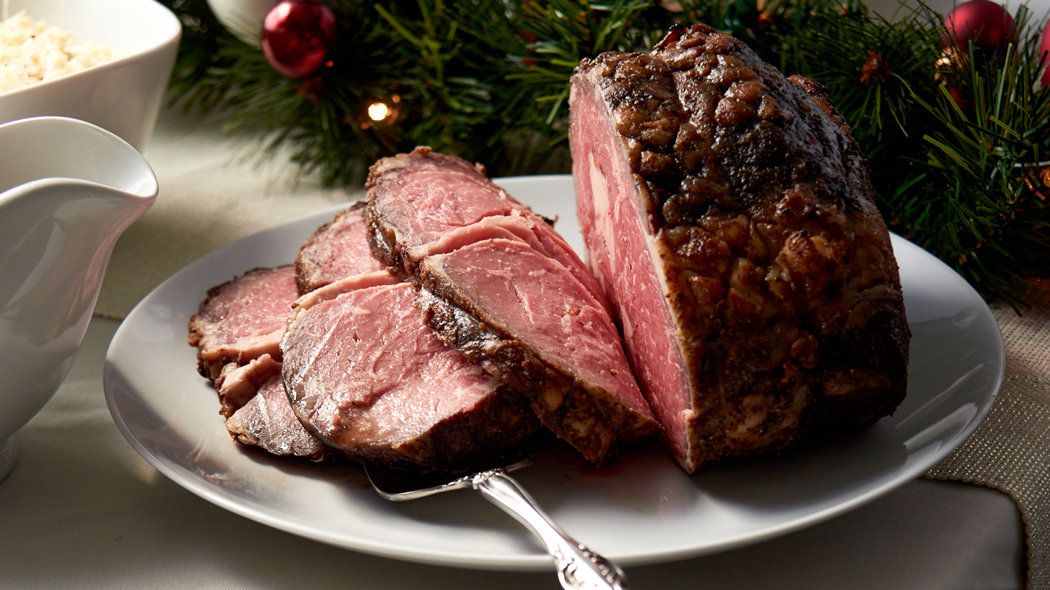
Credit: alittlespoon.com
Prime Rib Basics
Understanding the basics of prime rib is key before you think about freezing it. Prime rib is not just any roast—it has qualities that make it a favorite for special occasions and hearty meals. Knowing what makes it special and the common cuts available will help you make the best choice for your freezer and your dinner table.
What Makes Prime Rib Special
Prime rib is prized for its rich flavor and tender texture. This cut comes from the rib section of the cow, where the meat is well-marbled with fat. That fat melts during cooking, keeping the meat juicy and flavorful.
Another reason prime rib stands out is its impressive size and presentation. It often comes as a large roast, perfect for gatherings where you want to impress your guests. Have you ever noticed how the aroma of a roasting prime rib fills the whole house? That’s part of its appeal.
Common Cuts And Sizes
Prime rib roasts come in different cuts and sizes, which affects how you store and freeze them. Here are the typical options:
- Whole Prime Rib Roast:Usually 6 to 12 ribs, weighing between 8 to 20 pounds. Ideal for large groups.
- Rib Roast (Smaller Section):Often 2 to 4 ribs, around 3 to 6 pounds. Great for smaller meals.
- Bone-In vs. Boneless:Bone-in roasts tend to retain moisture better, but boneless are easier to carve and freeze.
Choosing the right size depends on your meal plans and freezer space. Have you ever bought a roast too big to finish in one meal? Freezing portions can save you from wasting food while still enjoying prime rib whenever you want.
Freezing Prime Rib
Freezing prime rib is a great way to preserve its flavor and tenderness for later meals. But, you need to handle it correctly to keep that juicy texture intact. How you freeze prime rib can make a big difference in how it tastes once thawed.
Ideal Freezing Temperatures
Keep your freezer at 0°F (-18°C) or below. This temperature stops bacterial growth and keeps the prime rib fresh. Any warmer, and you risk losing quality and safety.
Many home freezers maintain this temperature, but it’s a good idea to check with a freezer thermometer. If you have a deep freezer, that’s even better for consistent cold. Have you ever noticed freezer burn on meat? That often happens when the temperature isn’t steady enough.
Proper Packaging Techniques
Packaging is just as important as freezing temperature. You want to prevent air from reaching the meat to avoid freezer burn and flavor loss.
- Wrap tightly:Use plastic wrap or aluminum foil to cover the prime rib first.
- Use airtight containers or vacuum seal bags:These remove air and create a tight barrier.
- Label and date:Write the freeze date on the package so you keep track of freshness.
When I first started freezing prime rib, I used just plastic wrap, and the meat lost flavor. Switching to vacuum-sealed bags made a huge difference. Have you tried vacuum sealing your meat? It’s a small step that really pays off.
Storage Duration
Knowing how long you can freeze a prime rib roast helps you plan meals without wasting quality or safety. Storage duration impacts both the texture and flavor of your roast once thawed. Let’s break down what you need to keep in mind to get the best results.
Maximum Freezing Time
Prime rib roast can be safely frozen for up to 12 months without significant loss in quality. Beyond this, the meat may still be safe to eat but could develop freezer burn or dry spots.
To maintain freshness, wrap the roast tightly in heavy-duty aluminum foil, freezer paper, or vacuum-sealed bags. Label the package with the date so you can track how long it’s been stored.
Have you ever pulled out a roast after months and found it less tender or flavorful? That’s often because it stayed frozen too long or wasn’t wrapped properly.
Quality Vs. Safety Timeline
Safety-wise, frozen prime rib remains safe indefinitely if kept at 0°F (-18°C) or below. However, quality starts to decline after about 6 to 12 months.
Think of freezing as pressing pause on spoilage but not on texture changes. After a year, the roast might become dry or develop off-flavors, even though it’s technically safe to cook.
To enjoy prime rib at its best, plan to cook it within 6 months for optimal taste. If you’re okay with a slight dip in quality, 12 months is the outer limit.
Thawing Tips
Thawing a prime rib roast properly is just as important as freezing it correctly. How you thaw it affects the roast’s flavor, texture, and overall quality. Taking the time to thaw your roast safely can save you from disappointing meals and wasted effort.
Safe Thawing Methods
Thaw your prime rib in the refrigerator to keep it at a safe temperature. This process takes time—usually around 24 hours for every 5 pounds of meat—but it prevents bacterial growth.
If you’re short on time, you can use cold water. Keep the roast in a sealed plastic bag and submerge it in cold water, changing the water every 30 minutes. Avoid using warm or hot water as it can cause uneven thawing and increase the risk of bacteria.
Microwave thawing is an option but be cautious. It can start cooking the edges and negatively affect the texture. If you choose this method, cook the roast immediately after thawing.
Avoiding Texture Loss
Dryness and tough texture often happen when the roast thaws too quickly or is exposed to air. To prevent this, keep the roast wrapped tightly in plastic wrap or foil during thawing.
Do not refreeze a thawed prime rib unless you cook it first. Refreezing raw meat can cause ice crystals to form, damaging muscle fibers and resulting in a mushy texture.
Have you noticed your meat turning rubbery after thawing? It’s usually due to thawing in warm conditions or letting it sit too long after thawing. Plan your thawing schedule to serve the roast shortly after it fully thaws for the best texture.
Cooking After Freezing
Cooking a prime rib roast after freezing requires a bit more attention than cooking it fresh. The freezing and thawing process can change the texture and moisture content of the meat. Understanding how to adjust your cooking approach will help you enjoy a juicy, flavorful roast every time.
Adjusting Cooking Times
Frozen and thawed prime rib roasts often need slightly longer cooking times. This is because the meat can retain extra moisture, which slows down the cooking process. To avoid undercooking, check the internal temperature regularly with a meat thermometer.
Start checking about 10-15 minutes earlier than usual, especially if the roast was not fully thawed. Keep in mind that slow and steady heat helps the meat cook evenly without drying out. Have you ever pulled a roast out too soon and found it tough? Taking your time here can prevent that.
Maintaining Flavor And Juiciness
Freezing can sometimes dull the rich flavors of prime rib. To keep your roast delicious, consider seasoning it just before cooking rather than before freezing. Fresh herbs, garlic, salt, and pepper added right before cooking can boost the natural taste.
Another tip is to let the roast rest after cooking for at least 20 minutes. This allows the juices to redistribute, making the meat tender and juicy. Have you noticed how resting meat changes the eating experience? It’s a small step that makes a big difference.
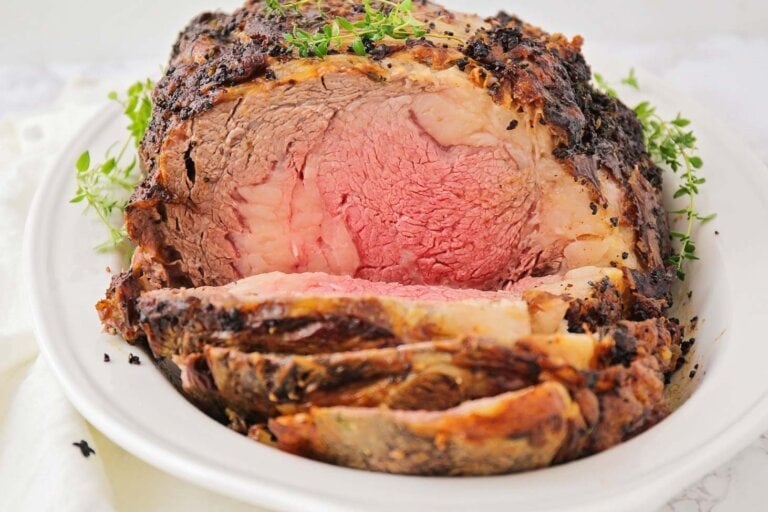
Credit: lilluna.com
Common Mistakes
Freezing a prime rib roast is a great way to keep it fresh. Mistakes during freezing can spoil its taste and texture. Avoiding common errors helps preserve quality and flavor.
Packaging Errors
Poor packaging allows air to reach the meat. This causes freezer burn and dry spots. Use airtight wraps or vacuum seal bags. Double wrapping with plastic wrap and foil works well too. Label the package with the freezing date for easy tracking.
Freezing Too Long
Freezing a prime rib roast for too long affects its taste. The meat loses moisture and becomes tough. For best quality, use within 6 to 12 months. Longer storage may still be safe but quality drops. Always check the meat’s color and smell before cooking.
Storage Alternatives
Storing a prime rib roast properly preserves its flavor and texture. Different methods suit different time frames and uses. Knowing these options helps keep your roast fresh and tasty.
Refrigeration Time Limits
Prime rib roast stays good in the fridge for up to 3 to 5 days. Keep it wrapped tightly in plastic wrap or foil. Store it on the bottom shelf to avoid dripping on other foods. Use it within this time for the best taste and safety.
Vacuum Sealing Benefits
Vacuum sealing removes air around the roast. This slows down spoilage and freezer burn. Vacuum-sealed prime rib can last 2 to 3 years in the freezer. It keeps the meat moist and flavorful. This method also saves space in your freezer.
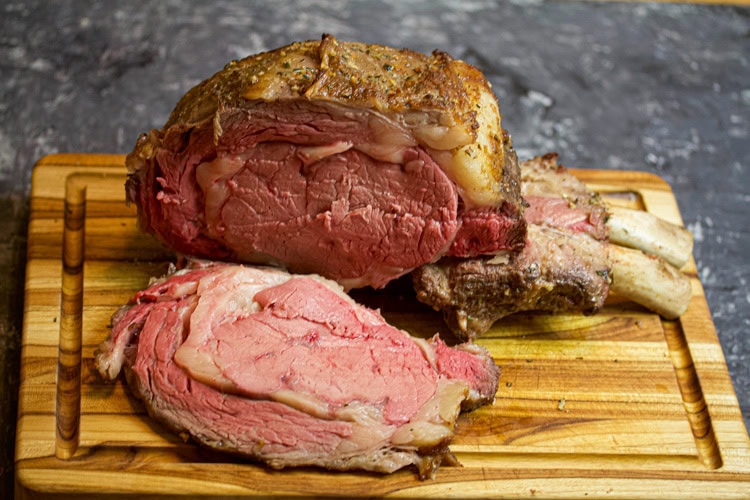
Credit: sousvideways.com
Frequently Asked Questions
How Long Can You Freeze Prime Rib Roast Safely?
You can freeze prime rib roast for up to 12 months. Proper packaging in airtight wrap or vacuum-sealed bags helps maintain quality and prevents freezer burn. Always label the package with the date to ensure safe consumption within this period.
Does Freezing Affect Prime Rib Roast Quality?
Freezing may slightly change the texture of prime rib roast. However, if frozen correctly, the flavor and juiciness remain largely intact. Proper wrapping and quick freezing minimize ice crystals and preserve the meat’s quality for months.
How Should You Wrap Prime Rib Roast For Freezing?
Wrap prime rib roast tightly in plastic wrap, then aluminum foil. Vacuum-sealing is the best option to remove air and prevent freezer burn. Proper wrapping preserves freshness and flavor during long-term freezing.
Can You Freeze Cooked Prime Rib Roast?
Yes, cooked prime rib roast freezes well for 2 to 3 months. Cool the meat quickly, wrap it tightly, and store in airtight containers. Reheat gently to maintain tenderness and flavor.
Conclusion
Freezing prime rib roast keeps it fresh and tasty for months. Store it properly in airtight packaging to avoid freezer burn. For best quality, freeze it up to 6 to 12 months. Thaw it slowly in the refrigerator for even cooking.
Keep track of the freezing date to use it on time. Enjoy delicious prime rib anytime by following these simple tips.