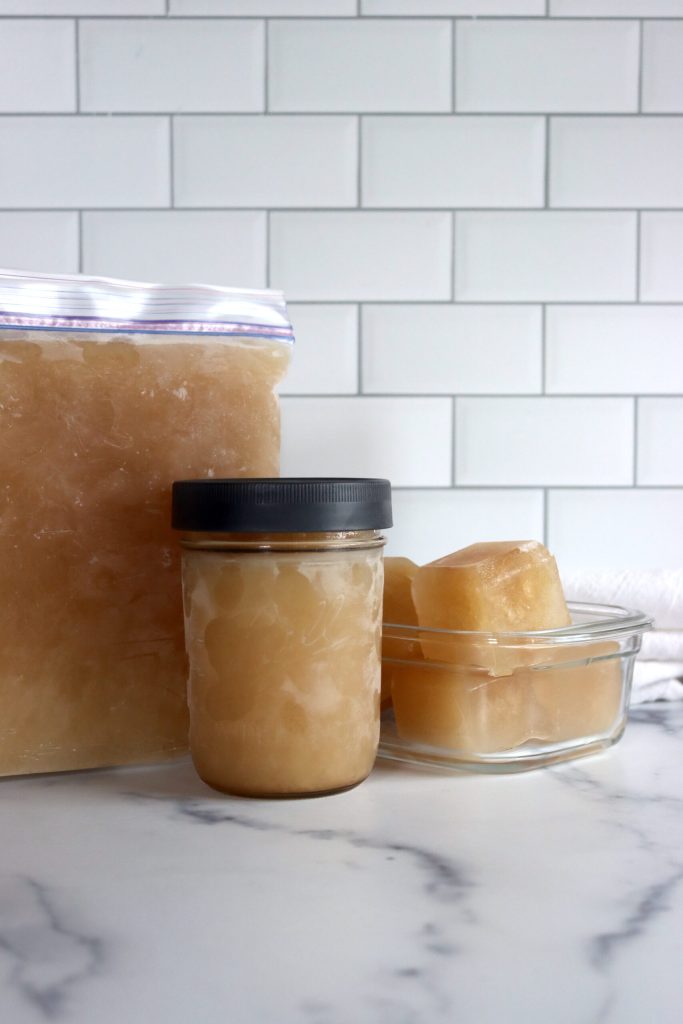
Have you ever wondered what happens to vinegar when you pop it into the freezer? You might be curious if vinegar behaves like water and becomes a rock-solid ice cube, or if it surprises you with something different.
This simple question can unlock a fascinating exploration of chemistry, kitchen hacks, and maybe even a few unexpected surprises. But why should you care? Understanding how vinegar reacts to freezing can not only enhance your culinary skills but also save you from kitchen mishaps.
Imagine having the upper hand in preserving your favorite dressings, or even creating unique frozen treats. Intrigued? Let’s dive into the science and secrets behind whether vinegar freezes solid, and how this knowledge can make your life easier and more interesting.
Freezing Point Of Vinegar
Understanding the freezing point of vinegar is key if you’ve ever wondered whether your bottle might turn solid in the freezer. Vinegar doesn’t freeze like plain water due to its unique chemical makeup. Knowing how and why it freezes—or doesn’t—can help you store it properly and avoid unexpected messes.
How Vinegar’s Acidity Affects Freezing
Vinegar contains acetic acid, which lowers its freezing point compared to pure water. The more acidic the vinegar, the lower the temperature it needs to reach before it begins to freeze. For example, typical household vinegar with about 5% acetic acid freezes at around 28°F (-2°C), not the standard 32°F (0°C) for water.
This means your vinegar can stay liquid in a freezer that’s just below water’s freezing point. Have you ever noticed your vinegar getting slushy instead of solid? That’s because the acetic acid disrupts ice crystal formation, making freezing slower and less complete.
Comparison With Water And Other Liquids
| Liquid | Freezing Point (°F) | Freezing Point (°C) |
|---|---|---|
| Pure Water | 32 | 0 |
| 5% Acetic Acid Vinegar | 28 | -2 |
| Saltwater (3.5% salt) | 28.4 | -1.9 |
| Alcohol (40%) | -16 | -27 |
This table shows vinegar’s freezing point is lower than water but higher than many alcoholic beverages. Saltwater freezes at a similar temperature, which is why ocean water stays liquid in freezing weather. If you’ve ever tried freezing vinegar, you might have noticed it doesn’t turn into a hard block but rather a thick, icy slush.
Does this change how you store vinegar in cold environments? If your freezer is colder than vinegar’s freezing point, you might see some solidification, but it won’t be as solid as ice. This knowledge is useful if you use vinegar for cooking or cleaning and want to avoid crystallization problems.

Credit: www.southlandorganics.com
Types Of Vinegar And Their Freeze Behavior
Different types of vinegar react differently to freezing temperatures. Understanding how each type freezes can help you decide how to store your vinegar, especially if you live in a cold climate or want to experiment with frozen vinegar in recipes. Let’s break down how common vinegars behave when exposed to freezing conditions.
White Vinegar
White vinegar has a high acetic acid content, usually around 5-7%, which lowers its freezing point significantly compared to water. Because of this, white vinegar rarely freezes solid in a standard household freezer.
Instead, it becomes very thick and slushy, but you won’t see it turn into a hard block of ice. Have you ever tried freezing white vinegar and noticed it still pours easily? This is why it’s often safe to store white vinegar in cold environments without worrying about solidification.
Apple Cider Vinegar
Apple cider vinegar contains less acetic acid than white vinegar, usually around 5%, but it also has sugars and other organic compounds. These additional ingredients can affect its freezing behavior, making it more likely to partially freeze.
When frozen, apple cider vinegar often turns into a slushy or semi-solid form rather than a hard freeze. If you freeze apple cider vinegar, you might notice it becomes cloudy and changes texture, but it won’t typically freeze rock solid.
Other Varieties
Vinegars like balsamic, red wine, and rice vinegar each have unique compositions. These differences influence how they freeze. Balsamic vinegar, for example, contains sugars that lower the freezing point, making it less likely to freeze solid.
Red wine and rice vinegar, having lower acidity or additional ingredients, may freeze into a slushy or semi-solid state depending on the temperature. Curious about how your favorite vinegar behaves in the freezer? Trying a small test freeze can reveal surprising results.
What Happens When Vinegar Freezes
Ever wondered what happens to vinegar when it freezes? Since vinegar is a liquid staple in kitchens worldwide, understanding its behavior in the freezer can help you avoid surprises and make better storage decisions.
Texture And Consistency Changes
Freezing vinegar doesn’t turn it into a hard, icy block like water. Instead, it becomes slushy or partially solid because of its acetic acid content.
You might notice a grainy or cloudy texture once it thaws. This happens because some components separate during freezing, affecting the smoothness you’re used to.
Have you ever poured vinegar from a frozen bottle and spotted little ice crystals? That’s a sign it’s partially frozen, which can influence how it pours or mixes in recipes.
Impact On Flavor And Aroma
Freezing vinegar can dull its sharp, tangy flavor temporarily. You may find it tastes less intense right after thawing.
The aroma might also seem weaker or different, as some volatile compounds change with freezing. However, the core sourness remains intact.
If you rely on vinegar’s kick for dressings or marinades, consider tasting it before use after freezing. Sometimes, stirring or shaking the bottle helps bring back its full flavor.
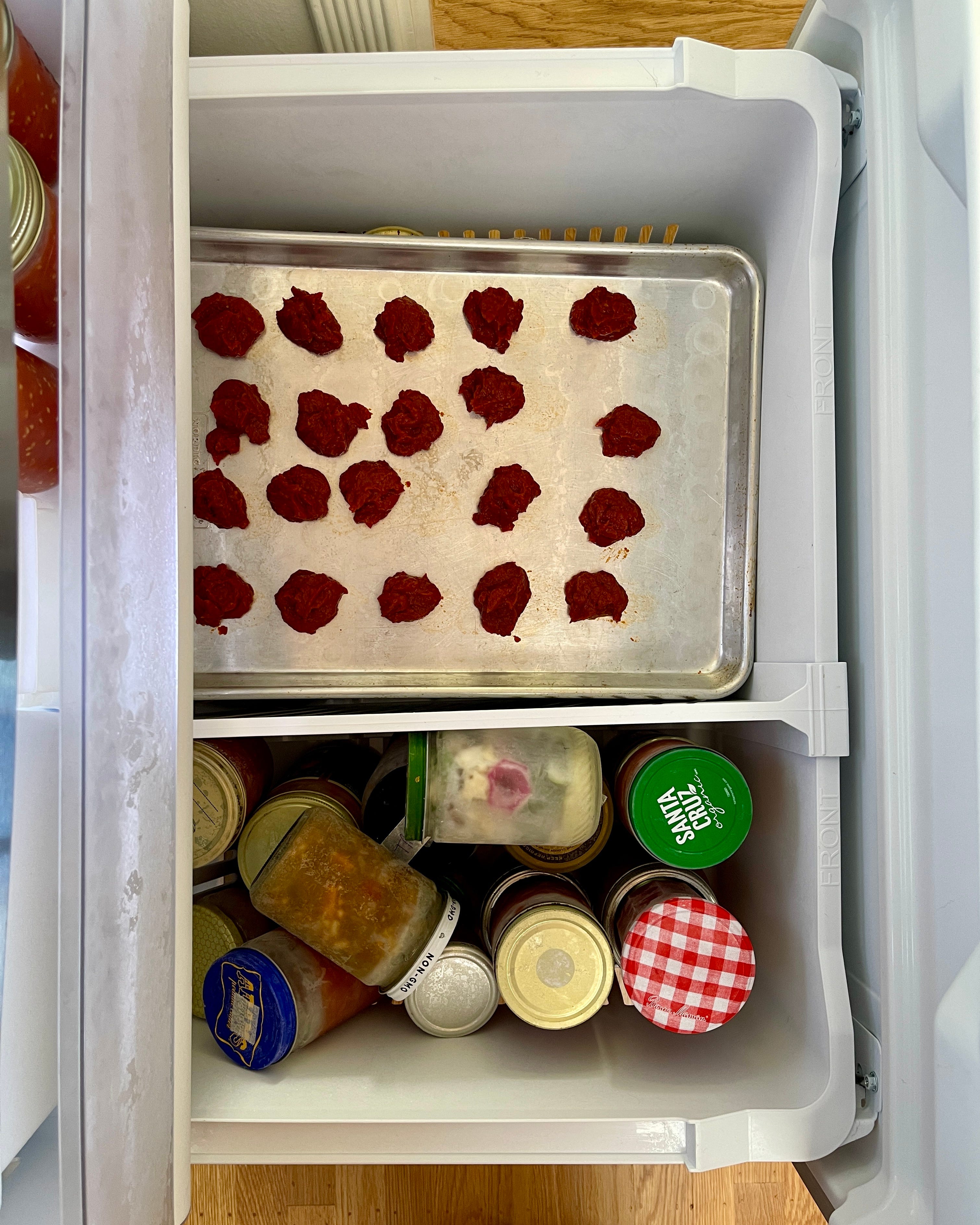
Credit: zerowastechef.substack.com
Practical Uses Of Frozen Vinegar
Frozen vinegar might seem unusual, but it offers some surprising practical uses. When vinegar freezes, its properties change slightly, which you can use to your advantage in everyday tasks. Let’s look at how frozen vinegar can help in food preservation and cleaning around your home.
Food Preservation
Freezing vinegar doesn’t ruin its acidity, which is key for preserving foods. You can freeze vinegar in ice cube trays and add these cubes to jars of pickles or homemade sauces. This allows you to control the acidity level easily while keeping your preserved foods fresh longer.
Have you ever struggled with balancing flavors in a batch of pickles? Using frozen vinegar cubes can help you add just the right amount without overdoing it. It’s a handy trick that saves you from wasting vinegar and keeps your food tasting great.
Cleaning Applications
Frozen vinegar cubes are great for cleaning tough spots. Because vinegar is acidic, it dissolves mineral deposits and grease effectively. When frozen, these cubes can be rubbed directly onto surfaces like faucets or stovetops to scrub away grime without harsh chemicals.
If you’ve tried cleaning with liquid vinegar before, try using it frozen next time. The solid form gives you more control and a gentle abrasive effect. Plus, it melts slowly, allowing the vinegar to work longer on stubborn stains.
Tips For Freezing Vinegar Safely
Freezing vinegar might seem unusual, but it helps extend its shelf life. Safe freezing keeps vinegar fresh and maintains its flavor. Follow simple tips to freeze vinegar without risks. Proper storage and container choice are crucial for best results.
Container Choices
Use airtight containers to prevent vinegar from absorbing freezer odors. Glass jars with tight lids work well. Plastic containers designed for freezing are also good. Avoid containers that crack easily in cold temperatures. Leave space at the top of the container for vinegar to expand as it freezes.
Storage Duration
Frozen vinegar can last several months without losing quality. Aim to use it within 6 to 12 months. Label containers with the freezing date for easy tracking. Thaw vinegar slowly in the refrigerator to keep its taste. Avoid refreezing thawed vinegar to maintain its quality.
Common Myths About Freezing Vinegar
Freezing vinegar sparks a lot of questions and some confusion. Many people have heard stories or read claims about what happens when vinegar freezes, but not all of them are true. Separating fact from fiction helps you use vinegar more effectively without worrying about damaging your freezer or losing its quality.
Does Frozen Vinegar Lose Its Strength?
Many believe vinegar loses its acidity or strength after freezing. However, vinegar’s acetic acid content remains stable even when frozen. The freezing process might change the texture or appearance slightly, but it doesn’t reduce the vinegar’s cleaning power or flavor.
Think about your salad dressings—if you accidentally froze them, would they taste weaker? Probably not. The main thing to watch out for is that frozen vinegar can become cloudy or form ice crystals, but this doesn’t impact its effectiveness.
Can Vinegar Damage Freezers?
Some worry that vinegar could harm their freezer’s components. Vinegar is acidic, but when frozen, it behaves like water and ice. It won’t corrode or damage the freezer walls or mechanisms.
Still, if vinegar leaks and freezes outside its container, it might cause a sticky mess when thawed. To avoid this, always seal vinegar tightly before freezing. Have you ever had a spill freeze solid and become a hassle to clean? Proper storage prevents that problem.

Credit: www.migros.ch
Frequently Asked Questions
Does Vinegar Freeze Solid In A Freezer?
Vinegar does not freeze solid easily due to its acetic acid content. It becomes slushy but rarely turns completely solid at typical freezer temperatures.
At What Temperature Does Vinegar Freeze?
Vinegar freezes around 28°F (-2°C), lower than water’s freezing point. The exact freezing point varies with the vinegar’s acidity level.
Can Frozen Vinegar Affect Its Quality?
Freezing vinegar may alter its taste slightly but does not ruin its acidity or usefulness for cleaning or cooking purposes.
How To Thaw Frozen Vinegar Safely?
Thaw frozen vinegar slowly at room temperature. Avoid heating it directly to preserve its flavor and acidity.
Conclusion
Vinegar does not freeze solid like water. It becomes thick and slushy at low temperatures. This happens because of its acid and alcohol content. You can still use vinegar after it thickens. Just let it warm up to return to liquid form.
Knowing this helps you store vinegar properly in cold weather. It also avoids confusion about its changes. Vinegar stays useful even if it looks different. So, no need to worry about freezing vinegar.