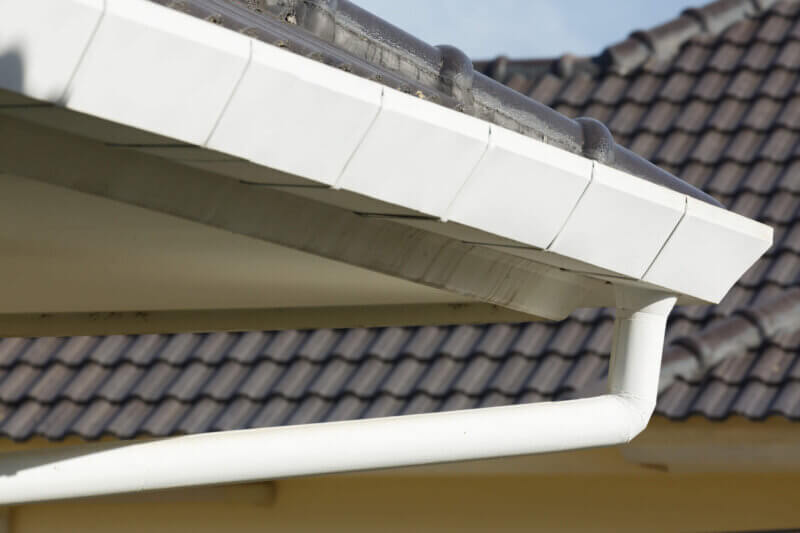
Imagine waking up on a chilly winter morning, only to find that your downspouts are clogged with ice. The water has nowhere to go, and it threatens to damage your home.
It’s a common nightmare for many homeowners, but it doesn’t have to be yours. You might wonder how you can prevent this icy menace from wreaking havoc on your property. The good news is, you’re in the right place to find out how to keep your downspouts from freezing.
By the end of this article, you’ll have all the tools and tips you need to protect your home. Ready to ensure your winter mornings are stress-free? Let’s dive in!

Credit: m.youtube.com
Causes Of Downspout Freezing
Downspout freezing is a common winter problem that affects many homes. Understanding the causes helps prevent damage and costly repairs. Cold weather and moisture create conditions where ice can form inside downspouts. This ice blocks water flow and causes backups. Knowing the main reasons behind freezing helps homeowners take quick action.
Common Winter Conditions
Freezing temperatures cause water inside downspouts to turn into ice. Snowfall and ice storms add moisture to gutters and downspouts. When daytime temperatures rise slightly, snow melts. Melted water flows into downspouts but refreezes at night. Poor insulation around pipes also leads to freezing. Wind can increase the cold effect, making freezing more likely.
Impact Of Ice Build-up
Ice build-up blocks water flow in downspouts. Water trapped behind ice can leak into walls and foundations. This causes damage to siding, gutters, and roofing materials. Heavy ice adds weight, risking downspout detachment or gutter damage. Ice can also cause cracks in pipes, leading to leaks. Repairing these damages is often expensive and time-consuming.
Proper Downspout Installation
Proper downspout installation plays a key role in preventing freezing issues. A well-installed downspout ensures water flows away from your roof and foundation. It stops water from pooling and freezing around your home. This reduces ice buildup and potential damage during cold months.
Attention to slope and positioning helps water drain smoothly. Using heat tape can keep water moving even in freezing temperatures. These simple installation steps make your drainage system more effective and durable.
Correct Slope And Positioning
The downspout must have a slight downward slope away from your house. This slope allows water to flow freely toward the ground or drainage area. Check that the bottom end points away from the foundation to prevent water damage. Avoid sharp bends or dips that can trap water.
Position the downspout so it directs water to a safe drainage zone. Use extensions if needed to move water farther from your home. Keep the path clear of debris and snow to maintain flow. Proper slope and placement reduce freezing risks and ice blockages.
Using Heat Tape Effectively
Heat tape adds warmth along the downspout to prevent ice buildup. Choose a tape designed for outdoor and wet conditions. Wrap the tape along the pipe’s length, focusing on bends and joints.
Plug heat tape into a GFCI outlet for safety. Turn it on before freezing temperatures start. Monitor the tape to avoid overheating or damage. Heat tape keeps water flowing and stops ice dams from forming inside the downspout.
Regular Maintenance Practices
Keeping your downspouts from freezing starts with regular maintenance. Taking a little time to care for them throughout the year can prevent major headaches during winter. You’ll save money and avoid damage to your home’s foundation by staying proactive.
Clearing Debris
Leaves, twigs, and dirt can easily clog your downspouts, trapping water and increasing the risk of freezing. Make it a habit to clean out debris at least twice a year, ideally before winter sets in.
Wear gloves and use a garden hose or plumber’s snake to flush out stubborn blockages. Clearing debris not only keeps water flowing but helps you spot other issues early.
Inspecting For Damage
Frozen water expands and can crack or loosen your downspouts. Check for dents, rust spots, or loose connections regularly to catch problems before they worsen.
Look closely at the joints and the area where downspouts meet gutters. Tighten screws or replace worn parts to ensure a secure fit that won’t let water escape and freeze.
Insulation Techniques
Insulating downspouts helps prevent ice buildup and damage during cold months. Proper insulation keeps water flowing smoothly and avoids costly repairs. Simple materials and techniques make a big difference in winter protection.
Wrapping Pipes
Wrap foam pipe insulation around the downspout pipes. This material is easy to install and blocks cold air. Secure the wrap with waterproof tape to keep it tight. Make sure to cover all exposed areas for full protection.
Use insulation sleeves designed for outdoor use. These sleeves resist moisture and last longer in harsh weather. Wrap the pipes starting from the top and move downward. This method reduces freezing risks by keeping pipes warmer.
Adding Protective Covers
Protective covers shield downspouts from freezing temperatures. Use plastic or metal covers that fit snugly over the pipes. These covers block wind and snow from reaching the pipes.
Install insulated covers that combine foam and plastic layers. They create a barrier against cold air and moisture. Secure covers firmly to prevent them from blowing away in strong winds. Protective covers work well with wrapped pipes for added safety.
Improving Water Flow
Keeping water moving smoothly through your downspouts helps stop freezing. Water that pools or stays still in pipes can freeze faster. Improving water flow directs water away from your home and reduces ice buildup. This protects your gutters and foundation from damage during cold weather.
Extending Downspouts
Extending downspouts moves water further away from your house. It prevents water from collecting near your foundation. Use plastic or metal extensions that fit securely on your downspout end. Make sure the extension directs water at least 3 to 5 feet away from your home. Check that the extension stays clear of snow and ice. This simple addition improves drainage and lowers the chance of freezing.
Installing Splash Blocks
Splash blocks sit under downspouts to catch and spread water. They stop water from eroding soil or pooling near the foundation. Place splash blocks where water exits the downspout. Choose blocks made of durable materials like concrete or heavy plastic. Keep them clear of leaves and debris to maintain good water flow. Splash blocks help water move quickly away, reducing ice buildup around downspouts.

Credit: bestroofhelp.com
Using Heat Sources Safely
Using heat sources to prevent your downspouts from freezing can be very effective, but it requires careful handling to avoid hazards. Heat needs to be applied in a way that keeps ice at bay without risking damage to your home or creating a fire risk. Understanding how to use these tools safely will protect your property and ensure your system works smoothly through winter.
Heated Cables
Heated cables are designed specifically to keep pipes and downspouts warm. You simply wrap them around the affected areas, and they generate low-level heat to melt ice before it builds up.
Make sure to choose cables that are UL-listed for safety and follow the manufacturer’s instructions closely. Avoid overlapping the cables, as this can cause overheating and potentially start a fire.
It’s also important to plug them into a ground-fault circuit interrupter (GFCI) outlet to prevent electrical shocks. Have you checked your outdoor outlets recently to ensure they are GFCI-protected?
Warm Water Methods
Using warm water can quickly clear small ice blockages, but this needs to be done cautiously. Pour warm (not boiling) water slowly over the frozen sections to avoid cracking pipes or causing thermal shock.
Be aware that this is a temporary fix rather than a long-term solution. If you rely on warm water often, consider combining it with insulation or heat cables to prevent repeated freezing.
Have you tried warming your downspouts with warm water during past winters? How did it affect your maintenance routine?
Preventing Ice Dams On Roofs
Ice dams can cause serious damage to your roof and home. They form when heat from inside your house melts snow on the roof, which then refreezes at the edges, blocking water from draining properly. Preventing ice dams means controlling the temperature on your roof and ensuring water flows freely through your downspouts.
Roof Ventilation Tips
Good roof ventilation balances the temperature between your attic and the outside air. Proper airflow prevents warm air from melting snow unevenly, which helps stop ice dams from forming.
- Check that soffit vents are clear and unobstructed to allow cold air in at the eaves.
- Install ridge vents to let warm air escape at the peak of the roof.
- Use baffles inside the attic to keep insulation from blocking airflow.
I once neglected attic ventilation, and after a heavy snow, ice dams formed quickly. After improving ventilation, I noticed less ice buildup and fewer leaks. Could your attic airflow be the hidden key to solving your ice dam problems?
Gutter Heating Solutions
Heating cables installed along gutters and downspouts keep water moving, even in freezing temperatures. These cables melt ice and prevent blockages that cause water to back up and freeze on your roof edges.
- Choose self-regulating heating cables that adjust heat output based on temperature.
- Install cables inside gutters and downspouts, focusing on corners and low spots where ice tends to collect.
- Consider adding a thermostat control to save energy by running the cables only when needed.
Installing heating cables was a game-changer for my home. Even during the coldest spells, my gutters stayed clear, and I avoided costly repairs. Are you ready to invest in a solution that works without daily effort?

Credit: www.reddit.com
Frequently Asked Questions
How Can I Prevent Downspouts From Freezing In Winter?
To prevent freezing, keep downspouts clear of debris. Insulate exposed pipes and ensure proper drainage away from your home’s foundation.
Why Do Downspouts Freeze And Cause Damage?
Downspouts freeze due to trapped water in cold temperatures. Ice buildup can block water flow, causing overflow and damage to gutters and walls.
What Materials Help Keep Downspouts From Freezing?
Use heat tape or insulated sleeves on downspouts. These materials maintain warmth and prevent ice formation during freezing weather.
When Should I Prepare My Downspouts For Winter?
Prepare downspouts in late fall before the first freeze. Clearing debris and installing insulation early prevents winter ice blockages.
Conclusion
Keeping downspouts from freezing protects your home and saves money. Clean gutters help water flow freely. Adding heat tape or insulation stops ice buildup fast. Check your downspouts before cold weather arrives. Small steps prevent big problems later. Stay ahead of winter’s chill with simple care.
Your home stays safe and dry all season. Easy fixes can avoid costly damage. Take action now for a worry-free winter.