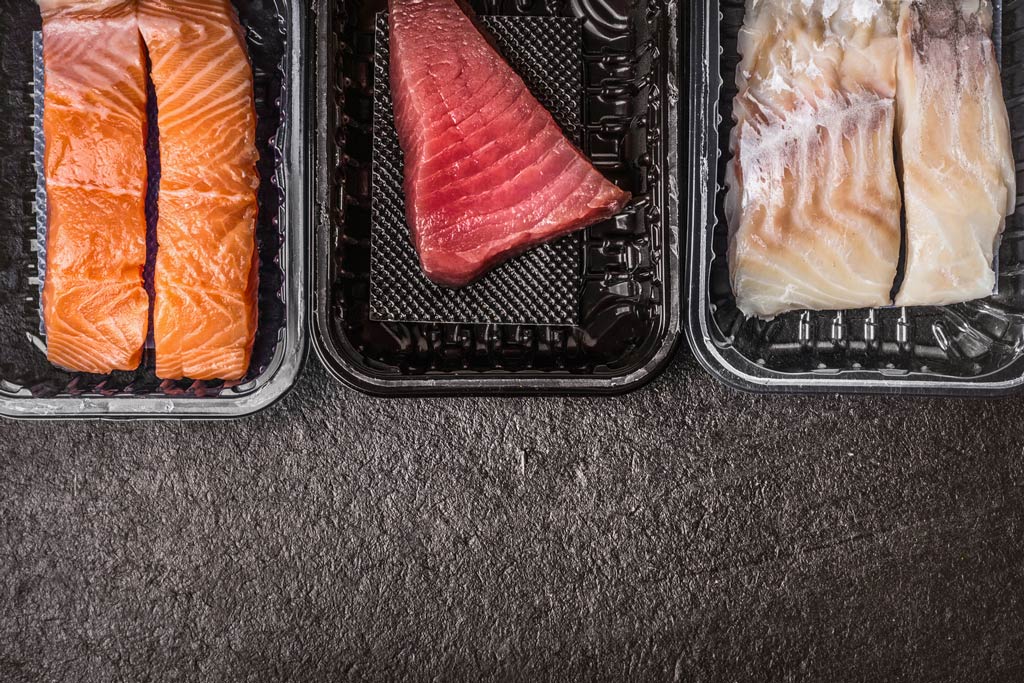
Imagine this: you’ve just bought a beautiful batch of fresh salmon fillets, and the clock is ticking. How do you keep that succulent flavor and texture intact until you’re ready to enjoy them?
Knowing how to freeze salmon fillets properly can save you time, money, and stress. By mastering this simple skill, you can ensure that your meals remain delicious and nutritious, even if they’re made weeks later. In this guide, you’ll discover easy and effective steps to freeze your salmon fillets like a pro, preserving their quality and taste.
Stay with us to unlock the secrets that will make your kitchen life easier and your meals tastier!

Credit: wildforsalmon.com
Choosing Fresh Salmon
Choosing fresh salmon is the first step to freezing it properly. Fresh salmon tastes better and stays safe longer. Freshness affects texture and flavor after freezing. Always pick the freshest fillets to keep quality high.
Signs Of Freshness
- Look for bright, clear eyes if the head is attached.
- Check the skin; it should be shiny and moist.
- Fresh salmon flesh is firm and bounces back when pressed.
- The color should be vibrant, not dull or brownish.
- Smell the fish; it should have a mild, ocean scent.
- A strong, fishy odor means the salmon is not fresh.
- Check for slime; a thin, clear layer is normal, thick slime is not.
Types Of Salmon Fillets
| Type | Description | Best Use |
|---|---|---|
| Wild-caught | Salmon caught in natural waters, leaner taste. | Grilling, roasting, freezing for long periods. |
| Farm-raised | Salmon raised in controlled environments, higher fat. | Pan-frying, baking, freezes well with proper wrapping. |
| Skin-on Fillets | Fillets with skin left on for flavor and protection. | Best for grilling and freezing to retain moisture. |
| Skinless Fillets | Fillets without skin, easier to eat but drier. | Good for poaching and quick cooking after freezing. |
Preparing Salmon For Freezing
Preparing salmon for freezing is key to keeping it fresh and tasty. Proper preparation helps avoid freezer burn and preserves the texture. This process starts with cleaning the fish and ends with portioning the fillets. Taking these steps makes thawing and cooking easier later on.
Cleaning And Trimming
Rinse the salmon under cold water to remove any surface dirt. Pat it dry with paper towels to remove excess moisture. Check the fillet for any remaining bones and pull them out carefully with tweezers. Trim off any dark or fatty parts for better flavor and longer storage life.
Portioning Fillets
Cut the salmon into portions suitable for your meals. Smaller pieces freeze and thaw more evenly. Wrap each portion tightly in plastic wrap to keep air out. Label each package with the date for easy tracking. Use airtight freezer bags or vacuum seal for best results.
Freezing Techniques
Freezing salmon fillets properly keeps their taste and texture fresh. Choosing the right freezing technique prevents freezer burn and preserves quality. This section explains simple ways to wrap and store your salmon for freezing.
Wrapping Methods
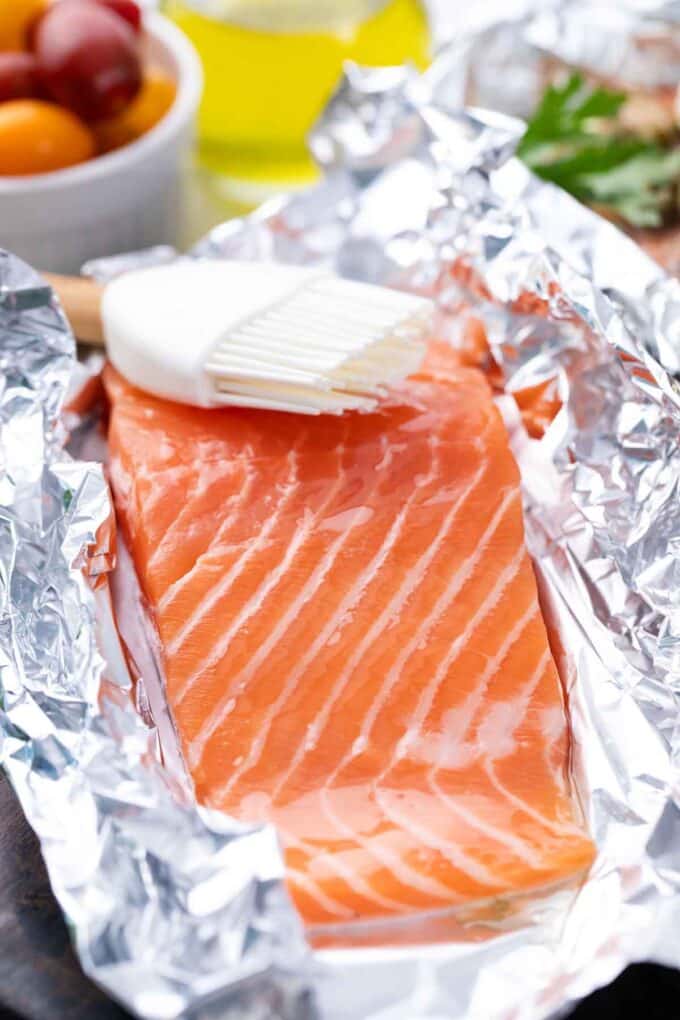
Wrap each fillet tightly with plastic wrap or aluminum foil. This creates a barrier against air and moisture. Wrap the fish in one or two layers for better protection. Make sure no part of the fillet is exposed to air. Label the wrapped fillets with the date before freezing.
Vacuum Sealing
Vacuum sealing removes all air from the packaging. This method extends the salmon’s freezer life and keeps it fresh longer. Use a vacuum sealer and special bags designed for freezing. Place the fillet inside, seal the bag, and remove the air completely. Vacuum-sealed salmon resists freezer burn and preserves flavor well.
Using Freezer Bags
Freezer bags are a convenient option for freezing salmon. Choose heavy-duty bags that resist tears and leaks. Place the fillet inside and press out as much air as possible before sealing. For extra protection, double-bag the fillets. Write the freezing date on the bag with a marker. Store the bags flat in the freezer to save space.

Credit: content.ces.ncsu.edu
Labeling And Storage Tips
Freezing salmon fillets properly means more than just wrapping and popping them in the freezer. Labeling and storage are key to keeping your fish fresh and tasty for longer. Paying attention to these details helps you avoid freezer burn, confusion, and wasted food.
Date And Content Labels
Always label your salmon packages with the date you froze them. This simple step helps you track freshness and plan meals accordingly. Use a permanent marker to write the date and type of fish directly on the packaging or on a sticker.
Including the content name, such as “Salmon Fillet” or “Portion Size,” makes it easier to identify what’s inside without opening the package. Have you ever found a mystery bag in your freezer and wondered if it’s still good? Clear labeling stops that problem before it starts.
Optimal Freezer Temperature
Your freezer should be set at 0°F (-18°C) or lower to keep salmon fresh. At this temperature, the growth of bacteria slows dramatically, and the quality of the fish is preserved. Check your freezer’s temperature regularly with a thermometer to ensure it stays consistent.
Freezers that run too warm can cause faster spoilage and freezer burn, while excessively cold freezers might dry out the fish. Finding the right balance protects your investment and makes sure your salmon tastes great when you thaw it. How often do you check your freezer’s temperature?
Thawing Salmon Safely
Thawing salmon safely is important to keep it fresh and tasty. Improper thawing can cause bacteria growth. This can lead to foodborne illness. Use safe methods to keep salmon quality and safety intact.
Refrigerator Thawing
Place frozen salmon in the fridge to thaw slowly. This keeps the fish at a safe, cold temperature. It usually takes 12 to 24 hours. Plan ahead to allow enough thawing time. This method keeps salmon fresh and firm.
Cold Water Thawing
Seal salmon tightly in a plastic bag. Submerge the bag in cold water. Change the water every 30 minutes to keep it cold. This method is faster than the fridge. Salmon usually thaws in 1 to 2 hours.
Avoiding Room Temperature Thawing
Do not thaw salmon on the countertop or in warm water. This can cause bacteria to grow quickly. Salmon can become unsafe to eat. Always use cold water or refrigerator thawing. Food safety matters most.
Maintaining Quality After Freezing
Keeping your salmon fillets fresh after freezing can be tricky, but it’s possible with the right approach. The goal is to preserve the texture, flavor, and moisture so your fish tastes just as good as when it was fresh. Small changes in how you handle and cook frozen salmon make a big difference in quality.
Cooking Tips For Frozen Salmon
Cooking salmon directly from the freezer saves time and keeps the fish firm. You don’t need to thaw it completely; just rinse off any ice crystals under cold water.
- Use gentle heat and cook slowly to avoid drying out the fillet.
- Try baking at 425°F (220°C) for 15-20 minutes, depending on thickness.
- Season well with herbs, lemon, or spices to boost flavor after freezing.
Have you noticed how frozen salmon sometimes flakes apart easily? That’s often because it was cooked too fast or at too high a temperature.
Signs Of Freezer Burn
Freezer burn happens when salmon is exposed to air, causing dry spots and discoloration. It looks like white or grayish patches on the surface.
- Freezer-burned salmon often smells off or stale rather than fresh.
- The texture becomes tough and grainy, which affects taste.
Prevent freezer burn by wrapping fillets tightly in plastic wrap and placing them in airtight bags or vacuum-sealed packs. Have you checked your freezer lately for poorly wrapped fish? Fixing that can save your meal quality instantly.
Credit: sweetandsavorymeals.com
Frequently Asked Questions
How Long Can You Freeze Salmon Fillets?
Salmon fillets can be frozen for up to 3 months. Proper packaging and sealing are essential to maintain freshness. Use airtight freezer bags or vacuum seal to prevent freezer burn and preserve flavor.
What Is The Best Way To Freeze Salmon Fillets?
Wrap salmon fillets tightly in plastic wrap, then place them in a freezer bag. Remove as much air as possible. Label with the date before freezing to keep track of storage time.
Should Salmon Be Frozen Raw Or Cooked?
It’s best to freeze salmon fillets raw. Raw freezing preserves texture and flavor better than freezing cooked fish. Cooked salmon can become dry or tough after freezing and thawing.
How Do You Thaw Frozen Salmon Fillets Safely?
Thaw salmon fillets in the refrigerator overnight for best results. Avoid room temperature thawing to prevent bacteria growth. For quick thawing, use cold water in a sealed bag, changing water every 30 minutes.
Conclusion
Freezing salmon fillets is simple and saves time. Always use airtight packaging to keep fish fresh. Label packages with dates to track storage time. Freeze salmon quickly to keep its taste and texture. Thaw fillets in the fridge for best results.
This method helps reduce waste and keeps salmon ready. Enjoy fresh-tasting salmon anytime with these easy steps. Your kitchen will thank you for this smart habit.