
Are you considering freezing your eggs in Europe and wondering about the cost? You’re not alone.
Many women are exploring this option to preserve their fertility, ensuring they have more choices down the road. But let’s face it, the financial aspect can be a bit daunting. Understanding the expenses involved is crucial for planning your future.
Imagine knowing exactly what to expect, without any surprises, as you take this important step in your life. By the end of this article, you’ll have a clear picture of how much freezing eggs in Europe can cost and why it might be the right choice for you. Dive in to discover how to make informed decisions about your reproductive health, without breaking the bank.
Egg Freezing Basics
Egg freezing is an option many consider to preserve fertility. It involves collecting and freezing eggs for future use. Understanding the basics helps in making informed choices about this process.
What Is Egg Freezing
Egg freezing, also known as oocyte cryopreservation, stores a woman’s eggs at low temperatures. This process keeps eggs healthy until they are ready to be used for pregnancy. The eggs are collected during a medical procedure and frozen shortly after.
Who Should Consider It
Women who want to delay pregnancy for personal or medical reasons may consider egg freezing. It suits those who face fertility risks due to age or treatments like chemotherapy. It also helps women who want to focus on careers or education before starting a family.
Benefits And Risks
- Benefits include preserving fertility and reducing pressure to conceive quickly.
- It offers a chance to have biological children later in life.
- Risks involve medical procedures like hormone injections and egg retrieval.
- Success rates vary and do not guarantee pregnancy.
- Costs can be high and might not be covered by insurance.
Cost Factors Across Europe
Understanding the cost factors of egg freezing across Europe can help you plan better and avoid unexpected expenses. Prices vary widely depending on where you go and what services you need. Knowing these factors upfront puts you in control of your fertility journey.
Clinic Fees And Location
Clinic fees differ a lot based on the country and city you choose. Big cities like London, Paris, or Berlin usually charge more than smaller towns. Some clinics include consultations and initial tests in their fees, while others charge separately.
Have you checked if the clinic you want is accredited and has a strong success rate? Sometimes paying a bit more for quality care is worth it in the long run.
Medication Expenses
Medications for ovarian stimulation can be a significant part of the cost. Prices fluctuate depending on the brand and dosage you require. In some European countries, medication costs are partly reimbursed by health systems or insurance, but in others, you pay fully out-of-pocket.
Ask your clinic for a clear breakdown of medication costs before starting. Are there generic options available that could reduce your expenses?
Laboratory And Storage Costs
After egg retrieval, the eggs are frozen and stored, which adds to the total cost. Laboratory fees cover the freezing process and quality checks. Storage fees are usually charged annually and can vary from €300 to over €600 per year depending on the facility.
Consider how long you plan to store your eggs. Could paying upfront for multiple years save you money?
Additional Services And Tests
Extra tests like genetic screening or hormone level checks may be recommended but are often not included in the base price. Some clinics offer counseling, nutritional advice, or follow-up appointments as part of their package or for an extra fee.
Think about which additional services are essential for you and which ones you can skip. Have you compared what different clinics include to get the best value?
Country-by-country Cost Comparison
Egg freezing costs vary across Europe. Each country has its own pricing depending on clinics, treatments, and regulations. Understanding these differences helps in planning your budget better.
Costs include hormone injections, egg retrieval, and storage fees. Storage is usually charged annually. Prices can change based on clinic reputation and location.
United Kingdom
Egg freezing in the UK costs between £3,000 and £5,000 per cycle. Storage fees range from £200 to £500 per year. Some clinics offer package deals including medication and consultations.
Germany
In Germany, the price per cycle is around €3,500 to €6,000. Annual storage fees average €300 to €600. Clinics often require a detailed health check before treatment.
France
France charges about €2,500 to €5,000 for egg freezing. Storage costs are usually €200 to €400 per year. The government may cover some costs for medical reasons.
Spain
Spain is known for lower prices, from €2,000 to €4,000 per cycle. Storage fees range from €150 to €350 annually. Many clinics offer flexible payment plans.
Italy
Italy’s costs range from €3,000 to €5,500 per cycle. Storage fees typically fall between €250 and €450 per year. Some regions provide public funding support.
Other European Countries
- Netherlands: €3,000 to €5,000 per cycle, €200 to €400 yearly storage
- Sweden: €3,500 to €6,500 per cycle, €300 to €600 yearly storage
- Poland: €2,000 to €4,000 per cycle, €150 to €300 yearly storage
- Belgium: €3,000 to €5,500 per cycle, €200 to €450 yearly storage
Insurance And Financial Aid
Egg freezing can be expensive, but insurance and financial aid can help lower the costs. Understanding available options is key to managing expenses. Some plans cover parts of the procedure. Others offer loans or subsidies to ease payment.
Coverage Options
Insurance policies vary across Europe. Some private insurers include egg freezing under fertility benefits. Coverage may depend on medical reasons or age limits. Many plans cover hormone treatments and egg retrieval. Storage fees often require separate payments. Always check specific policy details before starting.
Government Subsidies
Certain European countries provide government support for egg freezing. Subsidies often target medical cases, like cancer patients. Some nations also support elective egg freezing. Amounts and eligibility differ by country and region. Public health programs might cover parts of the treatment. Research local health services for available aid.
Payment Plans And Loans
Clinics often offer payment plans to spread out costs. Monthly installments make the process more affordable. Interest rates and terms vary among providers. Fertility loans are another option to consider. These loans usually cover the full procedure cost. Compare offers carefully to find the best fit.
Steps To Prepare Financially
Preparing financially to freeze your eggs in Europe involves more than just knowing the sticker price. It requires clear budgeting, understanding all upfront costs, and planning for ongoing expenses like storage. Taking control of your finances early can ease stress and keep you focused on your fertility journey.
Budgeting For Treatment
Start by listing all possible costs related to the egg freezing process. This includes ovarian stimulation medications, monitoring appointments, the egg retrieval procedure, and lab fees. Prices can vary widely depending on the clinic and country, so gather quotes from multiple sources.
Think about hidden expenses too, such as travel if you choose a specialized clinic far from home. Setting a realistic budget helps you avoid surprises and allows you to explore financing options or payment plans if needed.
Consultation And Initial Tests
Your journey begins with consultations and preliminary tests to assess your fertility health. These appointments often come with separate fees that might not be included in the overall treatment cost. Blood tests, ultrasounds, and hormone level checks provide essential information but require upfront payment.
Ask your clinic about these fees early on. Knowing these expenses beforehand prevents budget gaps and allows you to plan your cash flow more effectively.
Planning For Storage Duration
One of the most overlooked costs is the long-term storage fee for your frozen eggs. Clinics usually charge annually, and these costs add up over time. Decide how long you plan to store your eggs and factor this into your financial plan.
Storage fees in Europe can range from a few hundred to over a thousand euros per year, depending on the facility. Would you be comfortable committing to these ongoing payments? Consider this carefully to avoid unexpected financial stress down the line.
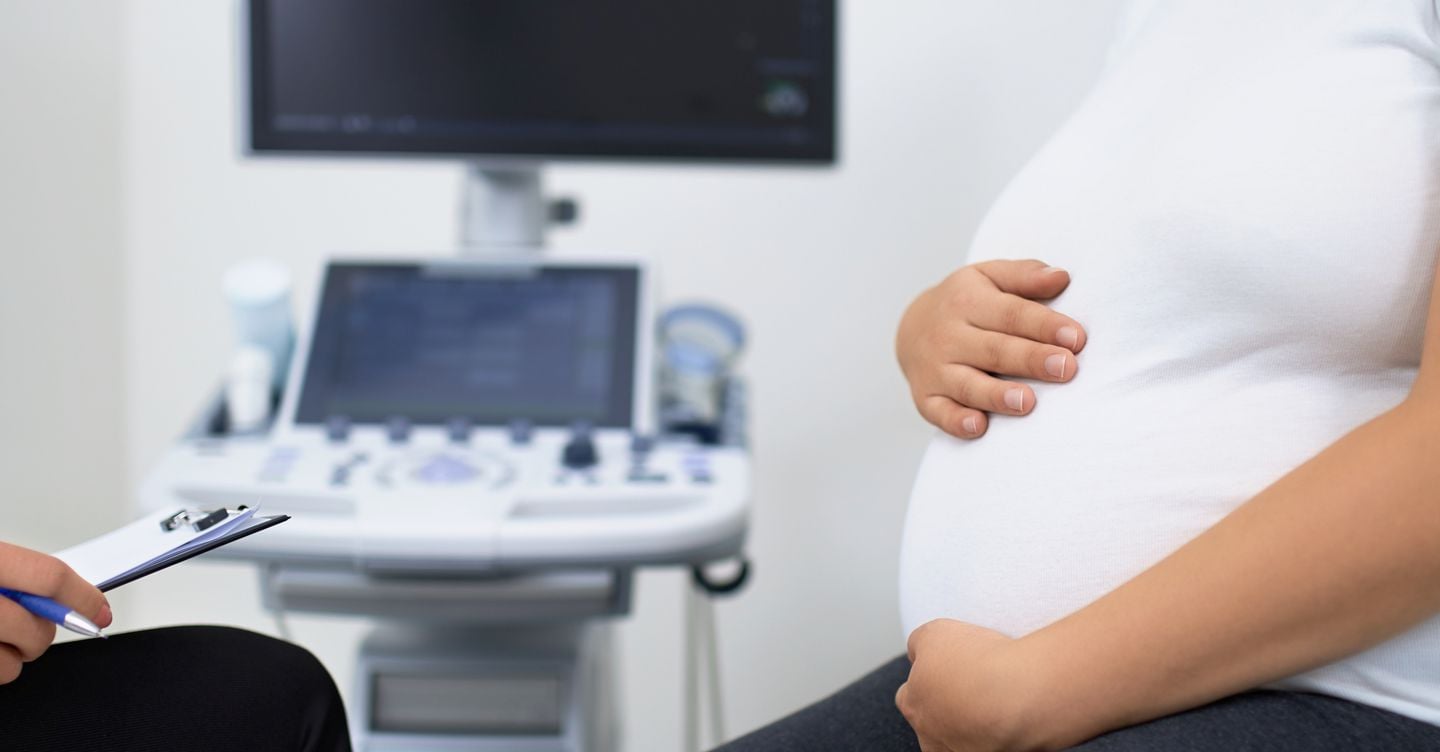
Credit: en.ilsole24ore.com
Choosing The Right Clinic
Choosing the right clinic is a key step in the egg freezing process. It affects success rates, costs, and your overall experience. The right clinic offers care, expertise, and support. Take time to compare options and understand what each clinic provides.
Factors To Consider
- Location and travel convenience
- Cost of the procedure and storage fees
- Technology and equipment used
- Experience of fertility specialists
- Clinic accreditation and certifications
- Availability of personalized treatment plans
Clinic Reputation And Success Rates
Check the clinic’s track record with egg freezing. Look for published success rates and patient reviews. High success rates show effective procedures and quality care. Ask about the number of cycles performed annually. A clinic known for transparency and positive outcomes is a safer choice.
Patient Support Services
Good clinics provide emotional and practical support. Services may include counseling, financial advice, and flexible scheduling. Staff should answer questions clearly and patiently. Support helps reduce stress during treatment. Consider clinics that offer ongoing care even after egg freezing.
Future Trends In Egg Freezing Costs
Egg freezing costs in Europe are evolving rapidly, influenced by several key factors shaping the future landscape. Understanding these trends can help you plan better and make informed decisions about fertility preservation. Let’s look at what’s driving cost changes and what you might expect going forward.
Technological Advances
New technologies are making egg freezing more efficient and safer. For example, vitrification—a rapid freezing method—has become standard, improving success rates and reducing costs linked to complications.
As labs adopt even more advanced tools, the process might become quicker and less labor-intensive. Could these innovations bring costs down enough to make egg freezing accessible to more people?
Market Competition
The number of clinics offering egg freezing in Europe is growing fast. This increase creates competition, which often leads to better prices and more flexible payment plans.
You might find deals or bundled services that include consultation, storage, and freezing. How actively are you comparing options in your region to find the best value?
Regulatory Changes
European countries vary in their regulations on fertility treatments, and these rules can impact costs. Stricter regulations might increase prices due to higher compliance expenses, while supportive policies may offer subsidies or tax benefits.
Staying updated on local laws can help you spot opportunities to save money. Are you tracking policy changes that could affect your egg freezing journey?

Credit: www.fertilityclinicsabroad.com

Credit: www.reddit.com
Frequently Asked Questions
How Much Does Egg Freezing Cost In Europe?
Egg freezing in Europe typically costs between €3,000 and €6,000 per cycle. Prices vary by country and clinic. Additional fees for medication and storage may apply. Research local clinics for exact costs and financing options to plan your budget effectively.
Are There Cheaper Egg Freezing Options In Europe?
Yes, some clinics in Eastern Europe offer lower egg freezing prices. Countries like Poland and Czech Republic have competitive rates. However, consider clinic reputation and success rates before choosing a budget option. Quality and safety should be priorities.
What Factors Influence Egg Freezing Prices In Europe?
Costs depend on clinic location, technology used, and staff expertise. Medication, anesthesia, and storage fees also affect the total price. Countries with higher living costs usually charge more. It’s important to compare detailed price breakdowns from multiple clinics.
How Long Can Eggs Be Stored After Freezing?
Frozen eggs can be stored safely for up to 10 years or more. Storage duration depends on local regulations and clinic policies. Long-term storage fees may apply annually. Proper storage preserves egg quality for future use.
Conclusion
Egg freezing costs vary across Europe, but planning helps. Consider clinic fees, medication, and storage expenses. Research options carefully to find the best fit. Budgeting ensures no surprises during the process. Egg freezing offers hope for future family plans. Knowing costs helps make clear, confident decisions.
Take time to explore and ask questions. Your future deserves thoughtful preparation and care.