Can well water freeze? It’s a question that might have crossed your mind, especially as the temperature drops and winter sets in.
You rely on your well water for daily needs, so understanding the risks of freezing becomes crucial. Imagine waking up to find your water supply disrupted—frustrating, right? This blog post will explore the conditions under which well water can freeze and what you can do to prevent it.
By the end, you’ll have the knowledge to safeguard your water supply against the winter chill. Dive in, and let’s ensure your well water flows smoothly all season long.
Credit: www.amazon.ca
How Well Water Freezes
Understanding how well water freezes can help you protect your water supply during cold months. Water in a well behaves differently than surface water because of depth, temperature, and movement. Let’s break down the key factors that influence freezing in well water.
Freezing Point Of Water
Water freezes at 32°F (0°C) under normal conditions. However, well water often contains minerals and impurities that can slightly lower this freezing point. Even a small change in temperature or water composition can delay freezing inside your well.
Have you noticed ice forming in your outdoor water pipes before your well water shows any signs of freezing? This happens because pure water freezes at a consistent temperature, but well water’s minerals can change that threshold.
Factors Influencing Freezing
Several elements affect whether well water freezes, including:
- Depth of the well:Deeper wells stay warmer because the earth insulates them.
- Ambient temperature:Prolonged cold spells increase the chance of freezing.
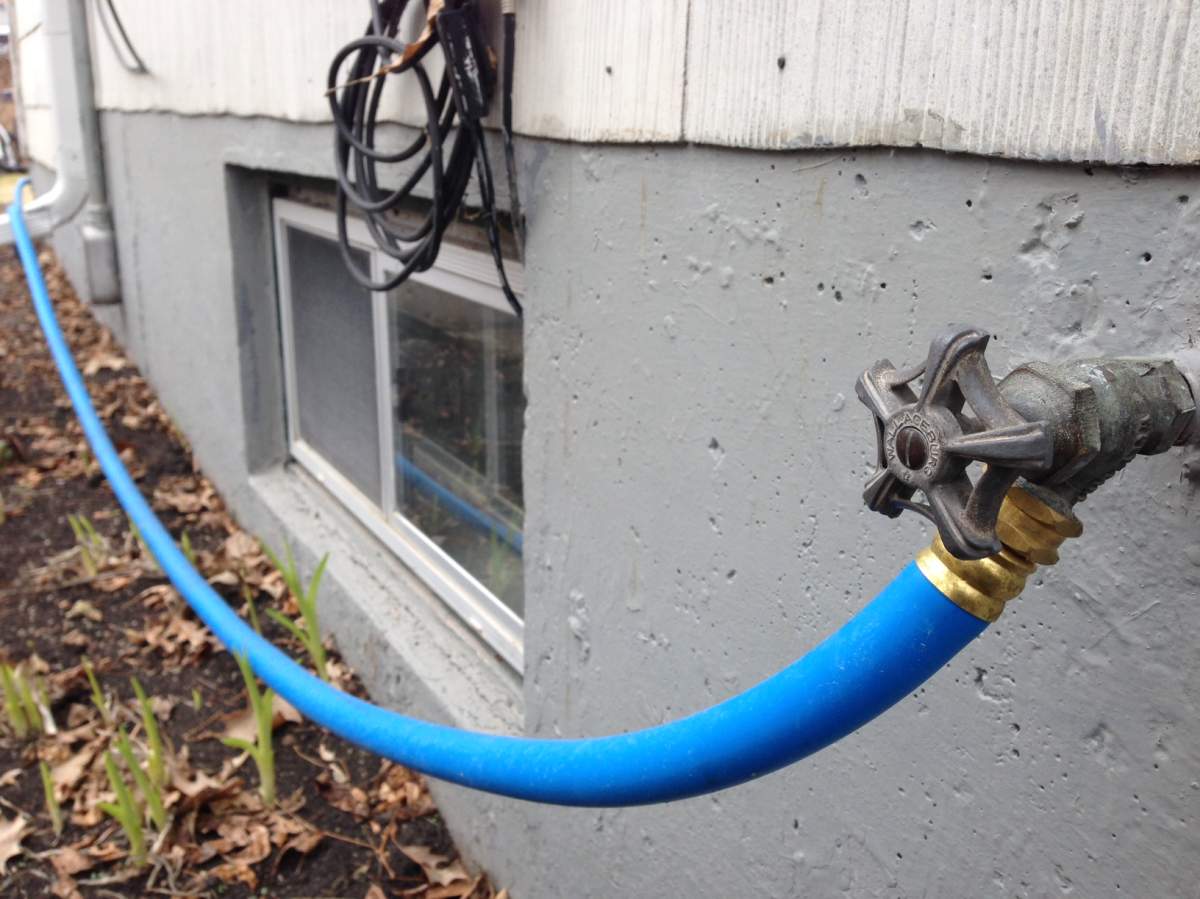
- Insulation of pipes:Pipes that are well insulated or buried below the frost line resist freezing.
- Water composition:Minerals and dissolved substances can lower the freezing point.
Have you checked how deep your well is? Sometimes, shallow wells freeze more quickly, especially if the pipes are exposed to the cold air.
Impact Of Water Movement
Moving water resists freezing better than still water. If your well pump runs regularly, it helps keep water flowing and less likely to freeze. Stagnant water in pipes or storage tanks, however, is more vulnerable to ice formation.
Think about a nearby creek or stream in winter—you rarely see it completely freeze because the water keeps moving. Your well’s water can behave the same way if you maintain regular flow.
Have you considered running your taps slightly during extreme cold to keep water moving? This simple step can prevent freezing and protect your plumbing system.
Credit: globalnews.ca
Risks Of Frozen Well Water
Frozen well water can bring a host of problems that go beyond just inconvenience. Understanding the risks helps you protect your water system and avoid costly repairs. Let’s look at what can happen when well water freezes and how it might affect your home.
Damage To Pipes And Equipment
Water expands as it freezes, putting intense pressure on pipes and equipment. This pressure can cause pipes to crack or burst, leading to leaks and water damage. I’ve seen homeowners face thousands of dollars in repairs just because a frozen pipe was left unnoticed.
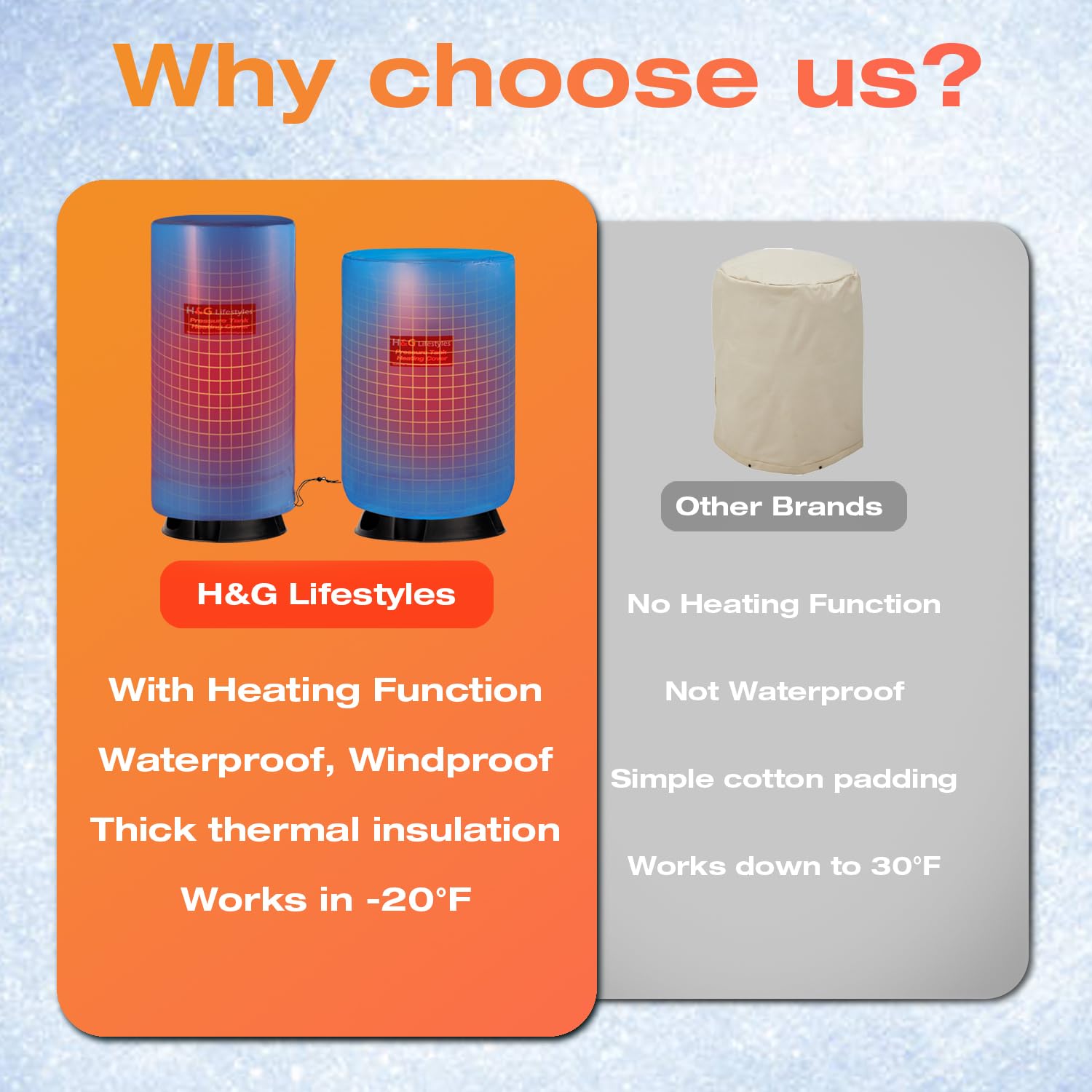
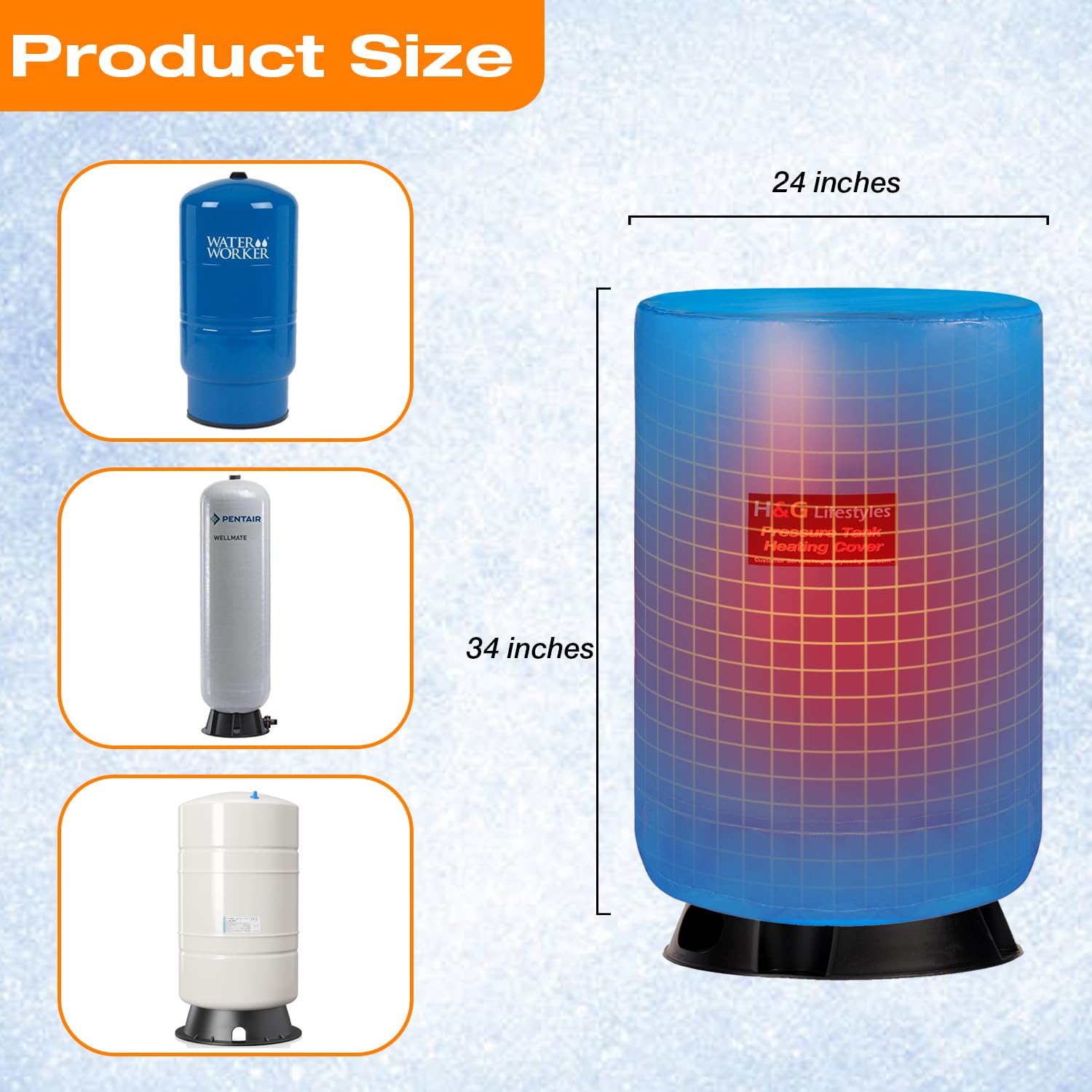
Besides pipes, pumps and pressure tanks can also suffer damage if frozen water blocks their normal operation. Protecting these components with insulation or heat tape is crucial to avoid breakdowns during cold spells.
Water Supply Disruptions
Frozen well water often means no water flow at all. This disrupts daily activities like cooking, cleaning, and hygiene, which can be frustrating and stressful. Imagine waking up to find no water because your well system froze overnight.
Even a partial freeze can reduce water pressure and cause inconsistent supply. It’s important to monitor your system closely during freezing weather to catch problems early.
Health And Safety Concerns
Frozen well water can lead to contamination risks if pipes break and allow dirt or bacteria to enter your water supply. Drinking or using contaminated water can cause serious health issues. You don’t want to risk your family’s health because of a frozen pipe.
Additionally, lack of water for sanitation during a freeze can increase the risk of illness. Keep emergency water supplies handy and consider regular water testing after a freeze to ensure safety.
Preventing Well Water From Freezing
Preventing your well water from freezing is crucial to maintaining a reliable water supply during cold months. Frozen well water can disrupt daily routines and cause costly repairs. Taking proactive steps can save you time, money, and frustration.
Insulating Pipes And Components
Insulation is your first line of defense against freezing. Wrapping pipes with foam sleeves or fiberglass insulation keeps cold air away and retains heat inside the pipes.
Don’t forget to insulate exposed components like the pressure tank and valves. Even a thin layer of insulation can make a big difference in preventing ice buildup.
Have you checked your insulation recently? Damaged or missing insulation leaves pipes vulnerable to cold snaps.
Using Heat Tape And Warmers
Heat tape is an electric cable that you wrap around pipes to keep them warm. It automatically turns on when temperatures drop and switches off when pipes are warm enough.
Heat tape is easy to install and works well for vulnerable sections of your plumbing. Pair it with insulation for maximum effect.
Another option is pipe warmers or heating cables, which provide steady warmth in extreme cold. These tools can be lifesavers during unexpected freezes.
Maintaining Proper Well Depth
The depth of your well affects how likely your water supply is to freeze. Wells drilled below the frost line are naturally protected from freezing temperatures.
If you’re drilling a new well or upgrading, ask your contractor about frost line depths in your area. This simple consideration can prevent freezing issues for years.
Have you ever noticed water flow problems during winter? It might be time to assess if your well is deep enough to avoid freezing.
Winter Maintenance Tips
Winter can be tough on your well water system, especially when freezing temperatures hit. Proper maintenance is key to keeping your water flowing and avoiding costly repairs. Let’s look at some practical tips that help you protect your well during the cold months.
Regular Inspection Routines
Checking your well system regularly helps catch problems before they get worse. Inspect exposed pipes and the wellhead for cracks or damage that could let cold air in. Look for signs of moisture or ice buildup around the system—these can signal leaks or freezing risks.
Make it a habit to test your water pressure and flow weekly. Sudden drops might indicate partial freezing or other issues. Don’t forget to check the insulation on your pipes and replace any that look worn out.
Preparing For Extreme Cold
When temperatures plummet, extra precautions are necessary. Adding insulation sleeves or heat tape to pipes exposed to the cold can prevent freezing. Consider installing a well house heater if you live in an area with harsh winters.
Drain and winterize any outdoor faucets connected to your well to avoid frozen pipes. You can also use foam covers on your well cap to add an extra layer of protection. Have you checked your backup power source? A generator can keep your pump running during power outages.
Emergency Measures During Freeze
If you suspect your well water is freezing, act quickly to minimize damage. Apply warm (not hot) towels or use a hairdryer on vulnerable pipes to gently thaw them. Never use open flames or high heat—they can cause pipe bursts or fire hazards.
Keep faucets dripping slightly during extreme cold snaps to maintain water flow and reduce freezing risk. If your pump stops working, turn off the power and call a professional immediately. Have a plan ready so you’re not caught off guard when winter hits hard.
Signs Of Frozen Well Water
Frozen well water can cause serious issues in cold weather. Knowing the signs helps protect your water supply. Early detection avoids costly repairs and water loss. Watch for these common signals of frozen well water.
Reduced Water Flow
Water may trickle or stop flowing entirely. Pipes can freeze and block water movement. You might notice weak pressure at taps. Slow water flow is a key warning sign. It means ice may be inside the pipes or pump line.
Unusual Noises From Pump
Frozen water can cause strange sounds in your pump. You may hear banging, grinding, or humming noises. These sounds happen as the pump struggles to move water. It can damage the pump if ignored. Listen closely for any odd noises during cold days.
Changes In Water Quality
Frozen pipes can affect water clarity and taste. Water might appear cloudy or have strange colors. You could notice an unusual smell or odd taste. These changes happen because ice affects minerals and sediments. Monitor your water quality for sudden differences.
When To Call A Professional
Knowing when to call a professional about your well water system can save you time, money, and a lot of hassle. Well water freezing issues can sometimes be simple to fix, but other times they signal deeper problems that need expert attention. Recognizing the signs that require professional help will keep your water flowing and your home safe during cold months.
Identifying Serious Issues
Is your water pressure dropping suddenly or completely gone? These can be signs of frozen pipes or damage in your well system that you shouldn’t ignore. If you notice cracks in pipes or unusual noises near your well, it’s time to call a professional immediately.
Sometimes, the problem isn’t just freezing; it could be electrical issues with your pump or a malfunctioning pressure tank. Don’t risk worsening the damage by trying to fix these yourself.
Repair And Thawing Services
Professionals have the right tools to safely thaw frozen pipes without causing cracks or bursts. They can also repair damaged parts quickly to restore your water supply.
Attempting to thaw pipes with a hairdryer or open flame can be dangerous and ineffective. Experts use controlled heat and specialized equipment designed for well systems.
Preventive Professional Support
Regular check-ups from a well water expert can catch freezing risks before they become emergencies. They can install insulation, heat tape, or other solutions tailored for your well setup.
Have you ever thought about scheduling a winterization service before the cold hits? This simple step can prevent costly repairs and keep your water flowing smoothly all season long.
Credit: www.amazon.ca
Frequently Asked Questions
Can Well Water Freeze In Winter?
Yes, well water can freeze if exposed to temperatures below 32°F (0°C). Proper insulation and heating prevent freezing.
What Causes Well Water Pipes To Freeze?
Freezing occurs when cold air reaches unprotected pipes. Lack of insulation and prolonged cold increases the risk.
How To Prevent Well Water From Freezing?
Insulate pipes, use heat tape, and maintain warm temperatures around the well area to prevent freezing.
Does Freezing Damage Well Water Systems?
Yes, freezing can cause pipes to burst and damage pumps, leading to costly repairs and water supply issues.
Conclusion
Well water can freeze in very cold weather. This can cause pipes to crack and stop water flow. Protect your well with insulation and heat tape. Check your system often during winter months. Taking simple steps can prevent costly damage.
Stay prepared to keep water running smoothly. Cold temperatures require extra care and attention. Don’t wait until pipes freeze to act. Safe water means a warm, worry-free home.