Have you ever wondered if your fire extinguisher might freeze during those chilly winter months? This is a question that might not cross your mind until an emergency arises, leaving you unprepared.
Understanding whether your fire extinguisher can freeze is crucial, especially if you live in an area with harsh winter conditions. You want to ensure your safety equipment is always ready to perform when you need it most. You’ll discover what happens to fire extinguishers in cold weather, how to protect them, and why this matters for your safety and peace of mind.
Stick around, because this could be the key to ensuring your home is safe all year round.
How Fire Extinguishers Work
Fire extinguishers are vital safety tools designed to stop small fires quickly. They work by releasing substances that cool the fire, remove oxygen, or block the chemical reactions fueling flames. Understanding how they work helps in using them effectively during emergencies.
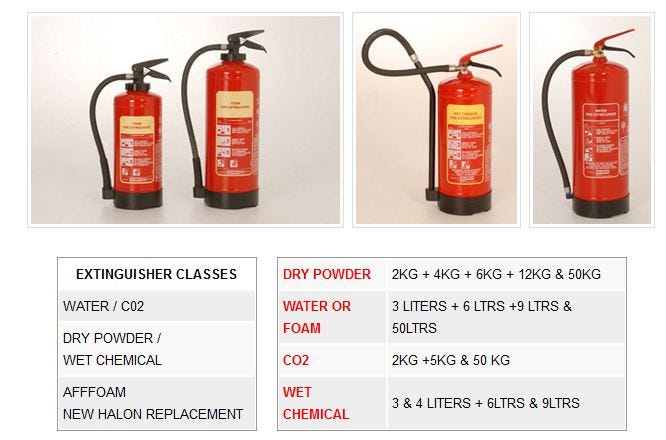
Types Of Fire Extinguishers
Different fires need different extinguishers. Common types include:
- Water Extinguishers:Best for wood, paper, and cloth fires.
- Foam Extinguishers:Used on flammable liquids like gasoline.
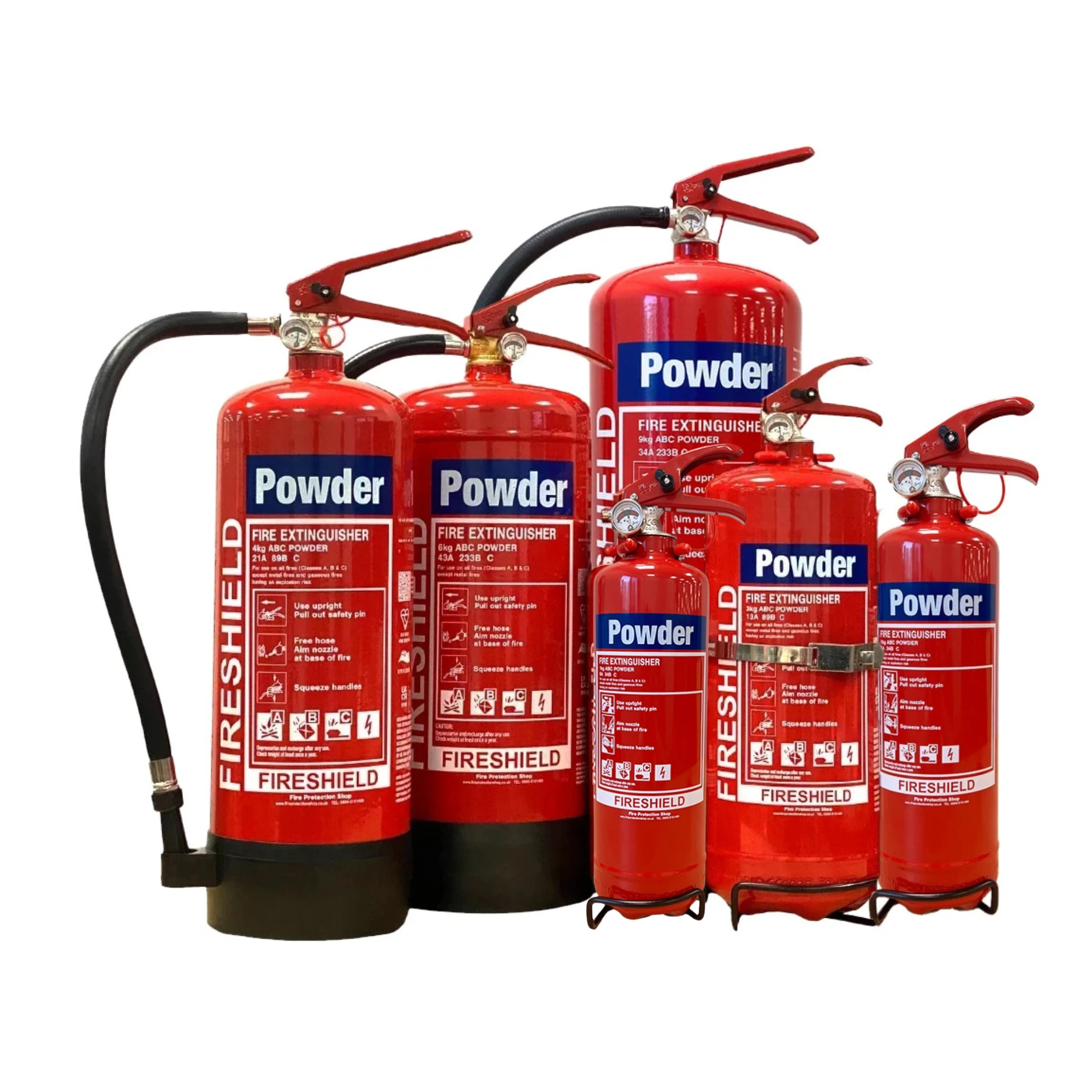
- Dry Chemical Extinguishers:Effective on electrical fires and most flammable materials.
- CO2Extinguishers:Ideal for electrical fires and small flammable liquid fires.
Each type targets fire differently, ensuring the best chance to stop it safely.
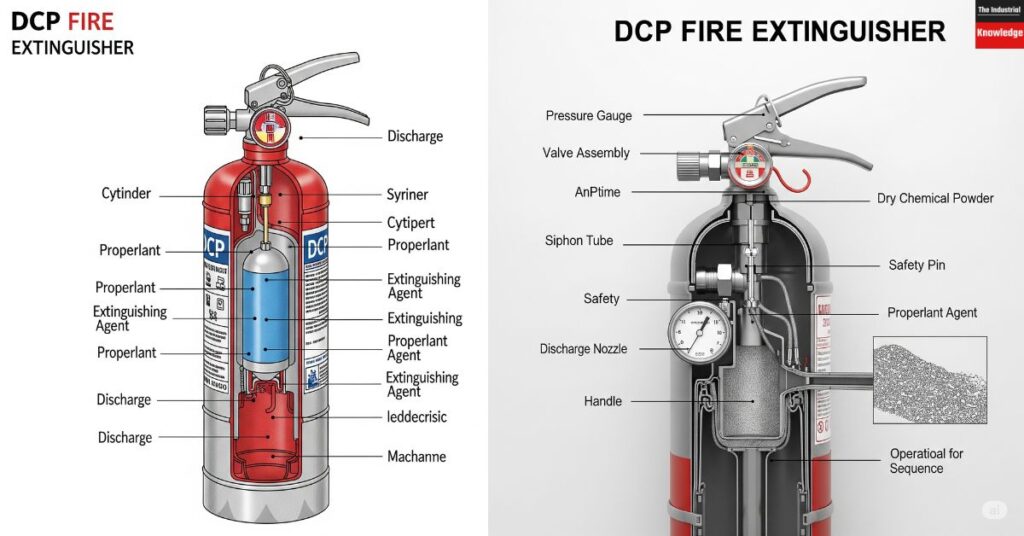
Internal Components
Inside a fire extinguisher, several parts work together:
- Cylinder:Holds the extinguishing agent.
- Handle and Trigger:Used to activate the extinguisher.
- Hose or Nozzle:Directs the agent onto the fire.
- Pressure Gauge:Shows if the extinguisher is ready to use.
These parts ensure the extinguisher releases the agent effectively.
Pressure And Propellant
Fire extinguishers rely on pressure to release the extinguishing agent fast. A propellant gas inside the cylinder pushes the agent out. This pressure must stay within safe limits for the extinguisher to work properly. Low temperatures can affect this pressure, which may impact performance.

Credit: www.checkpointgroup.com.au
Freezing Risks For Fire Extinguishers
Fire extinguishers play a vital role in safety, but cold weather can pose risks. Freezing temperatures may harm the extinguisher’s materials and reduce its effectiveness. Understanding these freezing risks helps in proper storage and maintenance.
Temperature Thresholds
Most fire extinguishers have a minimum operating temperature. This threshold varies by type but usually falls between 32°F (0°C) and 55°F (13°C). Temperatures below this range can cause freezing. The risk grows stronger as temperatures drop further.
Effects Of Freezing On Performance
Freezing can damage the extinguisher’s internal components. The extinguishing agent may thicken or solidify. This change reduces pressure inside the canister. When pressure drops, the extinguisher may not spray properly. Freezing also causes the cylinder to crack or leak. This damage leads to failure during emergencies.
Common Vulnerable Types
- Water-based extinguishers are most vulnerable to freezing.
- Foam extinguishers can also freeze and lose pressure.
- Dry chemical extinguishers are less likely to freeze but still need care.
- Carbon dioxide extinguishers are usually safe from freezing risks.
Preventing Fire Extinguisher Freezing
Fire extinguishers can freeze in very cold temperatures, which may affect their performance. Preventing freezing is important to keep them ready for use. Simple steps can protect extinguishers from cold damage and ensure they work properly.
Proper Storage Conditions
Store fire extinguishers in places above freezing point. Avoid areas exposed to wind or rain. Use heated rooms or insulated cabinets for outdoor storage. Keep them off cold floors and away from windows. Regularly check the temperature where extinguishers are kept.
Insulation Techniques
Wrap extinguishers in insulating materials during cold months. Use foam covers or thermal blankets designed for fire equipment. Create barriers with weatherproof boxes or enclosures. These methods reduce exposure to freezing air. Insulation keeps the extinguisher’s contents at a safe temperature.
Maintenance Tips
Check extinguishers often for signs of freezing or damage. Test pressure gauges regularly to ensure proper function. Replace damaged seals or parts immediately. Keep a maintenance log to track inspections and repairs. Prompt attention helps prevent malfunction caused by cold weather.
Signs Of Freeze Damage
Fire extinguishers can be vulnerable to freezing temperatures. Freeze damage may reduce their effectiveness during emergencies. Spotting signs early helps ensure safety and proper function. Recognize physical changes and operational problems caused by freezing.
Physical Indicators
- Cracks or bulges on the extinguisher body
- Frost or ice buildup on the cylinder
- Discoloration or rust spots on the metal parts
- Damaged or brittle hoses and seals
- Loose or broken pressure gauge needle
Operational Issues
- Difficulty in pulling the safety pin
- Slow or no discharge of the extinguishing agent
- Weak spray or irregular flow pattern
- Pressure gauge showing low or fluctuating pressure
- Hissing sound indicating leaks or pressure loss
When To Replace
Replace the extinguisher if physical damage affects its integrity. Operational failure or inconsistent pressure also signals replacement. Regularly check after cold seasons or exposure to freezing. Consult a professional if unsure about the extinguisher’s condition.
Emergency Use In Cold Weather
Using a fire extinguisher in cold weather can be challenging. You might wonder if freezing temperatures affect its performance or safety. Understanding how fire extinguishers behave in cold environments helps you stay prepared and effective during emergencies.
Effectiveness At Low Temperatures
Most standard fire extinguishers contain chemicals or powders that remain effective even in cold weather. However, extreme cold can cause some extinguishing agents to become less responsive. For instance, water-based extinguishers may freeze, rendering them useless when you need them the most.
Have you ever tried to use a frozen extinguisher and found it didn’t work? This is why it’s important to know the type of extinguisher you have and its temperature limits. Many models are rated to function down to -20°F (-29°C), but beyond that, their reliability drops.
Precautions During Use
Before you use a fire extinguisher in cold weather, check its pressure gauge and physical condition. A frozen or damaged extinguisher can fail or cause injury. Always store extinguishers indoors or in insulated enclosures to prevent freezing.
If you must use an extinguisher outdoors in freezing temperatures, warm it briefly in your hands or near your body before activating. This small step can make a big difference in performance. Remember, safety comes first—if the extinguisher feels frozen solid, wait for it to thaw if possible.
Alternative Solutions
If you live in a very cold climate, consider fire extinguishers designed specifically for low temperatures. These often use dry chemical agents that won’t freeze, such as ABC or BC type extinguishers. They’re a smart investment for homes or vehicles exposed to harsh winter weather.
- Keep fire blankets handy as a backup in cold conditions.
- Install smoke and heat detectors to alert you early, reducing reliance on extinguishers in freezing weather.
- Regularly inspect and maintain your fire safety equipment to ensure readiness.
Are you prepared with the right tools for fire emergencies in winter? Taking simple steps today can protect your home and loved ones tomorrow.
Credit: www.fireprotectionshop.co.uk
Credit: theindustrialknowledge.in
Frequently Asked Questions
Can Fire Extinguishers Freeze In Cold Weather?
Fire extinguishers can freeze if exposed to extremely low temperatures. Water-based extinguishers are most at risk. Freezing damages their effectiveness and can cause malfunction during use.
What Happens If A Fire Extinguisher Freezes?
Freezing can cause the extinguisher’s contents to expand and damage the cylinder. This leads to leaks or failure when needed. It also reduces pressure, making the extinguisher unreliable.
How To Prevent Fire Extinguishers From Freezing?
Store extinguishers indoors or in heated areas during winter. Use insulated covers for outdoor units. Regularly check pressure and condition, especially in cold climates.
Do All Fire Extinguishers Freeze The Same Way?
No, water-based extinguishers freeze easily. Dry chemical and CO2 types resist freezing better. Knowing the extinguisher type helps in proper storage and maintenance.
Conclusion
Fire extinguishers can freeze in very cold weather. Frozen extinguishers may not work well in emergencies. It is smart to store them in warm places. Check your extinguisher regularly for any damage. Keep them ready to use at all times.
Knowing how cold affects them helps keep you safe. Stay prepared, and protect your home or workplace. Safety starts with simple steps and good care.