
Have you ever found yourself with more salmon than you can eat in one sitting? Freezing salmon is a fantastic way to preserve its freshness and enjoy it whenever you want.
But, how do you freeze salmon without losing its taste and texture? Don’t worry; you’re not alone in seeking answers. You’ll discover simple, effective methods to freeze salmon, ensuring it remains as delicious as the day you bought it. Stick around, and you’ll learn tips that can save you money and make meal prep a breeze.
Ready to unlock the secrets of perfectly frozen salmon? Let’s dive in!
Choosing Fresh Salmon
Choosing fresh salmon is crucial before freezing it. Fresh fish keeps its flavor and texture better after freezing. Picking the right salmon ensures a tasty and safe meal later.
Signs Of Freshness
- Clear, bright eyes that are not cloudy or sunken
- Firm flesh that springs back when pressed gently
- Moist skin with a natural shine, not slimy or dry
- Mild, clean smell without any strong fishy odor
- Red or pink gills, not brown or gray
Types Of Salmon To Freeze
| Type | Best for Freezing | Notes |
|---|---|---|
| Atlantic Salmon | Excellent | Commonly farmed, mild flavor, freezes well |
| Chinook (King) Salmon | Very Good | Rich, buttery taste, holds texture after freezing |
| Coho (Silver) Salmon | Good | Light flavor, freezes nicely if fresh |
| Pink Salmon | Fair | Smaller fish, best used soon after freezing |
| Sockeye (Red) Salmon | Very Good | Deep color, firm texture, freezes well |
Credit: knowseafood.com
Preparing Salmon For Freezing
Preparing salmon for freezing is key to keeping it fresh and tasty. Proper prep stops freezer burn and keeps flavors locked in. Simple steps like cleaning and portioning make freezing easier and more effective.
Cleaning And Trimming
Start by rinsing the salmon under cold water. Pat it dry with paper towels to remove moisture. Remove any scales left on the skin using a knife or scaler. Trim off fins and any dark or fatty parts for better taste. Check for bones and pull them out with tweezers. Clean fish freezes better and lasts longer.
Portioning For Convenience
Cut the salmon into meal-sized portions. This helps you thaw only what you need later. Wrap each piece tightly in plastic wrap to keep air out. Use freezer bags or airtight containers for extra protection. Label each package with the date to track freshness. Small portions save time and reduce waste.
Freezing Methods
Freezing salmon properly keeps its flavor fresh and texture firm, making your meals taste just like new. Choosing the right freezing method can prevent freezer burn and maintain quality. Here are some effective ways to freeze salmon that you can try at home.
Using Freezer Bags
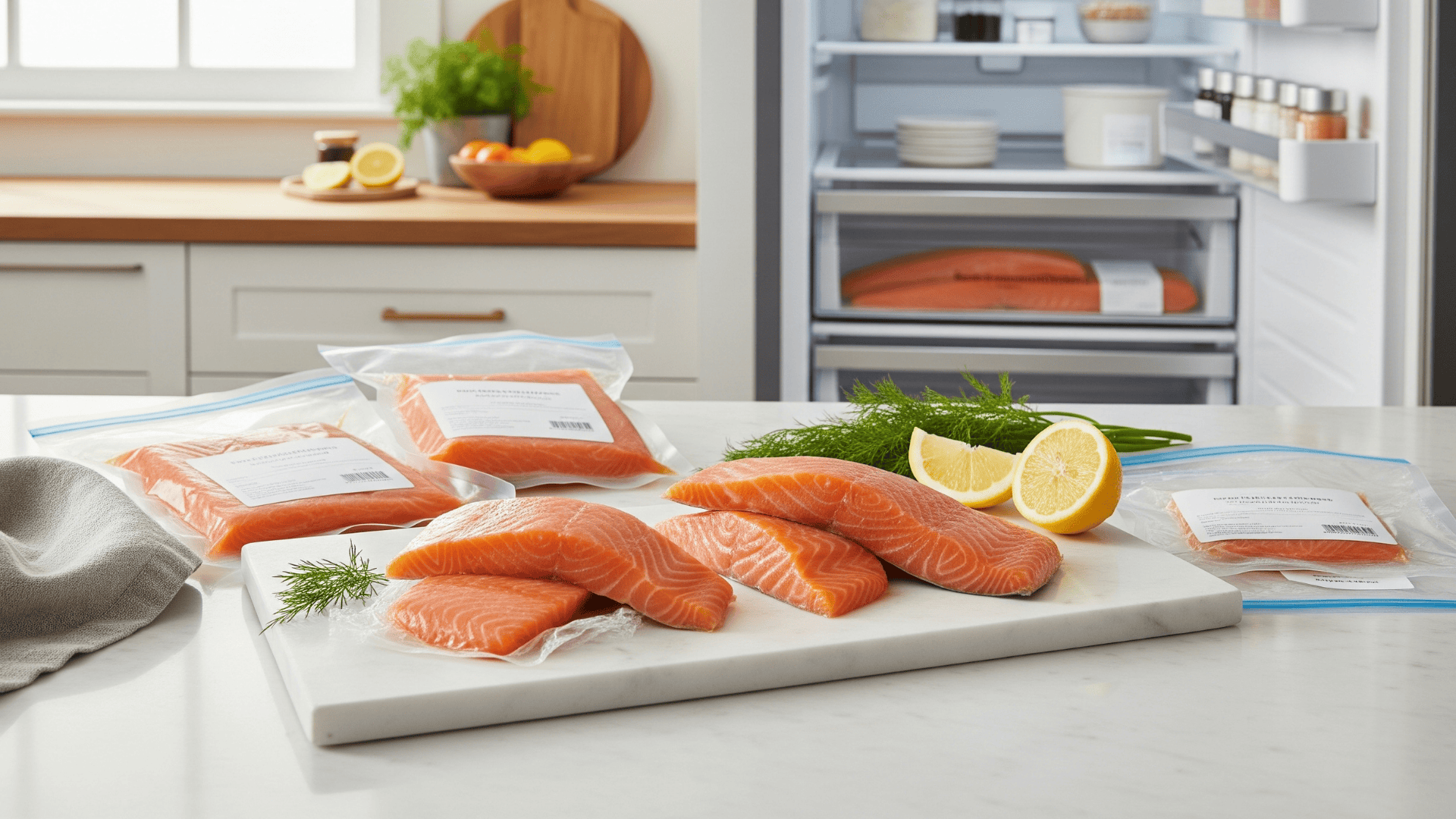
Freezer bags are a simple and accessible option for freezing salmon. Place the fish in a single layer inside the bag, then press out as much air as possible before sealing. This helps reduce ice crystals and keeps the salmon fresher for longer.
Label the bag with the date so you can track how long it’s been stored. If you want extra protection, wrap the salmon in a paper towel before bagging to absorb moisture. Have you noticed how much difference airtight sealing makes in taste after thawing?
Vacuum Sealing
Vacuum sealing removes almost all air around the salmon, offering the best protection against freezer burn. If you have a vacuum sealer, use it to tightly seal portions of salmon individually.
This method locks in moisture and flavor, allowing your salmon to stay fresh for months. It’s especially handy if you buy salmon in bulk or catch your own. Imagine pulling out a perfectly preserved fillet, ready to cook after weeks in the freezer.
Wrapping With Foil And Plastic Wrap
This method requires a bit more care but works well if you don’t have special bags or sealers. First, wrap the salmon tightly in plastic wrap to prevent air exposure.
Next, cover the wrapped fish with a layer of aluminum foil for extra insulation. This double-layer approach slows freezer burn and keeps the salmon’s texture intact. Have you tried this combo before? It’s surprisingly effective for short to medium-term storage.
Credit: blog.outdoorprolink.com
Tips For Maintaining Fresh Flavor
Keeping salmon fresh while frozen requires careful steps. Proper freezing methods lock in the taste and texture. Small actions before freezing make a big difference in flavor. Use these tips to enjoy salmon that tastes almost fresh after thawing.
Removing Air To Prevent Freezer Burn
Air exposure causes freezer burn and dry spots on salmon. Remove as much air as possible to keep the fish moist. Use airtight bags or vacuum sealers for best results. Press out air gently if using plastic bags. Wrap the fish tightly with plastic wrap before placing in bags. This extra layer stops air from reaching the salmon.
Labeling And Dating Packages
Label each package clearly with the date of freezing. This helps track how long the fish stays in the freezer. Use a permanent marker or waterproof labels. Old salmon can lose flavor and texture over time. Rotate packages, using the oldest first. Proper labeling avoids wasting salmon and keeps taste fresh.
Thawing Frozen Salmon
Thawing frozen salmon properly is key to preserving its texture, flavor, and safety. Rushing this process or using the wrong technique can lead to uneven thawing or even spoilage. Let’s explore some effective ways you can thaw your salmon safely and keep it delicious.
Refrigerator Thawing
Thawing salmon in the refrigerator is the safest method. Place your frozen salmon on a plate or shallow dish to catch any drips and leave it in the fridge for 12 to 24 hours. This slow thaw keeps the fish at a safe temperature and prevents bacterial growth.
This method requires planning ahead but guarantees even thawing and maintains the salmon’s freshness. Have you noticed how salmon thawed in the fridge cooks more evenly? That’s because it stays cold and firm until you’re ready to cook.
Cold Water Thawing
If you need to thaw salmon faster, cold water thawing is a practical option. Seal the salmon tightly in a plastic bag, then submerge it in a bowl of cold water. Change the water every 30 minutes to keep it cold.
This method usually takes about 1 to 2 hours depending on the size of the fillet. It’s faster than the fridge but still keeps the fish safe if done correctly. Ever tried thawing salmon this way? It’s a great balance between speed and safety.
Avoiding Microwave Thawing
Microwaving frozen salmon to thaw it can be tempting when you’re in a hurry, but it’s best avoided. Microwaves heat unevenly and can start cooking parts of the salmon while leaving others frozen. This can ruin the texture and cause a dry, rubbery mess.
Microwave thawing also increases the risk of bacteria since some areas may reach unsafe temperatures. Instead, stick to refrigerator or cold water thawing for better results. Do you really want your salmon tasting like a science experiment gone wrong?
Cooking With Frozen Salmon
Cooking with frozen salmon offers convenience without sacrificing flavor or texture. You don’t always need to thaw it first, which saves time and keeps the fish fresh. Understanding how to handle frozen salmon in your cooking can open up quick meal options that are both healthy and delicious.
Cooking Without Thawing
Yes, you can cook salmon straight from the freezer. This method works well for baking, grilling, or pan-searing. Simply increase the cooking time by about 50% compared to fresh salmon, and use a lower heat to ensure even cooking.
Place the frozen fillet on a baking sheet lined with parchment paper or foil. Season it generously with salt, pepper, and your favorite herbs or spices. Cover the salmon loosely with foil to keep it moist as it cooks.
Ever tried salmon baked from frozen? The texture stays firm, and the flavor remains intact. This technique is perfect for those busy nights when you forget to thaw your fish in advance.
Best Recipes For Frozen Salmon
- Baked Lemon Garlic Salmon:Toss frozen salmon with olive oil, lemon juice, garlic, and dill. Bake covered at 400°F (200°C) for about 20-25 minutes.
- Salmon Stir-Fry:Cut frozen salmon into chunks and add directly to your stir-fry pan. Cook with vegetables and a tangy soy sauce-based glaze.
- Salmon Chowder:Add frozen salmon cubes directly into your simmering chowder. The fish cooks through while adding rich flavor.
Which recipe suits your weeknight routine? Try baking lemon garlic salmon if you want something simple but impressive. Or, add salmon chunks to stir-fry for a quick, protein-packed dinner.
Storage Duration And Safety
Freezing salmon is a smart way to keep this nutritious fish fresh for longer periods, but knowing how long it stays safe and tasty is crucial. Proper storage duration and safety checks help you avoid wasting food and protect your health. Let’s break down how long you can keep salmon frozen and what signs tell you it’s time to toss it out.
How Long To Keep Frozen Salmon
Salmon can last quite a while in the freezer, but the quality changes over time. Ideally, keep raw salmon frozen for up to 3 months to enjoy the best flavor and texture. Beyond this period, the fish might still be safe to eat but could develop freezer burn or lose its taste.
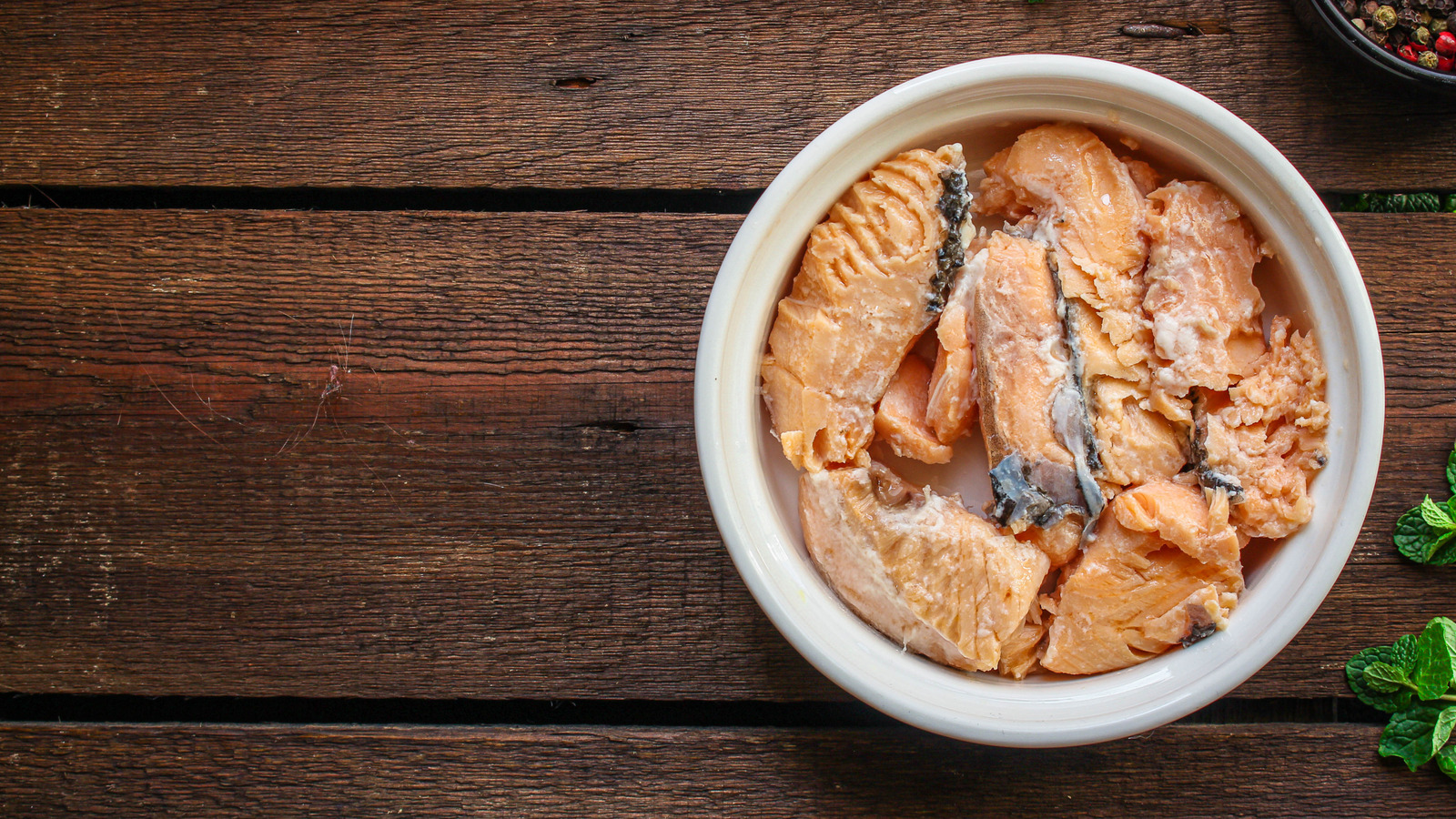
Cooked salmon lasts a bit shorter, around 2 to 3 months, since cooking can affect the fish’s moisture. Always use airtight packaging like vacuum-sealed bags or heavy-duty freezer wraps to prevent air exposure.
Have you ever found salmon in your freezer that looked fine but tasted off? That’s often due to improper storage duration.
Signs Of Spoilage
Knowing how to spot spoiled salmon can save you from an unpleasant meal or, worse, foodborne illness. Here are common signs to watch for:
- Off Smell:Fresh salmon has a mild scent. If it smells sour, rancid, or like ammonia, discard it immediately.
- Discoloration:Look for dull or brownish spots instead of the vibrant pink or orange hues.
- Texture Changes:Slimy or sticky surfaces mean the fish has gone bad. Fresh salmon should feel firm and moist.
- Freezer Burn:White, dry patches appear when salmon isn’t wrapped tightly. While not harmful, freezer burn ruins taste and texture.
Have you noticed these signs on frozen fish before? Trust your senses over the “best by” dates when deciding if salmon is safe.
Credit: www.chowhound.com
Frequently Asked Questions
How Long Can You Freeze Salmon Safely?
You can freeze salmon for up to 3 months. Keep it tightly wrapped in plastic or vacuum-sealed. Proper freezing preserves freshness and flavor. After thawing, consume it quickly for best quality and safety.
What Is The Best Way To Freeze Salmon?
Wrap salmon tightly in plastic wrap or aluminum foil. Then place it in a freezer bag, removing excess air. Label with date to track storage time. Freeze immediately to lock in freshness and prevent freezer burn.
Can You Freeze Cooked Salmon?
Yes, cooked salmon can be frozen. Cool it completely before wrapping tightly in foil or airtight containers. Consume within 2-3 months for best taste and texture. Thaw slowly in the fridge before reheating.
Should You Freeze Salmon With Skin On?
Freezing salmon with skin on helps protect the flesh. It acts as a natural barrier against freezer burn. You can remove the skin after thawing or before cooking. This method keeps the salmon moist and flavorful.
Conclusion
Freezing salmon keeps it fresh for longer periods. Wrap it tightly to avoid freezer burn. Use airtight containers or freezer bags for best results. Label the package with the date to track storage time. Thaw salmon slowly in the refrigerator before cooking.
This method preserves flavor and texture well. Proper freezing helps reduce food waste at home. You can enjoy salmon anytime with simple freezing steps. Try these tips to keep your salmon fresh and tasty.