
Are you tired of opening your freezer only to find that the labels have fallen off your containers, leaving you guessing what’s inside? You’re not alone.
Finding the right tape for your freezer can be a game-changer, saving you time and frustration. But with so many options out there, how do you know which one will withstand the cold without peeling off or losing its adhesive power?
We’ll explore the best types of tape that can survive the icy conditions of your freezer, ensuring your food stays organized and your labels stay put. Get ready to transform your freezer organization from chaos to clarity!

Credit: www.amazon.com
Types Of Cold-resistant Tapes
Choosing the right tape for freezer use can be tricky because the tape needs to withstand cold temperatures without losing its stickiness or becoming brittle. Different tapes have different properties that make them suitable for low temperatures. Let’s look at the types of cold-resistant tapes so you can pick the best one for your needs.
Pvc Tapes
PVC tapes are popular for general-purpose use and offer decent resistance to cold. They stay flexible even when temperatures drop, which helps them keep a strong hold on surfaces.
If you need tape for labeling or sealing plastic bags in the freezer, PVC tape can be a reliable choice. Just check the temperature range on the packaging to make sure it suits your freezer conditions.
Foil Tapes
Foil tapes are excellent for very cold environments because they resist moisture and extreme temperatures well. Their metal surface reflects heat and cold, helping to protect wrapped items.
They are often used in HVAC systems and freezer repairs. If you want a tape that can handle freezing cold without peeling, foil tape is a smart option.
Duct Tapes
Duct tape is known for its strength and versatility, but not all duct tapes perform well in the freezer. Some lose adhesion when exposed to cold, while heavy-duty varieties can hold up better.
Look for duct tapes labeled as cold-resistant or freezer-grade. These can secure boxes or repairs in your freezer effectively.
Silicone Tapes
Silicone tapes shine in extreme temperatures, including freezing conditions. Their rubber-like material stretches and sticks without adhesive, which means no residue is left behind.
If you want a tape that’s easy to remove and won’t crack in the cold, silicone tape is worth trying. It’s especially handy for temporary fixes.
Polyester Tapes
Polyester tapes are thin, strong, and resist cold temperatures well. They are often used for electrical insulation in freezers and other cold equipment.
Because of their durability, polyester tapes can handle repeated exposure to cold and moisture. Consider this type if you need a tape that lasts long in chilly conditions.
Key Features For Freezer Tapes
Choosing the right tape for freezer use depends on specific features. Freezer tapes must withstand cold temperatures and stay strong. They also need to resist moisture and remain flexible. Durability is important for lasting performance in harsh conditions. Understanding these key features helps pick the best tape for freezer needs.
Temperature Range
Freezer tapes must work well at very low temperatures. They often stay effective from -20°F to -60°F or lower. This prevents the tape from freezing or losing stickiness. Tapes with a wide temperature range perform well in both freezing and thawing cycles.
Adhesion Strength
Strong adhesion ensures the tape sticks firmly to surfaces. It should bond well to cold, frosty, or rough surfaces. Good adhesion prevents the tape from peeling off in the freezer. This keeps packages sealed and protected.
Moisture Resistance
Freezer tapes must resist water and ice buildup. Moisture resistance stops the tape from becoming soft or losing hold. It also prevents damage caused by frost and condensation. This feature keeps the tape reliable in wet freezer environments.
Flexibility In Cold
Flexibility lets the tape bend without cracking in freezing temperatures. Flexible tapes conform to uneven surfaces and shrink-wraps. This makes sealing boxes and bags easier in cold storage. It also helps the tape stay intact over time.
Durability
Durable freezer tape resists tearing, cracking, and wear. It holds up during handling and storage in freezers. Long-lasting tapes reduce the need for re-taping or repairs. Durability supports consistent protection for frozen items.
Common Uses In Freezers
Using tape in freezers might seem straightforward, but the right kind of tape can make a big difference in how well your freezer items stay protected and organized. Different tapes serve unique purposes under freezing conditions, from fixing cracks to marking contents clearly. Understanding these common uses helps you choose tape that lasts and performs well in cold environments.
Sealing And Repairs
Freezer tape is perfect for sealing small cracks or gaps in freezer doors and containers. It holds up against moisture and extreme cold without peeling off easily. If you’ve ever dealt with frost buildup, you know how important a tight seal is to keep your freezer efficient.
Have you noticed how some tapes fail after a few days in cold conditions? Freezer tape is designed to stay sticky and flexible, preventing air leaks that cause frost. Using it for quick repairs can save you from costly freezer malfunctions.
Labeling
Labeling frozen foods is essential, especially when you want to track freshness or contents quickly. Freezer tape with writable surfaces allows you to add dates and notes that won’t smudge or fade. This keeps your freezer organized and reduces food waste.
Think about those times when you couldn’t tell what was inside a container. With the right tape, you can write clearly using a permanent marker that stays legible even after weeks in the freezer. It’s a small step that makes a big difference.
Insulation
Some tapes provide an extra layer of insulation by sealing gaps around pipes or freezer walls. This helps maintain consistent temperatures and prevents energy loss. If your freezer struggles to stay cold, adding insulation tape could improve efficiency.
Have you ever felt cold air escaping from your freezer’s edges? Insulation tape helps plug those leaks. It’s flexible and resistant to cracking, making it ideal for long-term use in chilly environments.
Packaging
Securing packages and frozen goods with freezer tape ensures they stay intact during storage and transport. Unlike regular tape, freezer tape won’t become brittle or lose adhesion when exposed to freezing temperatures. This keeps your items protected and easy to handle.
When sending frozen food or storing leftovers, using the right tape prevents spills and freezer burn. You’ll avoid messy situations and keep your freezer neat. What’s your experience with packaging frozen goods—has tape ever let you down?
Credit: www.gianteagle.com
Choosing The Right Tape
Choosing the right tape for freezer use is important. It ensures the tape sticks well and lasts long. Different tapes work better in cold and moist conditions. Picking the correct tape keeps packages sealed and safe.
Assessing Freezer Conditions
Check the freezer’s temperature and moisture levels. Freezers often have very low temperatures. Moisture or frost can make tape lose its stickiness. Choose tape that works well in cold and damp environments. Some tapes are specially made for freezing conditions.
Matching Tape Properties
Consider the tape’s material and adhesive type. Vinyl and acrylic tapes handle cold better than regular tapes. Look for tapes that stay flexible at low temperatures. Strong adhesive helps tape stick to cold, rough, or icy surfaces. Also, check if the tape resists moisture and freezing.
Budget Considerations
Balance quality and cost when choosing freezer tape. High-quality tapes last longer and reduce package damage. Cheaper tapes may peel off or lose grip in cold. Think about how often you need to use the tape. Buying in bulk can save money for frequent use.
Tips For Applying Tape In Cold Environments
Applying tape in cold environments like freezers can be tricky. The cold affects the tape’s adhesive and surface bonding. To get the best results, you need to prepare properly and use the right techniques.
Surface Preparation
Cold surfaces often have frost or moisture, which can prevent tape from sticking well. Always wipe the area with a dry cloth before applying tape. If possible, warm the surface slightly using your hands or a heat source to remove any residual moisture.
Check for any dust or debris that might be trapped under the tape. Even tiny particles can reduce adhesion, especially in freezing conditions where the adhesive becomes less flexible.
Application Techniques
Peeling the tape slowly helps maintain its stickiness. Press the tape firmly onto the surface, using your fingers or a flat tool to ensure full contact. Avoid stretching the tape during application, as cold environments make it more brittle and prone to tearing.
Consider using tapes designed for low temperatures, like vinyl or polyethylene tapes. These tapes stay flexible and sticky even at freezing temperatures. Have you tried applying tape with gloves on? It might reduce your dexterity, so remove gloves if possible for better control.
Storage Recommendations
Store your tape rolls at room temperature before use. Cold storage can make the adhesive hard and less effective. If your tape has been in the freezer, let it sit at room temperature for at least 30 minutes before applying.
Keep tape away from direct sunlight or heat sources after removal from cold storage. Rapid temperature changes can cause condensation, which affects adhesion. Do you keep your tape organized by temperature zones? It can save you time and frustration during your projects.
Credit: www.amazon.com
Brands Known For Cold-resistant Tapes
Cold-resistant tapes must hold strong in freezing temperatures without losing stickiness. Choosing the right brand is key for reliable performance in freezers. Several brands offer tapes designed to endure extreme cold and moisture. These tapes prevent peeling and cracking, even after long freezer exposure.
Below are some well-known brands known for their cold-resistant tape options. Each brand brings unique features suited for freezer use.
3m
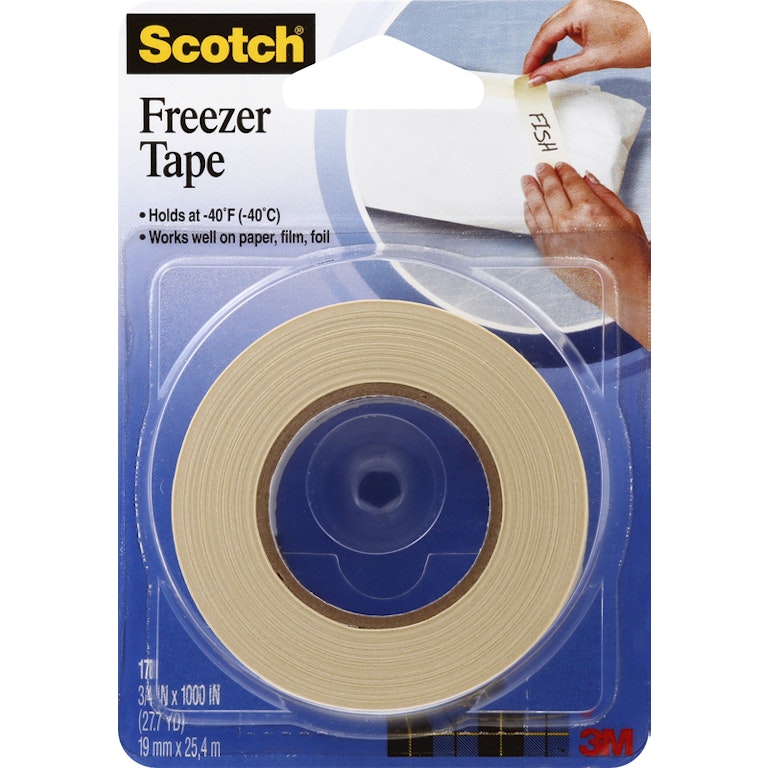
3M produces durable tapes that resist cold and moisture effectively. Their freezer tapes maintain adhesion at temperatures as low as -30°F. These tapes are often used in packaging and sealing frozen goods. 3M tapes are trusted for strong bonds and long-lasting performance.
Nashua
Nashua offers tapes designed for cold storage and freezer applications. Their cold-resistant tapes stick well on frosty surfaces. Nashua tapes also resist moisture and remain flexible in freezing conditions. They provide secure sealing for frozen packages and containers.
Scotch
Scotch brand includes freezer-safe tapes that handle low temperatures without cracking. These tapes provide reliable adhesion on cold and damp surfaces. Scotch freezer tapes are easy to tear and apply. They work well for labeling and sealing in freezer environments.
Gorilla
Gorilla tape is known for strong, weather-resistant adhesion. Their cold-resistant tape variants hold up in freezing temperatures. Gorilla tapes offer extra strength and durability for tough freezer jobs. They provide a firm seal on rough or cold surfaces.
Frequently Asked Questions
What Type Of Tape Works Best In Freezers?
Freezer tape or cold-resistant tape works best. It resists moisture, freezing temperatures, and stays sticky without cracking or peeling. Use tapes labeled for low temperatures to ensure durability and reliability in freezer conditions.
Can Regular Duct Tape Be Used In Freezers?
Regular duct tape is not ideal for freezers. It loses adhesion, becomes brittle, and peels off due to cold and moisture. Specialized freezer tape is recommended for lasting performance in freezing environments.
How Long Does Freezer Tape Last In Cold Conditions?
Freezer tape can last several months to years depending on quality. High-grade freezer tape maintains adhesion and flexibility despite moisture and freezing temperatures. Check product specifications for expected durability under freezer conditions.
Is Masking Tape Suitable For Freezer Use?
Masking tape is not suitable for freezers. It loses stickiness and can peel off quickly due to cold and moisture. Use freezer-specific tapes designed to withstand low temperatures for effective sealing.
Conclusion
Choosing the right tape for the freezer matters a lot. Not all tapes hold well in cold and moisture. Look for freezer-safe tapes that resist frost and stay sticky. Clear, strong, and waterproof tapes work best. Using the right tape keeps your food labels clear and secure.
It saves time and avoids mess. Keep your freezer organized and your items easy to find. Simple choices make a big difference in daily kitchen tasks. Always pick tapes designed for cold conditions to get the best results.