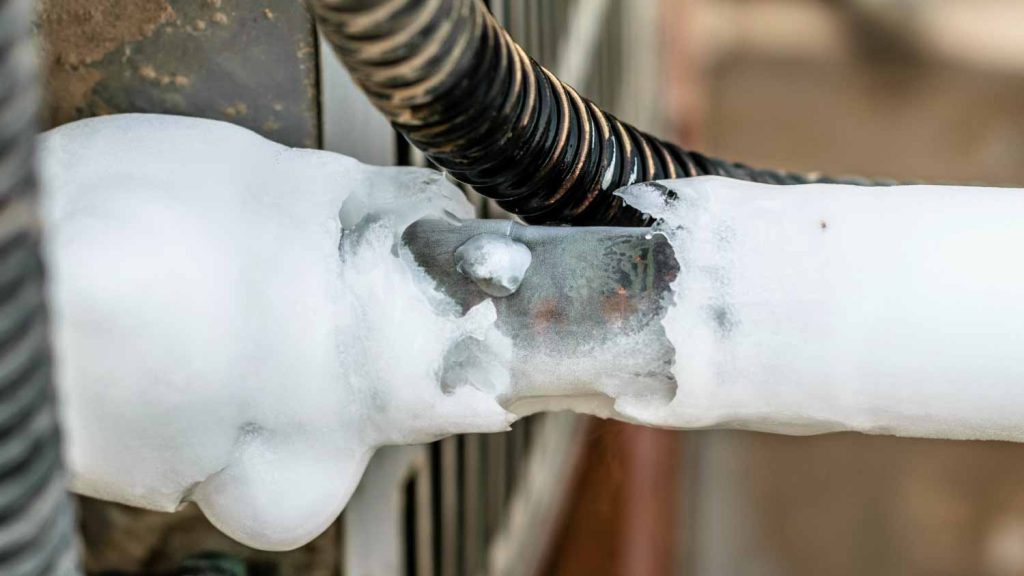
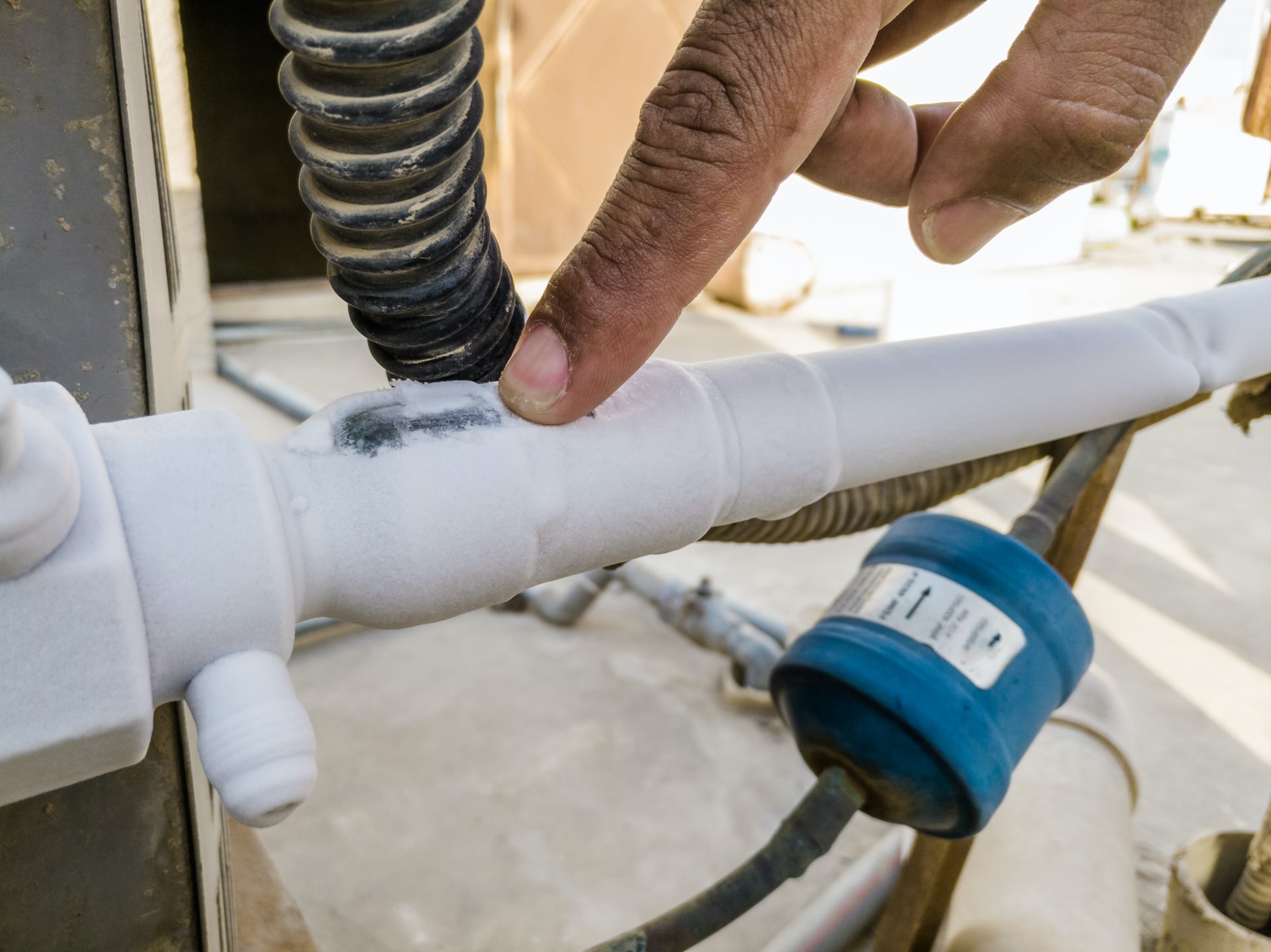
Have you ever noticed that your air conditioner isn’t cooling your home as it should, or maybe you’ve spotted ice forming on its pipes? You might be puzzled, wondering why those pipes, which should be handling the hot air from your home, are turning into icicles.
This problem can be more than just a mystery; it can signal underlying issues that might affect your comfort and energy bills. Understanding why air conditioner pipes freeze is crucial for maintaining an efficient cooling system. You deserve to enjoy a cool, comfortable home without the stress of unexpected issues.
Stick around, and you’ll uncover the common culprits behind this chilly problem and how to prevent them, ensuring your air conditioner works at its best.
Credit: www.topnotchheatingandair.com
Common Causes Of Ac Pipe Freezing
Frozen AC pipes can be frustrating, especially when you rely on your air conditioner to keep your home comfortable. Understanding the common causes of this problem can help you prevent damage and save on costly repairs. Let’s dive into the main reasons why your AC pipes might be freezing.
Low Refrigerant Levels
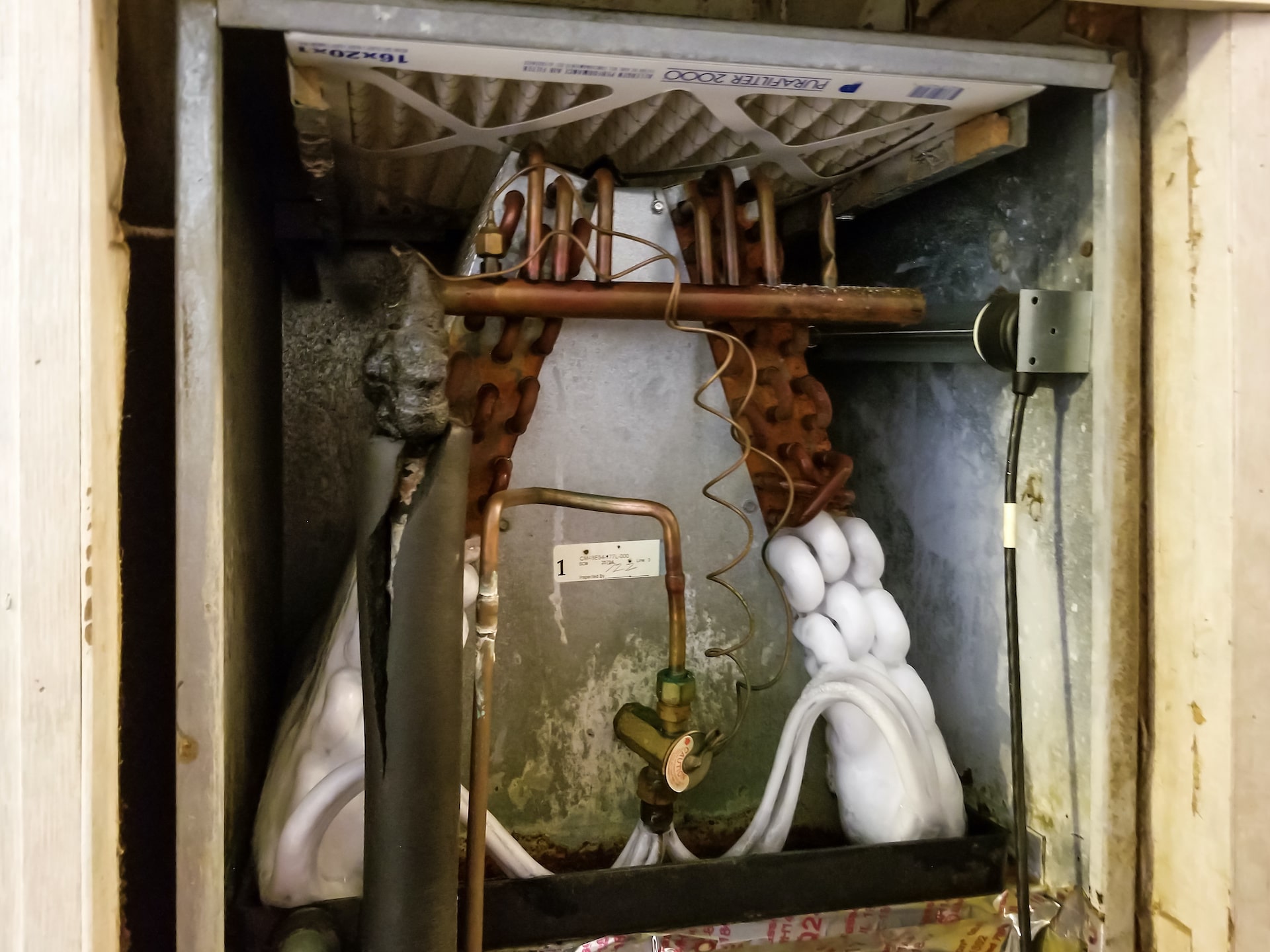
When your AC is low on refrigerant, the pressure in the system drops. This causes the evaporator coil to get too cold, which can freeze the moisture in the air around the pipes. Have you ever noticed your unit leaking or running inefficiently? That’s often a sign your refrigerant needs checking.
Poor Airflow Issues
Airflow is crucial for your AC to work properly. If air isn’t flowing over the evaporator coil as it should, the coil can get too cold and cause freezing. Think about times when your rooms don’t feel evenly cooled – it could be an airflow problem affecting your AC pipes.
Dirty Air Filters
Dirty filters block air from moving freely through your system. This restriction lowers airflow and causes the coil to freeze. If you haven’t changed your air filter in a while, this simple fix might be all you need to stop the freezing.
Thermostat Settings
Setting your thermostat too low can cause your AC to work harder than it needs to. This can make the pipes freeze because the system is running nonstop without enough warm air passing over the coils. Have you ever cranked the temperature down on a hot day only to find your unit struggling? That’s a red flag.
Blocked Or Closed Vents
Closing or blocking vents might seem like a good way to save energy, but it actually restricts airflow. Less airflow means the evaporator coil can get too cold and freeze the pipes. Check your vents regularly to make sure they’re open and unobstructed.
Faulty Blower Fan
The blower fan moves air over the evaporator coil. If it’s malfunctioning, the coil won’t get enough warm air, leading to freezing. Does your AC sound different or weaker than usual? That noise might be a sign the blower fan needs attention.
Effects Of Frozen Ac Pipes
Frozen AC pipes are more than just a minor inconvenience—they can seriously affect how your air conditioner works. When pipes freeze, the whole system struggles to keep your home comfortable. Understanding these effects can help you spot problems early and avoid costly repairs.
Reduced Cooling Efficiency
When your AC pipes freeze, the flow of refrigerant slows down or stops. This means your air conditioner can’t cool your home as effectively as it should. You might notice your rooms aren’t getting as cold, even though the unit runs longer and harder.
Have you ever felt your AC blowing warm or only slightly cool air during a heatwave? That’s often a sign of frozen pipes limiting the system’s cooling power. Ignoring this can make your living space uncomfortable and frustrating.
Potential System Damage
Frozen pipes put extra strain on your AC’s compressor and other components. This stress can lead to breakdowns or even permanent damage. For example, the compressor might overheat or fail, leading to expensive repairs or replacement.
Think about the last time you ignored a small leak or odd noise in your AC. These small issues can quickly escalate when pipes freeze and ice builds up. Catching the problem early can save you from a sudden, costly system failure.
Increased Energy Bills
Your air conditioner uses more electricity when pipes are frozen. It has to work harder and run longer to try to cool your home. This extra effort pushes your energy bills higher without actually improving comfort.
Have you noticed your electricity costs rising without any change in usage? Frozen AC pipes might be the hidden cause. Addressing the freeze can help you save money and keep your energy use in check.
Quick Fixes For Frozen Ac Pipes
Frozen AC pipes disrupt cooling and can cause damage. Quick fixes help you solve the problem fast. Acting promptly avoids costly repairs and restores comfort.
Turn Off The Ac Unit
Switch off the AC to stop ice buildup. This lets the pipes thaw naturally. Keep the unit off until ice melts completely.
Check And Replace Air Filters
Dirty filters reduce airflow, causing freezing. Inspect your air filter and replace it if clogged. Clean filters improve air circulation and prevent freezing.
Ensure Proper Airflow
Blocked airflow leads to frozen pipes. Remove obstructions near vents and registers. Keep furniture and curtains away from air paths.
Inspect Refrigerant Levels
Low refrigerant causes freezing in pipes. A professional can check and refill refrigerant safely. Do not try to handle refrigerant yourself.
Adjust Thermostat Settings
Set thermostat to a higher temperature temporarily. This helps the system defrost frozen pipes. Avoid very low settings during freezing conditions.
Clear Blocked Vents
Blocked vents limit air movement and cause ice buildup. Clean vents and remove dust or debris. Open all vents to maintain balanced airflow.
Credit: www.topnotchheatingandair.com
Preventing Ac Pipe Freezing
Preventing your air conditioner pipes from freezing is crucial to keep your cooling system running smoothly and avoid costly repairs. Ice buildup on AC pipes can stop airflow and damage the unit, but with the right care, you can stop freezing before it starts. Let’s look at some practical ways to keep your AC pipes clear and your home cool.
Regular Maintenance Tips
Keeping your AC system in good shape means checking it regularly. Clean the evaporator coils to remove dirt, which can cause the coils to get too cold and freeze the pipes. Also, make sure the drain lines are clear to avoid water buildup that leads to ice formation.
Have you noticed your AC struggling during hot days? That’s often a sign it needs a tune-up. Simple tasks like tightening electrical connections and checking refrigerant levels can make a big difference in preventing freezing issues.
Timely Filter Replacements
Dirty air filters block airflow, which lowers the pressure in your system and causes pipes to freeze. Replace your air filters every 1 to 3 months depending on usage and the environment in your home. If you have pets or live in a dusty area, check them more often.
Think about the last time you changed your filter—did you wait until it looked really dirty? Waiting too long can cause your AC to work harder and increase the chance of frozen pipes. Staying on top of this simple task helps your system breathe better and run efficiently.
Professional Inspections
Sometimes DIY isn’t enough, and a pro’s eye can catch hidden problems early. Schedule annual inspections with an HVAC technician to check refrigerant levels, test electrical components, and spot leaks. They can also clean parts that you might miss, which helps prevent freezing.
Have you ever had a technician find a small issue before it became a big freeze? Investing in professional checks saves money and headaches down the road. Don’t wait until your system breaks down to call for help.
Maintaining Optimal Thermostat Settings
Setting your thermostat too low can cause your AC pipes to freeze. Try keeping it at a consistent temperature, ideally between 72°F and 78°F. Avoid sudden changes that make the system work harder than it needs to.
Have you noticed your AC pipe freezing after setting the thermostat very low on a hot day? That’s a clear signal to adjust your settings. Using a programmable thermostat can help maintain steady temperatures and protect your AC pipes from freezing.

Credit: paramountnv.com
Frequently Asked Questions
Why Do Air Conditioner Pipes Freeze Up?
Air conditioner pipes freeze due to restricted airflow or low refrigerant levels. These issues cause the evaporator coil to get too cold, forming ice on the pipes. Regular maintenance can prevent freezing by ensuring proper airflow and correct refrigerant charge.
How Does Low Refrigerant Cause Pipe Freezing?
Low refrigerant reduces pressure in the system, making the evaporator coil colder than normal. This extreme cold causes moisture to freeze on the pipes. Fixing leaks and recharging refrigerant helps maintain correct pressure and prevents freezing.
Can Dirty Air Filters Lead To Frozen Ac Pipes?
Yes, dirty air filters block airflow over the evaporator coil. Poor airflow causes the coil to become excessively cold, leading to ice buildup on pipes. Regularly cleaning or replacing filters helps maintain airflow and prevents freezing.
What Role Does Thermostat Setting Play In Pipe Freezing?
Setting the thermostat too low causes the AC to run excessively, cooling pipes below freezing. This can lead to ice formation. Keeping the thermostat at a moderate temperature prevents overworking and pipe freezing.
Conclusion
Frozen air conditioner pipes cause poor cooling and damage risks. Low refrigerant and dirty filters often cause freezing. Keeping pipes clean and checking refrigerant levels helps a lot. Regular maintenance stops most freezing problems early. Act quickly if you see ice on pipes.
Avoid costly repairs by fixing small issues fast. Understanding why pipes freeze helps you keep cool all summer. Stay aware and care for your AC to prevent freezing.