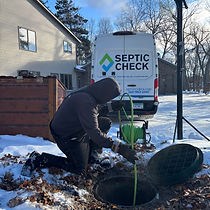
Have you ever wondered if your sewer line can freeze during cold weather? It’s a question many homeowners don’t think about until a problem pops up.
But what if your sewer line does freeze? Could it cause serious damage or disrupt your daily life? Understanding this risk now can save you from costly repairs and unexpected headaches later. Keep reading to find out how sewer lines freeze, the signs to watch for, and what you can do to protect your home.
This knowledge could be the key to staying worry-free all winter long.

Credit: www.blackforestplumbing.com
How Sewer Lines Freeze
Sewer lines can freeze just like water pipes, causing serious blockages and damage. Understanding how and why this happens can help you prevent costly repairs. Let’s look closely at the conditions that cause sewer lines to freeze and the spots where freezing is most common.
Conditions Leading To Freezing
Freezing occurs when temperatures drop below 32°F (0°C) for an extended period. Sewer lines that run close to the surface or through unheated spaces are especially vulnerable. If your home experiences a cold snap and the ground is frozen solid, the pipes inside can freeze too.
Another key factor is the lack of water flow. When you’re away or use little water, the sewer line can remain stagnant, making it easier to freeze. Poor insulation around the pipes or cracks letting in cold air also raise the risk.
Common Freeze Points In Sewer Lines
Freeze points usually happen where pipes are exposed to colder air or where they run through areas without warmth. These spots include:
- Outdoor sewer cleanouts and vents
- Sections of pipe passing through crawl spaces or basements
- Areas where pipes run close to exterior walls or under slabs
Have you noticed your sewer cleanout cap feels icy on a cold morning? That’s often a red flag. Pipes near the surface are more likely to freeze because soil insulation isn’t thick enough in winter.
Credit: medium.com
Signs Of A Frozen Sewer Line
Frozen sewer lines cause serious plumbing issues. Detecting signs early helps prevent costly damage. Watch for changes in your home’s drainage and smells. Check pipes for any visible damage or frost.
Slow Drains And Backups
Water moves slowly or stops draining altogether. Toilets and sinks take longer to empty. Backups may occur in low spots of the sewer line. These symptoms suggest a partial or full freeze inside the pipe.
Unusual Odors
Foul smells appear near drains or outside your home. Sewer gases cannot escape properly due to frozen pipes. The odor might be stronger in cold weather. This is a clear sign of trapped waste and air inside the sewer line.
Visible Pipe Damage
Look for cracks, bulges, or frost on exposed pipes. Frozen water expands and may break the pipe surface. Damage might be visible near outdoor cleanouts or basement walls. Early detection helps avoid leaks and costly repairs.
Risks Of Frozen Sewer Pipes
Frozen sewer pipes can lead to serious problems that go beyond just a chilly inconvenience. The risks are not only costly but can also impact your home’s safety and health. Understanding these dangers helps you take quick action before a small freeze turns into a major disaster.
Pipe Bursting
When sewer pipes freeze, the water inside expands as it turns to ice. This expansion can cause the pipes to crack or burst. You might not notice the damage immediately, but a burst pipe can lead to expensive repairs and water damage in your home.
Have you ever thought about how old or brittle your pipes might be? Older pipes are more likely to break under pressure from freezing. Checking your pipes before winter can save you from unexpected bursts.
Sewage Backup
Frozen sewer lines block the flow of wastewater, causing sewage to back up into your home. This can result in unpleasant odors, clogged drains, and even flooding in your basement or lower levels.
Imagine turning on your sink and instead of water draining, sewage starts to rise. It’s not just a gross inconvenience—it can disrupt your daily life and damage your property. Acting fast to thaw frozen pipes can prevent this nightmare.
Health Hazards
Sewage backup poses serious health risks. It contains harmful bacteria and viruses that can contaminate your living space. Exposure to these pathogens can cause illnesses ranging from mild stomach upset to severe infections.
Have you considered the risks to your family’s health if sewage leaks into your home? Keeping your sewer pipes from freezing is not just about property damage—it’s about protecting your loved ones from unsafe conditions.
Preventing Sewer Line Freezing
Preventing sewer line freezing is essential to avoid costly repairs and unpleasant plumbing issues during cold weather. Taking proactive steps can save you from unexpected disruptions and maintain your home’s sanitation system effectively. Let’s dive into practical ways to keep your sewer lines from freezing this winter.
Proper Insulation Techniques
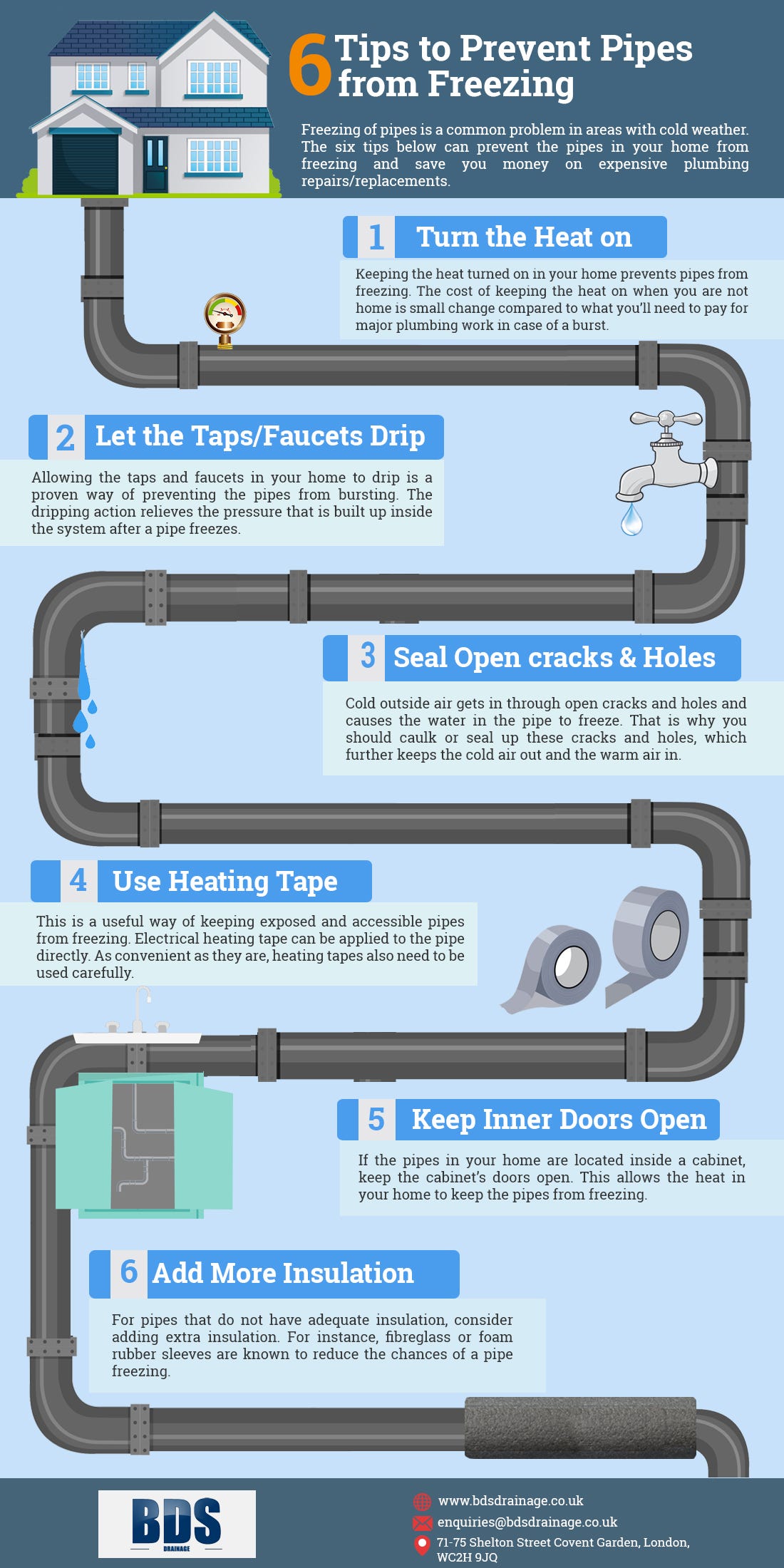
Insulating your sewer lines is one of the most effective ways to prevent freezing. Use foam pipe insulation sleeves or wrap the pipes with heat-resistant tape designed for outdoor use.
Focus on areas where pipes are exposed or run through unheated spaces like crawl spaces or basements. Even a small gap in insulation can let cold air seep in and cause freezing.
Have you checked your current insulation recently? Sometimes old insulation loses effectiveness and needs replacing to provide proper protection.
Maintaining Adequate Heat
Keeping the area around your sewer lines warm is crucial during freezing temperatures. Leaving cabinet doors open under sinks can allow warm air to circulate around pipes.
Consider installing a low-wattage heat cable along the sewer line for extra protection. These cables automatically turn on when temperatures drop, preventing ice build-up.
Have you noticed any cold spots in your basement or crawl space? Sealing drafts and improving overall heating in these areas can make a big difference.
Water Flow Tips
Allowing a slow drip of water through your sewer lines can keep water moving and reduce the chance of freezing. Even a small stream can prevent ice from forming inside the pipes.
Be mindful of water usage during extremely cold nights. Running water consistently can help, but don’t waste large amounts unnecessarily.
Are there times when water flow stops for long periods in your home? Scheduling regular water movement can help avoid frozen pipes without increasing your water bill too much.
Dealing With Frozen Sewer Lines
Frozen sewer lines cause serious problems during cold months. Pipes can crack or burst, leading to costly repairs. Handling frozen sewer lines quickly protects your home and plumbing. Follow safe steps to thaw pipes and reduce damage risks.
Safe Thawing Methods
Use warm towels or a hairdryer to gently heat frozen pipes. Avoid open flames or high heat sources that can damage pipes. Wrap heating pads around the pipe to increase warmth slowly. Keep faucets open to help water flow as ice melts. Check pipes regularly to prevent overheating and damage.
When To Call A Professional
Call a plumber if pipes show cracks or leaks. If thawing attempts fail after several hours, seek expert help. Professionals have tools to clear blockages and fix damage safely. Avoid using chemicals or excessive force on frozen pipes. Quick professional action prevents bigger plumbing problems.
Temporary Fixes
Use pipe insulation or heat tape to reduce freezing risks temporarily. Keep cabinet doors open to let warm air reach pipes. Run a slow drip from faucets connected to vulnerable pipes. Seal drafts near plumbing to keep cold air out. These fixes help until permanent repairs or thawing happen.

Credit: medium.com
Long-term Solutions
Long-term solutions help protect sewer lines from freezing and costly repairs. Preventing freeze damage keeps your plumbing working well during cold months. These solutions focus on strengthening pipes and maintaining warmth around them.
Upgrading Pipe Materials
Old metal pipes freeze more easily than modern ones. Using plastic pipes like PVC or ABS reduces freezing risks. These materials resist cold better and last longer underground. Upgrading pipes improves insulation and lowers chances of cracks or bursts.
Installing Heat Tape
Heat tape wraps around pipes to keep them warm. It uses low voltage electricity to generate gentle heat. This keeps water moving and prevents ice from forming inside pipes. Heat tape is easy to install on exposed sewer lines in cold areas.
Regular Maintenance
Routine checks spot potential problems early. Inspect pipes for cracks or leaks before winter. Clear any blockages that slow water flow, as standing water freezes faster. Regular maintenance ensures pipes stay healthy and less prone to freezing.
Frequently Asked Questions
Can A Sewer Line Freeze In Winter?
Yes, sewer lines can freeze during extremely cold weather. Frozen pipes block wastewater flow and may cause backups and damage.
What Causes Sewer Lines To Freeze?
Sewer lines freeze due to prolonged exposure to freezing temperatures and poor insulation around the pipes.
How To Prevent Sewer Line Freezing?
Insulate pipes, keep water flowing, seal leaks, and maintain warm indoor temperatures to prevent sewer lines from freezing.
What Are Signs Of A Frozen Sewer Line?
Slow drains, gurgling sounds, foul odors, and sewage backups indicate a possible frozen sewer line.
Conclusion
Frozen sewer lines cause major issues in winter. Prevention is crucial. Insulate pipes to reduce freezing risk. Regular maintenance helps keep lines clear. Check for leaks and fix them promptly. Use warm water to flush pipes occasionally. Keep your home warm to prevent pipe freezing.
Address early signs of blockage immediately. Prevention saves time and money. Stay proactive and keep your sewer lines safe from freezing. Proper care ensures a smooth-running system during cold months. Stay prepared and enjoy a worry-free winter.