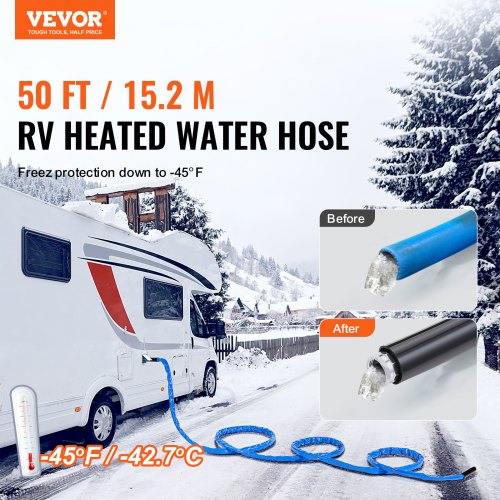
Imagine waking up in your camper on a chilly morning, only to find all your water supplies frozen solid. It’s frustrating, inconvenient, and can quickly ruin your trip.
But what if you could stop that from happening? You’ll discover simple, effective ways to keep your water from freezing no matter how cold it gets outside. Whether you’re a seasoned camper or just starting out, these tips will help you enjoy warm, flowing water whenever you need it.
Keep reading to make your next adventure smoother and stress-free.
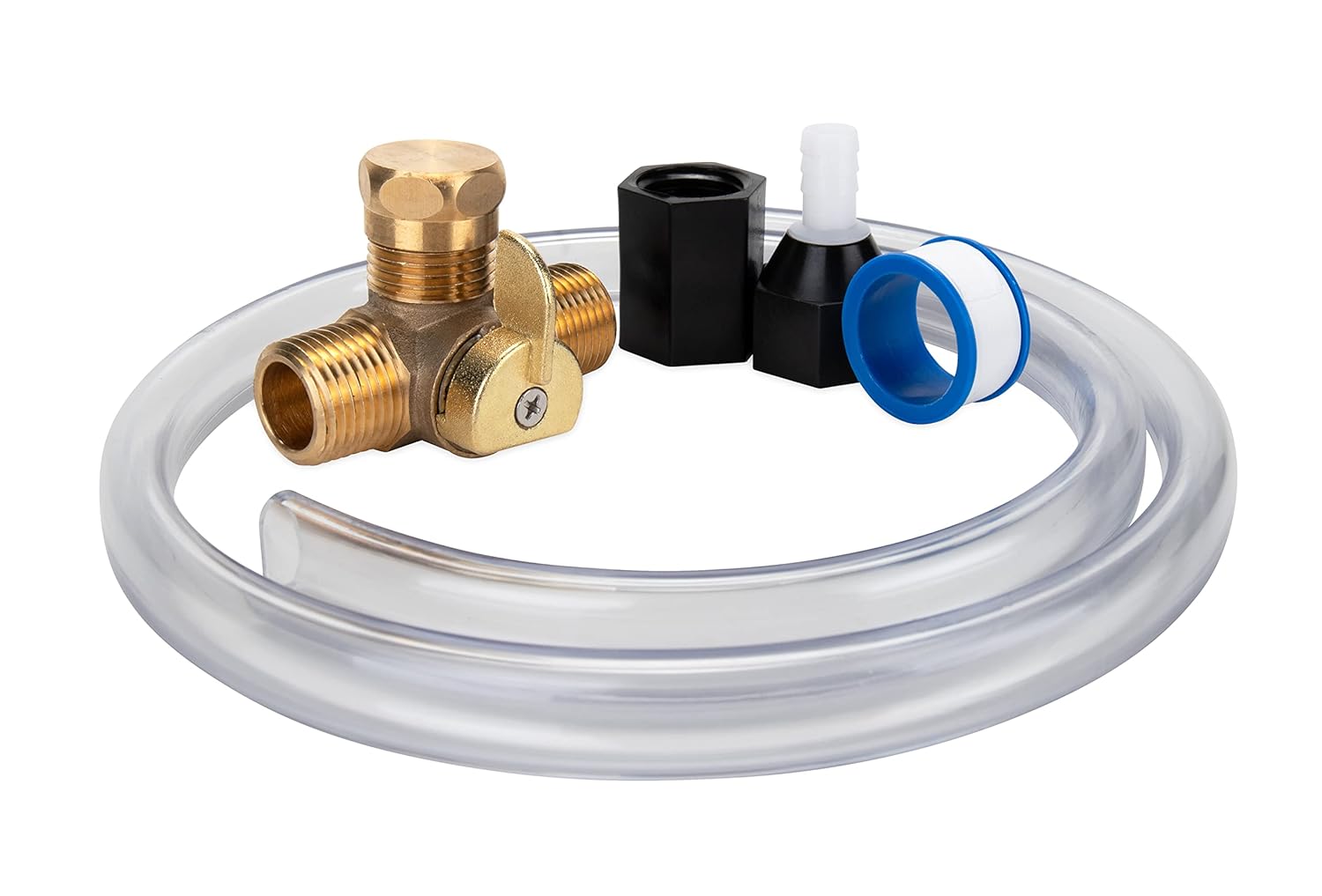
Credit: www.happycampers.store
Preventing Frozen Water Lines
Frozen water lines can quickly turn a cozy camper trip into a chilly challenge. Preventing your pipes and hoses from freezing not only saves you time but also protects your camper’s plumbing system from costly damage. Let’s look at practical ways you can keep water flowing smoothly, even in freezing temperatures.
Insulating Pipes And Hoses
Wrap your water lines with foam pipe insulation sleeves or use fiberglass wrap to create a barrier against the cold. Don’t forget to insulate outdoor faucets and exposed hoses as well. Adding insulation is a simple step that slows down heat loss and keeps water from freezing inside the pipes.
Think about the spots in your camper where pipes are most exposed to cold air. Adding insulation there can make a big difference. I once saved my camper plumbing by wrapping pipes near the wheel wells, where cold drafts hit hardest.
Using Heat Tape And Heating Pads
Heat tape is a great option for pipes that are prone to freezing. It works like an electric blanket for your pipes, warming them just enough to prevent ice buildup. Apply heat tape along your water lines and secure it with electrical tape for a snug fit.
Heating pads designed for plumbing offer another level of protection, especially for stubborn cold spots. Both heat tape and pads require a power source, so plan accordingly. Have you checked if your camper’s electrical system can handle these before winter trips?
Choosing Freeze-resistant Materials
Using water lines made from freeze-resistant materials reduces the risk of cracks and bursts. PEX tubing, for instance, is flexible and can expand slightly if water inside freezes, unlike rigid pipes. Switching to these materials might mean an upfront cost but can save you headaches later.
Consider upgrading your camper’s plumbing with these materials if you often camp in cold climates. It’s a smart investment that protects your water system from harsh weather conditions. What’s your current setup, and could it benefit from more durable materials?
Protecting Water Tanks
Protecting your camper’s water tanks from freezing is essential to avoid costly repairs and maintain a steady water supply during cold weather. Keeping the tanks warm ensures your water flows smoothly, no matter how low the temperature drops outside. Let’s focus on practical ways you can shield your water tanks from the chill.
Tank Insulation Techniques
Adding insulation around your water tanks significantly slows heat loss. Use foam board, reflective insulation, or insulated blankets to cover exposed tanks and pipes.
Pay attention to corners and edges where cold air sneaks in. Sealing gaps with weatherproof tape or spray foam boosts protection.
Have you checked the thickness of your current insulation? A simple upgrade can make a huge difference in freezing resistance.
Installing Tank Heaters
Tank heaters are a reliable way to keep water liquid in freezing conditions. Electric heating pads or heat tape wrap snugly around tanks and pipes, providing steady warmth.
Choose heaters with built-in thermostats to prevent overheating and save energy. You don’t want to run the heater all day if it’s not necessary.
Think about your power source—do you have enough battery or shore power to keep heaters running overnight? Planning ahead avoids surprises.
Positioning Tanks For Warmth
Where you place your water tanks matters. Keeping them inside the camper or under insulated compartments shields them from the cold.
Avoid spots near doors or vents where cold drafts are common. Position tanks close to the camper’s heat source to utilize residual warmth.
Have you noticed how some campers have heated compartments? Replicating this setup can protect your tanks without extra energy use.
Maintaining Water Flow
Maintaining water flow inside your camper is key to preventing pipes from freezing during cold weather. When water stands still, it freezes faster, causing potential damage and inconvenience. Keeping water moving, even just slightly, helps maintain a temperature above freezing inside your plumbing system.
Dripping Faucets To Avoid Freezing
Letting a faucet drip slowly might seem wasteful, but it’s one of the simplest ways to keep water flowing. A small, steady drip keeps water moving through the pipes, reducing the chance of ice forming.
Try opening the faucet furthest from your water source. This encourages flow through the entire system. You don’t need a heavy stream—just enough movement to prevent freezing.
Keeping Water Moving In Pipes
Moving water is less likely to freeze because it doesn’t sit still long enough for ice to form. You can manually flush water through the system periodically if you don’t want to keep faucets dripping all night.
Some campers use small, low-power pumps to keep water circulating inside pipes. This method is energy-efficient and effective, especially during extreme cold snaps.
Using Recirculation Systems
Recirculation systems push warm water continuously through your camper’s plumbing, keeping temperatures consistent. These systems often include a small pump and a thermostat to activate circulation when temperatures drop.
If you spend a lot of time in cold climates, a recirculation system can save you from frozen pipes and the hassle of emergency repairs. Have you considered the upfront cost against the peace of mind it offers?
Using Antifreeze Safely
Using antifreeze safely in your camper is crucial to protect your water system without compromising your health or the environment. It’s not just about pouring antifreeze into pipes; the type you choose and how you apply it matter a lot. Let’s break down the essentials to keep your camper’s water system safe and freeze-proof.
Choosing Rv-safe Antifreeze
Not all antifreeze is created equal, especially for RV use. You need non-toxic, propylene glycol-based antifreeze designed specifically for potable water systems. Avoid automotive antifreeze, which contains harmful chemicals that can contaminate your water supply and pose serious health risks.
Look for products labeled as “RV antifreeze” or “safe for drinking water systems.” These are formulated to protect your plumbing without leaving dangerous residues. Have you checked the label on your antifreeze lately to ensure it’s safe for your camper’s water system?
Proper Application Methods
Applying antifreeze correctly ensures every inch of your water system is protected. Start by draining all the water from your pipes, tanks, and pumps to prevent dilution. Use a hand pump or the camper’s water pump to push antifreeze through all faucets, showerheads, and toilets until you see the pink liquid flowing.
Don’t forget outdoor faucets and any water lines running outside your camper. Pouring antifreeze directly into holding tanks can help protect those areas too. Have you ever noticed a spot that was missed and froze anyway? Covering every section is key to avoiding costly repairs.
Flushing Systems Before Use
Before you hit the road or start using your water system again, flushing out antifreeze is essential. Run fresh water through all lines until the taste and smell of antifreeze disappear completely. This step prevents any lingering antifreeze from affecting your water quality or flavor.
Flush toilets, sinks, and showers thoroughly. If you skip this, you might end up with a bitter surprise in your next glass of water. How often do you flush your system after winter storage to keep your water tasting fresh and clean?
Additional Winter Tips
Keeping your camper’s water from freezing is more than just insulation and heating elements. There are extra steps you can take to protect your plumbing and ensure a warm, comfortable trip even in the coldest weather. These additional winter tips can make a big difference in preventing frozen pipes and costly repairs.
Sealing Drafts And Vents
Check every corner of your camper for drafts or open vents. Cold air sneaking in can quickly drop the temperature around your water lines.
Use weather stripping or foam tape to seal gaps around windows, doors, and vents. Don’t forget the small spaces around plumbing entry points—these are often overlooked but crucial to block.
Have you ever noticed how a tiny crack can let in a blast of cold air? Sealing drafts is a simple fix that pays off by keeping your water system warmer.
Monitoring Weather Conditions
Keep an eye on the forecast regularly, especially if you plan to stay overnight in your camper. Sudden drops in temperature can catch you off guard.
Consider using a weather app with alerts for freezing temperatures. This gives you time to take extra precautions like running water slightly or adding additional heat sources.
Have you tried adjusting your plans based on the weather? Sometimes a small change in your travel schedule can save you from dealing with frozen pipes.
Regular Maintenance Checks
Make a habit of inspecting your camper’s water system before winter arrives and throughout the cold season.
Look for signs of wear, cracks, or leaks that could worsen with freezing. Tighten any loose fittings and flush your system to remove stagnant water.
Think about this: a quick maintenance check can prevent a major headache later. What’s your routine for winterizing your camper?
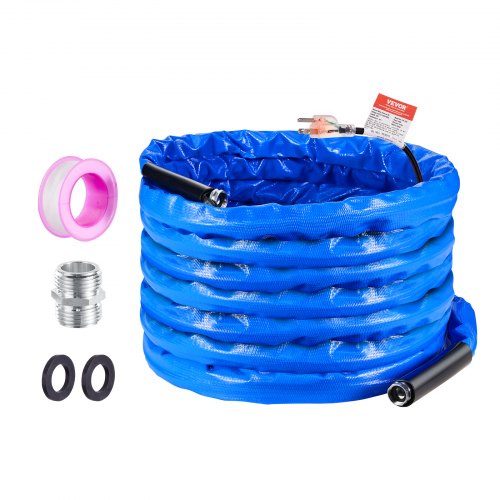
Credit: www.vevor.ca
Credit: www.promasterforum.com
Frequently Asked Questions
How Can I Prevent Camper Water Pipes From Freezing?
Insulate your camper’s water pipes using foam sleeves or heat tape. Keep the camper warm and circulate water regularly to avoid freezing.
What Are The Best Heating Methods For Camper Water Tanks?
Use tank heaters or heat pads designed for RVs. Portable heaters and heated water hoses also keep water warm in cold weather.
Can I Use Antifreeze To Protect Camper Water Systems?
Yes, non-toxic RV antifreeze can be added to water tanks and pipes. It prevents freezing and protects plumbing during winter storage.
How Do I Maintain Water Flow To Avoid Freezing?
Run water slowly through taps to keep it moving. Moving water resists freezing better than standing water in pipes.
Conclusion
Keeping water from freezing in your camper is crucial. It ensures comfort during cold trips. Use insulation to protect pipes from harsh temperatures. Heat tape can also help maintain warmth. Regularly check your water system for any issues. A heated water hose can prevent freezing.
Remember, planning is key to a smooth journey. By preparing, you ensure your camper stays functional. Enjoy every adventure, no matter the weather. Stay warm and travel safely. Follow these tips for a hassle-free experience. Happy camping!