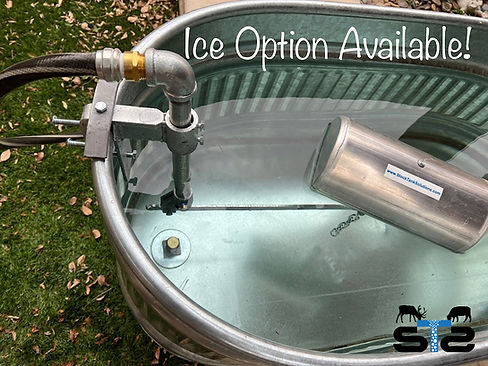
If you rely on stock tanks to keep your animals hydrated, you know how frustrating it is when they freeze over. Frozen water means thirsty animals and extra work for you.
But what if you could stop that from happening? Imagine having easy, practical ways to keep your stock tanks from freezing, no matter how cold it gets. You’ll discover simple tips and proven tricks that protect your water supply and save you time and stress all winter long.
Keep reading to learn how to make sure your animals always have fresh water, even on the coldest days.
Causes Of Stock Tank Freezing
Stock tanks freeze because of natural weather conditions and water behavior. Understanding these causes helps protect the water supply for animals. Cold weather and still water create the perfect setting for ice to form. Recognizing how temperature and water movement affect freezing is key to prevention.
Impact Of Cold Temperatures
Freezing happens when air temperature drops below 32°F (0°C). Prolonged cold spells increase the chance of ice forming on the tank surface. Nighttime temperatures often fall lower, speeding up freezing. Wind chill can also lower water temperature faster. The colder the air, the quicker the water loses heat.
Water Movement And Ice Formation
Still water freezes faster than moving water. Without circulation, the surface cools and ice forms easily. Moving water breaks the ice layer and slows freezing. Small waves or splashes help keep water from freezing solid. Lack of water movement allows thick ice to build up over time.

Credit: www.stocktanksolutions.com
Choosing The Right Stock Tank
Choosing the right stock tank helps prevent water from freezing during cold months. The tank’s material, size, and shape all affect how well it resists freezing. Picking the best tank makes it easier to keep water available for your animals.
Materials That Resist Freezing
Some materials hold heat better than others. Wood tanks offer natural insulation and slow down freezing. Plastic tanks are lightweight and resist cracking in cold weather. Metal tanks cool quickly but work well with heaters or insulation.
- Wood: good insulation, durable, but needs maintenance
- Plastic: affordable, lightweight, freezes slower than metal
- Metal: strong, easy to clean, freezes fastest without insulation
Size And Shape Considerations
Bigger tanks freeze slower because they hold more water. Deep tanks keep water warmer at the bottom. Wide, shallow tanks freeze faster since cold air touches more surface.
- Choose larger tanks to slow freezing
- Pick deeper shapes to keep water warmer
- Avoid very shallow tanks in freezing weather
Insulation Techniques
Keeping stock tanks from freezing is essential during cold months. Insulation helps maintain water temperature above freezing. It reduces heat loss and protects the tank from harsh winds. Simple insulation techniques can make a big difference. These methods are affordable and easy to apply. They help livestock stay hydrated without extra effort.
Using Tank Covers And Blankets
Tank covers and blankets trap heat inside the water. Covers block cold air and prevent heat from escaping. Use heavy-duty covers made for outdoor tanks. Blankets provide an extra layer of warmth around the tank. They are usually made of foam or insulated fabric. Secure covers and blankets tightly to stop cold drafts. Remove them during warm days to avoid overheating.
Adding Insulating Barriers
Insulating barriers create a shield between the tank and cold air. Place materials like straw or hay bales around the tank’s base. These natural insulators block wind and hold warmth. Foam boards or rigid insulation panels also work well. Wrap them around the tank’s sides and bottom. Use waterproof tape or straps to keep barriers in place. This method adds extra protection against freezing temperatures.
Heat Sources To Prevent Freezing
Keeping stock tanks from freezing is crucial to ensure your animals have access to fresh water throughout the cold months. Heat sources provide a reliable way to prevent ice buildup, making your daily chores easier and protecting your livestock’s health. Let’s look at some effective options that you can use right away.
Heated Stock Tank Deicers
Heated stock tank deicers are electric devices designed to keep water above freezing temperatures. They are simple to install—just plug them in and place them in the tank. These deicers come in various sizes and power levels, so you can choose one that fits your tank’s capacity and your local climate.
I once switched to a heated deicer after struggling with frozen water every morning. The difference was immediate—no more ice scraping, and my animals stayed hydrated without interruption. Remember to check the power source and safety features like automatic shutoff to avoid hazards.
- Look for thermostatically controlled models to save energy.
- Ensure the deicer is fully submerged for optimal performance.
- Use grounded outlets and outdoor-rated cords to prevent electrical issues.
Solar-powered Options
Solar-powered stock tank heaters offer a green alternative that doesn’t rely on electricity from the grid. These systems use solar panels to charge batteries during the day, which then power a low-wattage heater at night. This setup can significantly reduce your energy bills and provide water access even in remote areas.
While solar options might require a higher initial investment, they can pay off over time, especially if you have multiple tanks or off-grid locations. Are you ready to invest in a sustainable solution that works even during cloudy days? Some models include backup power or thermal insulation to maximize efficiency.
- Check the solar panel’s wattage and battery capacity to match your tank size.
- Combine solar heaters with insulated covers to keep heat in longer.
- Regularly clean panels for maximum sunlight absorption.
Water Circulation Methods
Keeping your stock tank water from freezing is essential for your animals’ health during cold months. One effective way to prevent ice build-up is by using water circulation methods. Moving the water continuously stops ice from forming on the surface, ensuring your livestock always has access to fresh water.
Aerators And Pumps
Aerators and pumps are practical tools for circulating water in stock tanks. Aerators work by pushing air into the water, creating movement and breaking up ice. Pumps, on the other hand, move water from one part of the tank to another, preventing still water from freezing.
Choosing between an aerator and a pump depends on your tank size and power availability. Aerators can also improve water quality by increasing oxygen levels, which benefits your animals. Have you noticed how stagnant water often freezes faster? That’s why these devices make a real difference.
Benefits Of Moving Water
Moving water freezes at a slower rate because constant motion disrupts ice crystal formation. This simple fact means you can avoid thick ice layers that block animals’ access to water. Plus, moving water reduces the buildup of harmful bacteria by maintaining better water circulation.
Have you ever seen a pond with a fountain? It rarely freezes in winter. Your stock tank can benefit from the same principle. By keeping your water moving, you ensure your livestock stays hydrated and healthy, even in freezing temperatures.
Diy Winter-proof Hacks
Keeping your stock tank from freezing doesn’t have to be expensive or complicated. Simple DIY hacks can make a big difference and save you time and money during harsh winter months. These easy-to-implement ideas use everyday materials you might already have, helping you protect your animals’ water supply effectively.
Using Straw Or Hay Bales
Surrounding your stock tank with straw or hay bales creates a natural insulation barrier. The bales trap heat from the ground and block cold winds, which slows down the freezing process significantly.
You can stack the bales around the tank’s sides or build a small enclosure. This method is not only budget-friendly but also easy to adjust as weather changes. Have you noticed how a simple windbreak can make outdoor chores easier? This works similarly for your tank.
Floating Balls Or Pool Noodles
Placing floating objects like plastic balls or cut-up pool noodles on the water’s surface reduces ice formation. These items keep the water moving slightly and limit the area exposed to freezing air.
Plastic balls designed for this purpose are durable and reusable, while pool noodles offer a cheap alternative you can customize. Try filling a few pool noodles inside a mesh bag for easy removal and cleaning. This simple hack keeps water accessible without costly heaters or power sources.
Maintenance Tips During Winter
Keeping stock tanks from freezing requires steady care throughout winter. Regular maintenance protects water quality and ensures animals have access to fresh water. Small efforts can prevent big problems like frozen water or tank damage. Focus on clear, simple tasks that fit into your daily routine.
Regular Water Level Checks
Check water levels often to stop freezing. Low water levels freeze faster. Fill tanks before nightfall to keep water volume high. A full tank holds heat better and slows ice formation. Use a stick or pole to measure water depth quickly. Watch for leaks or cracks that lower water levels. Promptly fix any damage to maintain steady water supply.
Cleaning And Ice Removal
Clean tanks regularly to remove dirt and algae. Dirty water freezes unevenly and harms animals. Use a brush or scraper to clean walls and bottom. Remove ice carefully to avoid damage. Break ice gently with a plastic tool. Avoid metal tools that can crack the tank. Clear ice early in the day to prevent refreezing. Keep ice-free openings for animals to drink easily.

Credit: www.stocktanksolutions.com
Safety Considerations
Keeping stock tanks from freezing during winter is about more than just maintaining water supply; safety must be a top priority. Cold weather solutions often involve electricity and physical setups that can pose risks to both animals and people. Paying attention to safety considerations protects your livestock, your property, and yourself.
Electrical Safety Around Water
Electric heaters or de-icers are common tools to prevent freezing, but they bring electrical hazards near water. Always use equipment that is specifically designed for outdoor, wet conditions to reduce the risk of electric shock.
Check cords and plugs for damage before use. A frayed wire could cause sparks or electrocution. Ground-fault circuit interrupters (GFCIs) are essential—they cut power immediately if a problem occurs.
Never submerge electrical devices that aren’t rated for underwater use. Ask yourself: Is my setup fully waterproof? If not, it’s a hazard waiting to happen.
Preventing Animal Injuries
Animals can get injured around stock tanks, especially when ice forms or equipment is in place. Slippery surfaces increase the risk of falls, while exposed wires or heating elements can cause burns or shocks.
Place barriers or fencing around heated areas and cords to keep animals away. Use non-slip mats or gravel to improve footing around the tank. Observe your animals regularly to catch any signs of distress or injury early.
Have you noticed any behavioral changes near the tank in cold weather? Animals might avoid the water if they sense danger, leading to dehydration. Ensuring their safety encourages regular drinking, keeping them healthy all winter long.

Credit: www.stocktanksolutions.com
Frequently Asked Questions
How Can I Prevent Stock Tanks From Freezing In Winter?
Use tank heaters or insulated covers to keep water above freezing. Adding floating balls reduces surface area exposure, slowing ice formation. Position tanks in sunny, sheltered spots to absorb heat. Regularly check water levels and remove ice to maintain access.
What Are The Best Heaters For Stock Tanks?
Submersible electric heaters are efficient and safe for stock tanks. They maintain water temperature without overheating. Solar-powered heaters offer an eco-friendly alternative but may need backup on cloudy days. Choose heaters with thermostats for automatic temperature control.
Does Adding Salt Prevent Stock Tanks From Freezing?
Adding salt lowers water’s freezing point but can harm livestock if consumed. It’s not recommended as a primary method. Instead, use mechanical or electric heating solutions for safer, effective freeze prevention. Always prioritize animal health and water quality.
How Does Insulation Help Keep Stock Tanks From Freezing?
Insulation reduces heat loss by trapping warmth inside the tank. Use foam panels or insulated blankets around tanks. This slows ice formation and reduces heating costs. Proper insulation works best combined with heating devices for consistent results.
Conclusion
Keeping stock tanks ice-free is essential for livestock health. Simple steps can prevent water from freezing. Use tank heaters or insulated covers. Regularly check the water levels. Remove ice promptly when it forms. Solar panels can provide energy for heaters.
Floating a ball on the water surface can help. These tips ensure livestock have access to water. Consistent monitoring is key. Adapt methods to suit your climate and resources. By following these strategies, you ensure your animals stay hydrated. Happy and healthy animals depend on your efforts.
Keep your stock tanks in top condition all winter long.