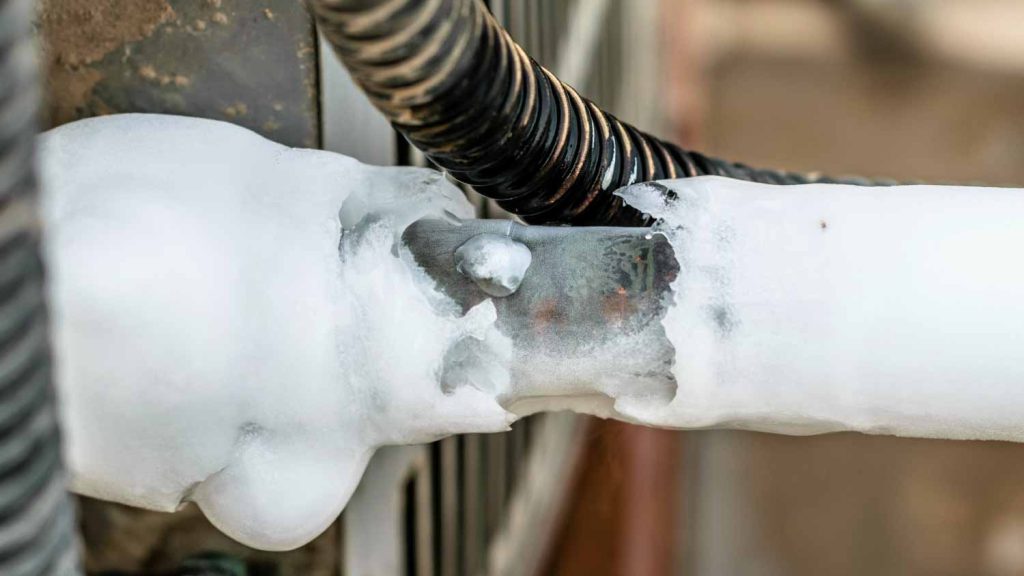
Are you noticing ice building up on your AC pipes? It’s more than just a strange sight—it’s a sign that something isn’t right with your air conditioning system.
When your AC pipes freeze, it can lead to poor cooling, higher energy bills, and even costly repairs. But why does this happen, and what can you do to stop it? Understanding the reasons behind your frozen AC pipes is the first step to fixing the problem fast.
Keep reading to learn exactly why your AC pipes are freezing and how you can prevent it from happening again.
Common Causes Of Ac Pipe Freezing
Frozen AC pipes can disrupt your comfort and signal underlying issues with your air conditioning system. Understanding the common causes helps you spot problems early and avoid costly repairs. Let’s break down what typically leads to frozen pipes so you can keep your AC running smoothly.
Low Refrigerant Levels
Refrigerant is essential for absorbing heat from your home. If the levels drop, the pressure inside the pipes lowers, causing the temperature to fall below freezing. Have you checked your refrigerant recently? A simple leak can create this imbalance, leading to ice buildup on your pipes.
Poor Airflow
Good airflow keeps your AC pipes warm enough to prevent freezing. Blockages or restrictions reduce air circulation, allowing condensation to freeze. Imagine trying to cool a room with a fan covered by a blanket—air just can’t move properly. Fixing airflow issues often resolves freezing problems quickly.
Dirty Air Filters
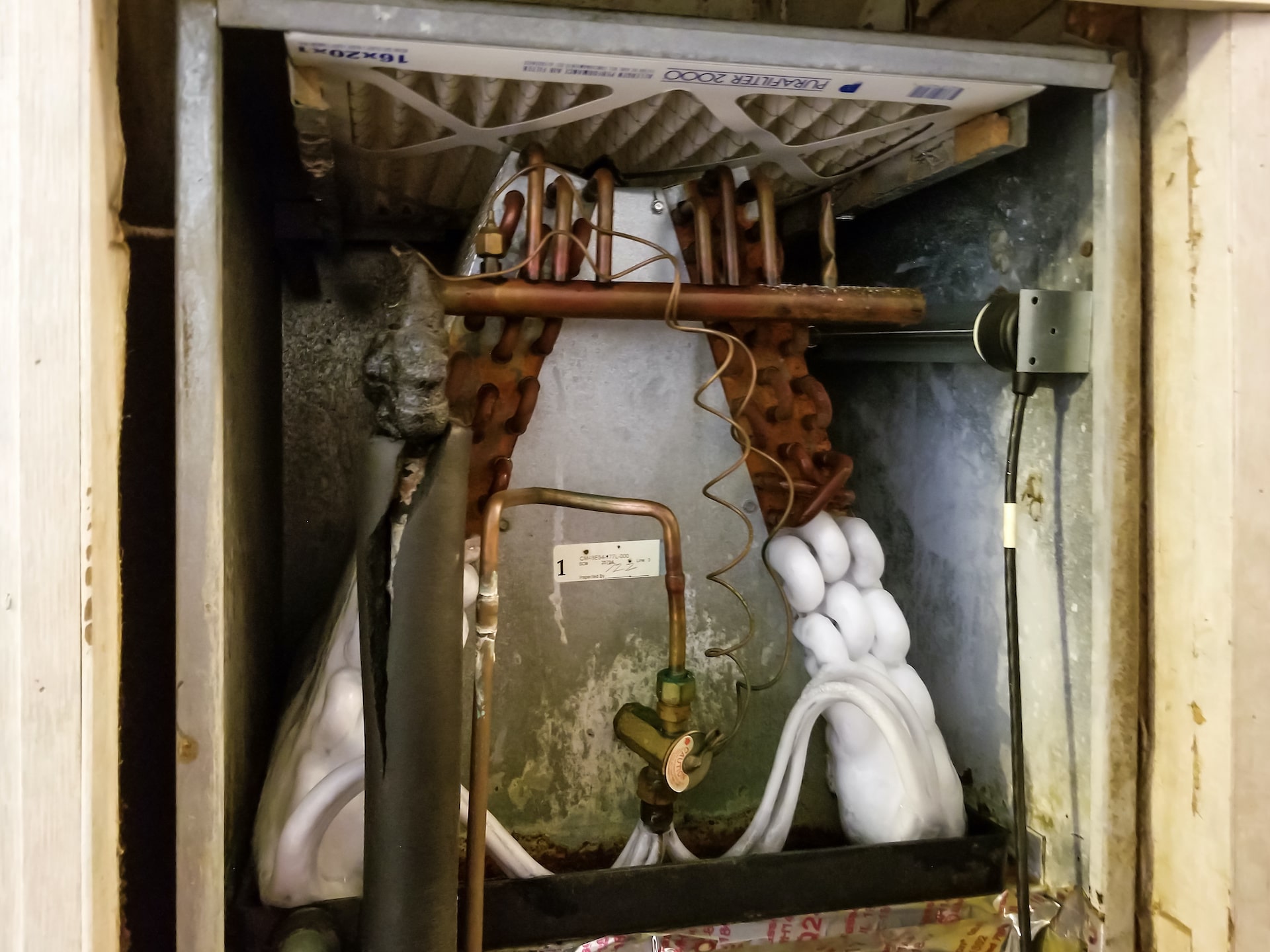
Clogged filters are a common culprit behind frozen pipes. They restrict the airflow, causing the evaporator coil to get too cold and freeze moisture on the pipes. Changing filters regularly is an easy step you can take to prevent ice buildup and maintain your system’s efficiency.
Thermostat Issues
Your thermostat controls when the AC runs and stops. If it’s faulty, the system might run longer than necessary, cooling pipes excessively. Ever experienced your AC running non-stop without cooling the room? A thermostat problem could be the reason your pipes are freezing.
Blocked Or Closed Vents
Closing vents or having them blocked starves parts of your AC of airflow. This uneven air distribution causes some pipes to freeze while others work fine. Have you noticed cold spots in your home? Checking vent positions can help you identify if this is the issue.
Faulty Blower Fan
The blower fan pushes air over the coils to keep everything balanced. If it’s broken or weak, airflow drops and pipes can freeze. You might hear strange noises or feel weak airflow from your vents—signs that your blower fan needs inspection or repair.
Credit: www.topnotchheatingandair.com
Effects Of Frozen Ac Pipes
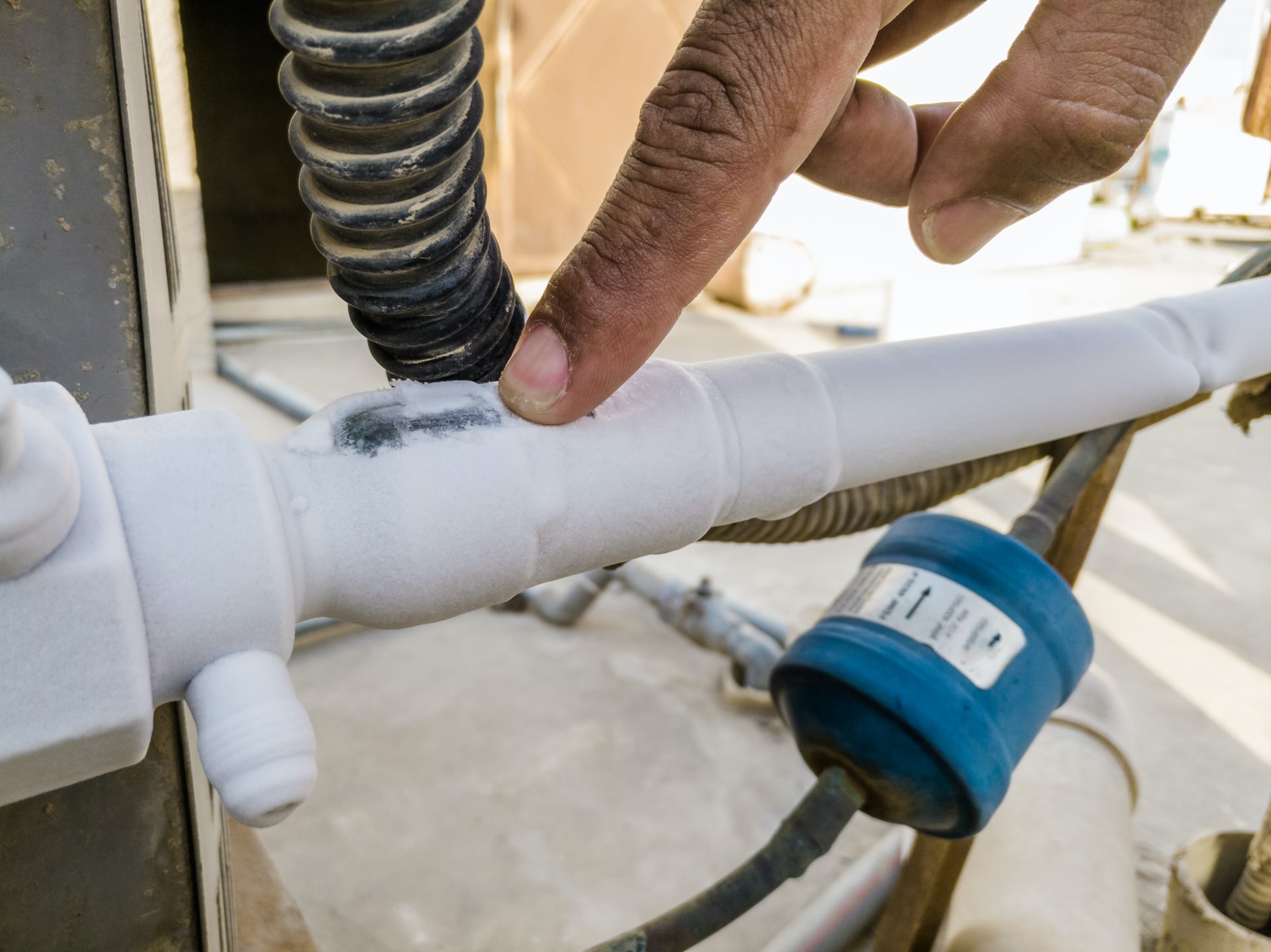
Frozen AC pipes cause several problems that affect your system’s performance. Ice build-up blocks the refrigerant flow, leading to multiple issues. Understanding these effects helps you act quickly and avoid costly repairs.
Reduced Cooling Efficiency
Ice on the pipes limits the cooling power of your AC. The system cannot absorb heat properly, so it struggles to cool your home. This causes uneven temperatures and discomfort indoors.
Potential Damage To The System
Frozen pipes put extra stress on your AC parts. The compressor may overheat or fail due to blocked refrigerant flow. Prolonged freezing can cause cracks or leaks in the pipes, leading to expensive repairs.
Increased Energy Consumption
The AC works harder to maintain the desired temperature when pipes are frozen. This raises your electricity bills as the system runs longer and less efficiently. Energy waste also shortens your AC’s lifespan.
Simple Fixes For Frozen Pipes
Frozen AC pipes can disrupt your comfort and cause damage if left untreated. The good news is, many causes of freezing are fixable with some simple actions you can take yourself. Understanding these fixes not only saves money but helps you avoid the headache of a full system breakdown.
Replacing Air Filters
Dirty air filters restrict airflow, which can cause your AC pipes to freeze. Check your filter monthly and replace it if it looks clogged or dirty. Clean filters help maintain proper airflow, preventing ice buildup on the pipes.
Checking And Adjusting Vents
Blocked or closed vents reduce air circulation, leading to freezing issues. Make sure all vents are open and unblocked by furniture or curtains. Adjusting vents to balance airflow in each room can keep your system running smoothly and pipes thawed.
Cleaning The Coils
Dust and grime on evaporator coils reduce heat exchange, making pipes prone to freezing. Carefully clean the coils with a soft brush or coil cleaner to restore efficiency. Regular coil maintenance supports better cooling and prevents ice formation.
Thawing Frozen Pipes Safely
If pipes are already frozen, thaw them gently with a hairdryer or warm towels. Avoid using open flames or extreme heat, which can damage pipes or cause leaks. Once thawed, monitor the system closely to catch any recurring freezing early.
Recharging Refrigerant
Low refrigerant levels often cause pipes to freeze due to improper pressure in the system. Have a professional check and recharge your refrigerant if needed. Proper refrigerant levels ensure your AC cools effectively without icing up the pipes.
Preventive Measures To Avoid Freezing
Preventing your AC pipes from freezing requires a proactive approach. Taking simple steps early can save you from costly repairs and uncomfortable indoor temperatures. Let’s look at some effective ways you can keep your system running smoothly and avoid ice buildup.
Regular Maintenance Schedule
Scheduling regular check-ups for your AC system is crucial. Clean filters, inspected coils, and tight connections reduce the chances of freezing. I once ignored a yearly tune-up, which led to frozen pipes and a weekend without air conditioning—don’t let that be you.
Set reminders for seasonal maintenance and stick to them. This keeps small issues from turning into big problems.
Ensuring Proper Airflow
Blocked or restricted airflow is a common cause of freezing pipes. Make sure nothing is blocking vents or registers, and keep furniture away from air intakes. Even a dirty filter can choke airflow—check it monthly and replace it as needed.
Think about your home’s airflow like a river; if it’s obstructed, ice can form. What’s blocking your AC’s airflow right now?
Monitoring Refrigerant Levels
Low refrigerant levels can cause your AC coils to get too cold, leading to pipe freezing. Only a professional can check and refill refrigerant safely, so don’t attempt this yourself. If you notice reduced cooling or hissing sounds, it might be time for a service call.
Keeping refrigerant at the right level keeps your system balanced and prevents ice buildup.
Upgrading Thermostat Settings
Your thermostat controls how hard your AC works. Setting it too low, especially during mild weather, can cause the coils to freeze. Try keeping your temperature at a moderate level and avoid rapid changes.
Some smart thermostats offer features to prevent freezing by adjusting settings automatically. Have you explored if your thermostat can help protect your AC?
When To Call A Professional
Knowing when to call a professional for frozen AC pipes can save you from costly repairs and extended downtime. While some issues might seem minor, ice buildup often signals deeper problems that need expert attention. Ignoring these signs could worsen the damage and affect your home’s comfort.
Signs Of Serious Issues
Is your AC freezing repeatedly despite basic fixes? Look out for these warning signs:
- Constant Ice Formation:Ice keeps returning even after thawing.
- Reduced Cooling:Your AC struggles to cool your home efficiently.
- Strange Noises:Unusual sounds like hissing or banging from the unit.
- Water Leaks:Pools of water around the AC or dripping pipes.
- High Energy Bills:A sudden spike in electricity costs without increased usage.
If you notice any of these, it’s time to reach out to a professional. These signs often indicate issues like refrigerant leaks, blocked airflow, or compressor problems that need specialized tools and knowledge.
Benefits Of Expert Inspection
Calling a professional isn’t just about fixing the problem—it’s about preventing future headaches. Experts can pinpoint hidden issues that you might miss, ensuring your AC runs smoothly all season long.
- Accurate Diagnosis:Professionals use advanced tools to identify the root cause quickly.
- Safety Assurance:Handling refrigerants and electrical components safely is critical.
- Long-Term Savings:Timely repairs can prevent costly breakdowns later.
- Peace of Mind:Knowing the system is thoroughly checked keeps you worry-free.
Have you ever tried fixing your AC only to face the same problem again? Expert inspection can break that cycle and save you time and stress.
Credit: www.topnotchheatingandair.com

Credit: www.reddit.com
Frequently Asked Questions
Why Are My Ac Pipes Freezing During Operation?
AC pipes freeze due to restricted airflow, low refrigerant levels, or dirty filters. These issues cause the evaporator coil to become too cold, leading to ice buildup on the pipes.
How Does Low Refrigerant Cause Ac Pipes To Freeze?
Low refrigerant reduces pressure in the AC system, making the evaporator coil colder than usual. This extreme cold causes moisture to freeze on the pipes, resulting in frozen AC lines.
Can Dirty Air Filters Lead To Freezing Ac Pipes?
Yes, dirty air filters block airflow, causing the evaporator coil to get too cold. Reduced airflow means less heat exchange, which leads to ice formation on the AC pipes.
What Role Does Poor Airflow Play In Ac Pipe Freezing?
Poor airflow prevents warm air from reaching the evaporator coil. Without enough warm air, the coil’s temperature drops, causing moisture to freeze on the pipes and create ice buildup.
Conclusion
Freezing AC pipes can signal a problem. Don’t ignore it. Check for airflow blockages and refrigerant issues. Regular maintenance helps prevent this. Always keep filters clean. A professional can diagnose more complex issues. Avoid costly repairs by acting fast. Routine inspections ensure efficient operation.
Your AC system will thank you. Stay cool and comfortable all year. Enjoy peace of mind with a well-functioning AC unit. Remember, a little care goes a long way. Keep an eye out for unusual signs. Stay proactive with your AC maintenance.