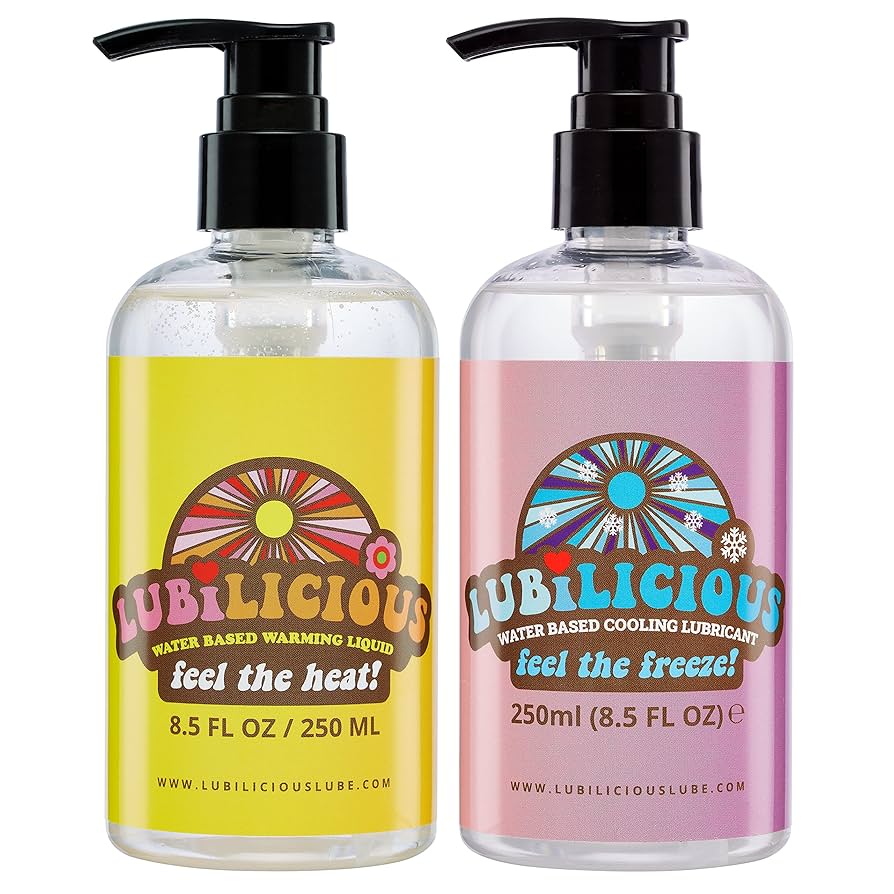
Have you ever wondered if your water-based lube can freeze? It’s a question that might sound strange, but knowing the answer can save you from an unexpected mess or ruined product.
Whether you store your lube in a cold place or live somewhere with chilly winters, understanding how temperature affects it is important. You’ll discover what really happens to water-based lube when it gets cold, how to store it properly, and what signs to watch for if it’s been frozen.
Keep reading to protect your lube and ensure it works perfectly every time you need it.

Credit: us.amazon.com
Water Based Lube Basics
Water based lubricants are popular for their gentle and versatile nature. They offer smoothness without feeling sticky. Many users prefer them for personal and intimate use. Understanding their basics helps in knowing how they behave under different conditions, such as freezing.
Composition And Ingredients
Water based lubes mainly contain water as their base. They include ingredients like:
- Glycerin for moisture
- Carbomers for thickness
- Preservatives to prevent bacteria
- Sometimes aloe or vitamin E for soothing
These ingredients make the lube safe for most skin types. They also dissolve easily and clean up with water.
Common Uses And Benefits
People use water based lubes for many reasons:
- Enhance comfort during intimacy
- Reduce friction in daily activities
- Safe to use with condoms and toys
- Easy to wash off without stains
- Often recommended for sensitive skin
Their light texture makes them popular for many users. Water based lubes offer a natural feel and are less likely to cause irritation.

Credit: www.amazon.com
Freezing Point Of Water Based Lube
Understanding the freezing point of water based lube is key if you live in a cold climate or plan to store it in a cool place. Unlike pure water, water based lubes don’t freeze at exactly 0°C (32°F). Their freezing point varies depending on what’s mixed into the lube, affecting how it behaves in cold conditions.
Impact Of Water Content
Water is the main ingredient in water based lubes, often making up 70% to 90% of the formula. The higher the water content, the closer the freezing point gets to that of pure water.
If a lube contains 90% water, it might start to freeze just below 0°C, which means it can turn slushy or solid in a household freezer. On the other hand, formulas with less water tend to freeze at lower temperatures.
Have you ever noticed your lube getting thicker after leaving it in the fridge? That’s because the water content is starting to freeze, changing the texture and usability.
How Additives Affect Freezing
Additives like glycerin, propylene glycol, and preservatives lower the freezing point by disrupting water’s ability to crystallize.
These ingredients act like antifreeze, allowing the lube to stay liquid at temperatures below 0°C. For example, glycerin can drop the freezing point to around -10°C or even lower, depending on its concentration.
Manufacturers adjust these additives not only to improve texture and shelf life but also to make the lube more resistant to freezing. So, a lube with several additives may remain usable even after being stored in a cold environment.
Next time you store your water based lube, consider the balance of water and additives. Could tweaking storage temperature extend its life or improve your experience?
What Happens When It Freezes
Water-based lubricants contain mostly water, which makes them sensitive to cold temperatures. Freezing can change their physical state and affect their use. Understanding what happens when water-based lube freezes helps in proper storage and use.
Changes In Texture And Consistency
Freezing causes water-based lube to become hard and solid. The smooth, gel-like texture turns icy and grainy. This change happens because the water inside forms ice crystals. Once frozen, the lube loses its original softness. Thawing may not fully restore the texture, leaving it clumpy or separated.
Effect On Performance
Frozen and thawed water-based lube often performs poorly. It may not spread evenly on the skin. The slippery feel can reduce, causing discomfort during use. Some lubes may lose moisture, drying out faster. Freezing can also break down ingredients, lowering effectiveness and safety.
Safe Storage Tips
Storing water-based lube properly ensures it stays effective and safe to use. Improper storage can cause changes in texture or even damage the product. Understanding how to keep your lube at the right conditions can prevent common issues like freezing or spoilage.
Ideal Temperature Range
Water-based lube should be kept at room temperature, ideally between 59°F and 77°F (15°C to 25°C). Temperatures outside this range can affect the consistency and performance of the lube. Too much heat may cause it to separate, while cold can make it thicker and harder to apply.
Think about where you normally store your toiletries. A bathroom cabinet away from direct sunlight usually works well. If you keep your lube in a cooler place, like a bedroom drawer, double-check the temperature during winter months to avoid it getting too cold.
Avoiding Freezing Accidents
Freezing water-based lube can ruin its smooth texture, making it grainy or separated. If you live in a cold climate, avoid storing the lube near windows or unheated areas like garages or balconies. Sudden temperature drops can cause the lube to freeze without you noticing right away.
Have you ever had a bottle of lube feel odd after a chilly night? That’s a clear sign it might have frozen or partially frozen. Keep it in a stable environment and never leave it in your car during winter. If you suspect freezing, gently warm the bottle to room temperature before use, but never use direct heat like a microwave or stove.
Myths And Facts About Freezing Lube
Many people wonder if water-based lubricants can freeze and what happens if they do. This topic often stirs up confusion and myths that might affect how you store and use your lube. Let’s clear up the misunderstandings and look at what science really says about freezing water-based lube.
Common Misconceptions
One popular myth is that freezing water-based lube will ruin its effectiveness. Some believe that once frozen, the lube separates or loses its smooth texture forever. Others think that frozen lube becomes unsafe to use or causes irritation.
In reality, freezing usually doesn’t damage the lube permanently. People have reported freezing their lube by accident during cold weather or in a freezer, then thawing it back to room temperature with no noticeable change. Have you ever accidentally left your lube in a cold place and worried if it was still good? You might have been surprised to find it just as smooth and usable afterward.
Scientific Evidence
Water-based lubricants are mostly made of water, glycerin, and some thickening agents. Water freezes at 0°C (32°F), so it’s natural that lube might freeze under low temperatures. However, the additives in the formula can lower the freezing point slightly, meaning not all lubes freeze easily.
Studies on gel consistency after freezing show that once thawed, water-based lubricants generally regain their texture and function. The molecules in the gel don’t break down or separate significantly after freezing. This means your lube remains safe to use as long as it hasn’t been contaminated or stored improperly for long periods.
Does this change your view on how to store your lube? Keeping it at room temperature is ideal, but a brief freeze won’t necessarily spoil your product. Knowing the facts can help you avoid unnecessary waste and keep your lube ready when you need it.
Alternatives To Water Based Lube
Water based lubes are popular for many reasons. They are easy to clean and gentle on the skin. Yet, some people want other options due to freezing concerns or lasting power. There are good alternatives to water based lubes that suit different needs. These options work well in colder conditions and offer unique benefits.
Silicone Based Lubes
Silicone based lubes last longer than water based ones. They do not dry out quickly. Silicone lubes feel smooth and slippery. They resist water well, making them good for shower use. Silicone lubes freeze less easily because of their chemical makeup. They are safe to use with condoms but not with silicone toys.
Oil Based Lubes
Oil based lubes come from natural or synthetic oils. They provide strong lubrication and last a long time. These lubes do not freeze easily either. Oil based lubes are not safe with latex condoms. They can cause stains and are harder to wash off. They may cause irritation for some people.
Which Lube Freezes Less?
Freezing depends on the ingredients and water content. Water based lubes freeze easily because they contain mostly water. Silicone based lubes freeze less due to their silicon compounds. Oil based lubes freeze the least because oils have low freezing points. Choosing the right lube depends on your needs and environment.

Credit: www.amazon.com
Frequently Asked Questions
Can Water Based Lube Freeze In A Freezer?
Yes, water based lube can freeze if kept in a freezer. Its water content solidifies below 32°F (0°C), affecting texture and usability.
How Does Freezing Affect Water Based Lubricant?
Freezing can change the consistency and effectiveness of water based lube. It may separate or become grainy after thawing.
Is It Safe To Use Thawed Water Based Lube?
Generally, yes. If the lube’s texture and smell remain normal after thawing, it is safe to use.
How Should I Store Water Based Lubricant?
Store water based lube at room temperature, away from extreme heat or cold to maintain its quality.
Conclusion
Water-based lube can freeze in cold temperatures. Always store it in a warm place. This helps maintain its smooth texture. Frozen lube becomes hard to use. It’s not effective when solid. Thaw it carefully if it freezes. Avoid extreme heat during thawing.
This ensures the lube remains safe. Check the label for specific storage instructions. Understanding its freezing point is key. Keep your lube ready for use. Proper storage extends its shelf life. Stay informed for a smooth experience. Always choose what’s best for your needs.