Thinking about buying half a cow and wondering how big a freezer you’ll need? You’re not alone.
Storing that much meat can feel overwhelming if you don’t have the right space. The last thing you want is to buy a freezer that’s too small or waste money on one that’s bigger than necessary. You’ll discover exactly how to choose the perfect freezer size for your half cow.
By the end, you’ll feel confident knowing your meat will stay fresh and organized without taking over your entire garage or basement. Keep reading to find the simple answers you need!

Credit: floridapremiumbeef.com
Estimating Meat Quantity From Half A Cow
Estimating the amount of meat you’ll get from half a cow is key to deciding how much freezer space you’ll need. It’s not just about the weight of the animal, but what portion of that weight turns into usable meat. Knowing these details helps you avoid buying a freezer that’s too small or unnecessarily large.
Average Weight Of Half A Cow
A typical full cow weighs between 1,000 and 1,200 pounds live. Half a cow, then, will usually be around 500 to 600 pounds live weight. After slaughter, the carcass weight drops due to removal of hide, blood, and internal organs.
The hanging weight (carcass weight) of half a cow is often about 60% of the live weight. That means if your half cow weighs 550 pounds live, the hanging weight will be roughly 330 pounds.
Usable Meat Yield
Not all of the hanging weight is meat you can store. Bones, fat, and trim reduce the final amount. On average, you can expect around 65-70% of the hanging weight to become packaged, usable meat.
So from a 330-pound hanging weight, you might get between 215 and 230 pounds of packaged meat. This is the weight that will occupy your freezer space.
Types Of Cuts Included
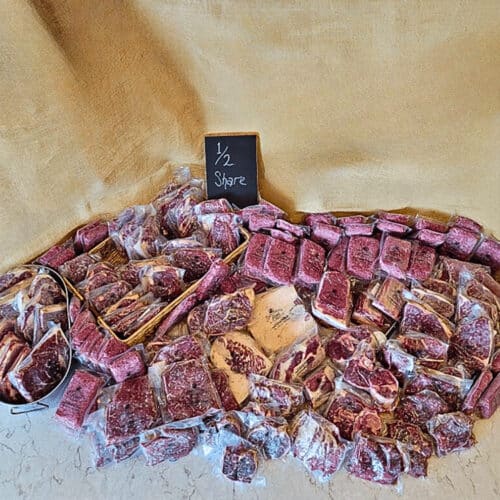
Half a cow provides a wide variety of cuts. You’ll get steaks like ribeye, sirloin, and T-bone, as well as roasts, ground beef, stew meat, and sometimes specialty cuts like brisket or short ribs.
- Steaks:Perfect for grilling and quick meals.
- Roasts:Great for slow cooking and family dinners.
- Ground beef:Versatile for burgers, tacos, and sauces.
- Miscellaneous cuts:Stew meat, stew bones, and sometimes organ meats.
Thinking about the mix of cuts helps you understand how much freezer space you’ll need because some cuts are packaged in larger pieces, while ground beef is usually in smaller packages.
Freezer Size Options
Choosing the right freezer size is important when storing half a cow. The freezer must hold all the meat safely and keep it fresh. Various types of freezers fit different spaces and needs. Understanding the options helps pick the best choice for your home or business.
Chest Freezers
Chest freezers are wide and deep. They offer a lot of space for large cuts of meat. The design helps keep food frozen longer during power outages. They use less energy than other types. Organizing meat can be tricky without baskets or dividers. Chest freezers usually cost less than upright models.
Upright Freezers
Upright freezers stand tall like refrigerators. Shelves and compartments make it easier to organize and find meat. They take up less floor space but use more energy. Upright models have a smaller capacity for their size. They are easier to clean and maintain. Good for homes with limited room.
Combination Freezers
Combination freezers offer both chest and upright features. Some have compartments that open from the top and front. This design maximizes storage and accessibility. They can be more expensive but add flexibility. Ideal for those needing varied storage options. Combination freezers adapt to different storage needs well.
Calculating Required Freezer Capacity
Figuring out the right freezer size for storing half a cow can save you time, money, and hassle. You want enough space to keep your meat fresh without overcrowding. Let’s break down how to calculate the freezer capacity you’ll need for your half cow.
Volume Needed Per Pound Of Meat
Meat takes up more space than you might expect. On average, each pound of wrapped meat requires about 0.7 to 1 cubic foot of freezer space. This depends on how tightly it’s packed and the type of cuts you have.
For example, if your half cow yields 200 pounds of meat, plan for at least 140 to 200 cubic feet. It’s better to lean toward the higher end to avoid cramming. Have you measured how your current freezer holds packages to get a feel for space?
Space For Packaging And Air Circulation
Packing meat in airtight bags or vacuum-sealed packages helps preserve freshness but adds thickness. You need to leave room between packages to allow cold air to flow freely. This prevents uneven freezing and freezer burn.
Think of your freezer like a mini cold room—clutter it, and the cold won’t reach all corners. A good rule is to leave about 10-15% extra space beyond the volume of meat. This space keeps your freezer running efficiently and your meat in top shape.
Allowing Room For Future Storage
Will you store more than just half a cow? Maybe you want room for vegetables, leftovers, or bulk buys. Planning for additional storage means you won’t have to upgrade or rearrange your freezer soon.
Adding an extra 20-30% capacity beyond your initial needs gives you flexibility. This way, your freezer can grow with your storage habits. What else do you see yourself freezing alongside your beef?
Credit: www.christensenranch.com
Recommended Freezer Sizes For Half A Cow
Choosing the right freezer size for half a cow is important. Half a cow yields a lot of meat that needs proper storage. Freezer size affects how neatly you can organize and preserve your meat. It also impacts how well your freezer runs and how often you need to defrost or rearrange. This guide breaks down freezer sizes suitable for storing half a cow.
Small Freezers (5-7 Cu Ft)
Small freezers hold about 5 to 7 cubic feet of space. They can store a limited amount of meat. Usually, they fit around 50 to 60 pounds of beef. This size works if you buy a very small portion or share storage space. Small freezers need careful packing to avoid overcrowding. Using vacuum-sealed bags helps save space and keeps meat fresh longer.
Medium Freezers (8-15 Cu Ft)
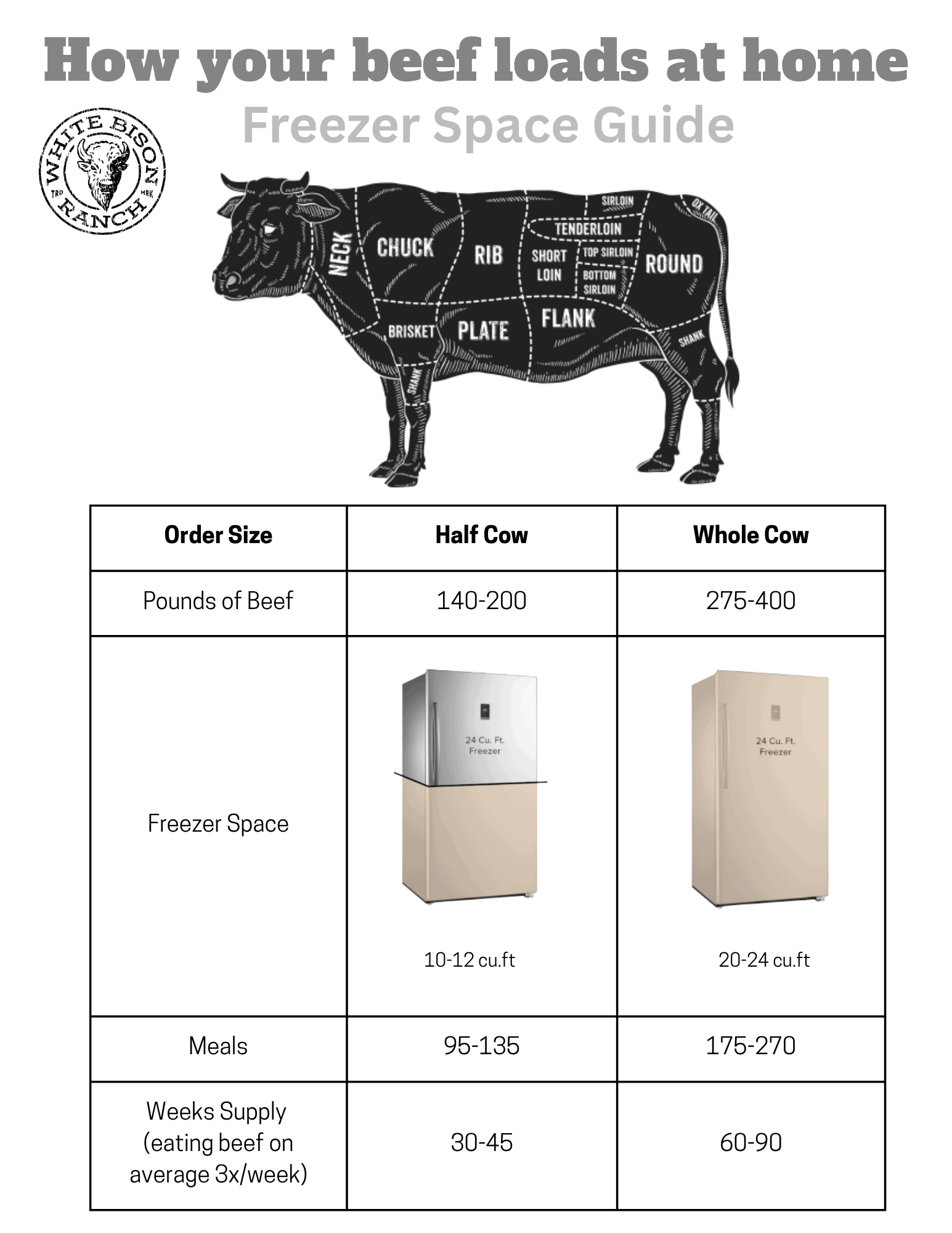
Medium freezers range from 8 to 15 cubic feet. They hold roughly 100 to 150 pounds of meat. This size is ideal for most people storing half a cow. You get enough room for different cuts and easier organization. Medium freezers allow good airflow which keeps meat frozen evenly. This size reduces the risk of freezer burn and spoilage.
Large Freezers (16+ Cu Ft)
Large freezers start at 16 cubic feet and above. They can store 200 pounds or more of meat. This size suits families or hunters who buy more than half a cow. Large freezers provide plenty of space to separate cuts by type or date. They also offer space for other frozen foods. Investing in a large freezer means less frequent defrosting and better storage flexibility.
Tips For Organizing Meat In The Freezer
Organizing meat in a freezer is key to saving space and keeping your meat fresh. Proper organization helps you find cuts fast and reduces waste. It also keeps the freezer neat and easy to clean. Follow simple tips to make your freezer work better for half a cow storage.
Labeling And Packaging
Use clear labels on every package. Write the cut type and date on each label. This helps track how long meat stays frozen. Use freezer-safe bags or vacuum-sealed packs to prevent freezer burn. Remove as much air as possible before sealing. Smaller packages are easier to handle and thaw.
Using Bins And Dividers
Bins and dividers keep meat sections separate and organized. Group similar cuts in one bin, such as steaks or roasts. Use clear plastic bins for easy viewing. Dividers help create neat rows inside bins or on shelves. This stops packages from shifting and getting mixed up.
Optimal Stacking Techniques
Stack packages flat to save space and keep cold air flowing. Place heavier items on the bottom to avoid crushing. Leave small gaps between stacks for air circulation. Keep frequently used cuts near the front for quick access. Avoid overpacking to maintain freezer efficiency and meat quality.
Credit: www.whitebison-ranch.com
Energy Efficiency And Cost Considerations
Choosing the right freezer size for storing half a cow isn’t just about space—energy efficiency and cost play a huge role in your long-term satisfaction. A bigger freezer might seem like the safest bet, but it could end up costing you more in electricity bills. Understanding how freezer size impacts operating costs and efficiency helps you make a smarter purchase that suits your needs and budget.
Operating Costs Of Different Sizes
Freezers come in various sizes, and their energy use changes accordingly. A 15-cubic-foot freezer uses less power than a 25-cubic-foot model, but if you cram the smaller one full, it works harder to maintain the temperature.
Think about how often you open the freezer, too. Frequent openings let warm air in, making the compressor run more. This means even a large, energy-efficient freezer can rack up costs if you use it carelessly.
- Smaller freezers usually cost less to run but can limit storage.
- Larger freezers offer more space but can be less efficient if underfilled.
- Consider your meat consumption rate and buying habits before choosing size.
Energy Star Ratings
Look for the Energy Star label when shopping for a freezer. These freezers meet strict energy efficiency guidelines set by the government, helping you save money and reduce environmental impact.
Energy Star freezers use advanced insulation and compressors that draw less electricity. Choosing one can cut your energy bills by up to 15-20% compared to non-rated models, which adds up over time.
Always check the estimated yearly energy cost on the label. This gives you a clear idea of what to expect in terms of expenses, helping you compare models easily.
Maintenance Tips
Keeping your freezer in good shape is key to energy efficiency. Regularly defrost manual models to prevent ice buildup, which forces your freezer to work harder.
Clean the condenser coils at least twice a year. Dust and dirt reduce cooling efficiency and increase electricity use.
- Ensure door seals are tight to stop cold air from leaking out.
- Keep your freezer full but not overloaded to maintain steady temperatures.
- Position your freezer away from heat sources like ovens or direct sunlight.
Have you checked your freezer’s energy use lately? Small maintenance efforts can lead to big savings on your energy bills and make your half-cow storage more cost-effective.
Frequently Asked Questions
How Much Freezer Space Is Needed For Half A Cow?
Half a cow typically requires 20 to 25 cubic feet of freezer space. This allows proper storage of all cuts without overcrowding. Adequate space helps maintain meat quality and proper freezing temperatures.
What Size Freezer Is Best For Storing Half A Cow?
A 20 to 25 cubic feet chest or upright freezer is ideal. This size provides enough room for packaging, air circulation, and easy access to all meat cuts.
How Long Can Half A Cow Stay Frozen Safely?
Beef can stay frozen safely for 6 to 12 months. Proper packaging and maintaining a consistent temperature of 0°F (-18°C) ensure the best taste and texture.
Can A Standard Home Freezer Hold Half A Cow?
Most standard home freezers are too small for half a cow. A dedicated freezer of at least 20 cubic feet is recommended for efficient storage.
Conclusion
Choosing the right freezer size is crucial for storing half a cow. A 16-20 cubic feet freezer typically provides ample space. This ensures meat stays fresh and organized. Consider your available space and budget before purchasing. Proper planning can prevent storage issues.
Also, label and organize your meat for easy access. This makes meal planning simpler. A well-chosen freezer offers convenience and peace of mind. Enjoy your purchase and the delicious meals ahead.