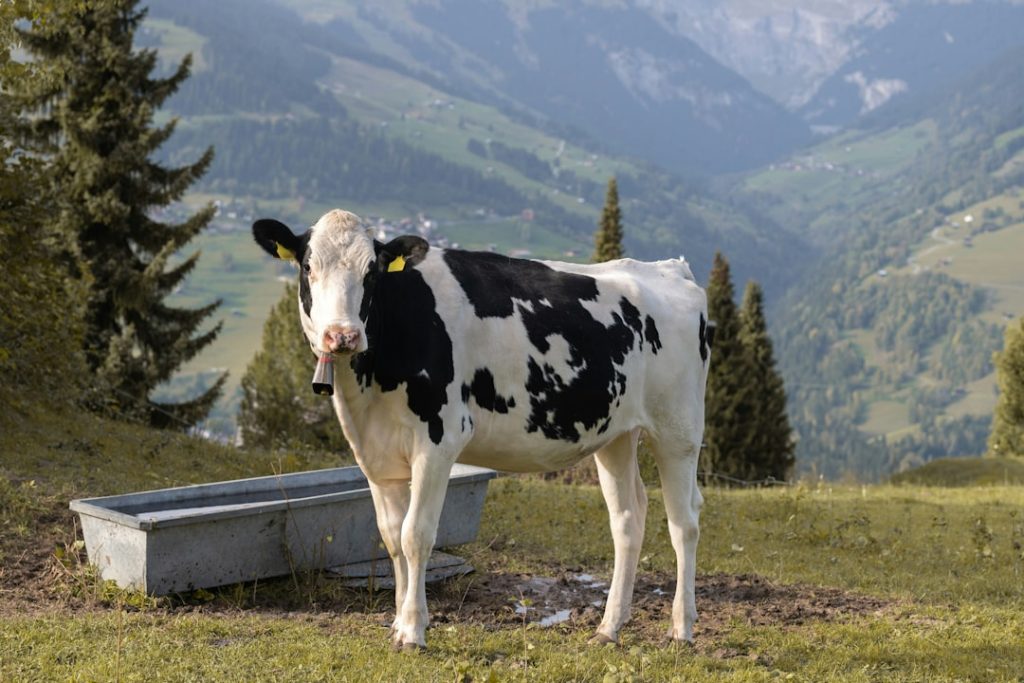
Ever stood in your kitchen, staring at your freezer, and wondered if it could hold an entire cow? You’re not alone.
Many people who buy beef in bulk grapple with this exact question. Understanding how much freezer space you’ll need isn’t just about having enough room—it’s about ensuring you get the best value and quality from your purchase. Imagine the satisfaction of knowing you can store a whole cow’s worth of beef, ready to enjoy whenever you want.
But before you dive into this culinary adventure, it’s crucial to know the specifics. Stick around, and you’ll discover exactly how to maximize your freezer space, making every inch count.
Estimating Freezer Space For A Whole Cow
Estimating how much freezer space you need for a whole cow is essential before making the purchase. Knowing the space requirements helps you avoid last-minute scrambling or overcrowded freezers. It also ensures your meat stays well-preserved and easy to organize.
Average Weight Of A Whole Cow
The average weight of a whole cow can vary widely depending on the breed and age. Typically, a mature cow weighs between 1,000 and 1,200 pounds. Keep in mind, this weight includes bones, fat, and other parts you might not consume.
Yield Of Edible Meat
Not all of a cow’s weight turns into edible meat. Usually, you get around 40% to 60% of the live weight as usable meat. For example, a 1,200-pound cow might yield between 480 and 720 pounds of meat after butchering.
Fat and bone removal reduces the total volume you store, but you gain quality cuts. This percentage varies depending on how the butcher trims and processes the meat.
Volume Of Meat After Butchering
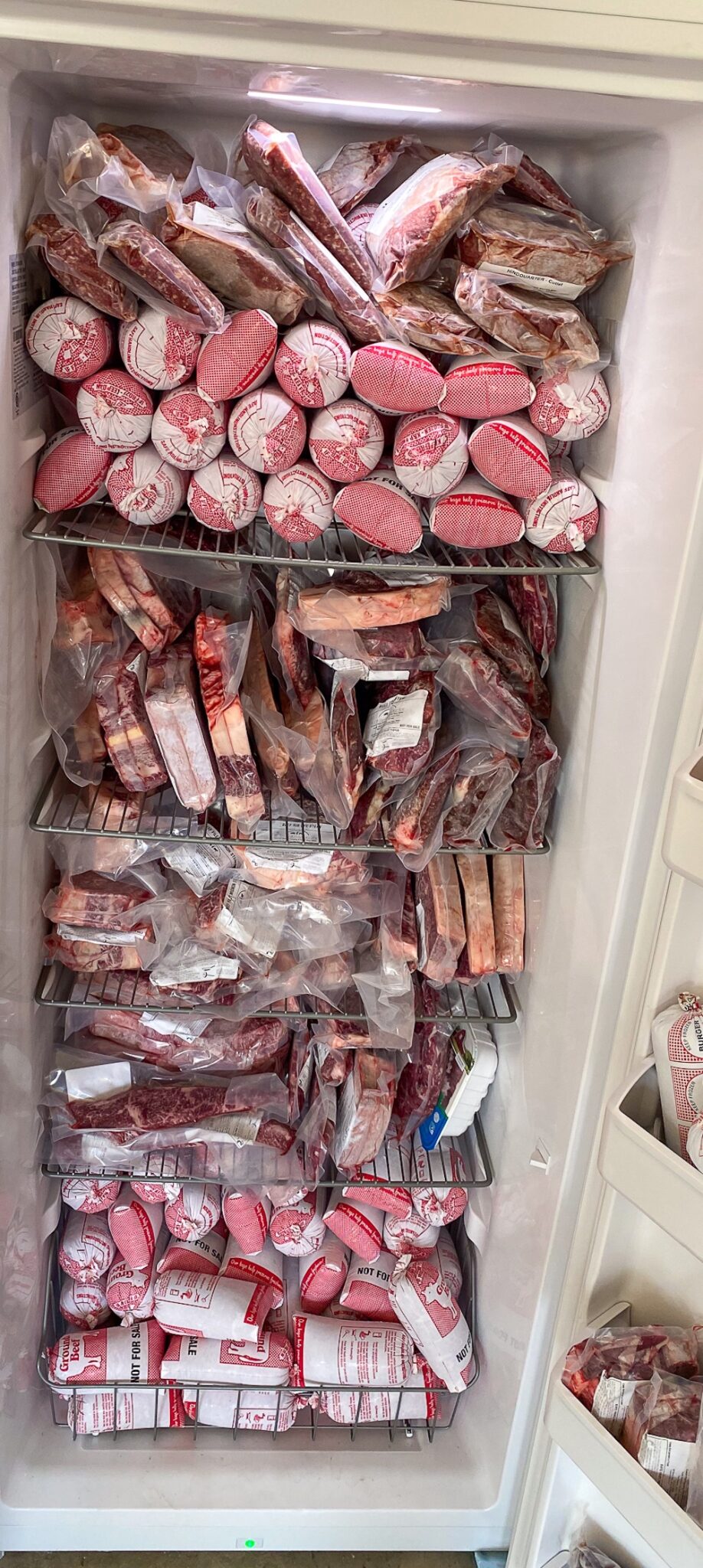
Once butchered, the meat’s volume shrinks due to trimming and packaging. On average, expect about 1.2 to 1.5 cubic feet of freezer space per 100 pounds of meat. So, if you have 600 pounds of meat, you’ll need approximately 7 to 9 cubic feet of freezer space.
Think about the type of freezer you have, too. Upright freezers might handle large cuts better, while chest freezers are often more space-efficient but harder to organize.
Credit: mytxkitchen.com
Types Of Freezers And Their Capacities
Choosing the right freezer type affects the space needed for storing a whole cow. Freezers come in different shapes and sizes. Each type offers unique storage capacity and convenience. Knowing these differences helps in planning freezer space efficiently.
Chest Freezers
Chest freezers open from the top and offer deep storage. They usually have more usable space than upright freezers. Sizes range from 5 to 25 cubic feet or more. Large chest freezers can store large cuts of meat easily. They keep food frozen longer during power outages. Ideal for storing a whole cow due to wide space and lower temperature fluctuations.
Upright Freezers
Upright freezers open like a refrigerator. Shelves and compartments help organize smaller cuts and packages. They range from 10 to 20 cubic feet in size. Easier to access items without bending down. They take up less floor space but usually hold less meat than chest freezers of the same size. Good for those with limited space and need for organized storage.
Combination Refrigerator-freezers
These units combine fridge and freezer in one appliance. Freezer space ranges from 3 to 7 cubic feet. Limited capacity makes them less suitable for whole cow storage. Best for small households or supplemental freezer needs. Convenient for daily use but not ideal for bulk meat storage.
Calculating Storage Needs
Figuring out how much freezer space you need for a whole cow can feel tricky at first. It’s not just about the weight of the meat; you also need to think about how the meat is packed and whether it’s bone-in or boneless. Getting these details right helps you avoid overcrowding your freezer, which can affect the meat’s quality.
Converting Pounds To Cubic Feet
Start by knowing the total weight of the cow’s meat. On average, 1 pound of beef takes up about 0.07 cubic feet in freezer space. So, if you have 500 pounds of meat, you’ll need roughly 35 cubic feet of freezer space.
Keep in mind, this is a rough estimate. Different cuts and packaging can slightly change the actual space required. Have you measured your freezer’s capacity to compare?
Space For Packaging And Air Circulation
Packaging adds bulk to the meat. Vacuum-sealed packages save space, but bulky wrapping like butcher paper takes more room. Always add an extra 10-15% space for packaging when calculating your total storage needs.
Air circulation is another key factor. Meat needs proper airflow to freeze evenly and stay fresh. Avoid stacking packages too tightly. Leaving small gaps helps maintain consistent temperatures.
Adjusting For Bone-in Vs. Boneless Cuts
Bone-in cuts take up more space than boneless because bones add volume without adding weight. If you’re storing mostly bone-in meat, expect to need about 10-20% more freezer space.
Boneless cuts are denser and pack more efficiently. Think about what type of cuts you prefer or plan to use. This choice can significantly affect how much freezer space you actually need.

Credit: www.5sfarms.ca
Organizing Meat For Efficient Storage
Organizing meat for efficient storage is key when you buy a whole cow. Without a good system, you can waste space and time hunting for cuts. Proper organization helps you keep track of what you have and makes meal prep easier.
Vacuum Sealing Techniques
Vacuum sealing protects your meat from freezer burn and extends its shelf life. Use bags designed for vacuum sealers that fit various meat sizes.
When sealing, remove as much air as possible. This prevents ice crystals and keeps the meat fresh longer.
Divide the meat into meal-sized portions before sealing. This way, you only thaw what you need, cutting down waste.
Labeling And Date Management
Label every package clearly with the cut type and freezing date. Use waterproof markers or printed labels for durability.
Keep a freezer inventory list to track what you have and when it was packed. This prevents old meat from getting lost in the back.
Try a simple system like “Cut type – Date packed” on each label. It saves time and confusion later.
Stacking And Accessibility Tips
Organize your freezer by grouping similar cuts together. For example, keep all steaks in one bin and ground beef in another.
Place frequently used items near the front for quick access. Bulkier or less-used cuts can go toward the back.
Use clear bins or baskets to keep packages neat and easy to pull out. This prevents digging and helps maintain the freezer’s cold temperature.
Additional Tips For Freezer Management
Managing freezer space efficiently preserves the quality of your whole cow meat. Proper handling keeps the meat fresh and tasty for months. Careful organization and maintenance prevent waste and save money.
Maintaining Proper Temperature
Keep your freezer at or below 0°F (-18°C). This temperature stops bacteria growth and keeps meat safe. Use a freezer thermometer to check regularly. Avoid opening the freezer door often. Each time you open it, the temperature rises, risking spoilage.
Avoiding Freezer Burn
Freezer burn dries out meat and affects taste. Wrap meat tightly in heavy-duty foil or freezer paper. Use vacuum-sealed bags to remove air completely. Label packages with dates to use older meat first. Avoid storing meat near the freezer walls where cold air is strongest.
Rotating Stock For Freshness
Use the “first in, first out” system. Place new meat behind older packages. This way, you use the oldest meat first. Check labels often and plan meals around older stock. Keep an inventory list on the freezer door. This helps track what you have and prevents forgetting food.

Credit: elkinscattleco.com
Frequently Asked Questions
How Much Freezer Space Does A Whole Cow Need?
A whole cow requires about 40 to 50 cubic feet of freezer space. This varies with the cow’s size and butchering style. Proper organization helps maximize storage efficiency and maintain meat quality.
Can A Standard Home Freezer Store A Whole Cow?
No, standard home freezers lack enough space for a whole cow. You need a large walk-in or multiple commercial freezers to store all the cuts safely.
How Many Pounds Of Meat Come From A Whole Cow?
A whole cow yields roughly 400 to 500 pounds of meat. This depends on the cow’s weight, breed, and how it’s butchered.
What Freezer Type Is Best For Storing A Whole Cow?
Chest freezers or large upright freezers are ideal for storing a whole cow. They maintain consistent temperatures and allow efficient use of space.
Conclusion
Buying a whole cow means planning freezer space carefully. You need about 40 to 50 cubic feet for storing all the meat. This space keeps the meat fresh and safe for months. Measure your freezer before ordering a whole cow.
Organize the meat in packages for easy access. Proper freezer space saves money and reduces waste. Think ahead to avoid running out of room. This helps you enjoy fresh beef anytime you want. Simple steps make storing a whole cow easy and stress-free.