Are you wondering if you can freeze meatballs without losing their taste and texture? Whether you make a big batch for a family dinner or want to save leftovers, knowing how to freeze meatballs properly can save you time and reduce waste.
You’ll discover simple tips to keep your meatballs fresh and delicious straight from the freezer. Keep reading to learn how to make your meals easier and tastier with just a few easy steps!
Freezing Meatballs Basics
Freezing meatballs is a simple way to save time and reduce food waste. Understanding the basics before you freeze can help keep your meatballs tasting fresh and delicious. Knowing which types freeze well and what sizes work best makes the process smoother and more effective.
Types Of Meatballs Suitable For Freezing
Not all meatballs freeze equally well. Meatballs made from ground beef, pork, chicken, or turkey freeze nicely because they hold their texture after thawing. Meatballs with lots of fillers like bread crumbs, rice, or vegetables also freeze well but might slightly change texture.
On the other hand, meatballs with very soft or watery ingredients, such as those with high moisture cheese or delicate herbs, may lose some flavor or texture after freezing. Have you noticed a difference in taste or texture after freezing certain homemade recipes? This can be the reason.
Ideal Meatball Sizes For Freezing
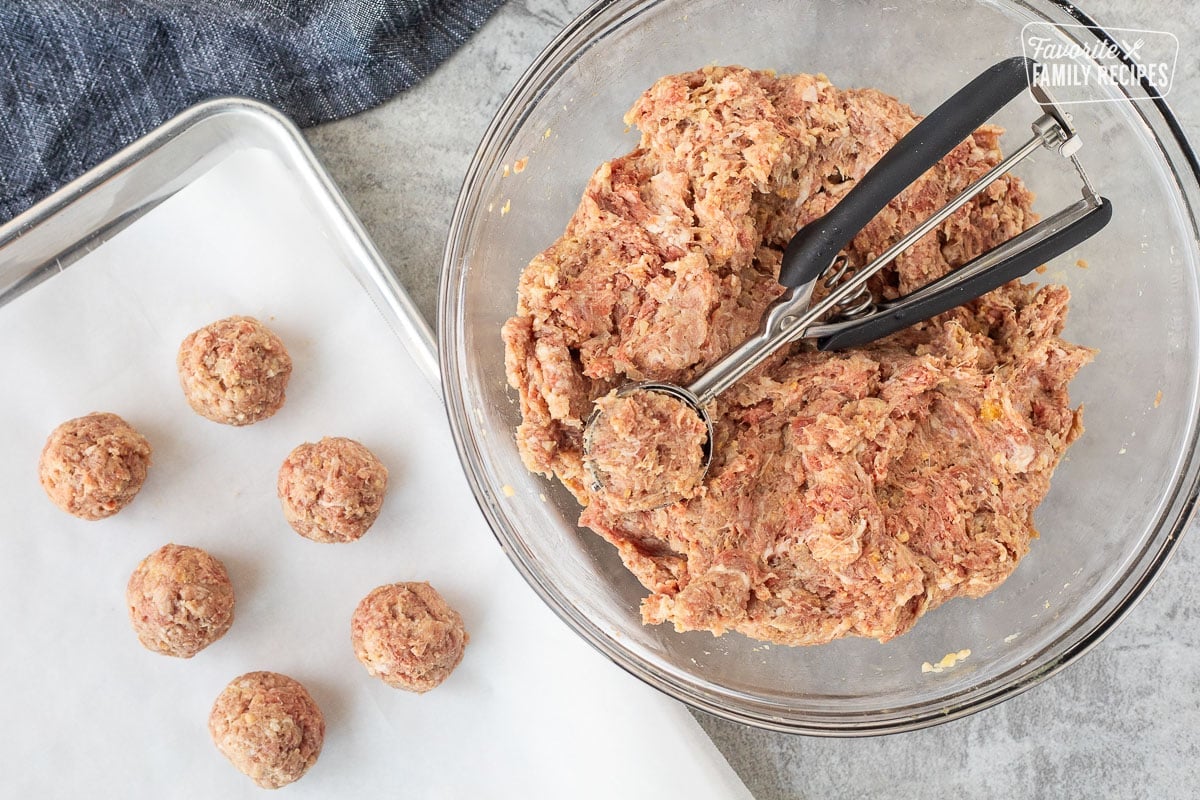
The size of your meatballs affects how quickly and evenly they freeze and thaw. Smaller meatballs, about 1 to 1.5 inches in diameter, freeze faster and thaw more evenly, reducing the risk of sogginess. Larger meatballs take longer to freeze and might not reheat as uniformly.
If you plan to use your frozen meatballs for quick meals, smaller sizes offer more convenience and flexibility. Think about how you usually serve meatballs—does a bite-sized option make meal prep easier for you?
Credit: www.favfamilyrecipes.com
Preparation Before Freezing
Preparing meatballs before freezing is key to keeping their taste and texture. Proper steps help avoid freezer burn and sogginess. The goal is to lock in freshness and flavor for later use.
Cooking Vs. Freezing Raw Meatballs
Decide whether to freeze meatballs cooked or raw. Cooked meatballs save time when reheating. They stay firm and ready to eat after thawing.
Freezing raw meatballs allows better texture after cooking. Raw meatballs freeze well if shaped properly. Freeze them on a tray first to keep their shape. Then transfer to airtight bags or containers.
Both methods work well. Choose based on your schedule and cooking preference.
Cooling And Draining Techniques
Cool cooked meatballs before freezing. Warm meatballs cause ice crystals and sogginess. Use a wire rack for faster cooling. This lets air circulate around each meatball.
Drain excess oil or sauce. Too much moisture can create freezer burn. Pat meatballs dry with paper towels. This step improves texture after thawing.
Proper cooling and draining keep meatballs fresh and tasty. They make reheating easier and more enjoyable.
Best Freezing Methods
Meatballs freeze well when placed on a tray first, then stored in airtight bags. This prevents sticking and keeps them fresh longer. Freezing cooked or raw meatballs works, but thaw gently before cooking.
Single Layer Freezing
Freezing meatballs in a single layer stops them from sticking together. Place meatballs on a baking sheet lined with parchment paper. Make sure they do not touch each other. Freeze for a few hours until they are firm. Once solid, transfer them to a storage container or bag. This method makes it easy to take out only what you need.Using Freezer Bags And Containers
Use freezer-safe bags or airtight containers for longer storage. Squeeze out as much air as possible to prevent freezer burn. Label the bags or containers with the date for easy tracking. This method keeps meatballs fresh and ready to cook. Choose containers that fit your freezer space well. It helps keep your freezer organized and clutter-free.Vacuum Sealing Benefits
Vacuum sealing removes all air around the meatballs. This keeps them fresher for months without freezer burn. It also preserves flavor and texture better than other methods. Vacuum-sealed meatballs take up less space in the freezer. This method requires a vacuum sealer machine. A small investment for longer-lasting, high-quality frozen meatballs.
Credit: happymoneysaver.com
Storage Duration And Safety
Proper storage duration and safety are key to enjoying frozen meatballs. Freezing helps keep meatballs fresh for longer. But knowing how long to freeze and how to handle them safely is important. This prevents food waste and avoids health risks.
Recommended Freezing Times
Cooked meatballs freeze best for 3 to 4 months. Raw meatballs can last 2 to 3 months in the freezer. Freezing beyond these times may reduce taste and texture. Always use airtight containers or freezer bags to prevent freezer burn.
Signs Of Freezer Burn
Freezer burn looks like dry, grayish spots on meatballs. It happens when air reaches the food. Meatballs with freezer burn may taste off or be tough. They are safe to eat but may not be enjoyable. Proper wrapping reduces freezer burn risk.
Safe Thawing Practices
Thaw meatballs safely in the refrigerator overnight. This keeps them at a safe temperature. Avoid thawing at room temperature to stop bacteria growth. You can also thaw meatballs in cold water, changing water every 30 minutes. Cook thawed meatballs immediately to ensure safety.
Reheating Frozen Meatballs
Reheating frozen meatballs can be quick and easy if you choose the right method. The key is to warm them evenly without drying out the meat or losing flavor. Here are some practical ways to reheat your frozen meatballs while keeping them juicy and delicious.
Oven And Stovetop Techniques
Using an oven or stovetop gives you more control over the reheating process. Preheat your oven to 350°F (175°C) and place the frozen meatballs on a baking sheet. Cover them loosely with foil to prevent drying and heat for about 20-25 minutes.
On the stovetop, add a splash of water or sauce to a skillet, then place the frozen meatballs inside. Cover with a lid and cook on medium heat, stirring occasionally until they are heated through. This method helps keep the meatballs moist and infuses them with extra flavor.
Microwave Tips For Even Heating
The microwave is a fast option, but uneven heating can be tricky. Place your frozen meatballs in a microwave-safe dish and cover with a damp paper towel to trap moisture. Heat on medium power in 1-minute intervals, stirring or turning the meatballs between intervals.
This technique stops hot spots and ensures the meatballs heat evenly. Have you ever noticed some parts too hot and others still frozen? This simple step can make a big difference in texture and taste.
Credit: www.favfamilyrecipes.com
Maintaining Freshness And Flavor
Freezing meatballs is a fantastic way to save time and reduce food waste, but preserving their freshness and flavor can be tricky. The way you handle sauces and seasonings before and after freezing can make a big difference. Let’s look at how to keep your meatballs tasting just as good as freshly made.
Adding Sauces Before Or After Freezing
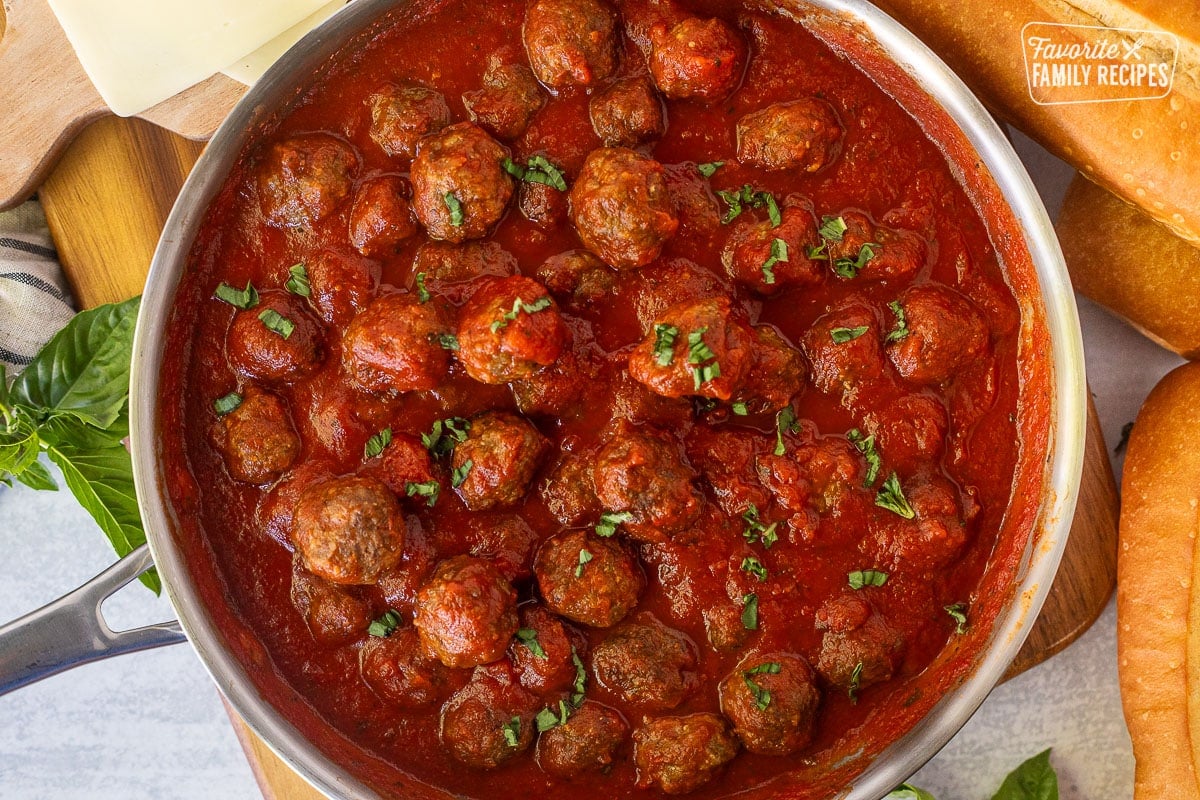
Deciding whether to add sauce before freezing depends on the type of sauce and how you plan to use the meatballs later. Tomato-based sauces freeze well and can actually help keep meatballs moist during storage. However, creamy or dairy-heavy sauces tend to separate and become grainy after thawing.
If you freeze meatballs with sauce, make sure the sauce is cooled completely before packaging. Use airtight containers or freezer bags to prevent freezer burn. If you prefer adding sauce after freezing, it gives you more flexibility to change flavors or adjust portion sizes when reheating.
Seasoning Adjustments Post-freezing
Freezing can dull the flavors of your meatballs slightly, so you might want to tweak seasonings after thawing. Adding fresh herbs, a pinch of salt, or a dash of pepper can instantly brighten up the dish. Try reheating your meatballs gently in a pan or oven, then taste and adjust seasonings accordingly.
Have you noticed some spice blends lose their punch after freezing? If so, consider slightly increasing the seasoning before freezing but avoid overdoing it. This way, your meatballs will still deliver a satisfying flavor after thawing.
Common Mistakes To Avoid
Freezing meatballs might seem straightforward, but there are common mistakes that can ruin their texture and flavor. Avoiding these pitfalls ensures your meatballs taste fresh and delicious even after freezing. Let’s look at some errors that often sneak into the process and how to steer clear of them.
Freezing Meatballs While Hot
Placing hot meatballs directly into the freezer is a frequent misstep. Hot food raises the freezer’s temperature, causing other frozen items to partially thaw and refreeze, which affects their quality.
Let your meatballs cool completely before freezing. This prevents condensation inside the storage container, which can lead to freezer burn and soggy meatballs. Have you noticed a watery texture in frozen food? Cooling first might be the reason.
Overpacking The Freezer
Stuffing your freezer to the brim with meatballs might seem like efficient storage, but it blocks air circulation. Proper airflow is vital to keep the temperature consistent and prevent uneven freezing.
Give your meatballs space to breathe. Arrange them in a single layer on a tray to freeze, then transfer to containers or bags. This method keeps each meatball separate and freezes them faster, maintaining their shape and taste.
Creative Uses For Frozen Meatballs
Frozen meatballs are not just a convenient freezer staple; they can open up a world of quick and tasty meal options. Having a stash of meatballs ready to go can save you time and spark creativity in your kitchen. Let’s look at some practical ways you can use frozen meatballs beyond just heating and eating.
Quick Meals And Snacks
Frozen meatballs are perfect for whipping up fast meals when you’re short on time. Simply heat them in a microwave or skillet, and you have a protein-packed snack ready in minutes.
Try pairing them with toothpicks and your favorite dipping sauces for an easy party appetizer. They also make a great addition to a quick sandwich or wrap—just add some cheese, veggies, and sauce.
Have you ever grabbed frozen meatballs as a last-minute lunch? It’s a simple way to satisfy hunger without the fuss of cooking from scratch.
Incorporating Into Different Recipes
Frozen meatballs can easily be added to a variety of dishes to add flavor and substance. Toss them into pasta with marinara sauce for a classic spaghetti and meatballs meal that’s ready in under 20 minutes.
You can also add meatballs to soups or stews, giving your dish a hearty boost. They work well in casseroles or even on pizza as a topping.
Why not experiment by slicing meatballs and adding them to a stir-fry or a grain bowl? They bring a satisfying texture and protein punch to any dish.
Frequently Asked Questions
Can You Freeze Cooked Meatballs Safely?
Yes, you can freeze cooked meatballs safely. Cool them completely, place in an airtight container or freezer bag, then freeze. Properly stored, they last up to 3 months and maintain good taste and texture.
How Do You Freeze Raw Meatballs Properly?
To freeze raw meatballs, shape them first, then flash freeze on a tray. Once firm, transfer to a freezer bag. This prevents sticking and keeps their shape intact for up to 3 months.
Will Freezing Meatballs Affect Their Flavor?
Freezing meatballs may slightly change texture but won’t significantly affect flavor. Proper wrapping and quick freezing preserve taste. Thaw gently in the refrigerator for best results.
Can You Freeze Meatballs With Sauce?
Yes, freezing meatballs with sauce is convenient and preserves moisture. Use airtight containers to avoid freezer burn. Thaw in the fridge and reheat thoroughly before serving.
Conclusion
Freezing meatballs is simple and practical. It saves time and reduces waste. You can enjoy delicious meals anytime. Just follow proper steps for best results. Use airtight containers or freezer bags. Label them with dates for easy tracking. Thawing is easy too.
Just use your fridge or microwave. Homemade or store-bought, both freeze well. Perfect for busy days or unexpected guests. Enjoy tasty meatballs whenever you crave them. Easy, convenient, and ready to serve. Perfect for any meal. Try freezing your meatballs today.
Enjoy the benefits of easy meal preparation. Keep your kitchen stress-free and efficient.