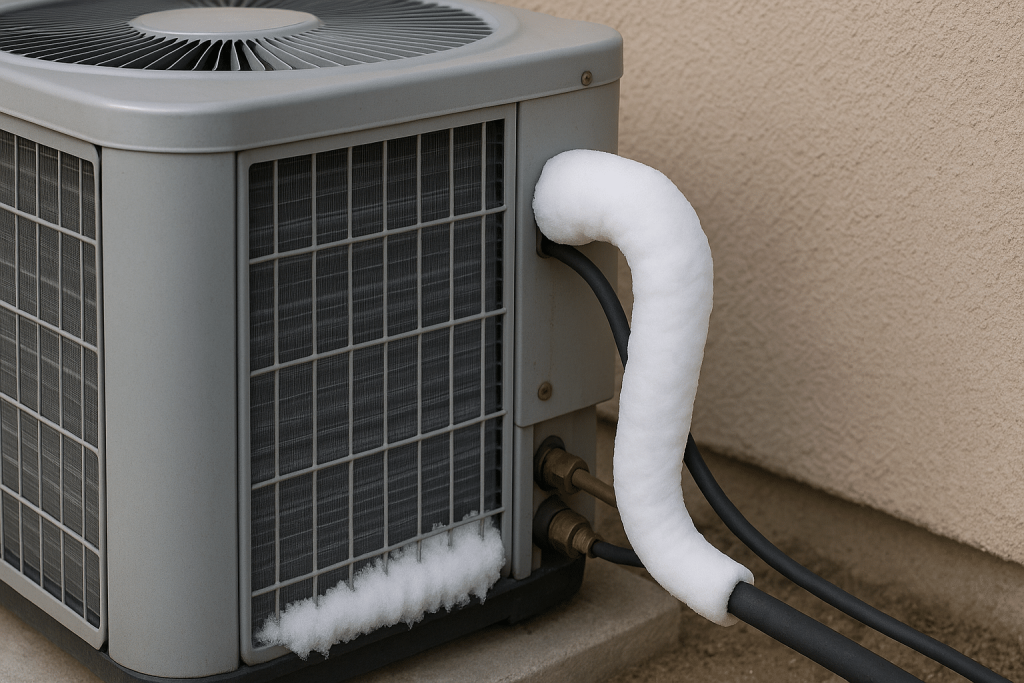
Have you ever noticed your heat pump looking like an ice sculpture in the middle of winter? When your heat pump freezes up, it can be frustrating and leave your home cold and uncomfortable.
But don’t worry—you’re not alone, and there are simple steps you can take to fix the problem. Understanding why your heat pump freezes and how to handle it can save you time, money, and stress. Keep reading to learn what causes this issue and how you can get your heat pump working smoothly again.

Credit: airgreen.ca
Causes Of Heat Pump Freezing
Understanding why your heat pump freezes up is crucial to keeping it running smoothly during cold months. Several factors can cause ice to build up on the unit, leading to reduced efficiency or even damage. Let’s look closely at the common causes so you can spot issues early and take action.
Low Outdoor Temperatures
Heat pumps are designed to work in cold weather, but extremely low temperatures can push them beyond their limits. When the outdoor temperature drops too much, the heat pump struggles to extract heat from the air, causing ice to form on the coils.
Have you noticed your heat pump freezing more during the coldest days? This is often a sign that the system is fighting against harsh weather conditions.
Poor Airflow
Restricted airflow around your heat pump is a common culprit for freezing. Blocked vents, dirty filters, or objects too close to the unit can limit air circulation, causing the coils to get too cold and freeze.
Check if anything is obstructing your unit. Could leaves, snow, or even furniture be choking the airflow? Making sure air moves freely can prevent ice buildup.
Refrigerant Issues
Low refrigerant levels or leaks can cause your heat pump to freeze. Without enough refrigerant, the pressure inside the system drops, lowering the coil temperature and leading to ice formation.
Have you had your refrigerant checked lately? A professional inspection can reveal leaks before they cause freezing problems.
Dirty Coils
Coils covered in dirt or debris can’t absorb heat efficiently. This forces the system to work harder, and the coil temperature can drop below freezing, causing ice to form.
Regular cleaning of the coils keeps your heat pump running efficiently and reduces the risk of freezing. When was the last time you cleaned or had your coils serviced?
Thermostat Settings
Incorrect thermostat settings can also lead to freezing. Setting the temperature too low or using the emergency heat mode improperly can cause the heat pump to cycle incorrectly and freeze up.
Are you sure your thermostat is set optimally? Double-check your settings to ensure your heat pump isn’t being forced to work against itself.
Signs Your Heat Pump Is Frozen
Noticing that your heat pump isn’t working like it used to? It might be frozen. Identifying the signs early can save you from costly repairs and chilly discomfort. Let’s look at the clear signals your heat pump needs attention.
Reduced Heating Performance
Is your home feeling colder despite your heat pump running? A frozen heat pump struggles to transfer heat effectively, leading to poor heating output. You might find yourself turning the thermostat higher, but still not getting the warmth you expect.
Ice Buildup On Unit
Have you checked the outdoor unit lately? Thick layers of ice or frost on the coils or fan blades are a telltale sign of freezing. This buildup blocks airflow and stops the heat pump from functioning properly.
Unusual Noises
Pay attention to strange sounds coming from your heat pump. Grinding, rattling, or gurgling noises can indicate the unit is struggling against ice. These noises often worsen as the freeze gets more severe.
Increased Energy Bills
Have your energy costs spiked unexpectedly? A frozen heat pump works harder to maintain temperature, consuming more electricity. If your bills rise without a change in usage, your heat pump’s efficiency might be compromised by ice.
Quick Fixes For A Frozen Heat Pump
Dealing with a frozen heat pump can be frustrating, especially when you rely on it to keep your home warm. Luckily, there are quick fixes you can try yourself before calling a professional. These simple steps often solve the problem fast and save you from costly repairs.
Turn Off And Thaw
First, switch off your heat pump to prevent further damage. Let the ice melt naturally; this might take a few hours depending on how thick the ice is. Avoid using sharp objects to chip away the ice, as this can harm the coils.
Have you noticed how turning it off and giving it time helps? It’s a simple step, but many overlook it in a rush to fix the issue.
Check And Clean Air Filters
Dirty air filters restrict airflow, causing your heat pump to freeze. Remove and inspect the filters for dust and debris. Clean or replace them regularly to keep your system running smoothly and prevent freezing.
After cleaning filters, you might feel the heat pump working more efficiently. When was the last time you checked yours?
Clear Debris Around Unit
Leaves, dirt, and other debris can block airflow around your heat pump. Walk around the unit and clear away anything that might be obstructing it. Good airflow helps prevent ice buildup and improves overall performance.
Sometimes, just a quick tidy up outside can make a big difference inside your home.
Adjust Thermostat Settings
Setting your thermostat too low can cause your heat pump to overwork and freeze. Try raising the temperature slightly to reduce strain on the system. Using a consistent temperature setting helps maintain steady operation.
Have you experimented with thermostat settings to see if it affects freezing? Small tweaks here can save you from bigger problems later.

Credit: www.reddit.com
Preventing Future Freeze-ups
Preventing your heat pump from freezing up again is essential to keep it running smoothly and avoid costly repairs. Small, consistent efforts can make a big difference in its performance. Let’s look at practical ways you can protect your system before ice becomes a problem.
Regular Maintenance
Keeping your heat pump clean and checked regularly helps catch issues early. Dirt and debris can block essential parts, causing the unit to work harder and freeze. Schedule professional inspections at least once a year and clean or replace filters every few months to keep air flowing freely.
I once ignored a simple filter change, and within days, ice formed on my heat pump. That quick fix saved me from a bigger repair bill. Could skipping small maintenance steps be costing you more than you think?
Proper Airflow Management
Airflow is crucial to prevent freezing. Make sure nothing blocks the outdoor unit—no leaves, snow, or furniture nearby. Inside, keep vents open and unobstructed to allow warm air to circulate properly through your home and heat pump.
Think about how a fan works best with clear space around it. Your heat pump needs the same freedom to breathe. Have you checked your unit’s surroundings lately?
Monitor Refrigerant Levels
Low refrigerant can cause your heat pump to freeze up. It’s important to have the levels checked by a professional, especially if you notice a drop in heating efficiency. Leaks reduce refrigerant, making the system work harder and eventually freeze.
Don’t wait until you see ice build-up. Catching refrigerant problems early keeps your system balanced and prevents damage. When was the last time your refrigerant was inspected?
Use Heat Pump In Defrost Mode
Most modern heat pumps have a defrost mode that automatically melts ice buildup. Make sure your system uses this feature during cold weather to avoid freeze-ups. If your unit lacks this mode, consider installing one or manually turning off the system to let ice thaw.
Ignoring the defrost cycle can cause ice to accumulate and reduce efficiency. Have you noticed your heat pump struggling during winter? Activating or enabling defrost mode might be the simple fix you need.
When To Call A Professional
Knowing when to call a professional is key to fixing a frozen heat pump safely. Some problems need expert tools and knowledge. Trying to fix these issues alone can cause more damage or risk your safety. Recognizing the signs helps you get the right help quickly. This saves money and keeps your home warm and comfortable.
Persistent Freezing Issues
If your heat pump freezes often, it signals a deeper problem. Cleaning or resetting may not help. A technician can check airflow, filters, and system settings. They find and fix underlying causes to stop freezing for good.
Refrigerant Leaks
Low refrigerant can cause freezing and poor heating. Only licensed pros handle refrigerant safely. They find leaks, repair them, and recharge the system. Trying to fix refrigerant issues yourself can be dangerous and illegal.
Complex Repairs
Some heat pump problems need special tools and skills. Issues like compressor failure or electrical faults require expert care. Professionals diagnose and repair these safely and correctly. This prevents further damage and ensures long-term performance.

Credit: www.reddit.com
Frequently Asked Questions
Why Does My Heat Pump Freeze Up?
Heat pumps freeze due to poor airflow, low refrigerant, or dirty filters. Cold outdoor temperatures also cause ice buildup on coils. Regular maintenance helps prevent freezing and ensures efficient operation.
How Can I Thaw A Frozen Heat Pump Safely?
Turn off the heat pump and let ice melt naturally. Avoid using sharp objects or heat sources to remove ice. Ensure proper airflow and check filters before restarting the system.
What Causes Low Airflow In Heat Pumps?
Low airflow results from clogged filters, blocked vents, or faulty fans. It restricts heat exchange, causing the pump to freeze. Clean filters and clear obstructions regularly to maintain airflow.
Can Low Refrigerant Levels Freeze My Heat Pump?
Yes, low refrigerant reduces pressure, causing coil temperatures to drop. This leads to ice buildup on the coils. Professional inspection and recharge are necessary to fix refrigerant issues.
Conclusion
A frozen heat pump can disrupt home comfort. Regular maintenance prevents this issue. Clean filters and check outdoor units often. Ensure proper airflow around your pump. Prompt attention to freezing signs reduces repair costs. Call a professional when problems persist.
Simple steps protect your heat pump and ensure warmth. Stay proactive and enjoy peace of mind. A well-cared pump lasts longer. Keep these tips in mind for a cozy home all winter. With care, your heat pump runs smoothly. Stay warm and worry-free.