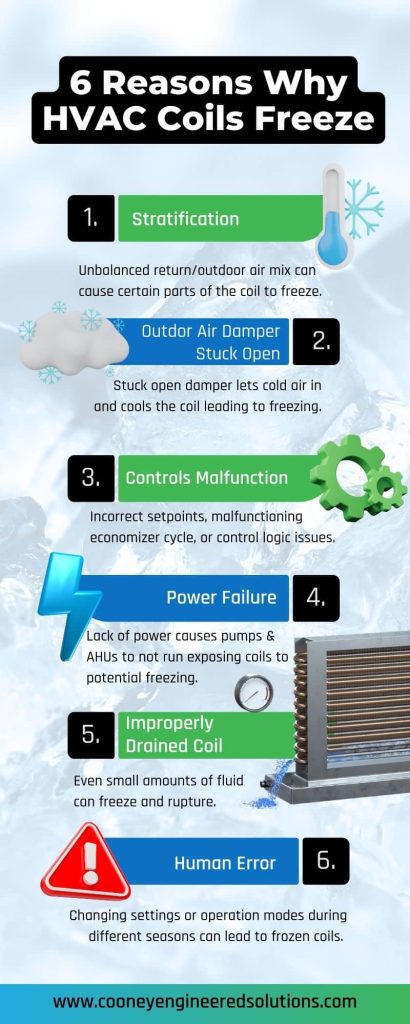
Have you ever wondered about the freezing point of glycol and how it might affect your daily life? Imagine a cold winter morning when you need your car to start without a hitch, or perhaps you rely on a heating system that must perform efficiently even in the chilliest weather.
Understanding whether glycol freezes is crucial for you, especially if you want to avoid unexpected problems in your heating systems or vehicles. In this blog post, you’ll uncover the truth about glycol’s freezing properties and discover why this knowledge is vital for your peace of mind and convenience.
Stick around to learn how this seemingly simple fact can impact your daily routine and save you from unwanted surprises.
Glycol Basics
Understanding glycol is key if you’re curious about whether it freezes and how it behaves in different conditions. Glycol is not just one substance but a group of chemical compounds with unique properties. Knowing the basics about glycol can help you make better decisions, especially if you’re dealing with cooling systems or antifreeze solutions.
Types Of Glycol
Glycol mainly comes in two types: ethylene glycol and propylene glycol. Ethylene glycol is commonly used in automotive antifreeze. It’s effective but toxic, so handle it with care.
Propylene glycol is considered safer and is often found in food, cosmetics, and pharmaceuticals. It has a lower toxicity level, making it suitable for applications where human exposure is possible.
Both types have similar freezing point depression abilities, but their uses depend on safety and environmental factors.
Common Uses
Glycol is widely used as an antifreeze agent in vehicles and HVAC systems. It prevents water from freezing, which protects engines and pipes during cold weather.
You’ll also find glycol in industrial cooling systems, where it helps maintain stable temperatures. In food production, propylene glycol keeps products like ice cream smooth and fresh.
Have you ever wondered why certain beverages don’t freeze solid in your freezer? Glycol is often behind that, lowering the freezing point to keep texture and quality intact.
Freezing Point Of Glycol
The freezing point of glycol is a key factor to understand, especially if you’re using it in cooling or heating systems. Glycol doesn’t freeze like water; its freezing point depends on its concentration and type. Knowing this helps you prevent damage and maintain system efficiency during cold conditions.
Pure Glycol Vs. Mixtures
Pure glycol has a much lower freezing point than water, but it still freezes eventually. For example, pure ethylene glycol freezes around -12°C (10°F), while propylene glycol freezes near -59°C (-74°F). However, you rarely use pure glycol alone.
Most systems rely on glycol mixed with water. These mixtures lower the freezing point further than pure glycol or pure water alone. The more glycol you add, the lower the freezing point becomes, but this also affects other properties like viscosity and heat transfer.
Have you ever wondered why your car’s antifreeze isn’t just pure glycol? It’s because mixtures balance freezing protection and system performance.
Factors Affecting Freezing Point
The freezing point of glycol mixtures depends on several factors beyond concentration. Temperature fluctuations, the presence of impurities, and the type of glycol all play roles. Even the quality of water used to mix with glycol can alter freezing behavior.
For instance, tap water with minerals can raise the freezing point compared to distilled water. This means your system might freeze sooner than expected if you don’t consider water quality.
Another factor is the age of the glycol mixture. Over time, glycol can degrade, changing its chemical makeup and freezing point. Regular testing and maintenance ensure your mixture remains effective against freezing.
How Glycol Prevents Freezing
Understanding how glycol prevents freezing is key to using it effectively in various applications. Glycol works by lowering the freezing point of water, making it harder for ice to form even in very cold conditions. This property is crucial in systems that must avoid freezing damage, such as cooling systems and antifreeze solutions.
Role In Antifreeze Solutions
Glycol is a primary ingredient in many antifreeze products because it disrupts the formation of ice crystals. When mixed with water, glycol molecules interfere with how water molecules bond together to freeze. This prevents the liquid from solidifying at the normal freezing point of water.
If you’ve ever changed your car’s antifreeze, you’ve seen how glycol protects the engine from freezing in winter. It also raises the boiling point of the coolant, which helps keep your engine running smoothly under pressure. This dual function makes glycol indispensable in automotive and industrial cooling systems.
Concentration And Effectiveness
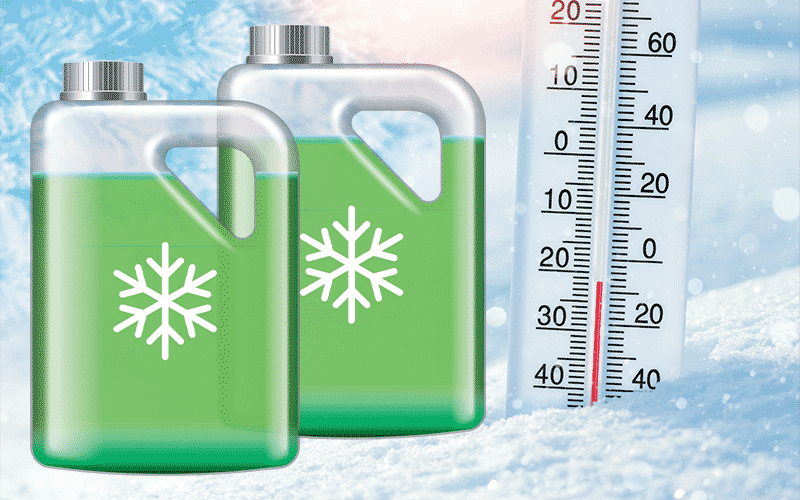
The freezing point of a glycol-water mixture depends heavily on the concentration of glycol. Higher glycol content means a lower freezing point, but there is a practical limit to how much glycol you can add before it becomes less effective or too viscous.
| Glycol Concentration (%) | Freezing Point (°C) |
|---|---|
| 0 (Pure Water) | 0 |
| 30 | -15 |
| 50 | -37 |
| 60 | -50 |
Have you ever wondered why the instructions on antifreeze bottles emphasize mixing ratios? That’s because the right balance ensures optimal protection without wasting glycol or risking system damage. Always check your system’s requirements and adjust the glycol concentration accordingly.
Credit: cooneyengineeredsolutions.com
Testing Glycol Freeze Resistance
Testing glycol freeze resistance is essential for anyone working with cooling systems or antifreeze solutions. Understanding how glycol behaves under freezing conditions helps you choose the right mixture and avoid costly damages. Let’s look at how you can test this property both in a controlled environment and in real-world settings.
Laboratory Methods
Laboratory testing provides precise and reliable data on glycol freeze resistance. One common approach is using a freeze point analyzer, which cools a glycol sample gradually while monitoring its temperature. This method clearly shows the exact temperature at which the glycol starts to solidify.
Another technique involves differential scanning calorimetry (DSC), which measures heat flows in the glycol sample as it freezes. DSC helps detect subtle phase changes, giving detailed insights into the freeze behavior. These methods require specific equipment but deliver accurate results that guide proper glycol formulation.
Practical Field Tests
Not everyone has access to a lab, but you can still check glycol freeze resistance in the field. One simple test is to place a small container of glycol in a freezer and observe it over several hours. Look for signs of crystallization or gel formation.
You can also use a refractometerto measure glycol concentration, which indirectly indicates its freeze protection level. Carrying out these tests regularly helps you maintain system safety during cold weather.
- Check glycol samples before winter arrives
- Keep a log of freeze resistance tests for comparison
- Adjust glycol mixtures based on test outcomes
Have you ever had a cooling system fail unexpectedly? Testing glycol freeze resistance might have saved you from that hassle. How often do you check your antifreeze solutions to avoid freeze damage?
Common Myths About Glycol Freezing
Many people have wrong ideas about glycol freezing. These myths create confusion and fear. Understanding the facts helps in using glycol safely and effectively. Let’s clear up some common myths about glycol freezing.
Glycol Freezes At The Same Temperature As Water
Many assume glycol freezes like water at 32°F (0°C). This is false. Glycol freezes at much lower temperatures depending on its concentration. This property makes it useful in cooling systems where freezing must be avoided.
All Types Of Glycol Freeze At The Same Temperature
There are different glycols, such as ethylene glycol and propylene glycol. Each type has its own freezing point. Concentration and mixture also affect freezing temperature. Knowing the type helps predict its freezing behavior.
Glycol Freezing Means It Becomes Solid Like Ice
Glycol does not turn into hard ice like water. Instead, it becomes thick and slushy before freezing solid. This gradual change helps protect pipes and equipment from damage.
Adding More Glycol Always Prevents Freezing
Adding more glycol lowers the freezing point up to a limit. Too much glycol can reduce heat transfer efficiency. Proper balance is essential for system performance and freeze protection.
Glycol Freezes Quickly In Cold Weather
Glycol’s freezing rate depends on temperature and concentration. Properly mixed glycol can stay liquid in very cold conditions. Systems designed for cold climates use specific glycol blends for freeze protection.
Safety And Handling At Low Temperatures
Handling glycol at low temperatures requires care to ensure safety. Glycol, often used as antifreeze, can behave differently in cold environments. Understanding proper safety measures helps prevent accidents and health risks.
Storage Recommendations
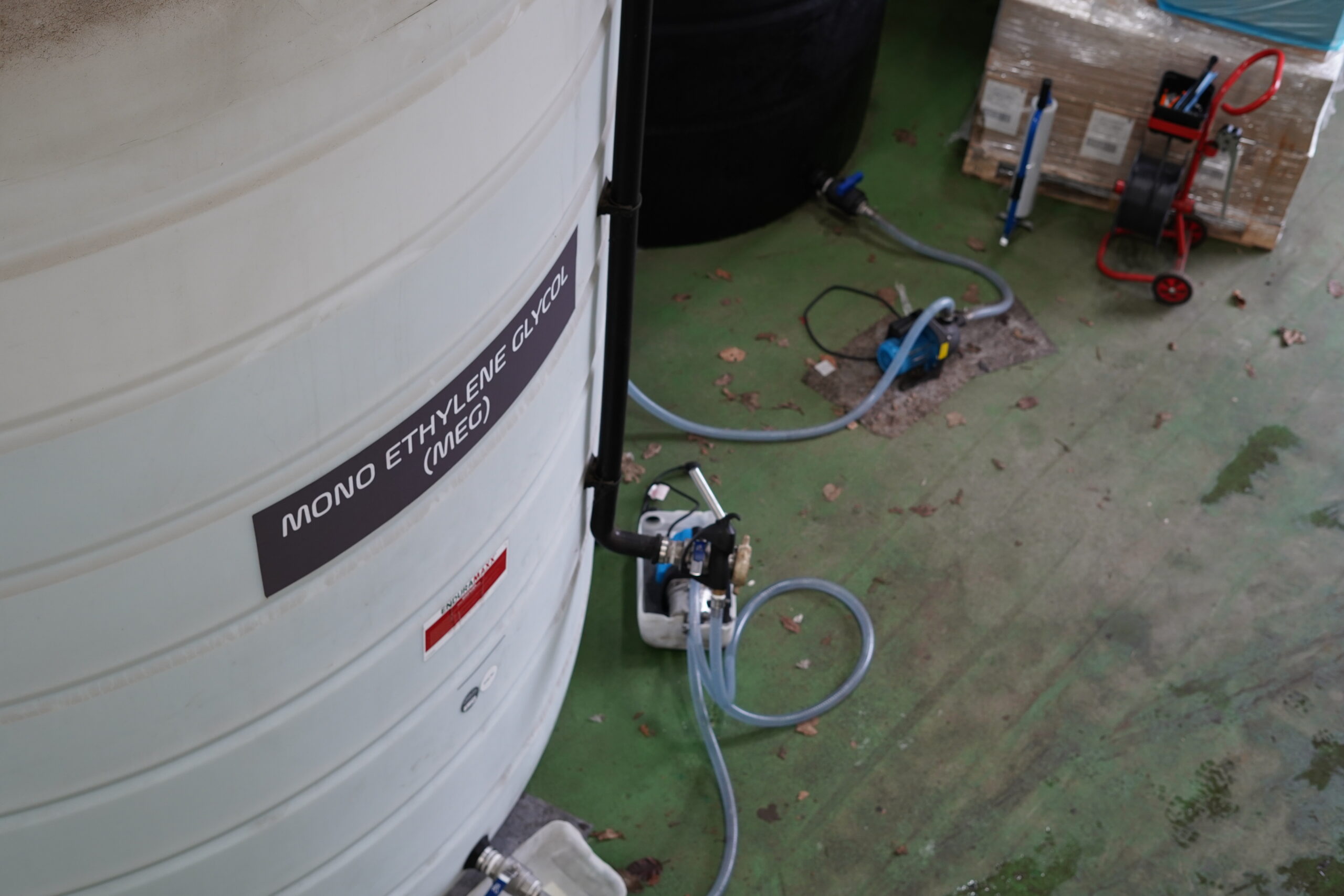
Store glycol in tightly sealed containers. Keep containers in a cool, dry place away from direct sunlight. Avoid storing near heat sources or open flames. Use containers made from materials resistant to chemical corrosion. Label containers clearly to avoid confusion. Check storage areas regularly for leaks or damage. Maintain good ventilation to reduce vapor buildup.
Health Precautions
Avoid direct skin contact with glycol. Use gloves and protective clothing when handling the chemical. Prevent inhalation of fumes by working in well-ventilated areas. If glycol contacts skin, wash immediately with soap and water. Do not ingest glycol, as it is toxic. Keep glycol away from children and pets. Seek medical help if exposure causes symptoms like dizziness or nausea.
Choosing The Right Glycol For Cold Environments
Choosing the right glycol for cold environments is crucial to ensure your system stays protected from freezing without causing damage or health risks. Different types of glycol offer distinct properties that make them suitable for various applications. Understanding these differences helps you make informed decisions that match your specific needs and environmental conditions.
Ethylene Vs. Propylene Glycol
Ethylene glycol is a powerful antifreeze agent commonly used in industrial settings due to its excellent freeze protection and heat transfer capabilities. However, it is toxic and requires careful handling and disposal to avoid health hazards.
Propylene glycol, on the other hand, is much safer for use around humans and animals. It’s often found in food-grade applications, HVAC systems in buildings, and other situations where non-toxicity is a priority. Although it may have slightly lower freeze protection compared to ethylene glycol, its safety benefits often outweigh this drawback.
| Feature | Ethylene Glycol | Propylene Glycol |
|---|---|---|
| Toxicity | High (toxic) | Low (food-grade safe) |
| Freeze Protection | Excellent | Good |
| Common Uses | Industrial, automotive | HVAC, food processing |
Application-specific Guidelines
Think about where you will use the glycol. If you’re working on a car radiator or heavy machinery, ethylene glycol’s strong freeze protection and heat transfer make it a solid choice. But if you’re dealing with plumbing in a home, or cooling systems in food-related environments, propylene glycol is safer and often required by regulations.
Consider also the temperature range you expect. Glycol mixtures can be adjusted to lower freezing points, but different applications have limits. You might need a higher concentration in extremely cold climates, but that can increase viscosity, affecting flow and system efficiency.
Ask yourself: Is toxicity a concern in your environment? Is the system closed or open to the atmosphere? These questions will guide your choice and mixture ratio, ensuring your system runs smoothly without risking damage or health issues.
Credit: blendedproducts.com

Credit: bansheeboilers.ie
Frequently Asked Questions
Does Glycol Freeze At Low Temperatures?
Glycol freezes at much lower temperatures than water. Its freezing point depends on the glycol type and concentration. Usually, it freezes between -10°F and -50°F, making it ideal for antifreeze applications.
What Factors Affect Glycol’s Freezing Point?
The freezing point of glycol depends on its concentration, type (ethylene or propylene), and mixture ratio with water. Higher glycol concentration lowers the freezing point, improving its freeze resistance.
Can Glycol Protect Pipes From Freezing?
Yes, glycol is commonly used in heating systems to prevent pipe freezing. It lowers the water’s freezing point, thus protecting pipes in cold environments effectively.
Is Propylene Glycol Safer Than Ethylene Glycol?
Propylene glycol is less toxic and safer for use around humans and pets. Ethylene glycol is more toxic but widely used in industrial applications due to its effectiveness.
Conclusion
Glycol does freeze, but at much lower temperatures than water. This makes it useful in cold environments to prevent damage. Knowing its freezing point helps you use it safely and effectively. Always check the type of glycol you have, as freezing points vary.
Understanding this simple fact can save you from costly problems. Keep your systems running smoothly by using glycol wisely.