Have you ever wondered why your feet feel icy cold yet strangely sweaty at the same time? It’s a puzzling sensation that can leave you uncomfortable and confused.
You’re not alone. Many people experience this odd combination and are searching for answers. Understanding why this happens can help you find relief and improve your comfort. We’ll uncover the reasons behind freezing yet sweaty feet and share practical tips to help you manage this unsettling issue.
Stay with us as we dive into the science and solutions, so you can finally put an end to this frustrating feeling.

Credit: lavascularspecialists.com
Common Causes
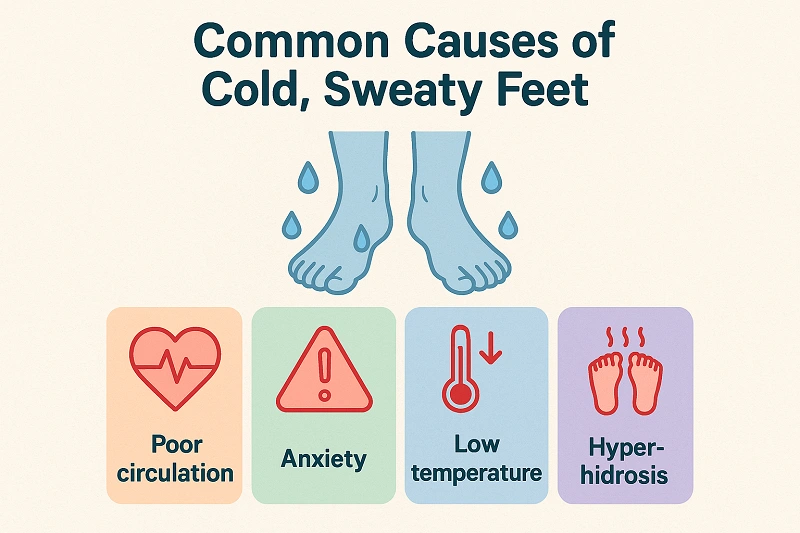
Experiencing feet that feel both freezing and sweaty can be confusing. This odd combination often points to underlying issues that disrupt how your body regulates temperature and moisture. Understanding common causes can help you identify what’s happening and find relief faster.
Poor Circulation
Poor circulation means your blood isn’t flowing well to your feet. Without enough warm blood reaching them, your feet can feel cold even if they sweat. Have you noticed your toes turning pale or numb along with the sweating? This is a sign that your circulatory system might need attention.
Nerve Damage
Nerves control both temperature and sweat glands in your feet. Damage to these nerves, often from conditions like diabetes, can confuse your body’s signals. You might end up with cold feet that sweat excessively because the nerves aren’t telling your sweat glands to work properly.
Hyperhidrosis
Hyperhidrosis is a condition where your sweat glands produce too much sweat, often without a clear reason. Even if your feet feel cold, they might still sweat profusely. Have you ever noticed your socks soaked even on chilly days? This condition can make managing foot comfort tricky.
Cold Environment
Being in a cold environment naturally cools your feet, but sometimes your body reacts by sweating. This reaction can be your body’s attempt to regulate temperature, though it seems counterintuitive. Think about times you felt cold but still ended up with clammy feet—this environmental factor could be why.
Stress And Anxiety
Stress triggers your body’s fight-or-flight response, which can cause sweating regardless of temperature. At the same time, anxiety might make your feet feel cold because blood flow shifts to vital organs. Have you noticed your feet sweating during stressful moments even when it’s cold? This emotional response is more common than you might think.
Medical Conditions
Feeling your feet freezing but sweaty can be confusing and uncomfortable. Sometimes, this strange sensation points to underlying medical conditions affecting your circulation, nerve function, or metabolism. Understanding these conditions can help you take better care of your feet and overall health.
Raynaud’s Phenomenon
Raynaud’s phenomenon causes your blood vessels to narrow excessively in response to cold or stress. This limits blood flow to your extremities, making your feet feel icy cold. At the same time, your body may trigger sweating as a response to stress or temperature changes, leading to that odd combination of cold and sweaty feet.
Have you noticed your toes turning white or blue during cold spells? This color change is a key sign of Raynaud’s and might explain your symptoms.
Diabetes
Diabetes can damage nerves and blood vessels in your feet, causing poor circulation and abnormal sweating. You might experience cold feet because of reduced blood flow, while nerve damage can cause your sweat glands to malfunction, resulting in sweaty feet.
Pay attention if you notice numbness or tingling along with these symptoms. It’s a sign that your diabetes may be affecting your foot health and needs medical attention.
Thyroid Issues
Both hypothyroidism and hyperthyroidism can disrupt your body’s temperature regulation. Hypothyroidism slows down your metabolism, often leading to cold feet, whereas hyperthyroidism may increase sweating.
If you find your feet are freezing yet sweaty, thyroid imbalance could be the culprit. Checking your thyroid hormone levels might give you answers you’ve been searching for.
Infections
Certain infections, especially fungal ones like athlete’s foot, can cause your feet to sweat excessively. At the same time, inflammation and poor circulation from infections might make your feet feel cold.
Do you notice itching or redness along with the cold and sweaty feeling? Treating the infection promptly can improve your symptoms significantly.
Lifestyle Factors
Understanding why your feet might feel freezing yet sweaty involves looking closely at your lifestyle habits. Small choices in daily routines can have surprising effects on how your body regulates temperature and moisture. Let’s break down some common lifestyle factors that could be causing this uncomfortable sensation in your feet.
Improper Footwear
Wearing shoes that don’t fit well or don’t breathe can trap moisture and heat around your feet. This creates a sweaty environment while the lack of airflow makes your feet feel cold. I once switched to synthetic shoes thinking they were durable, only to find my feet constantly damp and chilly after a few hours of wear.
Choose footwear made from natural materials like leather or mesh to allow better ventilation. Also, avoid shoes that are too tight, as they restrict blood flow, making your feet cold despite sweating.
Lack Of Movement
Sitting or standing in one position for too long slows down blood circulation in your feet. Poor circulation can cause your feet to feel cold, even when sweat glands are active. Have you noticed your feet getting clammy and cold during long office hours or while binge-watching your favorite shows?
Try to move your feet regularly by stretching or walking around every hour. Simple ankle rotations or foot flexes can boost circulation and help regulate temperature and moisture better.
Diet And Hydration
Your eating and drinking habits directly influence how your body manages heat and moisture. Consuming too much caffeine or spicy food can trigger excessive sweating, while dehydration might make your skin feel cooler to the touch. I once experienced cold, sweaty feet after skipping water and drinking several cups of coffee in a day.
Balance your diet with plenty of water and avoid excessive stimulants. Eating foods rich in vitamins and minerals supports healthy circulation, which can prevent your feet from becoming cold and sweaty.

Credit: lavascularspecialists.com
Quick Home Remedies
Dealing with feet that feel both freezing and sweaty can be frustrating. Luckily, there are simple remedies you can try right at home to ease this uncomfortable sensation. These quick fixes focus on improving blood flow, managing moisture, and calming your nervous system.
Warm Soaks
Soaking your feet in warm water helps boost circulation and relaxes your muscles. Add Epsom salt or a few drops of essential oils like lavender or peppermint to enhance the soothing effect.
Try soaking your feet for 15-20 minutes in water that’s comfortably warm, not hot. This can calm the sensation of coldness while reducing sweat by relaxing sweat glands.
Foot Exercises
Moving your feet regularly can improve blood flow and reduce the feeling of coldness. Simple exercises like ankle circles, toe wiggles, and heel lifts help keep your feet active.
Even when sitting, you can flex and stretch your feet to stimulate circulation. Do you notice a difference in warmth after just a few minutes of movement?
Breathable Socks
Wearing socks made from natural fibers like cotton or wool lets your feet breathe and helps manage sweat. Avoid synthetic materials that trap moisture and make your feet feel colder.
Choosing the right socks can prevent sweaty feet from cooling down too quickly. Have you checked what your socks are made of today?
Stress Reduction Techniques
Stress affects your nervous system and can cause both sweating and cold sensations in your feet. Practicing deep breathing, meditation, or gentle yoga can calm your body.
Try spending a few minutes each day focusing on your breath. How does your body feel afterward? Reducing stress might be the key to warmer, drier feet.
When To See A Doctor
Feet that feel cold and sweaty can be uncomfortable and confusing. Sometimes, this condition resolves on its own. Other times, it signals a deeper health issue. Knowing when to see a doctor is important. Early medical advice can prevent complications and improve comfort.
Persistent Symptoms
Cold, sweaty feet that last for weeks need medical attention. If home care and lifestyle changes do not help, consult a healthcare provider. Persistent symptoms might indicate nerve or circulation problems.
Associated Pain Or Numbness
Feet that feel freezing and sweaty along with pain or numbness require prompt evaluation. These signs may point to nerve damage or conditions like diabetes. Do not ignore unusual sensations in your feet.
Skin Changes
Look for changes in skin color, texture, or wounds that do not heal. Dry, cracked, or peeling skin along with cold, sweaty feet can signal infections or circulation issues. Seek medical help if skin changes appear.

Credit: lavascularspecialists.com
Frequently Asked Questions
Why Are My Feet Freezing But Sweaty At Night?
Cold, sweaty feet at night can result from poor circulation and overactive sweat glands. Stress and anxiety may also trigger this combination. Wearing tight shoes or synthetic socks can worsen the symptoms by trapping moisture and restricting blood flow.
Can Poor Circulation Cause Cold, Sweaty Feet?
Yes, poor circulation reduces blood flow, making feet cold. The body may respond by sweating excessively to regulate temperature. Conditions like diabetes or peripheral artery disease often cause such symptoms, so consulting a healthcare provider is important.
Does Anxiety Lead To Cold, Clammy Feet?
Anxiety activates the body’s stress response, causing sweating. At the same time, blood vessels constrict, reducing warmth in feet. This combination results in cold, sweaty feet during anxious moments or panic attacks.
How Can I Stop My Feet From Being Cold And Sweaty?
To reduce cold, sweaty feet, wear breathable socks and comfortable shoes. Keep feet dry and warm with moisture-wicking materials. Practice relaxation techniques to manage stress and improve circulation through regular exercise.
Conclusion
Cold and sweaty feet can feel strange and uncomfortable. This happens because your body tries to keep warm but also cools down by sweating. Poor circulation or stress might cause these symptoms. Wearing the right shoes and socks can help a lot.
Staying active and managing stress can improve blood flow. If symptoms last or worsen, see a doctor. Understanding why your feet react this way helps you take better care. Small changes make a big difference in comfort. Keep your feet dry and warm for the best relief.