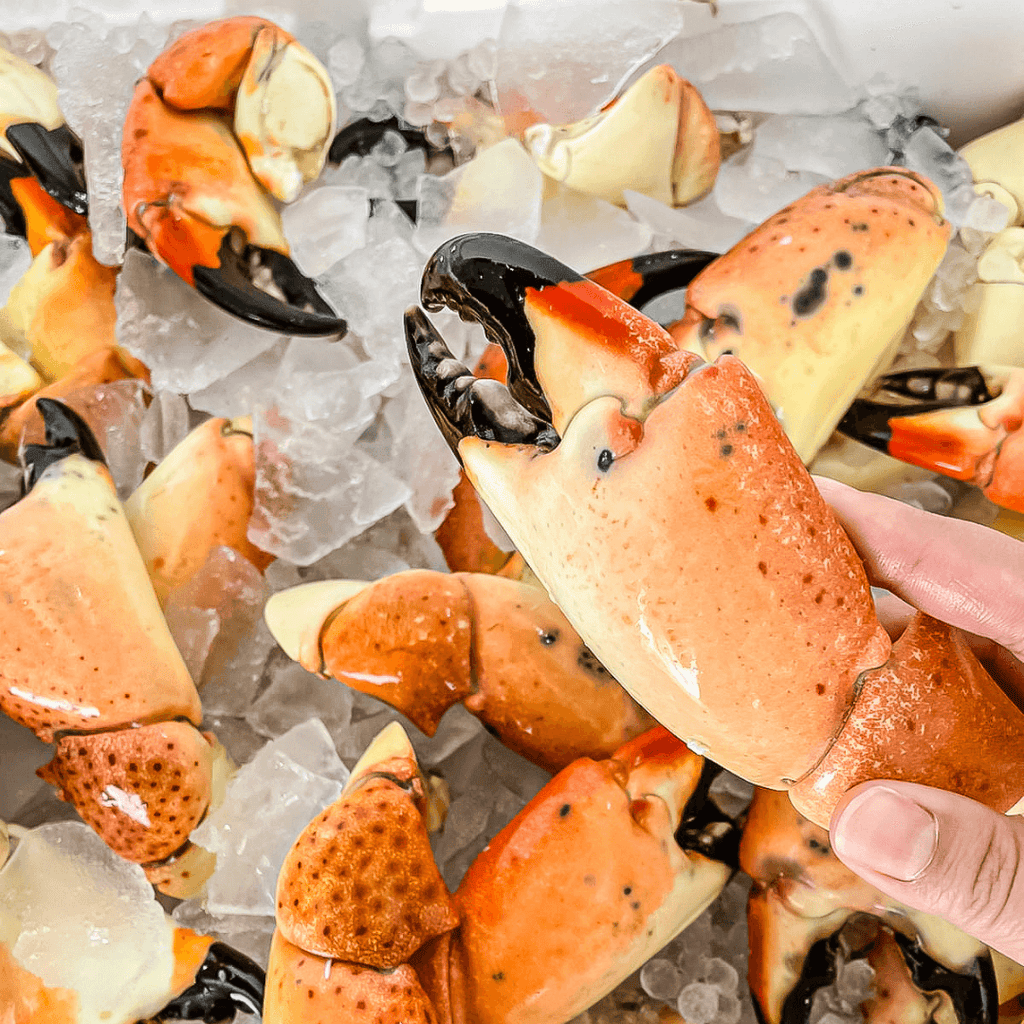
Do you love indulging in fresh crab but find yourself unsure of how to preserve its delectable taste for a later date? Freezing crab can be a game-changer, ensuring you always have this seafood delicacy at your fingertips.
Imagine being able to whip up a delicious crab dish whenever the craving strikes without worrying about freshness. You will discover simple yet effective steps to properly freeze crab, keeping it as delicious as the day you bought it. Say goodbye to waste and hello to convenience, as we guide you through the process of preserving your crab so you can enjoy its mouthwatering flavor any time you wish.
Dive in, and unlock the secret to enjoying crab whenever your heart desires!

Credit: www.njwoodsandwater.com
Choosing Fresh Crab
Choosing fresh crab is the first and most important step if you want to freeze crab that tastes delicious later. Freshness affects both flavor and texture after freezing. Knowing what to look for helps you avoid disappointment and ensures your crab stays enjoyable long after it’s thawed.
Spotting Quality Crabs
Look for crabs that are lively and active if you’re buying them live. A sluggish or inactive crab may not be fresh. The shell should be hard and intact, without cracks or soft spots.
Smell is a big clue. Fresh crab should have a clean, slightly salty scent like the ocean. Avoid any crab that smells fishy or sour—that’s a sign it’s past its prime.
Check the eyes and legs. Clear, shiny eyes and intact legs mean the crab was handled well. Missing legs or cloudy eyes often indicate poor quality or older crab.
Types Best For Freezing
Not all crabs freeze equally well. Blue crabs and Dungeness crabs are popular choices because they have firm meat that holds up after freezing.
King crabs are also great for freezing due to their thick legs and rich flavor. They tend to retain moisture and texture better than softer varieties.
Soft-shell crabs, however, don’t freeze as well. Their delicate texture can become mushy after thawing, so it’s better to consume them fresh.
Which type of crab do you usually buy, and have you noticed a difference in taste after freezing? Trying different varieties could help you find the best option for your freezer stash.

Credit: www.njwoodsandwater.com
Preparing Crab For Freezing
Preparing crab for freezing is an essential step to preserve its fresh flavor and texture. Handling the crab properly before freezing helps prevent freezer burn and maintains the quality of the meat. Taking the time to clean and cook your crab correctly ensures that when you thaw it later, it tastes as delicious as when it was fresh.
Cleaning And Cooking Steps
Start by rinsing the crab under cold water to remove any dirt or debris. Use a brush to gently scrub the shell, especially around the legs and claws where sand can hide. This simple cleaning step prevents any unwanted grit from ending up in your frozen crab.
Next, cook the crab thoroughly. Boiling is the easiest method—immerse the crab in salted boiling water for about 10-15 minutes. Cooking not only kills bacteria but also firms up the meat, making it easier to handle when freezing.
Have you noticed how some crabs cook faster than others? That often depends on their size, so adjust the time accordingly. Overcooked crab can become rubbery, so keep a close eye during this step.
Removing Shells And Meat
Once the crab is cool enough to handle, start removing the shell. Pull off the legs and claws first, then crack them open using a crab cracker or a mallet. This helps you access the meat without damaging it.
Carefully extract the meat from the body and legs, avoiding any bits of shell. Place the meat on a clean plate or bowl. This step ensures you freeze only the edible parts, saving space and making thawing easier.
Consider portioning the meat into meal-sized amounts before freezing. This way, you only thaw what you need, keeping the rest fresh. Have you tried freezing crab in vacuum-sealed bags? It’s a great way to prevent freezer burn and retain moisture.
Freezing Methods
Freezing crab properly can preserve its fresh flavor and texture, allowing you to enjoy this delicious seafood long after your purchase. There are different ways to freeze crab depending on whether you’re handling whole crabs or just the meat. Choosing the right method can make a big difference in how well your crab tastes when thawed.
Freezing Whole Crab
Freezing whole crab is a great option if you want to keep the crab intact for later cooking. Start by cleaning the crab thoroughly and removing any dirt or debris. You can freeze the crab either cooked or raw, but cooking it first helps maintain the flavor and texture.
Wrap the crab tightly in plastic wrap or aluminum foil to protect it from freezer burn. Then place it in a heavy-duty freezer bag or airtight container. Label the package with the date so you know how long it’s been stored.
Freezing Crab Meat
Freezing crab meat allows for easier use in recipes like salads or dips. After extracting the meat, make sure to remove any shell fragments. Pat the meat dry to avoid ice crystals forming during freezing.
Place the crab meat in a shallow airtight container or freezer bag. You can add a little saltwater or broth to keep the meat moist if you plan to freeze it for more than a month. Remember to press out as much air as possible before sealing.
Using Vacuum Sealing
Vacuum sealing is one of the best ways to freeze crab, whether whole or just the meat. Removing air prevents freezer burn and extends the crab’s shelf life. This method helps maintain the crab’s freshness and flavor much longer than regular freezing methods.
If you have a vacuum sealer, place the crab or crab meat inside the vacuum bag and seal it tightly. This extra step can save you money by reducing waste and preserving your crab’s quality. Have you tried vacuum sealing before, and did it change how your seafood tasted after freezing?
Packaging Tips
Proper packaging helps keep crab fresh and tasty in the freezer. It stops air and moisture from damaging the crab meat. Good packaging also protects the crab from freezer odors and helps keep its texture firm. Taking care in this step makes your crab last longer and taste better after freezing.
Choosing Containers And Bags
Use airtight containers or heavy-duty freezer bags for crab. Containers should be made of plastic or glass with tight lids. Freezer bags need to be thick and seal completely. Avoid regular plastic bags as they let in air. Containers with space for expansion prevent damage to crab meat.
- Choose containers with secure lids to avoid spills.
- Select freezer bags labeled for freezing to prevent leaks.
- Remove as much air as possible before sealing bags.
- Label containers with the date to track freshness.
Preventing Freezer Burn
Freezer burn dries out crab meat and changes its flavor. It happens when air touches the crab in the freezer. To prevent this, wrap crab tightly in plastic wrap before placing in containers or bags. Use vacuum sealing for the best protection. Store crab in the coldest part of the freezer. Avoid opening the freezer too often to keep a steady temperature.
Freezer Storage Duration
Knowing how long crab can safely stay in your freezer is key to enjoying its fresh flavor later. Freezer storage duration affects both taste and safety, so it’s important to store crab properly and use it within the right timeframe. Have you ever found crab in your freezer and wondered if it’s still good? Let’s clear up the confusion.
Ideal Storage Times
Fresh crab meat can last in the freezer for about 3 to 6 months without losing quality. Cooked crab generally stays best for up to 6 months. If you freeze crab for longer than these periods, the texture and flavor may start to degrade.
Here’s a quick guide to help you remember:
| Type of Crab | Freezer Storage Time |
|---|---|
| Raw Crab Meat | 3 to 6 months |
| Cooked Crab Meat | Up to 6 months |
| Whole Cooked Crab | 4 to 6 months |
Label your packages with the date you freeze them. This simple step can save you from guessing and tossing out crab that is still good. Do you have crab tucked away in your freezer now? Check the date before you plan your next meal.
Signs Of Spoiled Crab
Even if crab is frozen, it can still spoil if stored too long or improperly. Watch for these signs to avoid unpleasant surprises:
- Off smell:Fresh crab has a sweet, ocean scent. A sour or ammonia-like odor is a red flag.
- Discoloration:If the crab meat looks dull, grey, or has dark spots, it’s likely gone bad.
- Texture changes:Slimy or mushy meat signals spoilage, while properly frozen crab should be firm.
- Freezer burn:White, dry patches on the surface mean the crab has been exposed to air and lost moisture.
Have you ever tasted crab that just didn’t feel right? Trust your senses—if anything seems off, it’s better to be safe and discard it. Your health is worth more than a meal.
Thawing Crab Safely
Thawing crab safely is important to keep its flavor and texture fresh. Proper thawing stops harmful bacteria from growing. It also helps maintain the crab’s natural taste and firmness. There are easy ways to thaw crab that protect its quality.
Refrigerator Thawing
Place frozen crab in the refrigerator to thaw slowly. This keeps the crab at a safe, cold temperature. It usually takes 12 to 24 hours to thaw fully. Put the crab on a plate or in a shallow dish. This catches any liquid that might drip. Avoid thawing crab at room temperature to stop bacteria growth.
Quick Thawing Techniques
For faster thawing, use cold water. Seal the crab tightly in a plastic bag. Submerge the bag in cold water. Change the water every 30 minutes to keep it cold. The crab should thaw in 1 to 2 hours. Do not use warm or hot water as it can cook the crab and cause bacteria growth.
Cooking Frozen Crab
Cooking frozen crab can be a simple and delicious experience. Proper cooking brings out the crab’s natural sweetness and tender texture. Thaw the crab gently to keep it moist and flavorful. Use cooking methods that suit frozen crab well, such as steaming or boiling. Avoid overcooking to maintain the best taste and texture.
Best Recipes For Frozen Crab
Frozen crab works well in many recipes. Try crab cakes with fresh herbs and spices. Crab pasta with garlic butter sauce is tasty and easy. Use crab meat in creamy soups for warmth and comfort. Stir crab into fried rice for a quick meal. Each recipe highlights crab’s sweet and delicate flavor.
Maintaining Flavor And Texture
Thaw frozen crab slowly in the refrigerator. Avoid microwaving or hot water thawing to prevent texture loss. Cook crab just until heated through. Overcooking makes crab rubbery and dry. Use gentle heat methods like steaming or simmering. Season crab lightly to keep its natural taste strong. Serve immediately for best flavor and texture.

Credit: urbanblisslife.com
Frequently Asked Questions
How Long Can You Freeze Crab Safely?
You can freeze crab for up to 3 months. Keep it airtight to prevent freezer burn. Always label with the freezing date.
Should Crab Be Cooked Before Freezing?
Yes, cook crab before freezing. Cooking preserves flavor and texture. It also prevents bacterial growth during storage.
What Is The Best Way To Store Crab For Freezing?
Wrap crab tightly in plastic wrap or foil. Place it in a freezer bag or airtight container. Remove excess air to avoid freezer burn.
Can You Freeze Crab Meat And Shells Together?
It’s best to freeze crab meat separately. Shells take up space and may cause faster freezer burn. Use shells for broth later.
Conclusion
Freezing crab helps keep its fresh taste for longer. Use clean containers or bags to avoid freezer burn. Label the package with the date to track freshness. Thaw crab slowly in the fridge for best results. Enjoy your crab in meals anytime, without waste.
Simple steps make freezing crab easy and effective. Save money and reduce food waste by freezing properly. Your crab will stay tasty and ready to eat. Give these tips a try for fresh crab all year.