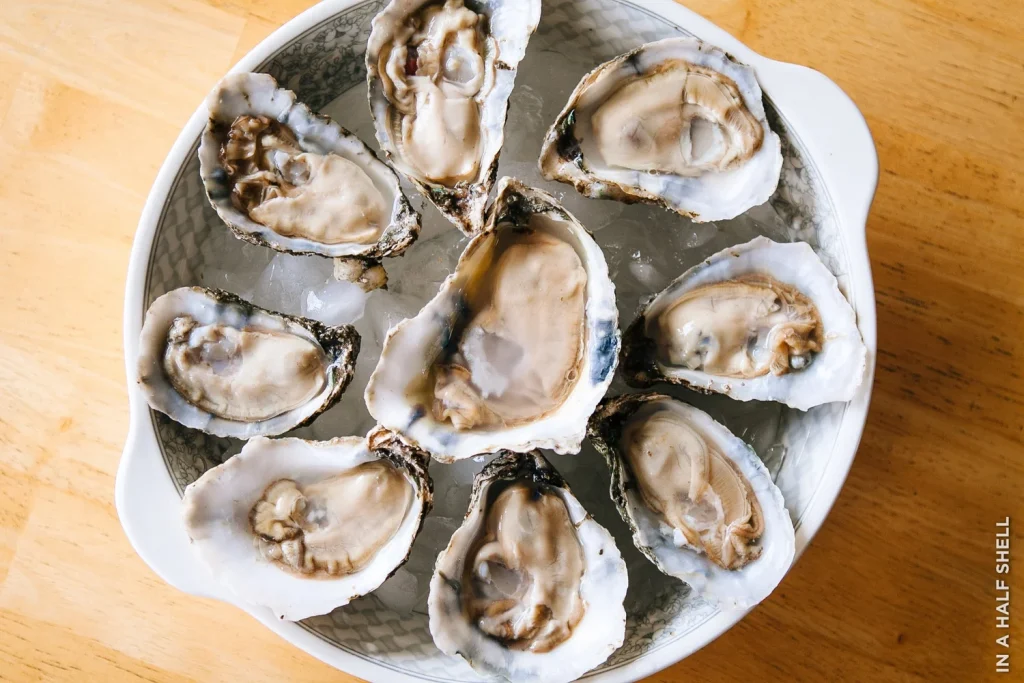
Ever found yourself staring at a batch of shelled oysters, wondering if you can freeze them for later use? You’re not alone.
Many seafood lovers face this dilemma, trying to balance their love for fresh oysters with the realities of managing a busy kitchen. The good news is, you’re about to discover some surprising insights that could change the way you think about oyster storage.
Imagine the convenience of having your favorite seafood ready whenever you crave it, without compromising on taste or quality. Ready to find out if freezing shelled oysters is the solution you’ve been searching for? Let’s dive in and explore the possibilities together.
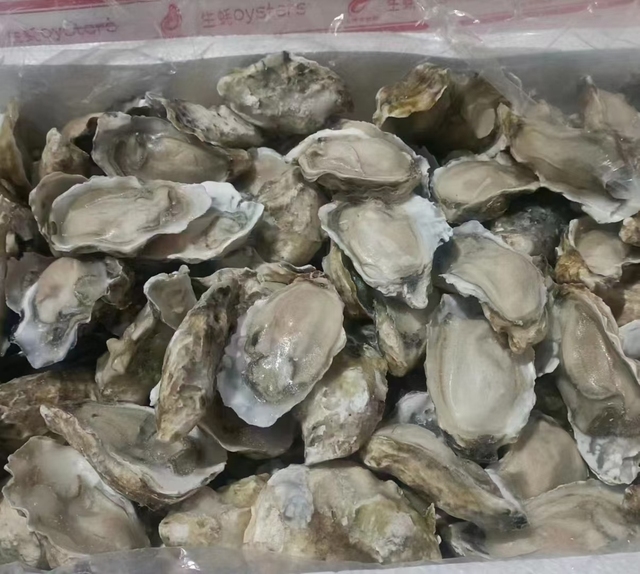
Credit: www.accio.com
Freezing Shelled Oysters Basics
Freezing shelled oysters helps preserve their freshness for later use. Proper freezing keeps their texture and flavor intact. Knowing the basics can help you freeze oysters safely and enjoy them anytime.
Why Freeze Shelled Oysters
Freezing shelled oysters extends their usability beyond fresh limits. It prevents waste when you buy in bulk or cannot consume them quickly. Frozen oysters are convenient for cooking later. They maintain good taste if frozen correctly.
Shelf Life Before Freezing
Shelled oysters should be fresh before freezing. Keep them in the fridge no longer than 2 days. Use oysters with no off smell or slimy texture. Freezing them too late affects taste and safety.
Preparing Oysters For Freezing
Preparing oysters for freezing is a crucial step to maintain their texture and flavor. Proper preparation prevents spoilage and ensures you enjoy fresh-tasting oysters even after thawing. Let’s look at how to get your oysters ready for freezing with care and precision.
Cleaning And Shucking Tips
Start by rinsing your oysters under cold running water to remove any sand or debris. Use a stiff brush to scrub the shells gently but thoroughly. This helps prevent grit from contaminating your oysters once shucked.
Next, shuck the oysters carefully using a proper oyster knife. Hold the shell tightly and insert the knife at the hinge, twisting gently to pop it open. Avoid spilling the natural oyster juice, also called the liquor, as it helps preserve flavor during freezing.
Once opened, inspect each oyster for any shell fragments and remove them. Keep the oysters and their liquor together, as this moisture protects the meat’s texture while frozen.
Choosing The Right Containers
Select containers that minimize air exposure to prevent freezer burn. Airtight plastic containers or heavy-duty freezer bags work best for storing oysters. If you use bags, squeeze out as much air as possible before sealing.
Consider portioning the oysters into meal-sized batches. This way, you only thaw what you need without compromising the rest. Label each container with the freezing date to keep track of freshness.
If possible, add a small amount of the oyster liquor into the container with the meat. This extra liquid helps maintain moisture during freezing and improves the oyster’s texture after thawing.
Freezing Methods For Best Results
Freezing shelled oysters properly keeps their taste and texture fresh. Using the right freezing methods prevents ice crystals from forming. These crystals can damage the oyster’s delicate flesh. The goal is to freeze oysters quickly and evenly. This section explains two effective techniques to help maintain oyster quality.
Flash Freezing Technique
Flash freezing stops ice crystals from growing inside the oyster. Place oysters on a baking sheet in a single layer. Put the sheet in the freezer for a few hours. This freezes oysters rapidly and separately. Once frozen, transfer them to airtight containers or freezer bags. Removing as much air as possible keeps oysters fresh longer.
Using Ice Water Slurry
An ice water slurry chills oysters before freezing. Fill a bowl with cold water and plenty of ice cubes. Submerge the oysters in the ice water for about 10 minutes. This cools them quickly and reduces temperature shock. After chilling, drain the oysters well. Pat them dry with paper towels to avoid extra moisture. Then pack oysters tightly in freezer-safe containers or bags.
Storing Frozen Oysters Safely
Storing frozen oysters properly keeps their flavor and texture intact. Poor storage can lead to spoilage and loss of taste. Safe freezing preserves oysters for future meals without risk.
Optimal Freezer Temperature
Keep your freezer at or below 0°F (-18°C). This temperature stops bacteria growth and maintains freshness. Use a freezer thermometer to check the temperature regularly. Avoid frequent door openings to keep the temperature steady.
Avoiding Freezer Burn
Freezer burn dries out oysters and ruins their texture. Wrap oysters tightly in plastic wrap or foil before freezing. Place wrapped oysters in airtight containers or heavy-duty freezer bags. Remove excess air to prevent ice crystals from forming. Label packages with the freezing date for rotation.
Thawing Shelled Oysters Properly
Thawing shelled oysters properly is key to maintaining their texture and flavor after freezing. If you rush the process or use the wrong method, you risk ending up with rubbery or bland oysters. Taking a little extra care during thawing can make your seafood taste as fresh as the day it was shucked.
Slow Thawing In Refrigerator
Place your frozen shelled oysters in a sealed container or a ziplock bag to prevent any leakage. Then, set them in the refrigerator and let them thaw slowly for about 12 to 24 hours. This gentle thawing keeps the oysters cold enough to avoid bacterial growth while preserving their delicate texture.
Slow thawing may require some planning ahead, but it pays off with oysters that retain their natural brininess. Ever noticed how seafood left out too long loses its snap? That’s what slow thawing helps you avoid.
Quick Thawing Tips
If you’re short on time, you can thaw shelled oysters quickly using cold water. Keep the oysters sealed in a watertight bag and submerge them in a bowl of cold water. Change the water every 20-30 minutes to keep it cold, and they should be ready in about an hour.
Avoid using warm or hot water—it cooks the oysters unevenly and ruins their texture. Quick thawing works best if you plan to cook the oysters immediately afterward, such as in stews or seafood pasta.
Maintaining Oyster Quality Post-freezing
Freezing shelled oysters is a practical way to extend their shelf life, but it does come with challenges to maintaining their quality. The freezing process can affect both texture and flavor, so knowing how to handle oysters after freezing is key to enjoying them fully. Let’s look at what changes to expect and how you can still make the most of frozen oysters in your cooking.
Texture And Flavor Changes
Freezing causes ice crystals to form inside oyster tissues, which can break down their delicate structure. When you thaw them, oysters may feel softer or slightly mushy compared to fresh ones. The flavor might lose some of its fresh briny punch, becoming milder or a bit watery.
To help preserve texture, freeze oysters quickly and keep them at a constant low temperature. Thaw them slowly in the refrigerator rather than at room temperature to reduce moisture loss. Have you noticed how even slight changes in handling can make a big difference in taste?
Using Oysters In Recipes
Frozen oysters work best in dishes where their texture is less critical. Think of cooked recipes like stews, chowders, or casseroles where the oysters blend with other ingredients. Their milder flavor actually allows spices and herbs to shine more.
Try adding them to oyster stew or seafood pasta—cooking gently will help keep them tender without overcooking. If you want to enjoy oysters raw, freezing is not the ideal choice, but for cooked meals, frozen oysters can be a convenient and tasty option.
Common Mistakes To Avoid
Freezing shelled oysters can be a smart way to preserve their freshness. Still, many make mistakes that spoil the oysters’ quality or safety. Avoiding these common errors helps keep oysters tasty and safe to eat.
Refreezing Oysters
Refreezing oysters after thawing harms their texture and flavor. It also raises the risk of bacterial growth. Always freeze oysters only once. Use them soon after thawing for the best taste and safety.
Ignoring Expiry Dates
Oysters have a limited shelf life, even when frozen. Ignoring expiry dates can lead to eating spoiled oysters. Always check the date on packaging before freezing or using oysters. Fresh oysters ensure a better and safer meal.
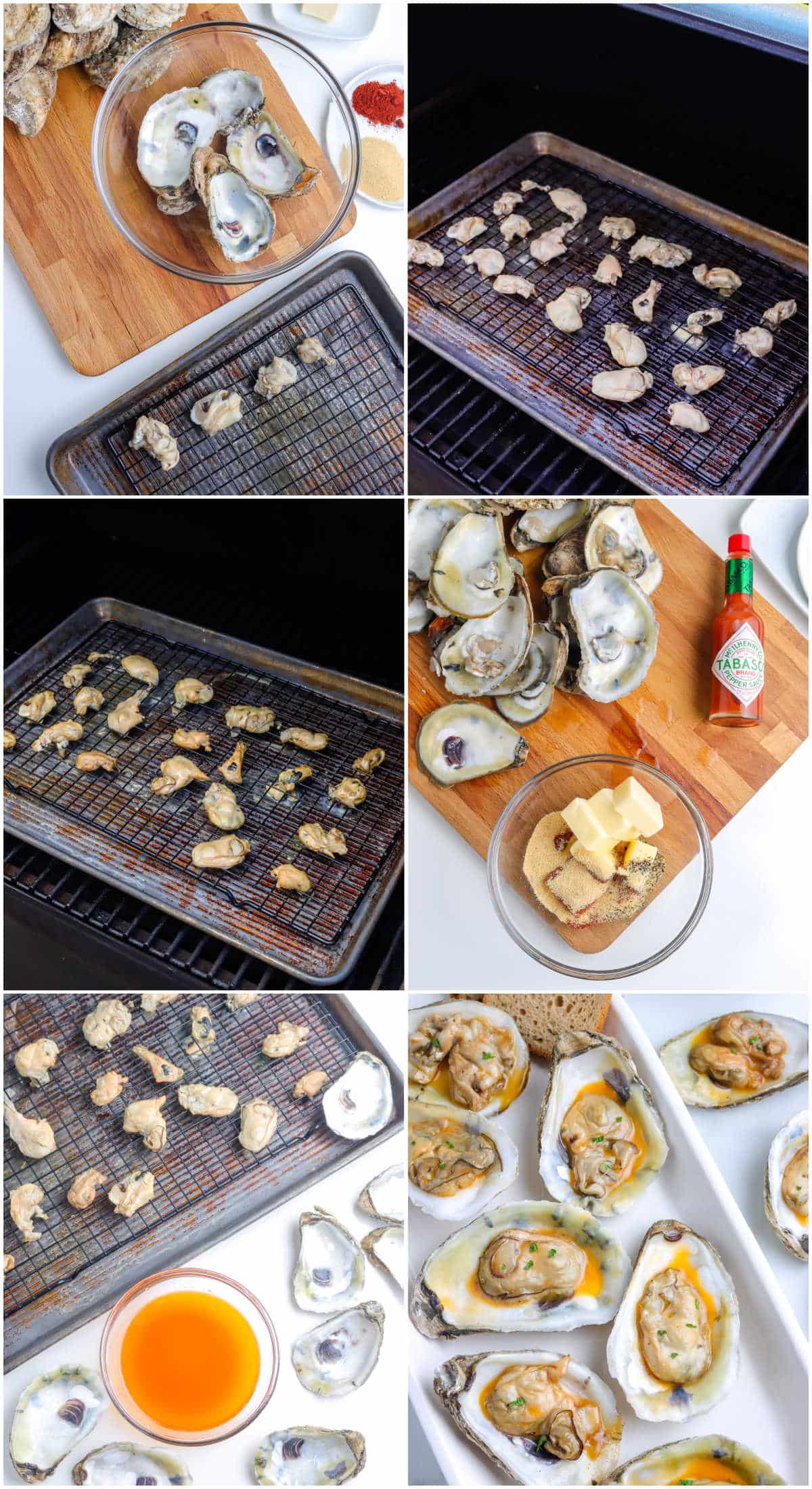
Credit: foodfolksandfun.net
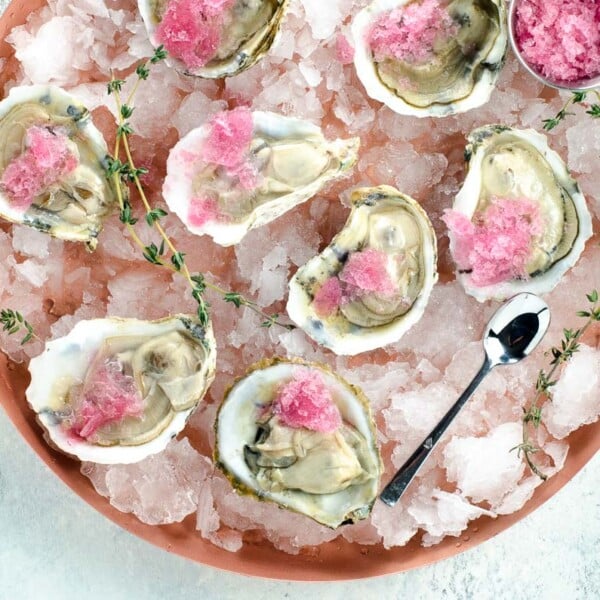
Credit: umamigirl.com
Frequently Asked Questions
Can You Freeze Shelled Oysters Safely?
Yes, you can freeze shelled oysters safely. Use airtight containers or vacuum-sealed bags. Freeze them quickly to preserve freshness and texture. Consume within 3 months for best quality.
How Long Do Frozen Shelled Oysters Last?
Frozen shelled oysters last about 3 months. Beyond this, their texture and flavor may degrade. Always label the container with the freezing date for reference.
Should Shelled Oysters Be Blanched Before Freezing?
Blanching shelled oysters before freezing is not necessary. Freezing them raw preserves their natural flavor and texture better. Just ensure they are fresh and properly sealed.
How To Thaw Frozen Shelled Oysters Properly?
Thaw frozen shelled oysters in the refrigerator overnight. Avoid thawing at room temperature to prevent bacterial growth. Use them immediately after thawing for safety and best taste.
Conclusion
Freezing shelled oysters can keep them safe for later use. Always clean them well before freezing. Use airtight containers to avoid freezer burn. Thaw oysters slowly in the fridge for best taste. Avoid freezing more than once to keep quality.
Remember, frozen oysters are best for cooking, not raw eating. This method helps reduce waste and saves money. Try freezing oysters to enjoy their flavor anytime. Simple steps make freezing easy and effective. Keep these tips in mind for fresh-tasting oysters later.