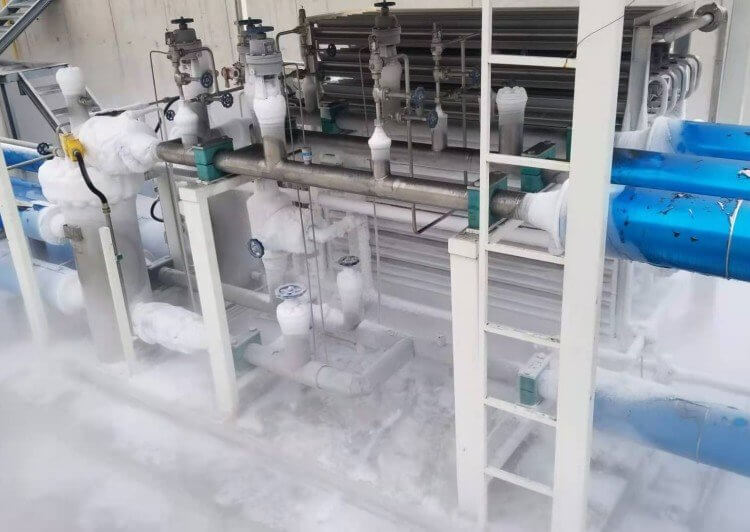
Have you ever wondered what happens to natural gas when temperatures plummet? You might think that, like water, it freezes and stops flowing.
But is that really the case? Understanding the freezing point of natural gas is crucial, especially if you rely on it for heating your home or powering your business. We’ll unravel the mystery behind what temperature natural gas freezes at and why it matters to you.
By the end, you’ll have a clear understanding of how temperature affects natural gas, ensuring you’re well-prepared for those cold winter months. Stay tuned to discover the surprising facts that could keep your home warm and your energy flowing smoothly.
Natural Gas Composition
Understanding the composition of natural gas is key to knowing how it behaves under different temperatures, including when it might freeze. Natural gas isn’t a single substance but a mix of various gases, each affecting its properties. Knowing what makes up natural gas helps you grasp why freezing points vary and how this impacts its use and storage.
Primary Components
Natural gas mainly consists of methane, which makes up about 70% to 90% of the total volume. Methane is a simple hydrocarbon that burns cleanly and efficiently, making it a preferred fuel source.
Besides methane, there are other hydrocarbons like ethane, propane, and butane. These contribute to the energy content and influence the gas’s freezing point.
Small amounts of gases such as carbon dioxide and nitrogen are also present. While they don’t burn, they affect the physical properties of natural gas, including temperature behavior.
Impurities And Additives
Natural gas often contains impurities like water vapor, hydrogen sulfide, and trace amounts of other gases. Water vapor, in particular, can freeze and cause blockages in pipelines, creating operational challenges.
To prevent freezing and corrosion, companies add chemicals called inhibitors. These additives help keep pipelines clear and maintain gas flow, especially in cold environments.
Have you ever wondered how gas companies keep supply steady in freezing weather? It’s these additives and careful control of impurities that make it possible.
Credit: 256today.com
Freezing Point Of Natural Gas
Understanding the freezing point of natural gas is crucial, especially if you live or work in colder climates. Natural gas behaves differently than water or other common liquids you might be familiar with. Knowing the temperature at which it solidifies can help you prevent pipeline blockages and ensure safe handling.
Methane And Its Properties
Methane is the main component of natural gas, making up about 70-90% of its composition. It is a colorless and odorless gas under normal conditions, which is why an odorant is added for safety. Methane’s physical properties, including its freezing point, significantly affect how natural gas is stored and transported.
Methane freezes at a much lower temperature than water, which means it remains gaseous in most environments where you might expect freezing issues. This low freezing point is why natural gas pipelines generally don’t freeze under typical cold weather. However, understanding methane’s specific properties helps you anticipate problems in extreme conditions.
Temperature Ranges For Freezing
The freezing point of pure methane is approximately -182.5°C (-296.5°F). This extremely low temperature means methane rarely freezes under natural Earth surface conditions.
Natural gas, however, is a mixture of gases including ethane, propane, butane, and others. These components have higher freezing points, which slightly raise the overall freezing temperature of natural gas mixtures.
| Component | Freezing Point (°C) | Freezing Point (°F) |
|---|---|---|
| Methane | -182.5 | -296.5 |
| Ethane | -183.3 | -297.9 |
| Propane | -187.7 | -305.9 |
| Butane | -138.3 | -216.9 |
Have you ever wondered why natural gas pipelines rarely freeze even in harsh winters? It’s largely because these temperatures are far colder than any weather you’d typically encounter. But if your work involves storage or transport of liquefied natural gas (LNG), you need to keep these freezing points in mind.
Next time you think about natural gas freezing, consider the extreme cold required to turn it solid. Could your equipment handle such conditions, or do you need special measures to prevent freezing?
Factors Affecting Freezing
Natural gas does not freeze at a fixed temperature. Several factors change when and how it freezes. These factors affect its physical state and usability. Understanding these helps in handling and storing natural gas safely.
Pressure Influence
Pressure plays a key role in natural gas freezing. Higher pressure can lower the freezing point. This means gas stays liquid at colder temperatures. Lower pressure makes freezing easier at higher temperatures. Gas pipelines keep pressure stable to prevent freezing.
Gas Mixture Variations
Natural gas is not pure methane alone. It contains other gases like ethane, propane, and butane. Each gas has its own freezing point. The mix changes the overall freezing temperature. More heavy hydrocarbons mean higher freezing points. Variations in gas mix affect how and when freezing occurs.

Credit: www.aol.com
Natural Gas Behavior In Cold Conditions
Natural gas behaves differently in cold conditions compared to other fuels. It remains in a gaseous state at very low temperatures. The freezing point of natural gas is extremely low, far below typical weather conditions. Understanding how natural gas acts in cold weather is important for safe storage and transport. This knowledge helps prevent problems in pipelines and storage facilities during winter months.
Pipeline Challenges
Pipelines face several issues in cold weather. Natural gas does not freeze, but moisture inside pipelines can freeze. Ice formation can block gas flow and cause pressure build-up. This can lead to leaks or pipeline damage. Operators must monitor temperature and pressure regularly. Using dehydration systems removes moisture to stop ice formation. Pipeline materials also contract in cold, risking cracks or breaks. Proper insulation and heating systems help maintain pipeline integrity.
Storage Considerations
Storing natural gas in cold climates requires careful planning. Gas is often stored as a liquid at very low temperatures. This helps save space but demands special containers. These containers must keep the gas cold without letting it warm up. Temperature changes can cause gas expansion or contraction, increasing pressure. Safety valves and pressure relief systems prevent accidents. Storage facilities also use heaters and insulation to control temperature. Regular checks ensure the equipment works well in freezing weather.
Preventing Freezing In Natural Gas Systems
Preventing freezing in natural gas systems is vital for safe and efficient operation. Freezing can block pipelines, disrupt supply, and cause costly damage. Taking steps to keep gas flowing smoothly helps avoid these issues. Two main approaches protect systems from freezing: insulation and heating.
Insulation Techniques
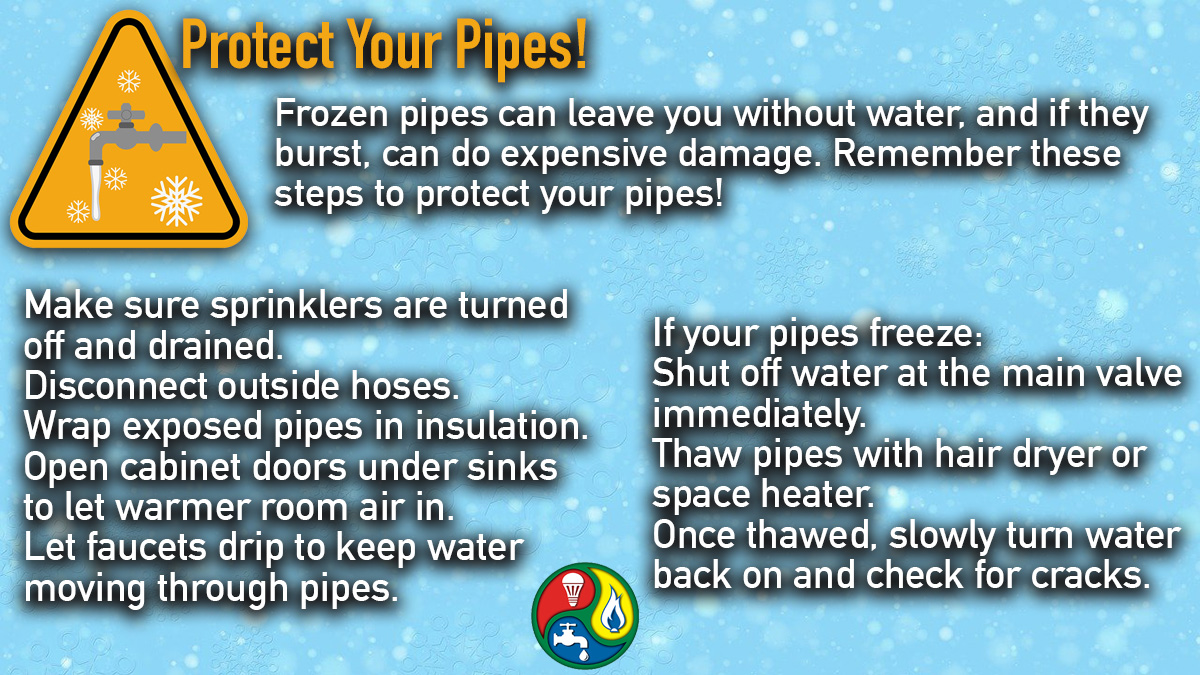
Insulation reduces heat loss from pipes and equipment. It creates a barrier that keeps the gas warm. Common materials include foam, fiberglass, and rubber. Insulation must cover all exposed parts of the system.
- Wrap pipes with foam sleeves or fiberglass tape
- Use insulated jackets on valves and meters
- Seal joints and gaps to stop cold air entry
- Apply weatherproof coatings to protect insulation from moisture
Proper insulation lowers the risk of ice forming inside pipelines. It also saves energy by reducing the need for constant heating.
Heating Solutions
Heating systems maintain temperature above freezing points. They provide direct warmth to critical sections of the network. Common heating methods include electric heat tracing and heat tapes.
- Electric heat tracing cables run along pipes to keep them warm
- Heat tapes wrap around small pipes and fittings for extra heat
- Heating pads or blankets can be placed on valves
- Temperature sensors monitor heat levels and control power use
These heating solutions prevent freezing during cold weather. They ensure natural gas flows freely and safely through the system.
Safety Risks Linked To Freezing
Freezing natural gas can create serious safety risks. Gas does not freeze easily, but under extreme cold, issues may arise. These risks affect pipelines, appliances, and overall gas flow.
Understanding these dangers helps prevent accidents and ensures safe handling. Two main concerns are blockages leading to pressure build-up and explosion hazards.
Blockages And Pressure Build-up
When natural gas freezes, solid particles can form. These block the flow inside pipes and valves. Blockages cause pressure to rise behind the frozen area. High pressure can damage pipes or fittings.
Pressure build-up may lead to leaks or bursts. It also disrupts gas supply to homes and businesses. Regular maintenance and monitoring reduce this risk.
Explosion Hazards
Pressure from blockages can cause pipes to rupture suddenly. Escaping gas can ignite, causing explosions or fires. Explosions pose a threat to people and property nearby.
Frozen gas can also cause irregular pressure changes. These changes increase the chance of dangerous leaks. Proper safety measures are critical to avoid these hazards.
Technological Advances
Technological advances have made handling natural gas in cold temperatures much safer. These innovations help prevent freezing and maintain smooth gas flow. Engineers use special materials and smart systems to fight the risks of freezing.
Freeze-resistant Materials
Freeze-resistant materials play a key role in natural gas systems. Pipes and equipment often use coatings that stop ice from forming. These materials keep gas flowing even in very low temperatures. They reduce damage and lower maintenance costs. Using these materials extends the life of gas pipelines.
Monitoring Systems
Monitoring systems track temperature and pressure in real time. Sensors alert operators to freezing risks early. This helps fix problems before they get worse. Some systems use automated controls to adjust flow and heat. These tools improve safety and efficiency in gas delivery.

Credit: extension.psu.edu
Frequently Asked Questions
What Temperature Does Natural Gas Freeze At?
Natural gas does not freeze under normal atmospheric pressure. It remains gaseous until it reaches around -260°F (-162°C), its liquefaction point. Below this temperature, it becomes a liquid, not a solid. Thus, natural gas doesn’t freeze in typical environmental conditions.
Can Natural Gas Freeze In Winter Conditions?
Natural gas rarely freezes in winter since its freezing point is extremely low. Typical winter temperatures are far above -260°F (-162°C). So, natural gas stays gaseous and flows normally in pipelines during cold weather, preventing freezing issues in standard climates.
How Does Temperature Affect Natural Gas State?
Temperature affects natural gas by changing its state between gas and liquid. Above -260°F (-162°C), it stays gaseous. Below this, it liquefies. Freezing into a solid is uncommon, as natural gas requires much colder temperatures than found naturally on Earth.
What Happens To Natural Gas Below -260°f (-162°c)?
Below -260°F (-162°C), natural gas turns from gas to liquid. This process is called liquefaction. It does not freeze into a solid but becomes liquid natural gas (LNG). LNG is easier to store and transport at these low temperatures.
Conclusion
Natural gas freezes at extremely low temperatures, far below normal weather. This means it rarely freezes during everyday use or storage. Knowing this helps you understand how safe and reliable natural gas is. Cold climates do not usually affect its flow.
Keeping pipes insulated can prevent any issues in very cold places. Overall, natural gas remains stable and usable in most conditions. This makes it a good energy choice for many homes and industries.