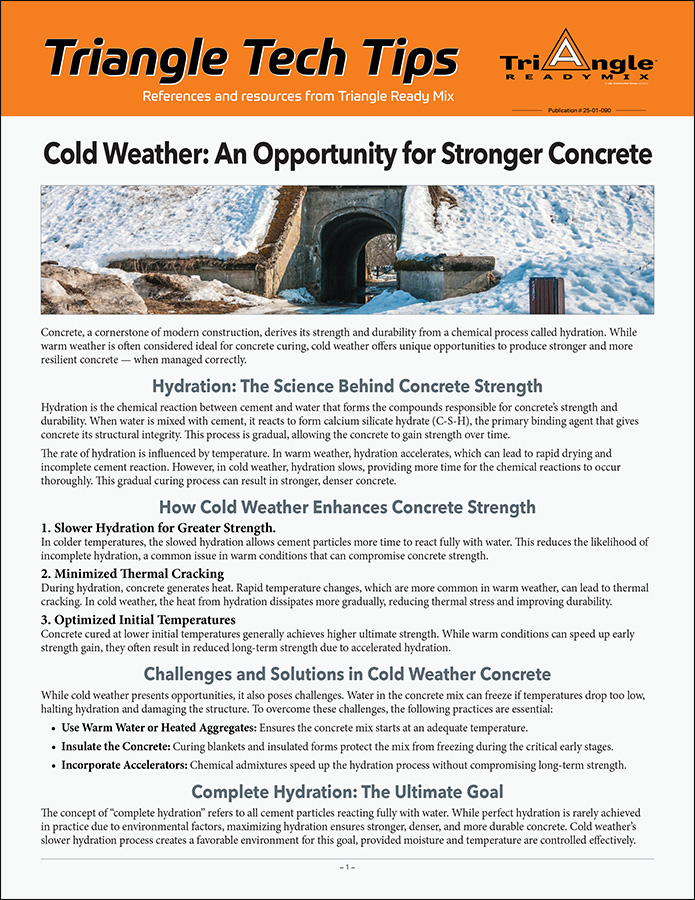
Ever wondered why some concrete projects last decades while others crack under pressure? The secret might just lie in something as simple as temperature.
If you’re planning any construction work this winter, understanding the freezing point of concrete could save you time, money, and a whole lot of hassle. You might be surprised to learn that concrete doesn’t behave like your average glass of water when the mercury drops.
So, what temperature does concrete freeze, and why should you care? Stick around, because knowing this could be the key to ensuring your project stands the test of time. Let’s dive into what happens to concrete when the cold sets in and how you can protect your investment from the chill.
Concrete And Freezing Point
Concrete is a mixture that contains water, cement, and aggregates. Understanding how freezing affects concrete is crucial, especially in colder climates. The freezing point of concrete isn’t just about water turning to ice; it directly impacts the strength and durability of your structure.
Freezing Temperature Of Water In Concrete
The water inside concrete can freeze at 32°F (0°C), just like regular water. However, the presence of cement and other materials changes how this freezing affects the entire mix.
When water freezes, it expands by about 9%. This expansion can cause cracks inside the concrete if it happens before the concrete has properly hardened. That’s why freshly poured concrete is vulnerable to freezing temperatures.
Did you know that concrete with higher water content is more at risk? More water means more ice formation, leading to greater internal pressure and damage.
Impact Of Temperature On Concrete Properties
Cold temperatures slow down the chemical reactions that make concrete harden and gain strength. If concrete freezes too early, it may never reach its full strength.
Freezing can cause micro-cracks, reducing the concrete’s durability and lifespan. Have you ever noticed cracked sidewalks after a cold winter? That’s a clear example of temperature’s impact.
To protect your concrete, you can:
- Use additives that lower the freezing point of water inside the mix.
- Cover freshly poured concrete with insulating blankets or plastic sheets.
- Control the temperature during curing by using heaters or heated enclosures.
Are you ready to take steps that ensure your concrete lasts through winter? Understanding these temperature effects lets you make smarter choices for your projects.

Credit: www.akcp.com
Effects Of Freezing On Concrete
Freezing temperatures can cause serious problems for concrete. Water inside the concrete expands as it freezes. This expansion creates pressure, which can damage the concrete’s structure. Understanding the effects of freezing helps protect concrete from long-term harm.
Cracking And Structural Damage
Water inside concrete freezes and expands. This expansion puts stress on the concrete. Small cracks can start to form on the surface. Over time, these cracks grow larger and deeper. Cracks reduce the concrete’s ability to hold weight. The damage may lead to structural problems in buildings and roads.
Reduced Strength And Durability
Repeated freezing and thawing cycles weaken concrete. The material loses its original strength. This makes concrete less durable over time. It may crumble or break under pressure. Reduced durability means more repairs and higher costs. Protecting concrete from freezing extends its life and performance.
Factors Influencing Concrete Freezing
Understanding the factors that influence concrete freezing is key to ensuring your projects hold up in cold weather. Concrete doesn’t freeze at a single fixed temperature; several elements play a role in how and when it freezes. Knowing these factors helps you control the process, avoid cracks, and maintain strength.
Water-cement Ratio
The water-cement ratio is crucial in determining how concrete behaves in freezing conditions. More water means more free water inside the mix, which can freeze and expand, causing damage.
Lowering the water-cement ratio reduces the amount of freezable water and improves durability. But be careful—not adding enough water can make the mix too stiff and hard to work with. Have you checked your mix’s water content lately?
Air Entrainment
Air entrainment introduces tiny air bubbles into the concrete. These bubbles act like pressure valves, giving space for water to expand when it freezes.
This simple step can drastically reduce freeze-thaw damage. If you’ve ever seen concrete crumble after winter, it’s likely due to a lack of air entrainment. Adding air-entraining agents can protect your concrete in cold climates.
Curing Conditions
The way you cure concrete affects how fast it gains strength and its resistance to freezing. Proper curing keeps the concrete warm and moist, allowing hydration to continue and reducing vulnerability to cold.
Cold, dry air can halt curing, making the concrete weak and more prone to freezing. Have you considered using insulated blankets or heaters for curing during winter? It might save you costly repairs down the road.
Preventing Concrete Freeze
Concrete is vulnerable to freezing temperatures during its curing process. Freezing can weaken the structure and cause cracking. Preventing concrete freeze is essential for strong, durable results. Several techniques help protect concrete from cold weather damage.
Use Of Accelerators And Additives
Chemical accelerators speed up concrete curing in cold weather. They reduce the time concrete stays vulnerable to freezing. Common additives include calcium chloride, which promotes faster strength gain.
Other additives improve concrete workability and resistance to frost damage. These help maintain concrete quality despite low temperatures. Using the right mix design is vital for cold weather concreting.
Insulation Techniques
Insulation traps heat around the concrete, preventing freeze damage. Common materials include foam boards, blankets, and straw mats. These create a warm environment for the curing concrete.
Insulation keeps the concrete temperature above freezing. It slows heat loss, allowing proper hydration and strength development. Proper coverage and thickness are important for best results.
Heating Methods
Heating the concrete site prevents freezing during curing. Portable heaters, heated enclosures, and heated blankets are popular options. They maintain a stable, warm temperature around the concrete.
Heating helps keep the curing process steady and consistent. It reduces the risk of cold joints and cracks. Careful monitoring ensures the concrete stays warm without overheating.
Cold Weather Concrete Practices
Cold weather affects how concrete sets and hardens. Special practices keep concrete strong and durable during freezing temperatures. These methods help prevent damage and maintain quality in cold conditions.
Timing And Scheduling
Pour concrete during the warmest part of the day. Avoid late evening or early morning pours when temperatures drop. Plan work to finish before freezing temperatures arrive. Use quick-setting concrete to speed up curing. Schedule smaller pours to control temperature better.
Mix Design Adjustments
Adjust the concrete mix for cold weather. Increase cement content to generate more heat during curing. Use warm water in the mix to raise initial temperature. Add chemical accelerators to speed up setting. Reduce water to prevent freezing inside the concrete.
On-site Monitoring
Check temperature regularly at the job site. Use thermometers to monitor concrete and air temperature. Cover fresh concrete with insulating blankets or heated enclosures. Keep track of weather changes and adjust protection methods. Maintain moisture to avoid cracks from quick drying.

Credit: heatauthority.com

Credit: trianglereadymix.com
Frequently Asked Questions
What Temperature Causes Concrete To Freeze?
Concrete typically freezes at 32°F (0°C). At this temperature, water inside concrete turns to ice, affecting its strength and curing process. Freezing during curing can cause cracks and reduce durability, making temperature control essential during concrete placement in cold weather.
How Does Freezing Affect Concrete Strength?
Freezing water in concrete expands, causing internal stress and cracks. This reduces concrete’s overall strength and durability. Proper curing and protection methods, like insulation or heating, prevent freezing and ensure concrete gains its intended strength.
Can Concrete Cure Below Freezing Temperatures?
Concrete curing slows significantly below 40°F (4°C) and stops near 32°F (0°C). Special additives or heated enclosures can help concrete cure properly in cold weather. Without precautions, freezing stops hydration, leading to weak, damaged concrete.
How To Prevent Concrete From Freezing During Curing?
Use insulated blankets, heated enclosures, or additives to protect curing concrete from freezing. These methods maintain proper temperature and hydration, ensuring strong, durable concrete even in cold conditions. Planning and monitoring are key for successful cold-weather concreting.
Conclusion
Concrete freezes at around 32°F (0°C). Cold weather can stop it from curing properly. This can make concrete weak and brittle. Protecting concrete from freezing helps it stay strong. Use blankets or heaters to keep it warm. Pour concrete during warmer parts of the day.
Knowing the freezing point helps plan construction better. Avoiding frozen concrete saves time and money. Always check weather before starting concrete work. Simple steps make a big difference in results.