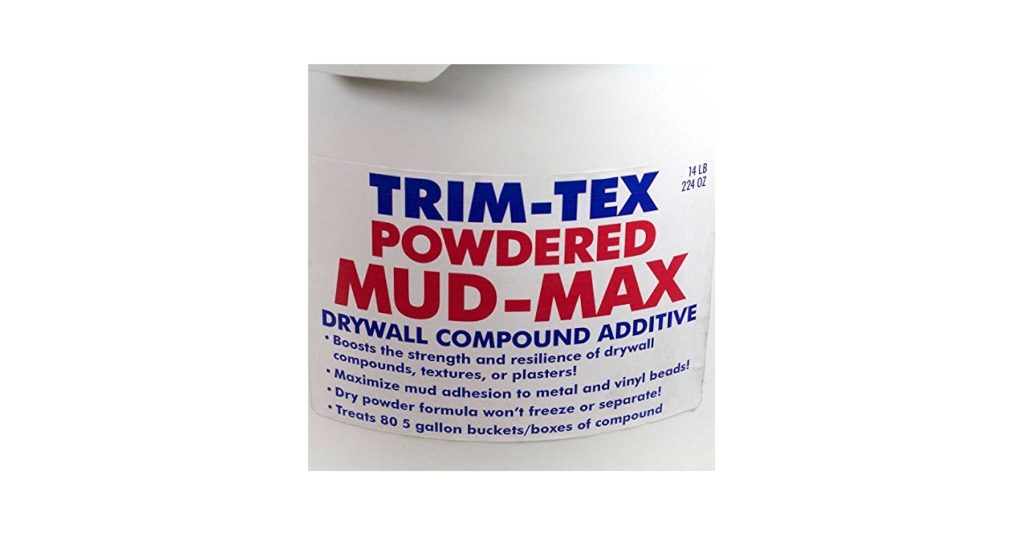
Can drywall mud freeze? This might be a question you find yourself pondering, especially if you’re planning a renovation project during colder months.
Imagine this scenario: you’ve spent a significant amount of time and effort getting everything ready for your remodeling task, but then the cold weather threatens to put a freeze on your progress—literally. Understanding whether drywall mud can freeze is crucial for ensuring smooth and successful projects, no matter the season.
We’ll dive into the details you need to know about drywall mud and cold temperatures. We’ll explore how freezing can affect its consistency and performance, and, most importantly, how you can prevent potential setbacks. Whether you’re a DIY enthusiast or a professional contractor, knowing how to protect your materials from freezing could save you time, money, and a lot of headaches. So, stay with us as we uncover the facts and provide you with practical tips to keep your renovation plans on track, no matter what the weather has in store.
Drywall Mud Basics
Understanding the basics of drywall mud is essential before tackling any drywall project. Drywall mud, also known as joint compound, is the material used to cover seams, holes, and imperfections on drywall surfaces. Knowing its types and how it dries can help you avoid common issues, especially when working in cold conditions.
Types Of Drywall Mud
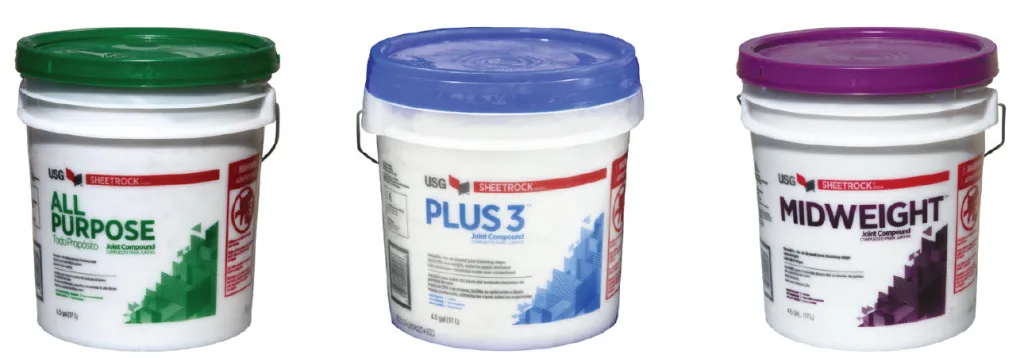
There are three main types of drywall mud: all-purpose, lightweight, and setting-type.
- All-purposemud works well for most drywall jobs. It’s easy to sand but can take longer to dry.
- Lightweightmud is easier to handle and sands smoothly. It’s great for finishing coats but may shrink more than others.
- Setting-typemud comes as a powder mixed with water. It sets chemically and dries faster, making it ideal for repairs that need quick turnaround.
Choosing the right type affects your project’s success, especially if temperature control is a challenge.
Drying Process
Drywall mud dries through evaporation or chemical setting, depending on its type.
Air temperature and humidity play a big role in how fast it dries. Cold, damp environments slow down evaporation, which can lead to delays or poor finishes.
Have you ever noticed your drywall mud taking forever to dry in winter? This happens because the water in the mud can freeze or remain trapped, preventing proper drying.
Using setting-type mud can help avoid freezing issues since it hardens through a chemical reaction rather than just drying out.
Credit: www.jlconline.com
Effects Of Freezing On Drywall Mud
Freezing temperatures can cause serious damage to drywall mud. The water inside the mud expands as it freezes. This expansion changes the mud’s structure and affects its performance. Understanding these effects helps to avoid costly repairs.
Texture Changes
Drywall mud becomes grainy after freezing. The smooth, creamy texture turns rough and lumpy. This change makes it hard to apply the mud evenly on walls. The drying process also slows down, causing delays in work.
Adhesion Loss
Freezing breaks the bond between drywall mud and surfaces. The mud loses its stickiness and may peel off easily. This loss reduces the strength of the finished wall. Repairs often need extra layers to fix this issue.
Cracking And Shrinking
Frozen drywall mud shrinks as it thaws. This shrinkage causes cracks to form on the surface. Cracks weaken the wall and can let moisture inside. Fixing cracks means more sanding and patching work later.
Temperature Thresholds For Drywall Mud
Understanding the temperature thresholds for drywall mud is crucial for anyone working on drywall projects, especially in colder climates. Drywall mud, also known as joint compound, reacts differently depending on the temperature it is exposed to. Knowing the safe temperature range and recognizing signs of freezing can save you from costly mistakes and delays.
Safe Temperature Range
Drywall mud should be applied and stored within a temperature range of about 55°F to 70°F (13°C to 21°C). Temperatures below 50°F (10°C) start to slow down the drying process, which can affect the strength and adhesion of the mud. If the temperature drops below freezing (32°F or 0°C), the water in the mud can freeze, causing the compound to become unusable.
Keeping your workspace warm or storing your drywall mud indoors ensures it remains in optimal condition. Have you ever tried to work with mud that just wouldn’t dry? Often, it’s because the temperature was too low. Maintaining this temperature range helps the mud cure properly, avoiding cracks and weak joints.
Signs Of Freezing
When drywall mud freezes, its texture changes noticeably. It may become grainy or separated, with water and solids no longer mixed evenly. If you notice clumps or a watery layer on top, freezing has likely occurred.
Another sign is poor workability—mud that feels stiff or crumbly won’t spread smoothly on your drywall. Frozen mud also loses its bonding power, which can cause it to peel or crack once dry. If you spot these signs, it’s better to discard the mud rather than risk a poor finish.
Have you ever wondered why your drywall repairs keep failing? Checking if the mud has frozen could be the answer. Avoiding frozen drywall mud ensures a smooth, durable surface every time you work.
Credit: www.doityourself.com
Preventing Drywall Mud From Freezing
Preventing drywall mud from freezing is key to maintaining its quality and workability. Frozen drywall mud loses its texture and can cause poor adhesion. Taking steps to keep it above freezing ensures smooth application and better results. Proper care and preparation protect your materials and save time on repairs.
Proper Storage Tips
- Store drywall mud in a dry, warm place above 50°F (10°C).
- Keep containers tightly sealed to prevent moisture loss.
- Avoid storing mud near doors or windows where cold air enters.
- Use insulated storage boxes or bins for extra protection.
- Keep mud off cold floors by placing it on pallets or shelves.
Using Heating Solutions
- Use portable heaters to maintain warmth in storage areas.
- Electric heat mats under mud containers keep temperature steady.
- Ensure heaters have thermostats to avoid overheating.
- Do not place heaters too close to mud containers to prevent drying.
- Use heat lamps carefully to warm small workspaces.
Site Preparation
- Seal windows and doors to block cold drafts.
- Use weather stripping to minimize air leaks.
- Cover floors with insulating materials to reduce cold from below.
- Ensure good ventilation without letting cold air in.
- Plan work during warmer parts of the day when possible.
Handling Frozen Drywall Mud
Handling frozen drywall mud needs care to avoid wasting materials. Frozen mud loses its smooth texture and can harden unevenly. Knowing how to thaw and test it helps decide if reuse is possible. Proper steps prevent damage to the drywall finish and save money.
Thawing Methods
Thaw frozen drywall mud slowly to keep its quality. Move the container to a warm room and let it sit for hours. Avoid using direct heat like a stove or heater. Stir the mud gently after it softens to check texture. Using warm water in a double container can also help thaw without overheating.
Assessing Usability
Check the mud’s texture once thawed. It should be smooth and easy to spread. Look for lumps or a dry, crumbly feel. Smell the mud to detect any sour or off odors, signaling spoilage. Test a small patch on drywall to ensure it adheres well and dries properly. If it spreads evenly and dries smooth, it can be reused.
When To Replace Mud
Replace drywall mud if it remains hard or clumpy after thawing. Mud with a bad smell should be discarded. Avoid using mud that cracks or flakes when drying. Old mud may cause poor adhesion and visible defects. Using fresh mud ensures a strong, flawless finish on your walls.
Seasonal Considerations For Drywall Projects
Drywall projects need special care during different seasons. Temperature and humidity affect how drywall mud dries and adheres. Cold weather can slow drying or cause mud to freeze, damaging the finish. Understanding seasonal effects helps plan better and avoid costly fixes.
Winter Workarounds
Cold temperatures make drywall mud dry very slowly. Frozen mud loses its ability to set properly. Use these tips to work around winter challenges:
- Keep mud inside a warm room before use.
- Heat the workspace using portable heaters.
- Seal windows and doors to keep cold air out.
- Use fast-setting compounds designed for cold weather.
- Apply thinner layers to help mud dry faster.
These steps prevent mud from freezing and ensure smooth application.
Planning For Cold Weather
Plan drywall projects to avoid temperature-related issues. Check weather forecasts before starting. Schedule work during warmer parts of the day. Store materials in heated areas to keep them ready. Prepare backup drying methods like fans or heaters. Proper planning reduces delays and maintains quality.
Credit: www.homedepot.com
Frequently Asked Questions
Can Drywall Mud Freeze In Cold Temperatures?
Yes, drywall mud can freeze if exposed to temperatures below 32°F (0°C). Freezing alters its consistency, making it unusable.
What Happens If Drywall Mud Freezes?
Frozen drywall mud becomes hard and grainy. It loses its smooth texture and won’t spread or adhere properly.
How To Store Drywall Mud To Prevent Freezing?
Store drywall mud in a warm, dry place above freezing temperatures. Seal containers tightly to avoid moisture and cold exposure.
Can Frozen Drywall Mud Be Thawed And Reused?
Thawing frozen drywall mud is not recommended. Its quality degrades, resulting in poor application and weak adhesion.
Conclusion
Drywall mud can freeze if exposed to cold temperatures. Frozen mud loses its workability and can crack when drying. Always store drywall mud in a warm, dry place. Use it quickly after opening to avoid freezing problems. Proper storage helps keep your project smooth and strong.
Avoid using mud that has frozen to prevent issues. Remember, good care leads to better results in drywall work. Stay mindful of temperature during your repairs or installations. This simple step protects your materials and saves time.