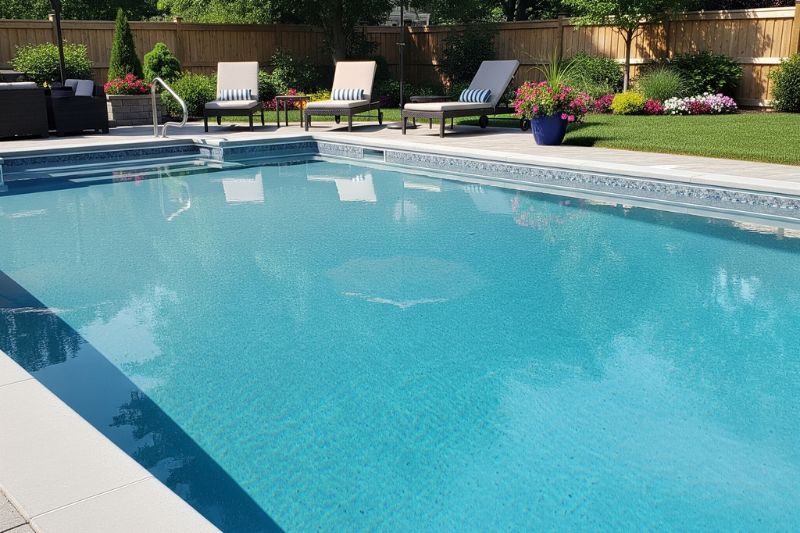
Imagine waking up on a crisp winter morning, eager for a refreshing swim, only to find your salt water pool frozen solid. With the cold months upon us, you might wonder if your salt water oasis can withstand the chill.
This question isn’t just about convenience; it’s about protecting your investment and ensuring you can enjoy your pool year-round. Understanding whether your salt water pool can freeze—and what you can do to prevent it—could save you time, money, and frustration.
Dive into this article to discover the truth about salt water pools in winter and learn how to keep yours ready for a splash, no matter the temperature.

Credit: mysutro.com
Salt Water Pool Basics
Understanding the basics of a salt water pool is crucial if you’re wondering whether it can freeze in cold weather. Knowing how these pools operate will help you make better decisions about maintenance and protection during winter. Let’s break down what makes salt water pools unique and how they differ from traditional chlorine pools.
How Salt Water Pools Work
Salt water pools use a salt chlorine generator to turn salt into chlorine. This process keeps the water clean without you having to add chlorine manually.
The salt level in the water is much lower than in seawater, so it’s safe and gentle on your skin. The system continuously produces chlorine, which means your pool stays balanced and sanitized more easily.
Have you ever noticed how salt water pools feel softer on your skin compared to regular pools? That’s because the salt acts as a natural conditioner.
Differences From Chlorine Pools
Unlike traditional chlorine pools, salt water pools don’t require you to add chlorine directly. This reduces the harsh chemical smell and irritation.
Salt water pools usually have lower maintenance costs and are easier to manage, but they still need regular monitoring of salt levels and the generator’s function.
Keep in mind that salt water pools can be more corrosive to pool equipment if not properly maintained, so regular checks are essential.
Does this change how you view salt water pools for colder climates? Understanding these differences can help you plan how to protect your pool from freezing.
Freezing Point Of Salt Water
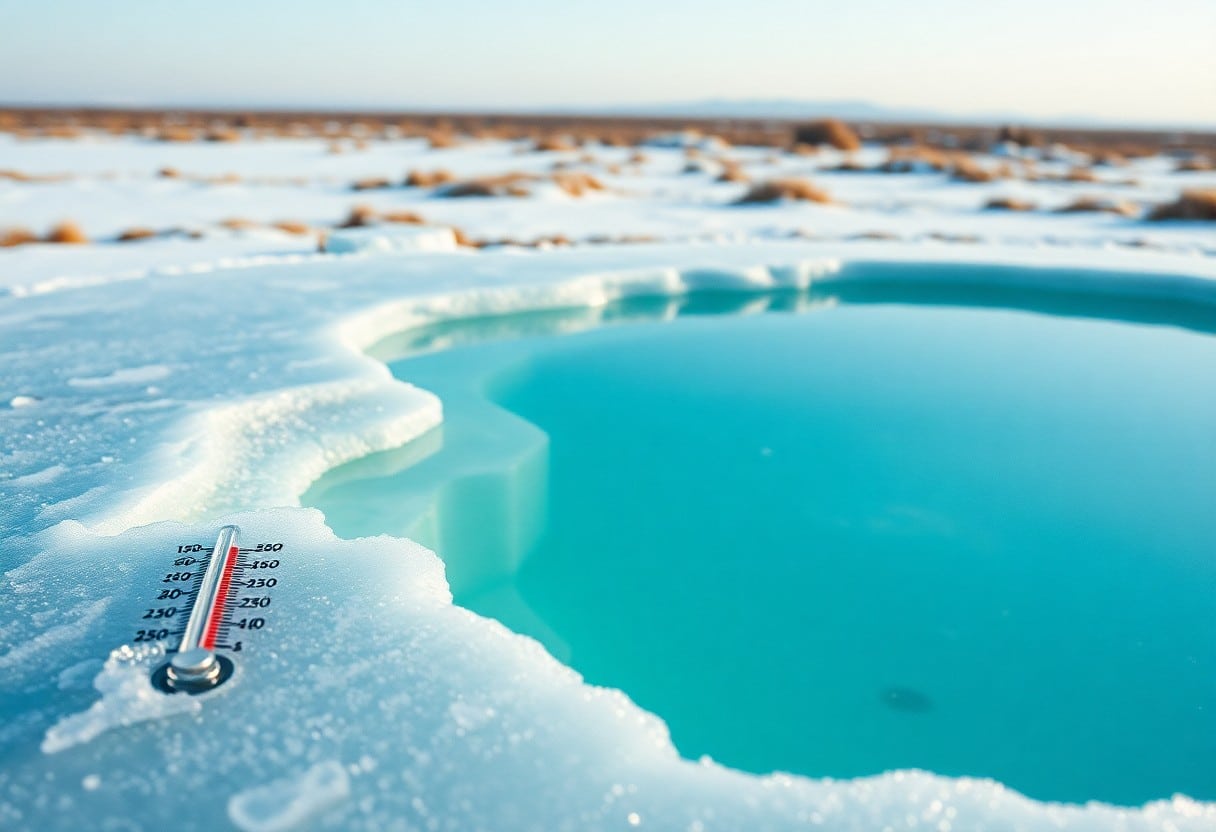
Salt water does not freeze at the same temperature as pure water. The presence of salt lowers the freezing point. This means salt water stays liquid even at temperatures below 0°C (32°F). This unique property impacts salt water pools and their care during cold weather. Understanding this helps pool owners protect their pools from freezing damage.
Salt Concentration Effects
The freezing point depends on how much salt is in the water. More salt means a lower freezing point. For example:
- Fresh water freezes at 0°C (32°F).
- Seawater, with about 3.5% salt, freezes near -2°C (28°F).
- Salt water pools usually have less salt than seawater, so their freezing point is just below 0°C.
Small changes in salt levels can change the freezing temperature by fractions of a degree. Salt water pools often resist freezing longer than fresh water pools.
Comparison With Freshwater
Freshwater freezes exactly at 0°C (32°F). Salt water freezes at lower temperatures. This difference affects pool maintenance:
- Freshwater pools can freeze quickly in cold weather.
- Salt water pools may stay liquid in slightly colder conditions.
- Salt water’s lower freezing point helps reduce freeze damage risk but does not eliminate it.
Both types of pools need precautions in freezing climates. Salt water pools just have a small advantage over fresh water pools.
Factors Influencing Freezing
Understanding the factors that influence whether a salt water pool will freeze is crucial for pool owners living in colder climates. Freezing doesn’t happen randomly; several key elements determine if and when your pool water turns solid. Let’s explore these factors to help you protect your investment and keep your pool in good condition.
Temperature Thresholds
Salt water freezes at a slightly lower temperature than fresh water, around 28.4°F (-2°C) instead of 32°F (0°C). This means your salt water pool is less likely to freeze immediately when temperatures drop just below freezing. However, if the temperature stays consistently below this point for several hours or days, freezing becomes a real risk.
Have you noticed how your local weather forecast predicts cold snaps? Pay close attention to those extended periods of low temperatures. They are the real danger zones for your pool freezing over.
Pool Depth And Size
Deeper and larger pools generally resist freezing better than shallow or small pools. Water holds heat, and the more water you have, the more heat it stores, slowing down the freezing process. If your pool is shallow, the water temperature can drop quickly, increasing the chance of ice forming.
This is why I’ve always recommended adding a few inches of water during winter in smaller pools to maintain a buffer against freezing. It’s a simple step that can save you from costly repairs.
Environmental Conditions
Surrounding factors like wind, humidity, and sunlight exposure play a big role in freezing risk. Strong winds cool the pool surface faster, increasing the chance of ice forming. Conversely, pools exposed to direct sunlight during the day warm up, delaying freezing.
Think about your pool’s location: Is it shaded by trees or buildings? Does it face the wind or stay sheltered? Adjusting your pool cover or adding windbreaks can make a big difference in how your pool handles cold weather.
Signs Of Freezing Risks
Knowing the signs that your salt water pool is at risk of freezing can save you from costly repairs and long downtime. Freezing doesn’t always happen suddenly; it often starts with subtle hints that your pool’s water or equipment is vulnerable. Paying close attention to these signs can help you act early and protect your pool through cold weather.
Ice Formation Indicators
One of the earliest signs of freezing risk is the appearance of thin ice or frost on the water’s surface. This usually happens during cold nights or early mornings when temperatures dip near freezing.
- Look for small patches of ice along the pool edges or near returns and skimmers.
- Notice if the water feels unusually cold to the touch, especially if your heater isn’t running.
- Watch for reduced water movement, which can lead to quicker ice formation since still water freezes faster.
Have you ever seen a thin layer of ice and ignored it, only to find bigger problems later? Catching these early indicators can help you decide when to add antifreeze or increase circulation.
Damage Symptoms
Freezing can cause damage that isn’t immediately visible but shows up in your pool’s functionality. Cracks in the pool walls or plumbing are common symptoms after freezing events.
- Check for unusual noises in the pump or heater, like banging or hissing, which might signal frozen pipes or damaged parts.
- Inspect your pool’s surface for small cracks or discoloration, which can worsen if ignored.
- Notice any sudden drops in water levels that don’t match evaporation rates, as this could indicate leaks caused by freeze damage.
Have you experienced unexpected repairs after winter? Spotting these damage symptoms early can guide you to call a professional before minor issues spiral out of control.
Preventing Pool Freeze
Preventing your salt water pool from freezing is essential to protect the equipment and maintain water quality during cold weather. Freezing water can cause pipes to burst and damage pool components, leading to costly repairs. Taking simple, proactive steps can help you avoid these problems and keep your pool safe all winter long.
Pool Heating Options
Heating your pool is one of the most effective ways to prevent freezing. You can choose from several heating methods such as electric heaters, gas heaters, or solar pool heaters. Each option has its benefits: gas heaters warm the water quickly, while solar heaters save energy by using sunlight.
Consider installing a thermostat-controlled heater that automatically turns on when temperatures drop. This way, you won’t have to constantly monitor the pool. Have you thought about how a small investment in a heater now could save you thousands in repairs later?
Using Pool Covers
Pool covers act as a barrier against cold air and wind, significantly reducing heat loss. A well-fitted cover traps heat in the water and keeps debris out, making maintenance easier during winter. There are different types available, including solar covers, insulated covers, and safety covers.
Using an insulated cover can extend your pool’s temperature retention for hours. If you’ve ever noticed how quickly your pool cools overnight, you’ll understand the value of a cover. What kind of cover fits your budget and climate best?
Maintaining Water Circulation
Keeping water moving prevents ice from forming on the surface. Running your pool pump regularly circulates warmer water from the bottom to the surface, reducing freezing risks. Even a low-speed circulation setting can make a big difference during cold spells.
Circulation also helps chemicals distribute evenly, protecting water quality. If you’ve ever found ice forming despite heating, check if your pump is running consistently. Could adjusting your pump schedule be the simple fix your pool needs?
Credit: rmdpoolservice.com
Repairing Freeze Damage
Repairing freeze damage in a salt water pool requires quick and careful action. Cold temperatures can cause cracks, broken pipes, and damaged equipment. Prompt repair helps avoid costly replacements and maintains your pool’s safety. Understanding common issues helps in spotting damage early.
Common Pool Component Issues
- Cracked pipes from frozen water expanding
- Broken pump seals that cause leaks
- Damaged pool filters clogged with ice debris
- Cracked salt cell plates due to freezing
- Electrical problems from moisture in control panels
Regularly check these parts during cold spells. Look for leaks, cracks, or strange noises. Early signs may be small but can worsen fast.
When To Call A Professional
Some freeze damage needs expert help. Complex pipe breaks and electrical faults require a trained technician. Professionals have tools and skills to fix problems safely. Calling early can prevent bigger issues and keep your pool working well.
Choose a pool expert with freeze damage experience. They can assess damage and suggest the best repairs. Trusting a pro saves time and money in the long run.

Credit: www.vevor.com
Frequently Asked Questions
Will Salt Water Pools Freeze In Cold Weather?
Salt water pools can freeze if temperatures drop below 32°F (0°C). Salt lowers water’s freezing point slightly, but not enough to prevent freezing in extreme cold. Proper pool maintenance and heating systems help avoid freezing damage during winter.
How Does Salt Affect Pool Water Freezing Point?
Salt in pool water lowers the freezing point slightly, typically by about 1-2°F. This means salt water freezes at a colder temperature than fresh water. However, the difference is small, so salt water pools can still freeze in harsh winter conditions.
Can Freezing Damage Salt Water Pool Systems?
Yes, freezing temperatures can damage salt water pool systems. Ice expansion may crack pipes, pumps, and salt cells. Winterizing your pool by draining water and using antifreeze or heaters helps protect the equipment from freeze damage.
What Precautions Prevent Salt Water Pool Freezing?
To prevent freezing, maintain water circulation and use a pool heater in cold weather. Cover the pool with an insulated cover to reduce heat loss. Winterize plumbing by draining or adding antifreeze to pipes and equipment.
Conclusion
Salt water pools can freeze in very cold weather. Salt lowers water’s freezing point but does not stop freezing. Taking steps to protect your pool helps avoid damage. Use a pool cover and keep water moving. Check your pool often during winter months.
Knowing how salt water behaves keeps your pool safe. Stay prepared and enjoy your pool year-round.