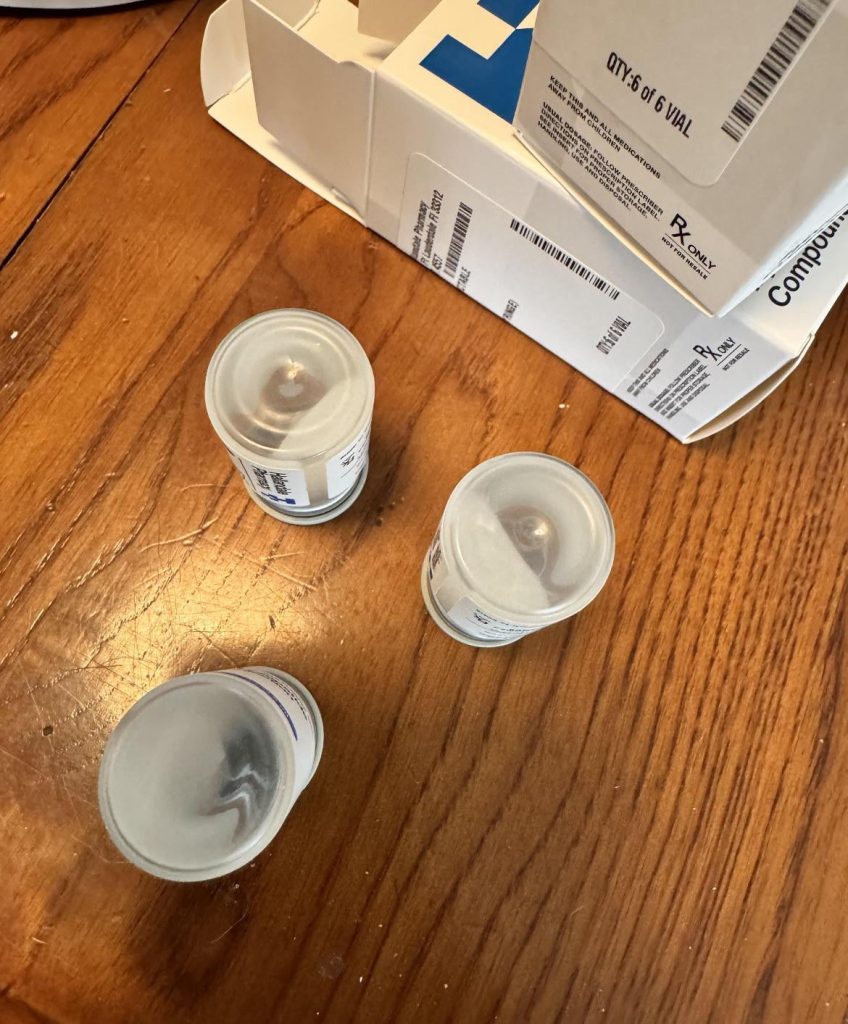
Have you ever wondered if you can freeze tirzepatide and what impact it might have on its effectiveness? You’re not alone.
With the rise of new medications, understanding the best ways to store them can be a bit confusing. Whether you’re managing supplies at home or looking for ways to extend the shelf life of your medication, getting the right information is crucial.
We will explore whether freezing tirzepatide is a safe and effective option. Discover essential tips that could help you maintain the potency of this medication while ensuring your health and safety. Stay tuned to gain insights that could potentially make a big difference in your daily routine.
Credit: medium.com
What Is Tirzepatide
Tirzepatide is a medication that has gained attention for its unique approach to managing type 2 diabetes and supporting weight loss. It works by mimicking hormones in your body that help regulate blood sugar and appetite. Understanding what tirzepatide is can help you make informed decisions about its use and storage.
What Is Tirzepatide?
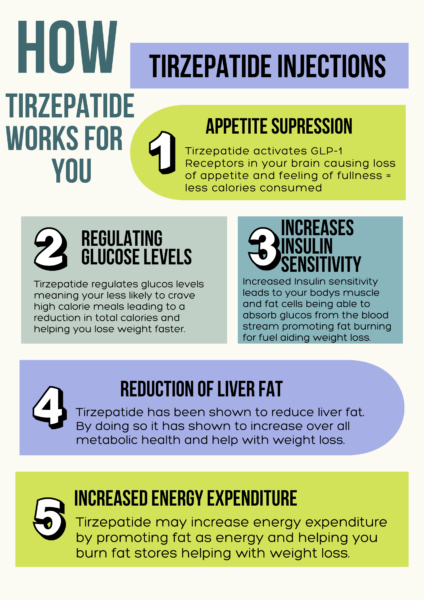
Tirzepatide is a once-weekly injectable drug that targets two important hormones, GLP-1 and GIP. These hormones help your body control blood sugar levels and manage hunger signals. By activating both, tirzepatide can improve insulin response and reduce appetite more effectively than some other treatments.
How Does Tirzepatide Work?
This medication acts like natural hormones that your body produces after eating. It encourages the release of insulin only when blood sugar is high, lowering the risk of hypoglycemia. It also slows down stomach emptying, which helps you feel full longer.
Who Can Benefit From Tirzepatide?
People with type 2 diabetes often use tirzepatide to better control their blood sugar. It’s also prescribed for weight management in adults who struggle with obesity. If you’re considering this medication, discuss with your healthcare provider whether it suits your health needs.
Recommended Storage Conditions
Storing Tirzepatide correctly is crucial to maintain its effectiveness and safety. Knowing the right conditions helps you avoid damage caused by temperature fluctuations, light exposure, or moisture. Let’s look closely at how you can keep Tirzepatide in the best shape.
Temperature Guidelines
Tirzepatide should be stored in a refrigerator at temperatures between 2°C and 8°C (36°F and 46°F). Avoid freezing the medication, as freezing can alter its chemical structure and reduce its effectiveness.
If you accidentally freeze Tirzepatide, do not use it and consult your pharmacist for advice. It’s also important to keep the medication away from heat sources or direct sunlight, which can degrade it even if it’s refrigerated.
Light And Moisture Protection
Keep Tirzepatide in its original packaging to protect it from light and moisture. Exposure to light can break down the active ingredients, while moisture can cause the medication to clump or lose potency.
Have you ever noticed medications coming with desiccant packs? These help absorb moisture and keep the product dry. Always check that the packaging is sealed properly, and avoid storing Tirzepatide in bathrooms or other damp areas.
Freezing Tirzepatide: Risks And Effects
Freezing Tirzepatide can seem like a convenient way to extend its shelf life, especially if you want to keep extra doses on hand. However, it’s important to understand the risks and effects that freezing might have on this medication. Let’s look closely at how freezing can impact Tirzepatide’s effectiveness and physical condition.
Impact On Medication Potency
Tirzepatide is a delicate peptide-based medication. Freezing can damage its molecular structure, leading to reduced potency. Even slight changes in temperature may cause the drug to lose its therapeutic effects.
Have you ever noticed a medicine not working as well after improper storage? That’s often due to potency loss. With Tirzepatide, this risk is higher because it needs stable refrigeration, not freezing.
Using a medication with reduced potency might mean it doesn’t control your blood sugar as expected. This can lead to inconsistent results and potential health risks.
Possible Physical Changes
Freezing Tirzepatide can also cause visible changes. The solution may become cloudy or develop particles, signaling that the medication has been compromised.
Have you ever seen crystals form in frozen liquids? Something similar can happen with Tirzepatide, where the active ingredients separate or degrade.
These physical changes are warning signs you shouldn’t ignore. Using a medication that looks different from when you first got it can be unsafe and ineffective.
Always check the appearance of your Tirzepatide before use. If you notice anything unusual, consult your pharmacist or healthcare provider rather than risking your treatment.

Credit: www.reddit.com
Safe Handling And Storage Practices
Proper handling and storage of tirzepatide are crucial for maintaining its effectiveness. This medication requires specific conditions to stay stable and safe to use. Following simple practices helps protect tirzepatide from damage caused by improper storage.
Avoiding Temperature Fluctuations
Tirzepatide must stay within a consistent temperature range. Sudden changes can reduce its potency. Keep it away from heat sources and freezing environments. Store it in a cool place, ideally between 2°C and 8°C (36°F and 46°F). Avoid leaving it in direct sunlight or near windows. A stable temperature protects the medicine’s quality.
Proper Packaging
Use the original packaging for storing tirzepatide. The packaging is designed to shield the medicine from light and moisture. If you remove the medicine from its box, place it in a sealed container. Avoid storing tirzepatide near food or liquids that might spill. Ensure the packaging is tightly closed after each use to prevent contamination and dryness.
What To Do If Tirzepatide Is Frozen
If your tirzepatide accidentally freezes, it’s important to know how to handle the situation safely. Freezing can affect the medication’s effectiveness and safety, so acting quickly and wisely matters. Let’s walk through what signs to watch for and when to reach out for professional advice.
Signs Of Damage
Check the medication carefully once it thaws. Look for any changes in color or clarity—tirzepatide should be clear to slightly opalescent and colorless to pale yellow.
If you notice cloudiness, particles, or discoloration, these are red flags. Also, inspect the vial or pen for cracks or leaks that might have occurred due to freezing.
Have you ever seen your medication separate or become lumpy after freezing? These physical changes can mean the drug’s structure is compromised and it may no longer work as intended.
When To Consult A Pharmacist
If you see any signs of damage or if you’re unsure about the condition of your tirzepatide, don’t hesitate to consult a pharmacist immediately. They can advise whether the medication is still safe to use or if you need a replacement.
Pharmacists can also guide you on proper storage to prevent freezing in the future. Asking questions like “Is it safe to use this after freezing?” can save you from ineffective or unsafe treatment.
Remember, your health depends on the medication working correctly, so getting professional advice is always a smart move. Have you ever had to make a quick decision about your medicine’s safety? Sharing experiences can help others avoid mistakes.
Tips For Traveling With Tirzepatide
Traveling with tirzepatide requires special care to keep the medication effective. Proper storage is key. Tirzepatide must stay within the right temperature range to avoid damage.
Here are some useful tips to help maintain your medication’s quality while traveling.
Maintaining Proper Temperature
Tirzepatide should stay cold but not frozen. The ideal temperature is between 2°C and 8°C (36°F and 46°F). Avoid letting it get too warm or freezing it. Check the temperature often during your trip. Use a thermometer if possible. Store the medication away from direct sunlight and heat sources. If you are on a long trip, plan for places to keep your medication cool.
Using Insulated Containers
Insulated containers help keep tirzepatide at the right temperature. Use small coolers or specially designed travel cases. Add ice packs but do not place the medication directly on ice. Wrap the medication in cloth or bubble wrap to protect it from freezing. Carry the container in your carry-on bag. This keeps it close and allows you to monitor the temperature easily. Insulated containers are lightweight and easy to carry, making them perfect for travel.
Credit: medvidi.com
Frequently Asked Questions
Can Tirzepatide Be Frozen Safely At Home?
No, Tirzepatide should not be frozen. Freezing can damage the medication’s effectiveness and stability. Always store it as per manufacturer guidelines.
What Is The Recommended Storage Temperature For Tirzepatide?
Tirzepatide should be stored between 36°F to 46°F (2°C to 8°C). Avoid freezing or exposing it to extreme heat for best results.
How Long Can Tirzepatide Stay Unrefrigerated?
Tirzepatide can be kept unrefrigerated for up to 21 days. After this period, discard it to ensure safety and potency.
Does Freezing Tirzepatide Affect Its Potency?
Yes, freezing Tirzepatide can reduce its potency. It may cause the medication to become less effective or unsafe to use.
Conclusion
Freezing Tirzepatide is not recommended for safety reasons. It may lose effectiveness if frozen. Store it as the label suggests for best results. Proper storage helps keep the medicine stable and safe. Always check the instructions or ask a pharmacist if unsure.
Taking care of your medication ensures it works well. Simple steps can protect your health and treatment. Remember, safe storage matters more than freezing.