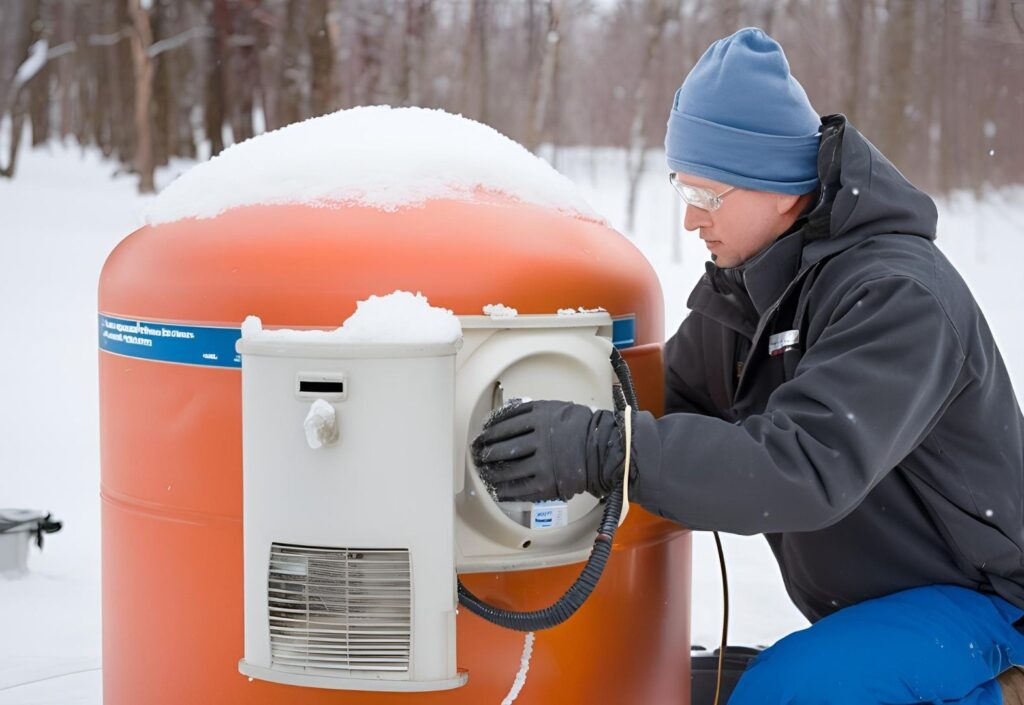
When the temperatures start to drop, you might find yourself wondering about the reliability of your propane gas supply. Will propane gas freeze when the winter chill sets in?
This question is more than just a curiosity; it’s crucial for anyone who relies on propane for heating, cooking, or power. Imagine the peace of mind you’ll feel knowing exactly how propane behaves in cold weather, ensuring your home stays warm and your appliances function smoothly.
We’ll explore the science behind propane gas and its reaction to freezing temperatures. By the end, you’ll have the knowledge you need to keep your household running efficiently, regardless of how low the mercury falls. Let’s dive into the facts that will empower you and keep the cold at bay.
What Is Propane Gas
Propane gas is a common fuel used for heating, cooking, and vehicles. It is a type of liquefied petroleum gas (LPG). Propane is stored as a liquid but turns into gas when released. This makes it easy to transport and use.
Propane is colorless and odorless in its natural state. An odorant is added so leaks can be detected by smell. It burns cleanly and produces heat efficiently.
Chemical Properties Of Propane
Propane has the chemical formula C3H8. It is part of the hydrocarbon family. It is flammable and releases energy when burned. Propane boils at -42°C (-44°F), which means it turns from liquid to gas below this temperature.
How Propane Is Stored And Used
Propane is stored under pressure in tanks. This keeps it in liquid form until needed. When released, it changes to gas and can be burned for energy. Many homes and businesses use propane for heating and cooking.
Safety And Handling Of Propane
Propane is safe when handled properly. Tanks must be kept away from heat sources. Leaks can be dangerous, so detecting the smell is important. Proper ventilation is needed when using propane indoors.
Freezing Point Of Propane
Understanding the freezing point of propane is crucial if you rely on this fuel for heating or cooking in cold climates. Many people wonder if propane can freeze and cause disruptions in their supply. Knowing the exact temperature at which propane changes state helps you prepare and avoid unexpected issues during winter.
What Is The Freezing Point Of Propane?
Propane has a freezing point of about -187.7°C (-305.9°F). This means it needs to get extremely cold before it can freeze solid. Such temperatures are far below what you would encounter in natural outdoor conditions, even in the coldest places on Earth.
How Does This Affect Your Propane Usage?
Because propane freezes at such a low temperature, it rarely, if ever, freezes in typical residential or commercial use. Your propane tank won’t become solid in normal winter weather. However, very low temperatures can cause propane to vaporize less efficiently, which might feel like a freezing issue but is actually related to pressure and vaporization rates.
Signs Of Propane Problems In Cold Weather
- Reduced flame intensity or flickering
- Difficulty in maintaining heat output
- Unusual odors or hissing sounds near the tank or lines
If you notice these signs, the problem is often due to pressure drops or ice buildup in regulators, not propane freezing.
Tips To Prevent Propane Issues In Cold Weather
- Keep your propane tank in a well-ventilated area
- Use properly insulated regulator covers
- Ensure regular maintenance of your propane system
Taking these simple steps keeps your propane flowing smoothly, even when temperatures drop significantly.
Have you ever experienced propane supply issues during winter? Understanding propane’s freezing point can help you troubleshoot better and avoid unnecessary panic.
Conditions That Cause Propane To Freeze
Understanding the conditions that cause propane to freeze is key to safely storing and using this fuel. Propane doesn’t freeze like water, but it can turn into a liquid or solid under certain extreme conditions. Knowing these conditions helps you avoid disruptions and hazards in your propane-powered devices.
Temperature Thresholds
Propane’s freezing point is around -187.7°F (-122°C), which is far colder than most environments you’ll encounter. This means propane rarely freezes under normal weather conditions. However, if you’re in extremely cold climates or using propane in specialized equipment like cryogenic tanks, the temperature can approach this threshold.
Have you ever wondered why your propane tank feels colder in winter but never actually freezes? It’s because the temperature outside has to be incredibly low for propane to solidify, much lower than typical outdoor temperatures.
Pressure Effects
Pressure plays a significant role in propane’s state. Inside a pressurized tank, propane remains liquid at much higher temperatures than it would at atmospheric pressure. When pressure drops—such as when a tank is nearly empty or a valve is open—propane can evaporate faster, causing a cooling effect that might feel like freezing but isn’t the same as solidification.
This pressure-temperature relationship means that propane can behave unpredictably if not stored or handled correctly. Have you noticed frost forming on your propane regulator during heavy use? That’s a sign of rapid pressure drop and evaporation cooling.
Storage Environment
Where and how you store propane affects the risk of freezing or other issues. Tanks kept outdoors in shaded, ventilated areas avoid direct sunlight and extreme temperature swings. In contrast, storing propane indoors or in unventilated spaces might expose it to temperature fluctuations that impact pressure and performance.
Think about your last propane tank storage setup. Was it protected from harsh weather? Simple adjustments like elevating the tank or shielding it from wind can make a big difference in maintaining steady pressure and preventing freezing-like symptoms.
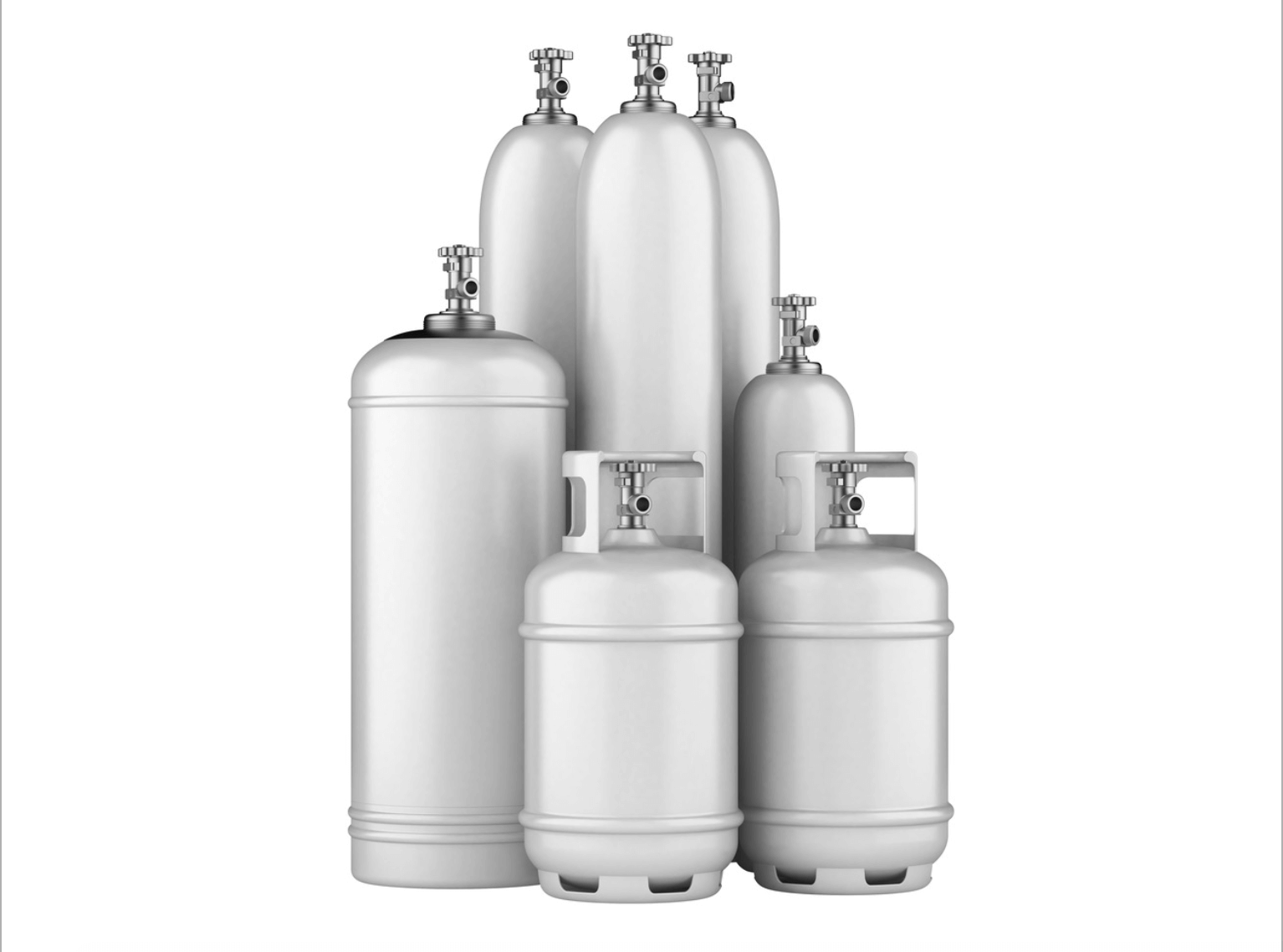
Credit: bryansfuel.on.ca
Signs Propane Has Frozen
Recognizing the signs that propane has frozen can save you from unexpected disruptions and potential hazards. Propane freezing is rare but possible under extreme cold conditions, especially if the tank or lines contain moisture. Knowing what to look for helps you act quickly and keep your system running smoothly.
Unusual Odor Or Lack Of Smell
Propane normally has a strong, distinct smell added for safety. If the odor suddenly fades or smells off, it might mean propane flow is blocked due to freezing. Without proper gas flow, your appliances won’t work correctly, and the absence of smell could delay your awareness of leaks.
Fluctuating Or Low Flame On Appliances
Have you noticed your propane-powered heater or stove flame flickering or getting weak? This is a common sign that propane isn’t vaporizing properly because it’s frozen or too cold. A low or inconsistent flame often means the gas pressure is dropping, which can affect performance and safety.
Pressure Gauge Reading Drops
If your propane tank has a pressure gauge, watch for sudden drops in pressure during cold weather. Frozen propane can’t turn into gas efficiently, causing the pressure inside the tank to fall. A lower pressure reading can indicate that propane isn’t flowing as it should.
Frost Or Ice Buildup On Tank Or Lines
Visible frost or ice on your propane tank or supply lines signals that temperatures are low enough to cause freezing issues. This physical sign is easy to spot and should prompt immediate inspection. Ice buildup can block gas flow and cause equipment to shut down unexpectedly.
Unresponsive Or Non-working Equipment
When propane freezes, your devices might fail to start or suddenly stop working. If your grill, heater, or generator won’t ignite despite having fuel, frozen propane could be the culprit. This abrupt failure is a clear alert that something is wrong with your propane supply.
Have you ever experienced a sudden propane outage during cold weather? Identifying these signs early can prevent discomfort and costly repairs. Keep an eye on these indicators to ensure your propane system stays safe and reliable.
Impact Of Frozen Propane On Appliances
Frozen propane can cause problems for appliances that rely on it. When propane gets very cold, it can turn into liquid or ice inside the tank or pipes. This change can stop propane from flowing properly. Appliances like heaters, stoves, and grills may not work right or could even stop working.
Understanding how frozen propane affects appliances helps keep them safe and efficient. It also prevents damage and costly repairs. Knowing the signs of frozen propane helps you act quickly.
Reduced Flame and Heat OutputFrozen propane reduces the flow of gas to appliances. Flames may burn lower or flicker. Heat output drops, causing appliances to underperform. This can make heating rooms or cooking food slower and less effective.
Damage to Valves and RegulatorsIce buildup can block or damage valves and regulators. These parts control gas flow and pressure. Damage may cause leaks or appliance failure. Repair costs can be high, and safety risks increase.
Increased Appliance WearAppliances working with frozen propane strain more. This extra strain causes parts to wear faster. Over time, this can shorten the appliance’s life. Regular checks help spot early signs of wear.
Safety Risks and MalfunctionsFrozen propane can cause gas pressure to drop suddenly. This may lead to unsafe gas leaks or appliance malfunctions. Proper maintenance and monitoring reduce these risks. Always keep appliances in good condition.

Credit: centralpennpropane.com
Preventing Propane Freezing
Preventing propane from freezing is essential for anyone relying on it during cold weather. Though propane’s freezing point is extremely low, certain conditions can cause operational issues similar to freezing. Understanding how to store and use propane safely in cold weather can keep your system running smoothly and avoid unexpected problems.
Proper Storage Tips
Keep your propane tanks in a well-ventilated, dry area away from direct exposure to snow or ice buildup. Storing tanks off the ground on a stable platform helps prevent moisture accumulation around the base. Make sure to cover tanks with a tarp or protective cover that allows airflow but blocks precipitation.
Check your propane tanks regularly for frost or ice buildup around the valve or regulator. If you notice any, wipe it off gently and inspect the connections to ensure they are tight and leak-free. Proper storage also means positioning tanks upright and away from sources of heat that could cause pressure fluctuations.
Using Propane Safely In Cold Weather
Cold weather can reduce the pressure inside propane tanks, leading to lower gas flow. To avoid this, keep tanks as warm as possible—place them in a sheltered spot protected from wind chill. You might even insulate the tanks with a propane-safe blanket designed for low temperatures.
Never use open flames or electrical heaters to warm propane tanks; this is dangerous and can cause explosions. Instead, try using warm water to gently thaw frost on regulators or hoses if needed. Regularly check your equipment for cracks or brittleness caused by cold, and replace any damaged parts immediately.
Have you ever considered how much the positioning of your propane tank affects its performance in winter? Small changes, like shielding it from wind or elevating it slightly, can make a big difference in maintaining steady gas flow. What adjustments can you make today to ensure your propane setup stays reliable through the cold months?
What To Do If Propane Freezes
Discovering that your propane has frozen can be frustrating, especially when you rely on it for heating or cooking. Knowing what to do in this situation can save you time and avoid potential hazards. Let’s look at practical steps you can take to safely handle frozen propane.
Recognize The Signs Of Frozen Propane
First, check if your propane is actually frozen. Signs include reduced or no gas flow, unusual hissing sounds, or frost buildup on the tank or lines. Knowing these signs early helps you act before the situation worsens.
Move The Propane Tank To A Warmer Area
If possible, relocate the propane tank to a warmer spot, away from freezing temperatures. Even bringing it indoors for a short while can help the gas thaw safely. Avoid applying direct heat like a flame, as this can be dangerous.
Use Warm Water To Thaw Frozen Components
Pour warm (not boiling) water over the frozen parts of your propane system to gently melt the ice. This method is effective and reduces the risk of damage. Be careful to avoid water entering valves or connectors, which could cause other issues.
Check And Replace Faulty Regulators
Sometimes, freezing happens because the regulator is malfunctioning or clogged. Inspect your regulator for ice or damage and replace it if necessary. A well-functioning regulator prevents freezing by controlling pressure effectively.
Prevent Future Freezing With Regular Maintenance
Think about what you can do to stop propane from freezing again. Keep your tanks and lines insulated, and ensure regular inspections. Small steps like these can prevent costly downtime and keep your system running smoothly.
Common Myths About Propane Freezing
There’s a lot of talk about propane freezing, but not all of it is true. Many people worry that propane tanks or lines might freeze up in cold weather. Understanding the facts helps you avoid unnecessary concerns and keeps you confident in using propane safely, even when temperatures drop.
Does Propane Actually Freeze?
Propane has a freezing point of around -188°F (-122°C), which is far colder than any natural winter temperature most of us will face. This means propane gas itself doesn’t freeze under normal outdoor conditions. If you’ve ever felt a propane tank get cold in winter, it’s not freezing—it’s just the pressure inside dropping.
Can Propane Tanks Freeze Solid?
Propane tanks don’t freeze solid like water does. Instead, the liquid propane inside can get very cold, but it remains in liquid form unless exposed to extreme industrial conditions. If your tank feels icy, it’s usually due to moisture on the outside or the cooling effect from rapid gas expansion, not the propane freezing.
Does Cold Weather Affect Propane Flow?
Many think propane stops flowing in winter because the gas “freezes.” Actually, flow issues often come from low pressure caused by cold temperatures, not freezing. You can prevent this by keeping tanks warm or using a larger tank that maintains pressure better in the cold.
Can Moisture Cause Freezing Problems In Propane Systems?
Moisture inside propane lines or tanks can cause ice blockages, which might look like propane freezing. This is common if the system isn’t properly maintained or if water gets trapped. Regular inspections and using dry propane can keep your system running smoothly.
Why Do Some People Think Propane Freezes?
It’s easy to confuse cold propane tanks or frost on pipes with freezing. Plus, when appliances don’t work well in winter, people assume propane is the cause. Have you experienced propane issues in cold weather? It’s often about pressure and moisture, not the gas freezing itself.

Credit: www.adamsgas.co.uk
Frequently Asked Questions
Does Propane Gas Freeze In Cold Temperatures?
Propane has a freezing point of -306°F (-188°C), far colder than typical weather. It does not freeze in normal cold conditions.
What Happens To Propane In Extreme Cold Weather?
In extreme cold, propane vapor pressure drops, reducing flow. However, it remains liquid and usable unless temperatures reach its freezing point.
Can Propane Tanks Freeze Or Get Damaged?
Propane tanks do not freeze but can experience reduced pressure in cold. Proper insulation helps maintain performance and prevents damage.
How To Prevent Propane Gas Issues In Winter?
Keep propane tanks insulated and stored upright. Use regulators rated for low temperatures and check equipment regularly to ensure safety and efficiency.
Conclusion
Propane gas does not freeze under normal weather conditions. It turns from liquid to gas at very low temperatures. This means propane stays usable even in cold climates. Still, proper storage is important to keep propane safe and efficient. Knowing how propane behaves helps you avoid problems.
Stay prepared and use propane wisely during winter months. Safe handling ensures your propane works well all year.