Have you ever wondered if your favorite bottle of champagne could turn into a sparkling ice sculpture in your freezer? It’s a question that might pop into your mind, especially if you’re planning to chill a bottle quickly.
You might be curious if this bubbly beverage behaves like other liquids when exposed to freezing temperatures. We’ll explore what happens when champagne meets the cold. You’ll discover tips on how to handle your bubbly so you never face a frozen surprise.
Stick around, because understanding the science behind champagne and its freezing point might save you from a party mishap. Plus, knowing these details could make you the go-to expert at your next gathering. Let’s dive into the frosty facts and keep your celebrations sparkling!
Champagne Basics
Understanding the basics of Champagne is key to knowing how it behaves under different conditions, like freezing. Champagne isn’t just any sparkling wine; it has distinct qualities that affect its texture, taste, and how it reacts to cold temperatures. Let’s look closer at what makes Champagne unique and how its alcohol content influences its freezing point.
What Makes Champagne Unique
Champagne is made using a special method called the “traditional method,” where the wine undergoes a second fermentation inside the bottle. This creates the tiny bubbles that give Champagne its famous sparkle. The combination of bubbles, acidity, and sweetness creates a delicate balance that you won’t find in other sparkling wines.
Have you ever noticed how Champagne feels lighter and more refreshing compared to other drinks? That’s because of its high acidity and carbonation. These factors also affect how Champagne freezes compared to still wines or spirits.
Alcohol Content And Freezing Point
Champagne usually has an alcohol content of around 12%, which is lower than spirits but higher than many beers. Alcohol lowers the freezing point of liquids, so Champagne won’t freeze at the same temperature as water.
Water freezes at 32°F (0°C), but Champagne’s freezing point is closer to 20°F (-6°C) due to its alcohol and sugar content. This means if you put Champagne in a standard freezer, it won’t freeze solid right away, but it can turn slushy or even burst the bottle if left too long.
Ever tried chilling your Champagne quickly in the freezer? It works, but only for a short time. If you leave it too long, the pressure from freezing liquid inside can cause a mess. So, knowing the freezing point helps you avoid accidents and enjoy your Champagne perfectly chilled.
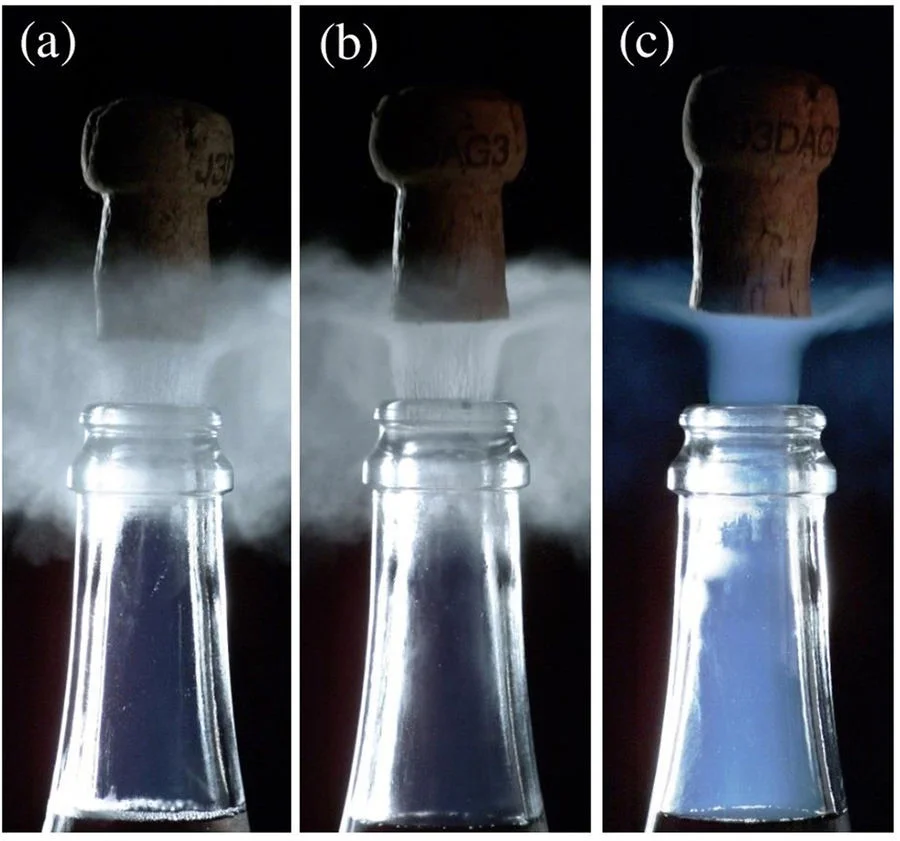
Credit: fyfluiddynamics.com
Freezing Champagne
Freezing champagne might sound like a fun idea, especially if you want to chill a bottle quickly or create a festive ice treat. But before you toss that bottle in the freezer, it’s important to understand what really happens when champagne freezes. Knowing the science and effects can save you from ruining a perfectly good bottle and spoiling your celebration.
At What Temperature Does Champagne Freeze
Champagne doesn’t freeze at the same temperature as plain water. Because it contains alcohol and sugar, its freezing point is lower.
- Champagne typically freezes around -5°C (23°F).
- This is colder than your average home freezer, which is usually set around -18°C (0°F).
- However, freezing can still occur if champagne is left too long in the freezer or if the temperature drops unexpectedly.
Have you ever forgotten a bottle in the freezer and come back to a sticky mess? That’s because as champagne freezes, the liquid expands and pressure inside the bottle increases. This can sometimes cause the cork to pop or even break the bottle, creating a dangerous situation.
Effects Of Freezing On Bubbles And Flavor
Freezing changes champagne more than just its temperature. The delicate bubbles you enjoy are at risk when the liquid freezes.
- The freezing process can cause carbon dioxide to escape, reducing the fizz when you open it.
- The texture may become flat or dull, which kills the lively mouthfeel that champagne is known for.
- Flavor compounds can be altered or muted, making the champagne taste less vibrant.
Think about the last time you tried to enjoy a warm or flat drink—it’s just not the same. Have you noticed how important bubbles are to your champagne experience? Freezing can take away that signature sparkle and leave you with something less exciting.
Freezing Risks
Freezing champagne can seem like a good idea to chill it quickly. Yet, this process holds several risks that can spoil your bottle and drink. Understanding these risks helps you avoid costly mistakes.
Bottle Breakage And Safety Concerns
Champagne bottles are under high pressure. When the liquid freezes, it expands. This expansion can crack or even shatter the glass. Broken bottles can cause injuries and a big mess.
Freezing also weakens the cork’s seal. It may pop out unexpectedly. This can lead to spills or accidents when handling the bottle.
Impact On Carbonation And Texture
Freezing affects champagne’s bubbles. Ice formation pushes gas out of the liquid. This reduces carbonation, making the drink flat and dull.
The texture changes too. Frozen champagne can lose its smooth, creamy feel. Instead, it might taste watery or grainy after thawing.
Freezing Champagne Safely
Freezing champagne requires care to keep its flavor and bubbles intact. Champagne is delicate. If frozen, it might lose taste or explode. Knowing how to chill it without freezing is key. This section explains safe ways to cool champagne. Follow these tips to enjoy your bubbly perfectly chilled.
Best Practices For Chilling
Chill champagne slowly for the best taste. Place the bottle in the fridge for 3 to 4 hours before serving. This cools it evenly without freezing.
Use an ice bucket with water and ice. This method chills champagne in about 20 to 30 minutes. Keep the bottle horizontal to cool the liquid evenly.
- Do not chill champagne in the freezer for long.
- Check the bottle often to avoid freezing.
- Keep the cork tight to prevent bubbles from escaping.
Using Freezers Without Freezing
Freezers can chill champagne fast, but risks exist. Set a timer for 15 to 20 minutes max. Remove the bottle before it freezes.
Wrap the bottle in a damp cloth. This helps cool it evenly and prevents frost buildup.
Avoid leaving champagne in the freezer overnight. Frozen champagne can burst and cause a mess.
Alternative Cooling Methods
Alternative cooling methods help chill champagne quickly without freezing it. These techniques keep the drink at the perfect temperature for enjoyment. They are easy to do and require simple materials found at home.
Ice Buckets And Wet Towels
Fill an ice bucket with ice and water for even cooling. The water helps transfer cold to the bottle faster than ice alone. Wrap a wet towel around the bottle to speed up the process. The wet towel cools the bottle surface through evaporation.
- Fill bucket with ice and cold water.
- Submerge champagne bottle halfway.
- Wrap bottle with a wet towel.
- Rotate bottle every 5 minutes.
This method chills champagne in about 20 minutes. It avoids freezing while reaching the ideal serving temperature.
Rapid Cooling Techniques
For faster cooling, use a freezer but with caution. Place the bottle upright for 15-20 minutes only. Set a timer to prevent freezing or bottle damage. Another trick is to spin the bottle in an ice water bath. Spinning improves heat exchange and cools champagne faster.
- Place bottle in freezer for 15-20 minutes.
- Do not forget the bottle inside.
- Spin bottle gently in ice water.
- Check temperature frequently.
Rapid cooling works well for last-minute chilling. It preserves bubbles and taste without freezing the champagne.
Storing Champagne
Storing Champagne correctly keeps its flavor and bubbles fresh. Proper storage preserves the wine’s quality over time. It prevents spoilage and unwanted changes in taste. Knowing the right conditions helps avoid freezing or warming issues. This section explains how to store Champagne safely.
Optimal Temperature For Storage
Champagne should stay cool but not cold. The best temperature is between 45°F and 55°F (7°C to 13°C). This range keeps the wine stable. Warmer temperatures speed up aging and spoil flavor. Too cold can cause the wine to freeze or lose bubbles.
Store Champagne away from heat sources like sunlight or ovens. Dark places help protect the wine from light damage. A wine fridge or cellar offers ideal conditions. Consistent cool temperature is key to good storage.
Avoiding Temperature Fluctuations
Keep Champagne at steady temperatures. Sudden changes can harm the wine’s taste and bubbles. Avoid places with big temperature swings, such as garages or near windows. Fluctuations cause the cork to expand and contract. This lets air in and can spoil the wine.
Use insulated storage or a wine cooler for stable conditions. Check the temperature regularly. Consistency keeps Champagne fresh longer. Gentle handling also prevents pressure loss and cork damage.
Fun Facts About Frozen Champagne
Frozen champagne might sound like a party trick, but it holds some surprising stories and cultural moments. Learning about frozen champagne can make your next celebration even more memorable. Let’s dive into some fun facts that go beyond the freezer.
Historical Anecdotes
Did you know that freezing champagne was once seen as a daring experiment? In the 18th century, some winemakers tried freezing bottles to test the limits of their storage methods. They discovered that champagne could survive freezing temperatures, but the pressure inside the bottle often caused unexpected bursts.
One famous tale involves a French noble who accidentally froze a bottle during a winter hunt. When he opened it, the frozen bubbles exploded like fireworks. This incident made frozen champagne a rare spectacle, thrilling guests at aristocratic parties.
Champagne In Popular Culture
Champagne has popped up in movies and music in some pretty cool ways—sometimes literally frozen. In a few films, you’ll see characters chilling champagne in ice baths or even using frozen champagne as a fancy cocktail ingredient.
Musicians and celebrities have also referenced frozen champagne to symbolize luxury and fun. Have you ever wondered why some party scenes show champagne bottles on ice? It’s not just for looks; freezing slows down the bubbles, keeping your drink fresh longer. Next time you plan a celebration, think about chilling your champagne just right.

Credit: www.vinovest.co

Credit: www.vinovest.co
Frequently Asked Questions
Will Champagne Freeze In A Home Freezer?
Champagne can freeze in a home freezer if left too long. Its alcohol content lowers the freezing point, but extended freezing can cause the bottle to burst. For safety, avoid freezing champagne in a standard freezer.
At What Temperature Does Champagne Freeze?
Champagne freezes around 23°F (-5°C) due to its alcohol and sugar content. This is lower than water’s freezing point, so typical home freezers can freeze it if left too long.
What Happens If Champagne Freezes?
If champagne freezes, the liquid expands, risking bottle breakage or cork popping. Freezing can alter flavor and carbonation, leading to a flat, less enjoyable drink after thawing.
Can Freezing Champagne Affect Its Taste?
Yes, freezing champagne can dull its flavor and reduce bubbles. Ice crystals may damage delicate aromas, resulting in a less vibrant and flat taste once thawed.
Conclusion
Champagne can freeze if kept in very cold conditions. Freezing may change its taste and bubbles. Do not store champagne in a freezer for long. Chill it in the fridge instead for best results. Enjoy your drink fresh to keep its sparkle.
Always handle champagne bottles carefully to avoid accidents. Now you know how cold is too cold for champagne. Keep these tips in mind for your next celebration. Cheers to a perfect, bubbly experience!