
Ever wondered what happens if concrete freezes? Imagine pouring your heart into a project, only to have it compromised by something as simple as a drop in temperature.
It’s more than just an inconvenience; it can be a costly mistake. If you’re planning a construction project in colder months, understanding this process could save you time and money. Your concrete’s strength and durability are at stake, and you deserve to know how to protect your investment.
Stick with us as we dive into the effects of freezing on concrete and what you can do to ensure your project stands the test of time.
Concrete And Freezing Temperatures
Concrete is a strong material used in many building projects. Its strength comes from a process called curing. Freezing temperatures can affect how concrete cures. Understanding what happens to concrete in cold weather is important for builders and homeowners.
How Concrete Cures
Concrete cures through a chemical reaction called hydration. Water and cement react to form a hard structure. This process needs the right temperature and moisture. The curing time can vary but usually takes several days to weeks. Proper curing makes concrete strong and durable.
During curing, concrete gains strength gradually. The water must stay inside to keep the reaction going. If concrete dries too fast, it can crack or weaken. Warm conditions speed up curing, but freezing slows or stops it.
Impact Of Cold Weather
Cold weather slows down the hydration process. When temperatures drop below 32°F (0°C), water inside concrete can freeze. Frozen water expands and causes cracks. These cracks reduce the concrete’s strength and durability.
Freezing concrete may not cure properly. It can remain soft or powdery. This weak concrete may fail under pressure or weather stress. Builders often use heaters or blankets to protect fresh concrete in cold weather.
- Freezing stops the chemical reaction needed for curing.
- Ice formation can cause internal damage.
- Strength development slows or stops in freezing conditions.
- Damage may show months after the concrete sets.
Risks Of Frozen Concrete
Concrete is a material that needs careful handling, especially in cold conditions. If concrete freezes before it fully cures, it faces several risks that can compromise its durability and performance. Understanding these risks helps you protect your projects and avoid costly repairs down the line.
Reduced Strength Development
When concrete freezes, the water inside turns to ice and expands. This expansion disrupts the internal structure, preventing the cement from properly binding with the aggregates.
As a result, the concrete won’t reach the strength it was designed for. You might see this as weak spots or even early failure under pressure. Have you ever wondered why some concrete surfaces feel softer or crumble faster? Freezing during curing could be the culprit.
Surface Scaling And Cracking
Frozen concrete often suffers from surface scaling—where the top layer peels or flakes off. This happens because ice formation pushes against the surface, breaking the bond between cement paste and aggregates.
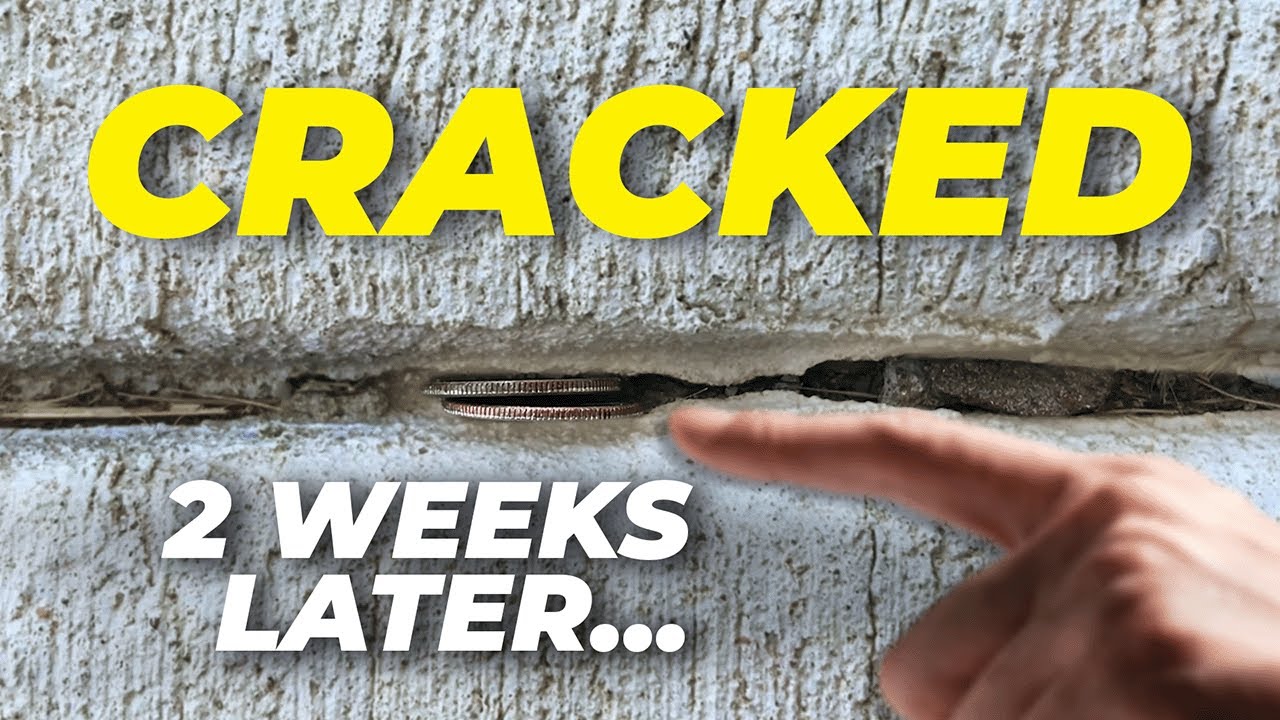
Cracks also develop as the ice expands and contracts with temperature changes. These cracks not only look bad but allow water to seep deeper, accelerating damage. Think about the last time you noticed peeling or cracking on a sidewalk during winter—this explains why.
Delayed Setting Time
Cold temperatures slow down the chemical reactions that cause concrete to set and harden. If it freezes, the setting time delays even more, sometimes by days or weeks.
This delay can throw off your construction schedule and increase labor costs. More importantly, it leaves the concrete vulnerable to damage since it’s not yet strong enough to handle stress. Have you ever faced unexpected delays that seemed to come out of nowhere? Frozen concrete might be hiding behind those setbacks.
Types Of Damage Caused
Concrete is a durable material, but freezing temperatures can cause serious damage that isn’t always visible at first glance. Understanding the types of damage caused by freezing can help you protect your projects and maintain the longevity of your concrete structures. Let’s examine the common issues that arise when concrete freezes and how they affect your work.
Internal Microcracking
When water inside the concrete freezes, it expands by about 9%. This expansion creates tiny cracks within the concrete’s internal structure. These microcracks might be invisible to the naked eye but can accumulate over time, weakening the material.
Have you ever noticed small, unexplained surface cracks on your concrete after winter? These are often signs of internal microcracking developing beneath the surface. Ignoring these early signs can lead to bigger problems later on.
Freeze-thaw Cycle Effects
The freeze-thaw cycle happens when concrete repeatedly freezes and thaws, causing stress inside the material. Water enters the concrete, freezes, expands, then melts, repeating this cycle many times. Each cycle pushes the concrete apart a little more.
This constant expansion and contraction can cause scaling, surface flaking, and even chunks breaking off. If you live in an area with frequent temperature changes around freezing, your concrete is at higher risk of this damage. Have you checked your concrete surfaces for signs of freeze-thaw damage lately?
Structural Integrity Concerns
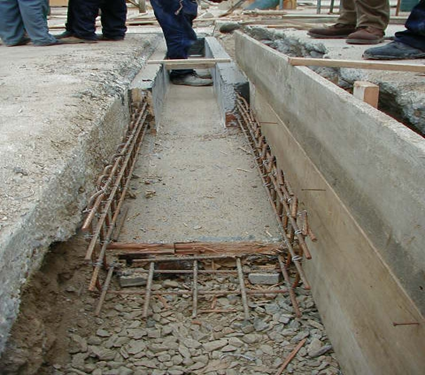
Over time, the combined effects of microcracking and freeze-thaw cycles can seriously reduce the strength of your concrete. This weakening might not be obvious at first but can lead to cracks, spalling, or even structural failure in extreme cases.
Think about driveways, sidewalks, or foundation slabs exposed to freezing weather without proper protection. The damage can compromise safety and lead to costly repairs. Are you taking steps to ensure your concrete maintains its strength through the cold months?
Credit: www.sauereisen.com
Preventing Freeze Damage
Preventing freeze damage is essential to keep concrete strong and durable. Concrete is vulnerable to freezing temperatures during its early curing stage. Freezing can cause cracks and weaken the structure. Protecting concrete from freeze damage requires careful planning and specific techniques.
Use Of Accelerators And Additives
Accelerators help concrete set faster, reducing the risk of freeze damage. They speed up the chemical reaction in the mix. Additives like calcium chloride are common accelerators. These substances lower the freezing point of water in the concrete. This prevents ice formation inside the mix.
Other additives improve workability and protect against cold. Air-entraining agents create tiny air bubbles. These bubbles provide space for ice to expand without cracking the concrete. Using the right additives ensures stronger concrete in cold weather.
Proper Curing Methods
Curing is crucial to help concrete gain strength. Proper curing keeps the concrete moist and warm. Covering concrete with insulating blankets or plastic sheets helps retain heat. Moist curing with water sprays or fogging is also effective.
Maintaining temperature above freezing during curing is key. It prevents ice from forming inside the concrete. Curing should last longer in cold conditions. This gives the concrete enough time to reach full strength.
Temperature Control Techniques
Controlling temperature around the concrete prevents freeze damage. Heating methods include heated enclosures and ground heaters. These keep the concrete warm during the first critical days.
Using thermal blankets or insulated forms helps trap heat. Monitoring temperature continuously ensures conditions stay safe. Temporary heat sources like propane heaters are common on construction sites. Temperature control protects concrete and extends its lifespan.
Best Practices For Cold Weather Concreting
Cold weather can be a real challenge for your concrete projects. If concrete freezes before it cures properly, it loses strength and durability. To avoid costly mistakes, you need to take specific steps that protect your concrete from freezing temperatures and ensure it cures well.
Pre-heating Materials
Heating your materials before mixing is a smart move. Warm water and aggregates help keep the concrete temperature higher right from the start. This simple step prevents the mix from cooling too quickly, giving the curing process a better chance to succeed.
Think about how chilling ingredients affect your cooking. Cold materials slow down the chemical reactions in concrete, similar to how cold dough takes longer to rise. By pre-heating, you speed up these reactions, ensuring the concrete gains strength faster even in cold weather.
Insulating Concrete Forms
Insulation is key to protecting freshly poured concrete. Using insulated forms or blankets traps heat and shields the concrete from cold air. This helps maintain the right temperature during the critical curing phase.
You can use foam boards or specialized insulating blankets. They’re easy to apply and remove once the concrete has set enough. Have you ever tried wrapping something fragile to keep it warm? The same idea applies here to safeguard your concrete.
Monitoring Weather Conditions
Keep a close eye on the forecast before and after pouring. Sudden drops in temperature can freeze your concrete unexpectedly. Knowing the weather helps you plan pouring times and decide if extra protection is needed.
Consider using temperature sensors in the concrete to track its internal temperature. This real-time data tells you if your curing strategy is working. Wouldn’t it be reassuring to know exactly when your concrete is safe from freezing?
Credit: www.a1concrete.com
Repairing Frozen Concrete
Repairing frozen concrete requires careful attention to avoid further damage and restore its strength. You need to act quickly to assess the condition and decide the best way to fix the problem. Ignoring frozen concrete can lead to costly repairs later.
Assessing Damage Severity
First, check if the concrete has visible cracks, spalling, or crumbling. Small surface cracks might be manageable, but deep cracks or large broken pieces signal serious damage.
Tap the concrete gently with a hammer; a hollow sound often means internal voids or delamination. You can also use a moisture meter to check if the concrete is still damp inside, which indicates freezing-related damage.
Ask yourself: Is the damage affecting the structure’s safety or just the surface? That will guide your repair choices.
Restoration Methods
For minor cracks, use concrete patching compounds or epoxy fillers to seal and protect the surface. These materials prevent water from entering and freezing again.
More severe damage might require removing the affected concrete and pouring new mix. Make sure to use cold-weather concrete mixes designed to cure properly in low temperatures.
If you notice spalling, chip away loose pieces before applying repair mortar. This ensures better adhesion and a longer-lasting fix.
Long-term Maintenance Tips
Keep an eye on your concrete during winter months. Applying sealants annually can reduce water absorption and prevent freezing damage.
Ensure proper drainage around your concrete surfaces to avoid standing water. Frozen puddles increase the risk of cracks and surface scaling.
Consider using heated mats or blankets in extreme cold if you have critical concrete structures. This simple step can save a lot of repair headaches.
Have you checked your concrete lately? Small issues caught early can save you from major repairs down the road.

Credit: www.reddit.com
Frequently Asked Questions
What Happens To Concrete When It Freezes?
When concrete freezes, water inside it turns to ice, expanding and causing cracks. This weakens its structure and delays curing.
Can Frozen Concrete Still Cure Properly?
Frozen concrete cures very slowly and unevenly. The hydration process stops until it thaws, which can lead to weak concrete.
How To Prevent Concrete From Freezing?
Use insulated blankets or heaters to keep concrete warm. Adding accelerators to the mix can also help prevent freezing.
Is Frozen Concrete Safe To Walk On?
No, frozen concrete is weak and fragile. Walking on it can cause damage and create safety hazards.
Conclusion
Concrete freezing can cause serious damage to your project. Ice inside concrete stops it from hardening properly. This leads to cracks and weak spots later. Protecting concrete from freezing is very important. Use blankets or heaters during cold weather. Plan your work to avoid freezing conditions.
Strong, durable concrete means a longer-lasting structure. Taking simple steps prevents costly repairs down the road. Keep your concrete safe and solid through winter.