Have you ever wondered if your brake fluid could freeze during those bone-chilling winter months? When temperatures drop, it’s natural to be concerned about how the cold might affect your vehicle’s performance.
After all, your safety on the road depends on your car’s reliability. Imagine driving on icy roads, and suddenly, your brakes aren’t as responsive as they should be. It’s a nerve-wracking thought, isn’t it? Understanding the behavior of brake fluid in freezing conditions is crucial for ensuring your car’s braking system works flawlessly when you need it most.
Dive into this article to unravel the mystery of brake fluid and cold weather, and discover essential tips to keep your vehicle in top shape this winter. Don’t let the cold catch you off guard—your peace of mind is just a read away.

Credit: www.gotodobbs.com
How Brake Fluid Reacts To Cold
Understanding how brake fluid behaves in cold weather is crucial for your vehicle’s safety. Brake fluid doesn’t freeze like water, but its performance can change as temperatures drop. Knowing what happens under the hood can help you avoid unexpected braking issues during chilly mornings or winter drives.
Chemical Composition Of Brake Fluid
Brake fluid is mainly made of glycol ethers or silicone-based compounds. These chemicals are designed to absorb moisture and maintain consistent pressure in your braking system. Because of this, brake fluid has a very low freezing point compared to water.
However, brake fluid is hygroscopic—it absorbs water from the air over time. This can lower its freezing point and affect braking performance, especially in cold weather.
Freezing Point Of Brake Fluids
Most brake fluids have freezing points well below -40°F (-40°C). This means they won’t turn solid during typical winter conditions. But, as water contaminates the fluid, the freezing point rises, increasing the risk of ice formation inside the brake lines.
Have you ever noticed spongy brakes on a cold morning? That could be due to moisture in the fluid freezing and reducing its effectiveness. Regular brake fluid changes help prevent this from happening.
Differences Between Dot Types
| DOT Type | Base Composition | Typical Freezing Point | Water Absorption |
|---|---|---|---|
| DOT 3 | Glycol-based | Approximately -40°F (-40°C) | High |
| DOT 4 | Glycol-based with borate additives | Approximately -50°F (-45°C) | Moderate |
| DOT 5 | Silicone-based | Approximately -76°F (-60°C) | None (non-hygroscopic) |
DOT 5 is less common but offers better cold weather performance because it doesn’t absorb water. However, it’s not compatible with all brake systems. Knowing your vehicle’s brake fluid type helps you choose the right maintenance schedule.
Common Misconceptions About Freezing
Many people believe brake fluid can freeze in cold weather like water does. This idea causes confusion and worry during winter. Understanding why this myth exists helps clear up the truth. Brake fluid behaves differently from water under cold temperatures. Knowing the facts protects your vehicle and keeps you safe on icy roads.
Why Brake Fluid Is Often Confused With Water
Brake fluid is a liquid, so people assume it freezes like water. Water freezes at 32°F (0°C), which is common knowledge. However, brake fluid is made of chemicals that resist freezing at much lower temperatures. Its freezing point is far below normal winter weather conditions. The confusion arises because brake fluid can absorb water over time. This change makes it behave more like water, but pure brake fluid itself does not freeze easily.
Impact Of Moisture Contamination
Brake fluid can absorb moisture from the air through small leaks or old seals. This moisture lowers the fluid’s boiling point and can cause freezing problems. When water mixes with brake fluid, it can freeze at temperatures typical in winter. Frozen moisture inside the brake system can cause damage or failure. This is why regular brake fluid changes are important to remove moisture. Clean brake fluid keeps the system working safely in cold weather.
Effects Of Cold Weather On Brake Performance
Cold weather affects how brakes perform in many ways. Low temperatures can change the behavior of brake fluid and parts. This can lead to slower response times and less effective braking. Knowing these effects helps keep your vehicle safe during winter.
Viscosity Changes In Low Temperatures
Brake fluid thickens as temperatures drop. Thick fluid moves slower through brake lines. This delay can reduce brake pressure and response speed. Thicker fluid also makes the brake system work harder. Over time, this can strain brake components and reduce their lifespan.
Potential Brake System Issues
- Brake fluid absorbs moisture, which can freeze.
- Frozen fluid blocks brake lines, causing failure.
- Cold can cause seals and hoses to become brittle.
- Brittle parts may crack or leak brake fluid.
- Reduced brake grip due to cold tires and road conditions.
Regular checks and proper brake fluid help prevent these issues. Using the right brake fluid type also keeps the system working well in cold weather.
Credit: urbanlube.ca
Preventing Brake Fluid Problems In Winter
Winter can be harsh on your vehicle, especially on critical components like the brake system. Preventing brake fluid problems during cold weather is essential for your safety and your car’s performance. You might not realize how much your brake fluid’s condition affects your stopping power in freezing temperatures.
Regular Fluid Checks And Replacement
Have you checked your brake fluid lately? Brake fluid attracts moisture over time, which lowers its boiling point and can cause freezing in cold weather. Regularly inspecting the fluid level and quality helps you spot any discoloration or cloudiness that signals contamination.
Replacing brake fluid every 1 to 2 years ensures it remains clean and moisture-free. I once ignored this and noticed a spongy brake pedal during a cold morning drive—turns out, old fluid had compromised my braking. Don’t wait for warning signs; schedule a brake fluid check before winter hits.
Using The Right Brake Fluid For Cold Climates
Not all brake fluids perform equally in freezing temperatures. Some types have better resistance to moisture and lower freezing points, making them ideal for cold climates.
- DOT 3:Common but absorbs moisture quickly, less ideal for cold weather.
- DOT 4:Offers better heat resistance and moisture tolerance.
- DOT 5:Silicone-based, doesn’t absorb moisture and has a very low freezing point, but may not be compatible with all vehicles.
Check your vehicle’s manual and ask your mechanic which fluid suits your local winter conditions best. Using the right fluid can prevent freezing and maintain reliable brake performance, even on the coldest mornings. What’s your current brake fluid type, and have you noticed any changes in braking when temperatures drop?
Signs Of Brake Fluid Trouble In Cold Weather
Brake fluid plays a vital role in keeping your vehicle safe, especially in cold weather. If it starts to act up, you might notice subtle changes before things get worse. Recognizing these early signs can help you avoid dangerous situations on icy roads.
Brake Responsiveness Changes
Have you ever felt your brakes respond slower or require more pressure during a chilly morning drive? That’s a key sign your brake fluid might be struggling. Cold temperatures can cause moisture in the fluid to freeze or thicken, reducing its efficiency.
When this happens, your brake pedal may feel spongy or soft instead of firm. You might also notice your car takes longer to stop, which can be risky on slick surfaces. Pay close attention to these changes because they signal that your braking system needs immediate attention.
Warning Lights And Indicators
Your dashboard is designed to alert you when something’s wrong with your brakes. If the brake warning light flickers or stays on, don’t ignore it. This light can indicate low brake fluid levels or contamination that affects freezing points.
Sometimes, you may also see ABS (Anti-lock Braking System) warnings during cold spells. These warnings suggest the system isn’t working properly, often due to brake fluid issues. Have you checked your brake fluid level or condition recently? A quick check might prevent bigger problems.

Credit: stittsvilleautomotive.ca
Maintenance Tips For Winter Driving
Winter driving demands extra attention to your vehicle’s brake system to stay safe on icy roads. Cold weather can affect brake fluid and other components, so proper maintenance is key. Taking care of your brakes before the temperature drops can prevent unexpected problems and keep your stopping power reliable.
Brake System Inspection
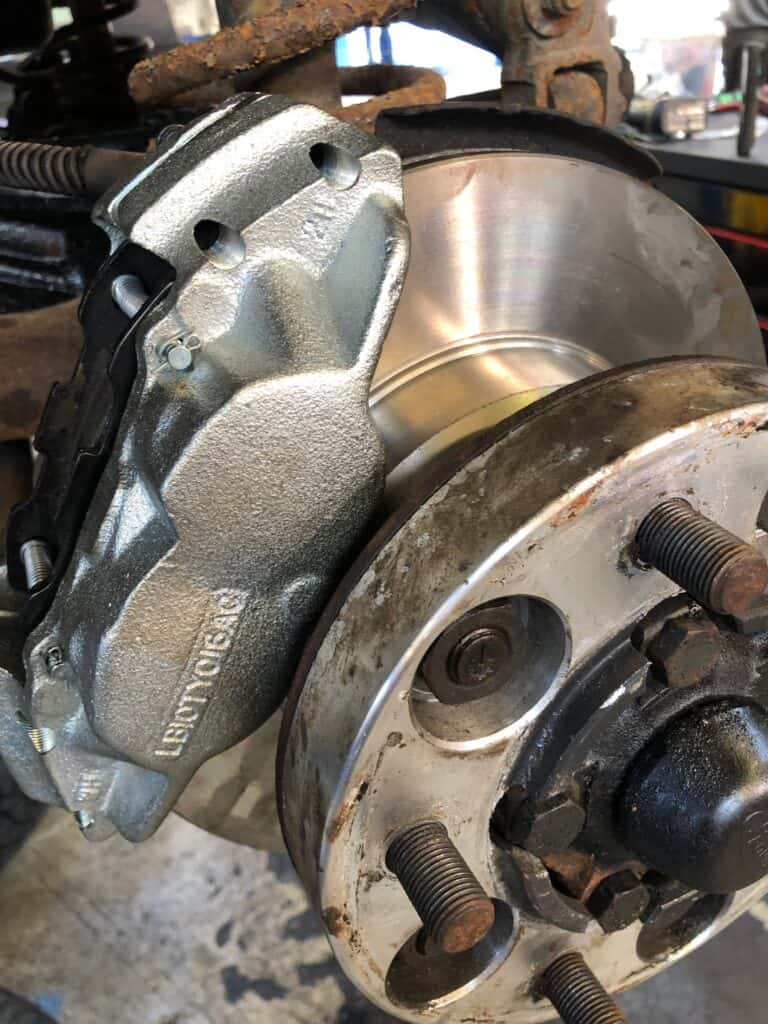
Check your brake pads, rotors, and calipers for wear or damage. Thin pads or warped rotors can reduce braking efficiency, especially on slippery surfaces. Have a trusted mechanic inspect your brake system if you notice squeaking or pulling to one side while braking.
Don’t forget to look at the brake fluid level and condition. Dark or dirty fluid can contain moisture, which lowers its freezing point and may cause issues in cold weather. Flushing and replacing brake fluid as recommended can prevent corrosion and freezing problems.
Keeping Brake Lines Moisture-free
Brake lines can collect moisture over time, which may freeze and block fluid flow in winter. You can’t see this moisture, but signs include a spongy brake pedal or delayed response. Use brake fluid with a high boiling point and low water content to minimize moisture buildup.
Store your car in a garage or use a car cover to limit exposure to frost and humidity. Regularly driving your car also helps move fluid through the lines, reducing the chance of water settling and freezing. Have your brake fluid tested if you suspect moisture issues—this small step can save you from brake failure on icy roads.
Frequently Asked Questions
Does Brake Fluid Freeze In Extremely Cold Weather?
Brake fluid has a very low freezing point, so it rarely freezes even in extreme cold. It remains liquid and functional in most winter conditions.
What Happens If Brake Fluid Freezes In A Car?
If brake fluid were to freeze, it would stop flowing properly, causing brake failure. However, this is highly unlikely due to its chemical properties.
How To Prevent Brake Fluid From Freezing In Winter?
Using high-quality, DOT-rated brake fluid and regularly changing it can prevent freezing. Proper maintenance ensures optimal performance in cold weather.
Can Old Brake Fluid Freeze More Easily?
Yes, old brake fluid absorbs moisture over time, lowering its freezing point and increasing freeze risk. Regular fluid replacement is essential.
Conclusion
Brake fluid does not freeze easily in cold weather. It has a low freezing point to keep brakes working. Still, very old or contaminated fluid may cause problems. Check your brake fluid regularly to stay safe. Good maintenance helps your car stop well in winter.
Cold weather can be tough, but proper care protects your brakes. Don’t ignore brake fluid for safe driving all year. Simple checks can prevent costly repairs later. Stay alert and keep your brake system healthy.