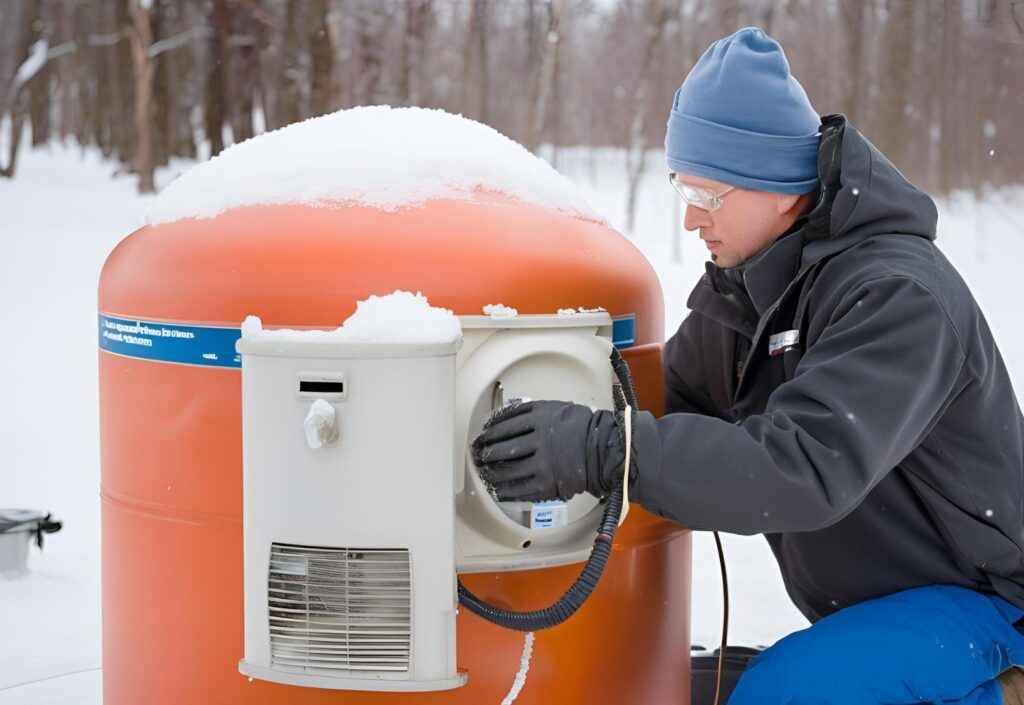
Imagine it’s the dead of winter, and you’re cozying up by the fireplace, ready for a warm evening at home. But suddenly, your propane-powered heater sputters and dies.
The culprit? Frozen propane lines. If you’ve ever wondered whether propane can freeze in the line, you’re not alone. Understanding this can mean the difference between a comfortable, warm home and a chilly, frustrating night. You’ll discover the truth about propane freezing, what conditions could lead to it, and how you can prevent it.
Dive in to ensure your home stays warm and welcoming, no matter how low the temperature drops outside.
Propane Basics
Understanding propane is key to knowing whether it can freeze in the line. Before diving into freezing concerns, it’s important to grasp the basics of what propane is, how it’s used, and its physical traits. This knowledge helps you handle propane safely and avoid common issues.
What Is Propane
Propane is a type of gas classified as a hydrocarbon. It is stored as a liquid under pressure but turns into gas when released. This makes it easy to transport and use in many situations.
You might not realize that propane comes from natural gas processing and crude oil refining. Its ability to change from liquid to gas quickly is what makes it so practical for heating and cooking.
Common Uses Of Propane
Propane is everywhere in daily life, especially where electricity is not available or reliable. You’ll find it powering:
- Home heating systems and water heaters
- Outdoor grills and camping stoves
- Forklifts and farm equipment
- Backup generators during power outages
Have you ever wondered why propane is chosen over other fuels? Its portability and clean burning make it a favorite for both residential and commercial use.
Physical Properties Of Propane
Propane is colorless and odorless in its natural state, but companies add a strong smell to help detect leaks. It boils at -42°C (-44°F), which means it stays gas under normal outdoor temperatures.
Because propane vaporizes easily, it rarely freezes under normal conditions. However, if your propane line feels cold or seems blocked, it might be due to other issues like moisture or pressure drops.
Knowing these properties helps you spot problems early and maintain your propane system efficiently. How often do you check your propane setup for potential issues?

Credit: centralpennpropane.com
Freezing Point Of Propane
Understanding the freezing point of propane is important for safe and effective use. Propane is a common fuel for heating and cooking. Its behavior in cold weather can affect performance and safety. Knowing the temperature where propane freezes helps avoid problems in propane lines and tanks.
Temperature At Which Propane Freezes
Propane freezes at a very low temperature. The freezing point is around -306°F (-188°C). This temperature is much colder than typical outdoor temperatures. It means propane rarely freezes under normal weather conditions. The gas stays liquid or vapor in most climates. Freezing propane inside pipes or tanks is uncommon.
Factors Affecting Propane’s Freezing Point
Some factors can affect when propane freezes. These include:
- Pressure inside the tank or line
- Presence of impurities or other gases mixed with propane
- Temperature changes in the surrounding environment
Higher pressure lowers the freezing point slightly. Mixed gases may change the freezing point too. Cold weather can cause propane to become less effective but usually not frozen. Proper maintenance and equipment help prevent freezing issues.
Can Propane Freeze In The Line
Can propane freeze in the line? It’s a question many homeowners and users of propane-powered equipment ask, especially during cold weather. Propane itself has a very low freezing point, but under certain conditions, you might experience issues that feel like freezing in your propane line. Understanding what causes this and how to spot it can save you from unexpected disruptions.
Conditions Leading To Freezing
Propane freezes at around -306°F (-188°C), far colder than any natural outdoor temperature. So, technically, propane won’t freeze in your line. However, propane lines can still experience blockages due to other causes that mimic freezing.
One common culprit is moisture. If water vapor gets into the propane line and the temperature drops, that moisture can freeze and cause ice blockages. This is especially true if your propane system isn’t properly maintained or if there’s a leak allowing moisture inside.
Another factor is the pressure drop in the propane line. When propane flows rapidly through a narrow or clogged pipe, the temperature can drop significantly—sometimes causing the formation of ice from moisture or even solidifying other contaminants.
Signs Of Frozen Propane Lines
How do you know if your propane line is frozen or blocked? Watch for these signs:
- Reduced or no gas flow:Appliances may sputter or fail to ignite.
- Frost or ice buildup:Visible frost on the exterior of pipes or fittings.
- Pressure drops:Your gas gauge might show abnormal readings.
- Unusual smells:Sometimes trapped gas causes odors indicating leaks or blockages.
When I first noticed my heater struggling on a cold night, I assumed the propane was freezing. Instead, it was ice blocking the regulator caused by moisture buildup. Fixing the moisture issue prevented future blockages and kept the propane flowing smoothly.
Have you checked your propane lines lately for frost or unusual pressure? Small signs can point to bigger problems before your system stops working entirely.
Credit: www.townsendtotalenergy.com
Effects Of Freezing On Propane Systems
Freezing temperatures can have surprising effects on propane systems that many users might not expect. While propane itself has a very low freezing point, the components around the system—especially the lines—can experience issues when cold weather sets in. Understanding these effects helps you avoid disruptions and maintain safety in your propane setup.
Impact On Fuel Flow
When temperatures drop, the pressure inside propane lines can decrease. This drop can reduce the flow of fuel to your appliances, causing them to perform poorly or even stop working.
Ice or frost buildup around valves and regulators may also restrict fuel movement. Have you noticed your heater struggling on cold mornings? That might be due to slowed fuel flow caused by freezing conditions.
Maintaining proper insulation and monitoring pressure levels can help you keep fuel flowing smoothly even in harsh weather.
Potential Damage To Equipment
Frozen moisture trapped inside the propane system can cause serious damage to valves, regulators, and pipes. When water freezes, it expands, which may lead to cracks or leaks in your equipment.
Repeated freezing and thawing cycles put extra stress on components, shortening their lifespan. If you ignore these signs, you risk costly repairs or replacement down the line.
Regular inspections and using moisture-absorbing filters can protect your system from freeze-related damage. Have you checked your propane equipment for signs of wear after winter? It might save you trouble later.
Preventing Propane Line Freezing
Preventing propane line freezing is essential for safe and efficient fuel delivery. Frozen propane lines can block gas flow, causing appliance failure and safety hazards. Proper care helps avoid cold weather problems and keeps propane systems working smoothly.
Proper Installation Techniques
Correct installation reduces the risk of freezing. Pipes should slope slightly downward to allow moisture drainage. Avoid low spots where water can collect and freeze. Use materials rated for cold weather. Keep lines as short as possible to minimize exposure.
Insulation And Heating Solutions
Insulating propane lines helps keep them warm. Use foam pipe insulation sleeves or wraps designed for outdoor use. Heating cables can be applied to prevent ice buildup. Place insulation around joints and valves. Protect lines from wind and moisture with weatherproof covers.
Regular Maintenance Tips
- Check lines for cracks, leaks, or damage regularly.
- Clear snow and ice away from propane equipment.
- Test heating cables before the cold season starts.
- Schedule professional inspections annually for safety assurance.
- Drain any water traps or moisture collectors in the system.
What To Do If Propane Lines Freeze
Frozen propane lines can stop gas flow and create safety risks. Knowing what to do helps restore service safely and quickly. Acting carefully avoids damage and keeps your home secure.
Safe Thawing Methods
Thaw frozen propane lines slowly to prevent cracks or leaks. Use warm, not hot, water to warm the affected area. Wrap a warm cloth around the pipe and replace it often. Avoid open flames or heat guns; these can cause fires or explosions.
Another safe option is to use a space heater near the frozen line. Keep it at a safe distance to prevent overheating. Allow the propane to flow naturally as the ice melts. Check the line for leaks or damage after thawing.
When To Call A Professional
Call a professional if you smell gas or see frost build-up repeatedly. Professionals have tools to detect leaks and fix lines safely. Avoid trying to repair damaged pipes yourself.
Also call an expert if the line remains frozen after safe thawing attempts. They can inspect your system and prevent future freezes. Safety is the top priority with propane lines.

Credit: www.reddit.com
Frequently Asked Questions
Can Propane Freeze In Cold Weather?
Propane has a freezing point of -306°F (-188°C), so it does not freeze in normal cold weather. It remains liquid and safe to use even in very low temperatures.
What Causes Propane Line Freezing?
Propane line freezing happens due to moisture or air mixing with propane. This moisture can freeze in the lines, causing blockages and flow issues.
How To Prevent Propane Line Freezing?
Prevent freezing by ensuring propane tanks are properly maintained. Use dry gas and keep lines insulated to avoid moisture buildup and freezing problems.
Does Propane Pressure Affect Freezing Risk?
Low propane pressure can increase freezing risk by allowing moisture to condense. Maintaining proper pressure helps reduce the chance of ice formation in lines.
Conclusion
Propane rarely freezes in the line due to its low freezing point. Cold weather can cause other problems, like pressure drops or moisture buildup. Keep your propane system well maintained to avoid issues. Check lines regularly for leaks or damage.
Using proper equipment helps propane flow smoothly in cold conditions. Stay aware of weather changes and prepare accordingly. Safe propane use means fewer interruptions and better performance. Understanding propane’s behavior keeps you safe and comfortable all winter.