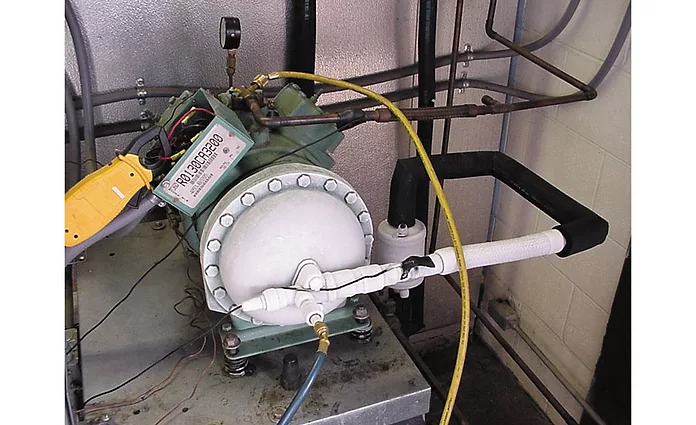
Have you ever glanced at your air conditioning unit or refrigerator, only to notice that the suction line is covered in frost or ice? It’s a puzzling sight, isn’t it?
This unexpected freeze-up can be a sign of underlying issues that need your attention. You might be wondering why this is happening and what it means for your cooling system. Don’t worry; you’re not alone in this. Many homeowners and business operators face the same challenge, and understanding the cause is the first step in resolving it.
Stick with us as we dive deep into the reasons behind this chilling phenomenon, and discover how you can prevent it from disrupting your comfort and peace of mind. Your curiosity will be satisfied, and you’ll be equipped with the knowledge to tackle this issue head-on.

Credit: www.reddit.com
Common Causes Of Freezing Suction Lines
Understanding the common causes of freezing suction lines can save you time and money. It’s frustrating when your HVAC system stops working properly due to ice buildup. Knowing what triggers this issue helps you spot problems early and take action before damage occurs.
Low Refrigerant Levels
Low refrigerant reduces pressure in the system, causing the suction line to get colder than it should. This drop in temperature can lead to ice forming on the line. If you notice your system isn’t cooling well and the suction line feels icy, low refrigerant might be the culprit.
Restricted Airflow
Airflow is essential to keep your system running smoothly. Blocked vents or closed registers can reduce airflow, causing the evaporator coil to get too cold. This uneven cooling leads to ice buildup on the suction line.
Dirty Air Filters
Dirty filters restrict the air that passes through your HVAC system. Less air means the evaporator coil can freeze, which then causes ice on the suction line. Regularly checking and replacing filters is a simple way to avoid this problem.
Faulty Blower Motor
The blower motor pushes air across the evaporator coil. If it’s malfunctioning, airflow slows down or stops. Without proper airflow, the suction line and coil can freeze up, disrupting your system’s performance.
Thermostat Issues
Incorrect thermostat settings or a malfunctioning thermostat can cause your system to run longer than needed. This overworking can lower the temperature too much, leading to freezing. Have you checked if your thermostat is working accurately?
Improper Refrigerant Charge
Both too much and too little refrigerant can cause problems. An improper charge affects pressure and temperature balance, leading to ice formation on the suction line. Getting a professional to check and adjust the refrigerant charge is often necessary.
Effects Of A Frozen Suction Line
A frozen suction line affects your air conditioning system in several serious ways. It lowers the system’s ability to cool your home properly. The freezing also forces the unit to work harder, raising electricity bills. Ignoring this issue can lead to costly repairs and damage to the system’s core parts.
Reduced Cooling Efficiency
The ice blocks the refrigerant flow inside the suction line. This stops the system from absorbing enough heat from your home. The air coming out will feel warmer than usual. The whole cooling process slows down, making your space uncomfortable.
Increased Energy Consumption
The system runs longer to reach the desired temperature. This uses more electricity than normal. Your energy bills will rise noticeably. The unit struggles to keep up, wasting energy and money.
Potential Compressor Damage
The compressor works under high pressure when the line is frozen. This can cause it to overheat and fail. Repairing or replacing the compressor is expensive. A frozen suction line can shorten the lifespan of your air conditioner.
Diagnosing The Problem
Figuring out why your suction line is freezing up requires a careful look at several key components of your HVAC system. Diagnosing the problem means checking what’s causing the cold to build up where it shouldn’t, which can save you from costly repairs later. Start by examining the refrigerant levels, airflow, blower motor, and thermostat, as these often hold the clues to the freeze-up.
Inspecting Refrigerant Levels
Low refrigerant is one of the most common reasons for a freezing suction line. When the refrigerant runs low, the pressure drops, causing the temperature to fall below freezing and ice to form. Check for leaks or signs of damage, because adding refrigerant without fixing a leak will only lead to the problem returning.
Checking Airflow And Filters
Restricted airflow can cause your suction line to freeze. Dirty or clogged filters reduce the air moving across the evaporator coil, making it too cold and leading to ice buildup. Have you checked your filters recently? Replacing or cleaning them regularly keeps air flowing freely and prevents freezing issues.
Examining The Blower Motor
The blower motor pushes air through your system. If it’s malfunctioning or running too slowly, the airflow drops, and your suction line can freeze. Listen for unusual noises or check if the air feels weaker than usual. A failing blower motor needs prompt attention to avoid bigger problems.
Monitoring Thermostat Functionality
Your thermostat controls the system’s cycles and temperature settings. Faulty or inaccurate thermostats can cause your unit to run longer than it should, contributing to freezing. Have you noticed your system running non-stop or not turning off at the right temperature? Calibrating or replacing the thermostat might be the solution.

Credit: www.achrnews.com
Fixes For A Freezing Suction Line
Fixing a freezing suction line requires quick action to avoid damage. Several issues can cause the problem. Simple fixes often restore normal function and prevent future freezes.
Addressing these causes helps your system run smoothly. Here are effective solutions to try.
Recharging Refrigerant
Low refrigerant levels cause the suction line to freeze. Adding the correct amount of refrigerant balances pressure and temperature. A professional should check and recharge the system to avoid overcharging.
Cleaning Or Replacing Filters
Dirty or clogged filters restrict airflow. This reduces heat exchange and causes freezing. Regularly cleaning or replacing filters improves airflow and stops ice buildup on the suction line.
Repairing Or Replacing Blower Motor
A weak or broken blower motor lowers air circulation. Poor airflow leads to low pressure and freezing. Repairing or replacing the blower motor restores proper air movement and prevents frost.
Adjusting Thermostat Settings
Incorrect thermostat settings can cause the system to run too long or too cold. Setting the thermostat to a moderate temperature reduces freezing risk. Avoid setting it too low, especially during cold weather.
Ensuring Proper System Maintenance
Regular maintenance keeps the whole system healthy. Checking refrigerant levels, cleaning coils, and inspecting parts prevent freezing. Schedule routine professional inspections to catch problems early and maintain efficiency.
Preventing Future Freezing Issues
Freezing suction lines can be frustrating and costly, but you have more control over prevention than you might think. The key lies in consistent care and attention to your HVAC system. Small, regular actions can stop freezing issues before they start and keep your system running smoothly.
Regular Hvac Maintenance
Scheduling regular HVAC check-ups is crucial. Technicians can spot early signs of problems that cause freezing, like low refrigerant or dirty coils. I once ignored a minor issue, and the suction line froze repeatedly until a professional found a small leak. Don’t let minor glitches turn into costly repairs.
Timely Filter Replacement
Dirty or clogged air filters restrict airflow, making your system work harder and increasing the risk of freezing. Changing filters every 1-3 months depending on use can prevent this. Have you checked your filter lately? A clean filter helps air flow freely, reducing strain and keeping temperatures balanced.
Monitoring System Performance
Keep an eye on your system’s behavior. Odd noises, fluctuating temperatures, or longer run times can hint at trouble. Using a smart thermostat or system monitor can alert you to unusual patterns early. What signs does your system show when it’s struggling? Catching issues early stops freezing before it begins.

Credit: www.reddit.com
Frequently Asked Questions
Why Does My Suction Line Freeze In Ac Systems?
Suction lines freeze due to low refrigerant, restricted airflow, or dirty filters. These issues cause the evaporator coil to get too cold, leading to ice buildup on the line.
How Can Low Refrigerant Cause Suction Line Freezing?
Low refrigerant reduces pressure in the system, causing the evaporator coil to become excessively cold. This cold temperature freezes moisture on the suction line, resulting in ice accumulation.
What Role Does Airflow Play In Suction Line Freezing?
Poor airflow restricts warm air from reaching the evaporator coil. Without enough warm air, the coil gets too cold, causing condensation to freeze on the suction line.
Can A Dirty Filter Cause My Suction Line To Freeze?
Yes, dirty filters reduce airflow, causing the evaporator coil to get too cold. This leads to ice forming on the suction line and potential system damage.
Conclusion
A freezing suction line often signals a problem in your system. Poor airflow, low refrigerant, or dirty filters cause this issue. Fixing these can stop the freezing and improve performance. Regular maintenance keeps your system running smoothly. Don’t ignore small signs; they can lead to bigger problems.
Stay alert and act quickly to protect your equipment. Keeping your suction line clear helps your system last longer. Simple steps can save money and avoid discomfort. Remember, a healthy system means a comfortable home all year round.