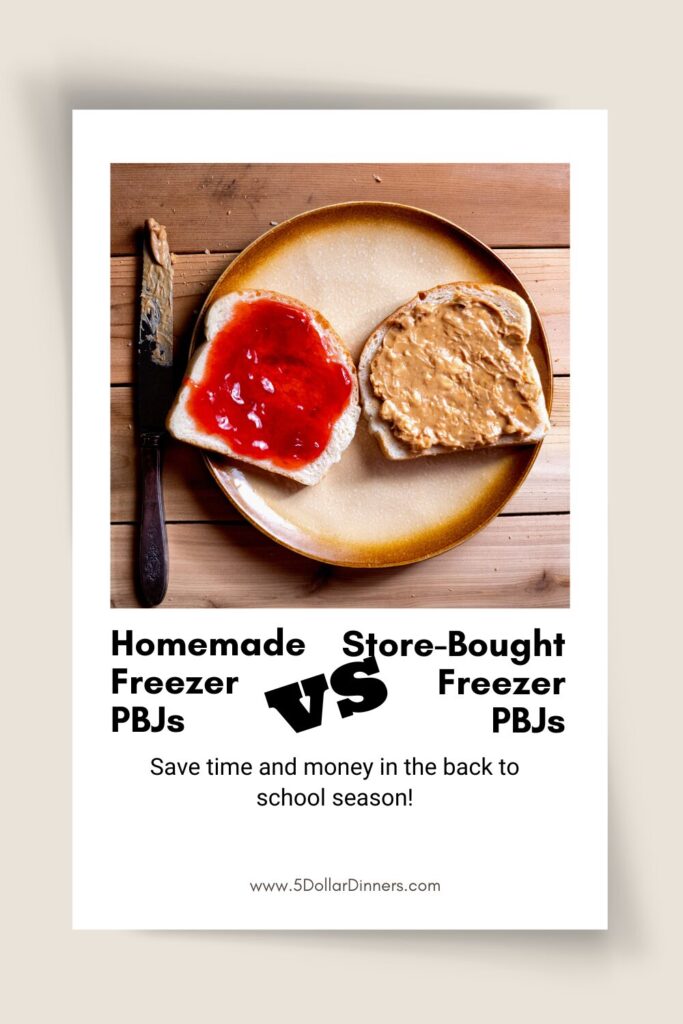
Imagine the delightful taste of a perfectly made peanut butter and jelly sandwich. It’s a classic, comforting, and oh-so-convenient meal option.
But what if you could make a batch of these tasty sandwiches and have them ready whenever you want, without the hassle of preparing them fresh every time? Yes, you guessed it—freezing PB&J sandwiches. But is it possible, and more importantly, how does it affect that beloved flavor and texture you adore?
We’ll unravel the mystery of freezing your favorite sandwich. Get ready to discover the tips and tricks that will keep your PB&J deliciously fresh, and make your life a little easier. Keep reading to unlock the secret to enjoying your favorite snack anytime you crave it!
Freezing Pb&j Basics
Freezing peanut butter and jelly sandwiches is a smart way to save time and reduce food waste. Knowing the basics helps keep your sandwiches fresh and tasty after freezing. The right bread, jelly, and peanut butter choices make a big difference in texture and flavor.
Ideal Bread Types
- Use sturdy bread like whole wheat or sourdough to avoid sogginess.
- Avoid very soft bread; it can get mushy after freezing.
- Thicker slices hold up better during freezing and thawing.
Choosing The Right Jelly
- Pick jellies with low water content to reduce sogginess.
- Grape, strawberry, or raspberry jellies freeze well.
- Jams with chunks of fruit may change texture after freezing.
Peanut Butter Varieties For Freezing
- Creamy peanut butter freezes better than natural types with oil separation.
- Natural peanut butter may need stirring after thawing to blend oil.
- Choose peanut butter without added sugar for better freezing results.

Credit: lemonsnlyme.com
Prepping Sandwiches For Freezing
Freezing peanut butter and jelly sandwiches is a smart way to save time and reduce food waste. Proper preparation helps keep the sandwiches fresh and tasty after thawing. Taking a few simple steps ensures the bread stays soft and the filling stays in place.
Preventing Soggy Bread
Keep the bread from getting soggy by spreading peanut butter first. This layer acts as a barrier between the jelly and bread. Use a thin layer of jelly to avoid extra moisture. Choose thicker jams or preserves rather than watery jelly. Avoid freezing sandwiches with fresh fruit to reduce sogginess.
Portioning And Wrapping Tips
Cut sandwiches into halves or quarters before freezing for easy use. Wrap each sandwich tightly in plastic wrap to lock in freshness. Remove as much air as possible to prevent freezer burn. Label each wrapped sandwich with the date for quick identification. Use parchment paper between sandwiches if stacking to prevent sticking.
Using Airtight Containers
Place wrapped sandwiches in airtight containers for extra protection. Choose containers that fit snugly to minimize air exposure. Freeze containers flat to save space and keep sandwiches even. Airtight containers help maintain taste and texture during storage. Use freezer bags as an alternative but squeeze out excess air before sealing.
Freezing Process
Freezing peanut butter and jelly sandwiches can keep them fresh for later meals. The process needs care to keep taste and texture intact. Proper freezing avoids soggy bread and preserves flavors. Follow these key steps for best results.
Optimal Freezer Settings
Set the freezer temperature to 0°F (-18°C) or lower. This temperature stops bacteria and mold growth. Avoid temperature changes to keep sandwiches safe. Use a freezer thermometer to check the setting. Keep the freezer closed as much as possible.
Labeling And Dating
Mark each sandwich package clearly with the date frozen. Use waterproof labels or permanent markers. Label both sides if the package is clear. Write the type of sandwich to avoid confusion. This helps track freshness and prevents waste.
Freezing Duration Limits
Store peanut butter and jelly sandwiches in the freezer for up to one month. Beyond this, bread texture and flavor can suffer. Jelly may separate or become watery. Peanut butter holds up well but may dry out. Eat sandwiches soon for the best taste.
Thawing And Serving
Thawing and serving frozen peanut butter and jelly sandwiches needs care. Proper thawing keeps the sandwich tasty and safe. Serving it right keeps the texture and flavors fresh.
Safe Thawing Methods
Place the frozen sandwich in the refrigerator. Let it thaw slowly for 3 to 4 hours or overnight. This method keeps the sandwich at a safe temperature.
For faster thawing, wrap the sandwich in a paper towel. Microwave it on low power for 15 to 20 seconds. Check the sandwich often to avoid overheating.
Reheating Tips
Most people prefer peanut butter and jelly sandwiches cold or at room temperature. If you want it warm, heat gently. Use a microwave or toaster oven on low settings.
Avoid heating too long to stop the bread from becoming hard or dry. Warm just enough to soften the peanut butter and jelly.
Maintaining Freshness After Thawing
Eat the sandwich within 24 hours after thawing. Keep it wrapped in plastic or airtight containers to stop it from drying out.
Store leftovers in the refrigerator. Avoid refreezing thawed sandwiches to keep taste and texture.
Troubleshooting Common Issues
Freezing peanut butter and jelly sandwiches can save time and reduce waste. Some common problems appear after freezing. Understanding these issues helps keep your sandwich tasty and fresh. Here are ways to handle typical challenges with frozen PB&J sandwiches.
Dealing With Soggy Bread
Soggy bread happens when moisture builds up inside the sandwich. To avoid this, spread peanut butter thickly on both slices. It creates a barrier that stops jelly from soaking the bread. Wrap sandwiches tightly in plastic wrap before freezing. Use airtight containers or freezer bags to keep moisture out. Thaw sandwiches in the fridge or at room temperature, not in the microwave. Microwaving can make bread soggy fast.
Flavor Changes
Freezing may dull the taste of peanut butter and jelly. Jelly flavors can weaken or become watery after thawing. Choose thick, less watery jelly for freezing. Some people prefer natural peanut butter without added oils for better freezing results. Store sandwiches away from strong-smelling foods to prevent flavor transfer. Eat frozen sandwiches within 1 to 2 months for best taste.
Texture Adjustments
Frozen PB&J sandwiches might feel different in texture. Bread can become a bit dry or crumbly after thawing. Jelly may be less smooth or separate slightly. Toasting the sandwich after thawing can improve texture and warmth. Let sandwiches thaw fully before eating to avoid cold spots. Preparing sandwiches with sturdier bread types also helps maintain texture during freezing.

Credit: www.reddit.com
Alternative Storage Ideas
Alternative storage options for peanut butter and jelly sandwiches help keep them tasty and fresh. Choosing the right method depends on how soon you plan to eat the sandwich. Some ways preserve texture better, while others extend shelf life. Here are practical ideas to store your PB&J effectively.
Refrigeration Vs Freezing
Refrigerating PB&J keeps it fresh for a day or two. The bread may become a bit firm but the filling stays safe. Freezing extends storage up to several weeks. It stops mold and spoilage but can change the bread texture after thawing. Wrap sandwiches tightly to avoid freezer burn. Thaw in the fridge or at room temperature before eating.
Using Freezer-friendly Ingredients
Choose ingredients that freeze well to keep quality high. Use smooth peanut butter; it freezes better than chunky. Jelly or jam with less water content resists freezer ice crystals. Avoid fresh fruits or watery jams that can make bread soggy after thawing. Layer peanut butter and jelly separately to prevent sogginess. Wrap each sandwich in plastic wrap and place in a freezer bag.
Quick Fresh Sandwich Assembly
Assemble sandwiches just before eating for the best taste. Keep peanut butter and jelly jars handy for quick use. Store bread separately in airtight bags to keep it soft. Carry small containers of peanut butter and jelly when packing lunches. Spread ingredients on fresh bread at meal time. This method avoids soggy bread and keeps sandwiches enjoyable.

Credit: foodbythegram.com
Frequently Asked Questions
Can You Freeze A Peanut Butter And Jelly Sandwich?
Yes, you can freeze a peanut butter and jelly sandwich. Wrap it tightly in plastic wrap or foil. Store it in an airtight container or freezer bag. This prevents freezer burn and keeps the sandwich fresh for up to 3 months.
How Do You Thaw A Frozen Pb&j Sandwich?
To thaw a frozen PB&J sandwich, place it in the refrigerator overnight. For quicker thawing, leave it at room temperature for 1-2 hours. Avoid microwaving, as it may make the bread soggy or unevenly warm.
Does Freezing Affect The Taste Of Pb&j Sandwiches?
Freezing may slightly change the texture but not the taste. Peanut butter holds up well, while jelly might become a bit watery. Proper wrapping minimizes flavor changes, keeping your sandwich enjoyable after thawing.
Can You Freeze Pb&j Sandwiches With Fresh Bread?
Yes, fresh bread can be frozen in PB&J sandwiches. Use sturdy bread to avoid sogginess. Wrap well to preserve texture. Freezing helps maintain freshness and prevents the bread from becoming stale quickly.
Conclusion
Freezing peanut butter and jelly sandwiches works well to save time. It keeps them fresh and tasty for weeks. Just wrap them tightly to avoid freezer burn. Thaw them at room temperature or in the fridge before eating. This method helps reduce food waste and makes snacks easy.
Try freezing your PB&J to enjoy quick, ready-made meals anytime. Simple, convenient, and practical.