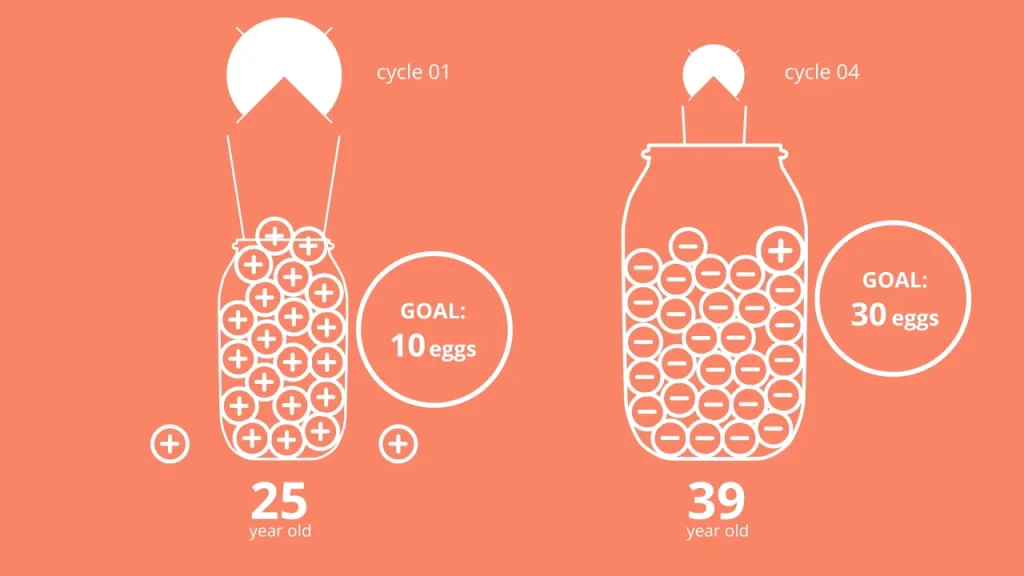
Are you 25 and thinking about freezing your eggs? You might have heard about egg freezing from friends, family, or even social media.
But is it the right choice for you? The decision can feel overwhelming, but understanding the benefits and implications can help clear the fog. By the end of this article, you’ll have a clearer picture of whether this step aligns with your future plans.
Dive in to discover how egg freezing might impact your life and whether it’s a decision that fits your unique circumstances. Your future self might just thank you for it.

Credit: www.yahoo.com
Benefits Of Egg Freezing At 25
Freezing your eggs at 25 can offer significant benefits that go beyond just preserving fertility. At this age, your eggs are often healthier and more abundant, which can improve your chances of a successful pregnancy later on. Let’s look at some key advantages that make egg freezing at 25 a wise consideration for many women.
Higher Egg Quality And Quantity
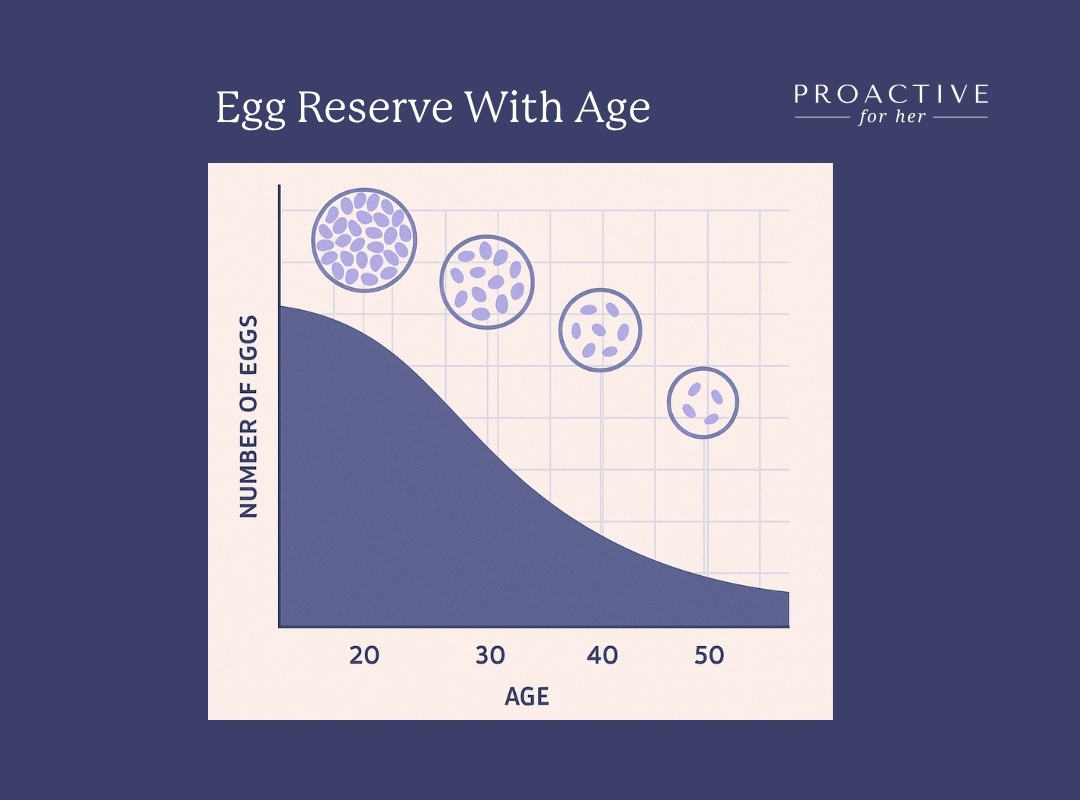
Your eggs at 25 are generally at their peak quality. This means they have a better chance of developing into healthy embryos compared to eggs frozen at an older age.
Because you have more eggs at this age, you can freeze a larger quantity. This increases your options and the likelihood of success when you decide to use them.
Increased Future Fertility Options
Freezing eggs early gives you more control over your fertility journey. You can delay pregnancy without the pressure of a ticking biological clock.
It also provides a backup plan if you face unexpected fertility challenges later on. You’re essentially safeguarding your ability to have children when the time feels right for you.
Career And Lifestyle Flexibility
Egg freezing at 25 allows you to focus on your career or personal goals without rushing into parenthood. This freedom can reduce stress and help you make decisions that truly fit your lifestyle.
Knowing your fertility is preserved can give you peace of mind. You can invest time in your ambitions, relationships, or travel, confident that you’ve planned ahead.
Credit: proactiveforher.com
Risks And Considerations
Freezing eggs at 25 involves several important risks and considerations. It is not a simple decision and requires careful thought about health, money, and feelings. Understanding these factors helps make a clearer choice about egg freezing.
Medical Risks And Side Effects
The egg freezing process uses hormone injections to stimulate the ovaries. This can cause side effects like bloating, mood swings, and headaches. Rarely, it may lead to ovarian hyperstimulation syndrome, which can be serious. The egg retrieval procedure carries small risks of infection or bleeding. Long-term effects are still being studied, so it is not without uncertainty.
Financial Costs Involved
Egg freezing can be expensive. The cost includes hormone medications, monitoring visits, and the egg retrieval procedure. Storage fees for frozen eggs add to the total. Some women may need multiple cycles to collect enough eggs, increasing costs. Insurance often does not cover these expenses, making it a significant financial commitment.
Emotional And Psychological Factors
Egg freezing can bring emotional stress. The hormonal changes may affect mood and energy. Waiting for results can create anxiety or hope. Some women feel pressure to make decisions about future family plans. It is important to prepare mentally and seek support if needed during the process.
How Egg Freezing Works
Egg freezing is a process that helps women preserve their fertility. It allows eggs to be saved at a younger age for use later in life. Understanding how egg freezing works can help you decide if it is the right choice for you.
The Egg Retrieval Process
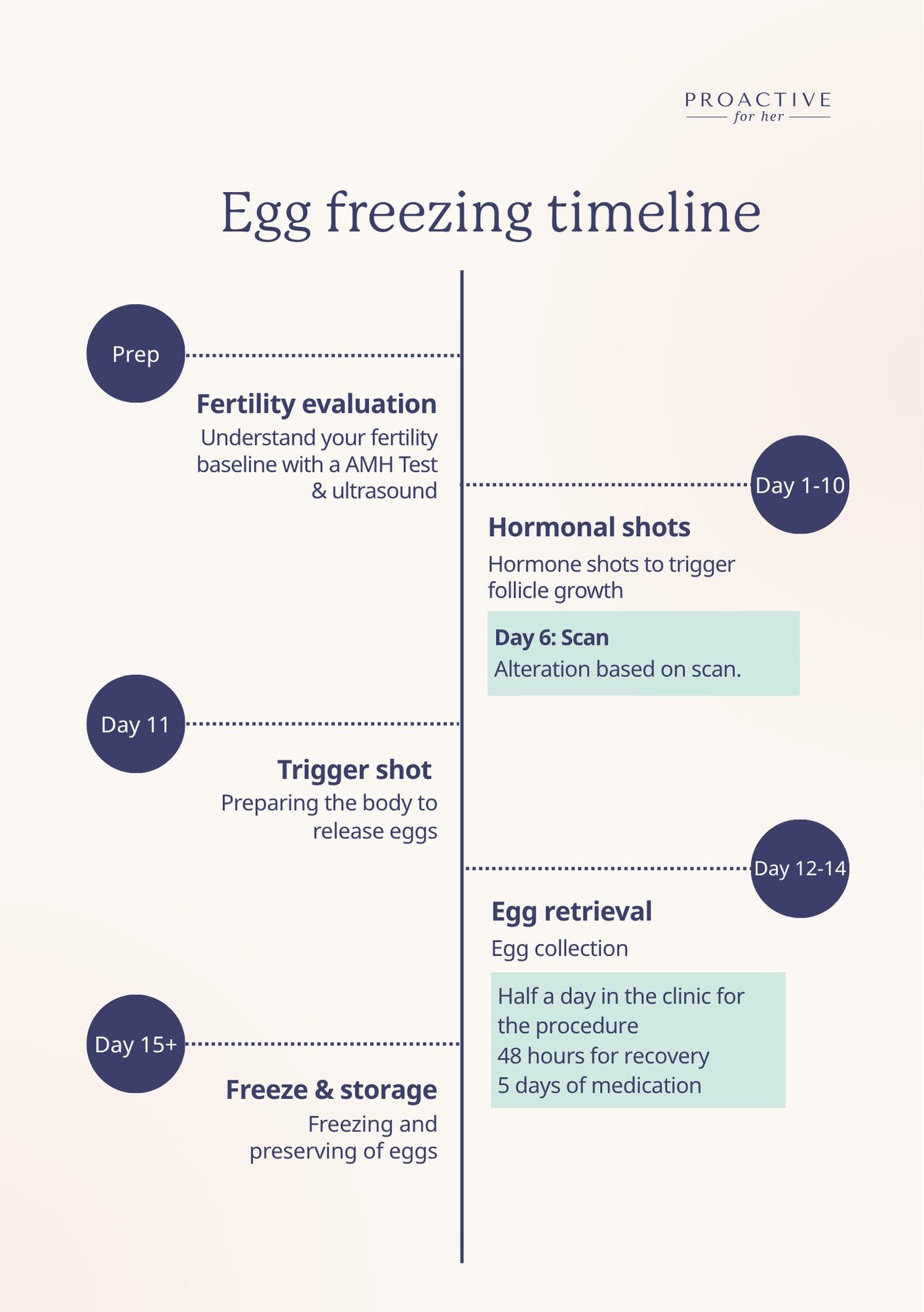
The process starts with hormone injections. These hormones stimulate your ovaries to produce multiple eggs. After about 10 days, doctors monitor your progress with ultrasounds and blood tests. Once the eggs are mature, a minor procedure retrieves them. This procedure uses a thin needle guided by ultrasound. It usually takes less than 30 minutes. You can go home the same day.
Freezing And Storage Techniques
After retrieval, the eggs are cleaned and checked. Each egg is frozen quickly using a method called vitrification. This technique prevents ice crystals from forming. Ice crystals can damage the eggs. The eggs are then stored in liquid nitrogen tanks. They can remain frozen for many years without losing quality.
Success Rates For Younger Women
Egg freezing works best for younger women. At 25, eggs are generally healthier and more likely to survive freezing. Younger eggs have a higher chance of fertilization and development. This leads to better pregnancy rates later. Freezing eggs at a younger age increases your chances of success in the future.
Alternatives To Egg Freezing
Egg freezing is one choice for preserving fertility, but several alternatives exist. These options suit different needs and life plans. Exploring them helps you decide what fits best for your future family goals. Understanding each option’s benefits and limits is important.
Natural Fertility Preservation
Natural fertility preservation means taking steps to keep your eggs healthy without medical intervention. Healthy eating, regular exercise, and avoiding smoking support egg quality. Managing stress and maintaining a healthy weight also help. Tracking your menstrual cycle can inform you about your fertility window. These habits promote overall reproductive health and may extend fertility naturally.
Embryo Freezing
Embryo freezing involves fertilizing eggs with sperm before freezing. This method often has higher success rates than egg freezing alone. It requires a sperm source, either from a partner or donor. Embryos can be stored for years and used later for pregnancy attempts. This option suits those confident about their future partner or donor plans. It offers a stronger chance of pregnancy but needs more initial steps.
Adoption And Other Family Planning Options
Adoption provides a way to build a family without using biological eggs. It involves legal and emotional preparation but can be very rewarding. Other family planning options include surrogacy and foster parenting. These choices allow you to become a parent in different ways. Each path has unique processes and requirements. Exploring all options broadens the understanding of family possibilities beyond egg freezing.
When To Consider Egg Freezing
Egg freezing is a personal choice that depends on various life factors. Knowing when to consider it helps make the decision easier. Some situations make egg freezing a smart option to preserve fertility and future options.
Understanding these situations guides better planning for your reproductive health and life goals.
Medical Reasons
Some health conditions affect fertility early. Cancer treatments like chemotherapy can harm eggs. Women with these conditions may freeze eggs before treatment. Genetic disorders that reduce fertility also call for early freezing. It helps keep the chance of having children later.
Personal And Career Goals
Many women want to focus on their careers first. Freezing eggs offers more time to achieve goals. It reduces the pressure of a biological clock ticking. Women can plan motherhood on their terms. This option supports balancing work, dreams, and family planning.
Relationship Status
Not being in a stable relationship can influence the choice. Egg freezing can provide more time to find the right partner. It prevents rushing into parenthood or relationships. Women gain control over family planning despite uncertain romantic situations.
Choosing The Right Clinic
Choosing the right clinic is a vital step in the egg freezing process. The clinic you select affects your experience and the success of the procedure. It requires careful thought and research. Finding a clinic that feels safe and trustworthy helps you stay confident throughout.
Consider many details before making your choice. Each clinic offers different services, costs, and support. Knowing what matters most to you makes the decision easier. Take time to learn about the clinic’s methods and reputation. The right clinic supports your health and future plans.
Factors To Evaluate
- Clinic location and convenience
- Experience of doctors and staff
- Technologies and equipment used
- Cost of egg freezing and payment options
- Patient reviews and testimonials
- Support services like counseling or guidance
Questions To Ask
- How many egg freezing cycles does the clinic perform each year?
- What is the average age of patients undergoing the procedure?
- What are the clinic’s policies on egg storage duration?
- Are there any risks I should know about?
- How is patient privacy protected?
- What follow-up care is offered after the procedure?
Clinic Success Rates
Success rates show how well a clinic performs. Look for data on egg survival after thawing. Check pregnancy and live birth rates from frozen eggs. Compare rates with national or regional averages. Higher success rates suggest better care and techniques.
Ask if the clinic shares success rates openly. Beware of clinics that hide or exaggerate results. Reliable clinics provide clear and honest information.
Credit: proactiveforher.com
Frequently Asked Questions
What Are The Benefits Of Freezing Eggs At 25?
Freezing eggs at 25 preserves fertility when egg quality is high. It offers future family planning flexibility and reduces age-related fertility risks. Younger eggs increase chances of successful pregnancy later, making it a proactive choice for many women wanting to delay childbirth.
How Does Egg Freezing Work At A Young Age?
Egg freezing involves hormone stimulation to produce multiple eggs. These eggs are then retrieved and frozen through vitrification. Freezing at a young age ensures higher egg quality and quantity, increasing the likelihood of successful fertilization when used in the future.
Is Freezing Eggs At 25 Cost-effective?
Freezing eggs at 25 can be cost-effective by reducing future fertility treatments. Younger eggs improve success rates, potentially lowering the need for multiple IVF cycles. However, initial costs are significant, so weighing long-term benefits against expenses is important.
What Are The Risks Of Freezing Eggs Early?
Risks include ovarian hyperstimulation, discomfort during retrieval, and emotional stress. However, medical procedures are generally safe with low complication rates. Early freezing carries minimal health risks and maximizes egg quality for future use.
Conclusion
Freezing eggs at 25 can offer peace of mind for future family plans. Your fertility is usually higher at this age, which may improve success rates. The decision depends on personal health, career goals, and finances. Think about your options carefully and talk with a doctor.
Taking action early can provide more choices later. It’s a personal step that many women consider today. Your body, your timeline, your choice.