Have you ever made a big pot of jambalaya and found yourself wondering what to do with the leftovers? You’re not alone.
This savory, spicy dish is a favorite in many households, but its generous portions often leave us with more than we can eat in one sitting. So, does jambalaya freeze well? You might be surprised at how easy it is to preserve its rich flavors and enjoy it later.
We’ll uncover the secrets to freezing jambalaya effectively, ensuring every bite is as delicious as the day you cooked it. Stick with us, and you’ll learn the tips and tricks to make your leftovers last, saving you time and money in the kitchen.
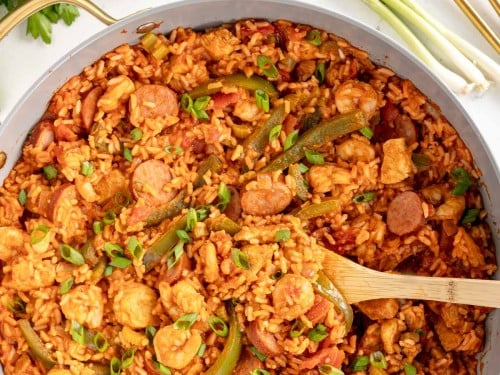
Credit: www.kyleecooks.com
Freezing Jambalaya Basics
Freezing jambalaya helps save time and reduce food waste. It keeps the flavors intact for future meals. Knowing the basics makes freezing jambalaya easy and effective. Proper preparation and storage ensure the best taste after thawing.
Ideal Jambalaya Ingredients For Freezing
Choose ingredients that freeze well and keep texture after thawing. Meats like sausage, chicken, and shrimp work great. Avoid adding delicate vegetables like bell peppers before freezing. Cook rice slightly underdone to prevent mushiness when reheated. Use spices and herbs that hold flavor in cold storage.
Portioning For Easy Storage
Divide jambalaya into meal-sized portions before freezing. Use airtight containers or heavy-duty freezer bags. Leave space for expansion during freezing to avoid spills. Label each container with date and contents for easy tracking. Portioning helps thaw only what you need and reduces waste.
Preparing Jambalaya For The Freezer
Preparing jambalaya for the freezer requires careful steps to keep its flavors and texture intact. Proper cooling and packaging are key to preserving the dish’s taste. Follow these simple tips to store your jambalaya safely and enjoy it later.
Cooling And Packaging Techniques
Allow jambalaya to cool completely before freezing. Hot food traps moisture and causes ice crystals. Spread the jambalaya in a shallow container to cool faster. Avoid leaving it out for more than two hours to prevent bacteria growth.
After cooling, portion the jambalaya into meal-sized servings. This helps with quick thawing and reduces waste. Use airtight wrapping to protect the food from freezer burn. Wrap with plastic wrap or aluminum foil before placing in containers or bags.
Choosing The Right Containers
Select containers that are freezer-safe and airtight. Containers with secure lids keep air out and flavors in. Plastic containers, glass jars with freezer lids, or heavy-duty freezer bags work well.
Label each container with the date and contents. This makes it easy to track freshness and avoid spoilage. Leave a little space at the top of containers for the food to expand as it freezes.
Storage Duration And Conditions
Storing jambalaya properly is key to keeping its rich flavors and textures intact. Understanding how long you can freeze it and under what conditions makes a big difference. Let’s look at the best freezer settings and how long jambalaya stays delicious when frozen.
Optimal Freezer Temperature
Set your freezer to 0°F (-18°C) or lower to keep jambalaya safe and tasty. This temperature slows down bacterial growth and preserves the dish’s quality. Freezers fluctuating above this can cause freezer burn, affecting texture and flavor.
Have you ever taken out frozen food only to find it dry or icy? That’s usually because the temperature wasn’t steady. Keeping your freezer consistently cold ensures your jambalaya stays fresh and ready to enjoy.
Recommended Storage Time
For the best taste and safety, freeze jambalaya for no longer than 3 months. Beyond that, the flavors and texture may start to deteriorate. While it might still be safe after 3 months, you’ll notice a drop in quality.
Here’s a quick guide to remember:
- Up to 1 month:Almost like freshly made, with vibrant flavors.
- 1 to 3 months:Still great, but slight changes in texture might occur.
- Over 3 months:Safe if frozen well, but expect loss in taste and texture.
What’s your experience with freezing jambalaya? Have you noticed any flavor changes after a certain period? Share your tips for keeping it tasty!
Thawing Jambalaya Safely
Thawing jambalaya safely is important to keep its flavor and texture. Proper thawing stops bacteria from growing. It also helps keep the dish fresh and tasty.
Best Thawing Methods
- Refrigerator thawing: Place jambalaya in the fridge for 24 hours.
- Cold water thawing: Seal jambalaya in a bag and submerge in cold water. Change water every 30 minutes.
- Microwave thawing: Use the defrost setting but cook immediately after thawing.
Avoiding Food Safety Risks
Never thaw jambalaya at room temperature. Bacteria grow fast in warm places.
Cook jambalaya right after microwave thawing. This prevents bacteria from multiplying.
Keep thawed jambalaya in the fridge if not eaten immediately. Eat it within 2 days for safety.
Reheating Tips For Best Flavor
Reheating jambalaya to keep its bold flavors and perfect texture can be a bit tricky. You want to avoid drying it out or ending up with unevenly warmed rice and sausage. The key is gentle heat and a little moisture to bring back that fresh-cooked taste you love.
Stovetop Reheating
Using the stovetop is one of the best ways to reheat jambalaya because it heats evenly and allows you to control the moisture. Start by placing your jambalaya in a skillet or saucepan over medium-low heat.
Add a splash of chicken broth, water, or even a little tomato juice to keep it moist. Stir frequently to prevent sticking and to distribute the heat evenly.
This method works great if you want to refresh the dish’s texture and flavor without drying it out. Have you noticed how a little extra liquid can bring frozen jambalaya back to life?
Microwave Techniques
The microwave is quick but can sometimes leave your jambalaya dry or unevenly heated. To avoid this, spread the jambalaya in a microwave-safe dish in an even layer.
Cover the dish with a damp paper towel or microwave-safe lid to trap moisture during heating. Heat on medium power in 1-minute intervals, stirring in between to make sure it warms evenly.
Adding a small amount of liquid before microwaving can make a big difference. Have you ever tried reheating jambalaya this way and been surprised by how tender it turned out?

Credit: myfamilydinner.com
Common Freezing Mistakes To Avoid
Freezing jambalaya can be a great way to save time and reduce food waste, but it’s easy to make mistakes that affect its taste and texture. Knowing what to avoid will help you keep your jambalaya as delicious as the day you made it. Let’s look at some common freezing mistakes that can ruin your meal and how to prevent them.
Preventing Texture Changes
One common mistake is freezing jambalaya without cooling it properly first. Hot food can create ice crystals that damage the texture of the rice and sausage. Always let your jambalaya cool completely before freezing.
Also, avoid freezing large portions in one container. When jambalaya freezes unevenly, some parts turn mushy while others stay dry. Divide your jambalaya into smaller, flat containers or freezer bags for quick and even freezing.
Have you noticed your jambalaya gets soggy after thawing? That usually happens because of excess liquid. Drain any extra sauce or broth before freezing to maintain the right consistency.
Avoiding Freezer Burn
Freezer burn is a common culprit behind dry, flavorless jambalaya. It happens when air reaches the food, causing dehydration. To avoid this, seal your containers tightly and use airtight freezer bags or containers designed for freezing.
Another tip is to remove as much air as possible before sealing. You can press out air from freezer bags or use a vacuum sealer if you have one. This simple step can dramatically extend the quality of your frozen jambalaya.
Lastly, label your jambalaya with the date before freezing. Do you know how long your jambalaya has been in the freezer? Eating it within 3 months ensures the best taste and texture.
Enhancing Jambalaya After Freezing
Freezing jambalaya is a great way to save leftovers. But reheated jambalaya can lose some freshness. Enhancing it after freezing brings back its vibrant flavors and textures. Simple steps can make your jambalaya taste as good as new.
Adding Fresh Ingredients
Adding fresh ingredients brightens up frozen jambalaya. Sprinkle chopped green onions or fresh parsley for a crisp touch. Squeeze a little lemon juice to add a fresh zing. Stir in freshly diced tomatoes or bell peppers for extra crunch. Fresh ingredients restore color and add new flavors.
Adjusting Seasonings
Seasonings may dull after freezing and reheating. Taste the jambalaya first. Add a pinch of salt or pepper to lift the flavors. Mix in Cajun seasoning or a little hot sauce for more spice. A splash of Worcestershire sauce can add depth. Adjust seasonings slowly to keep balance.

Credit: www.evolvingtable.com
Frequently Asked Questions
Can You Freeze Jambalaya For Later Use?
Yes, jambalaya freezes well. Store it in an airtight container or freezer bag. Proper freezing preserves flavor and texture for up to 3 months.
How To Reheat Frozen Jambalaya Correctly?
Reheat frozen jambalaya by thawing overnight in the fridge. Warm it on the stove or microwave until steaming hot. Stir occasionally to ensure even heating.
Does Freezing Affect Jambalaya’s Taste And Texture?
Freezing may slightly soften the texture but flavor stays rich. Use fresh ingredients for best results. Proper packaging minimizes freezer burn and taste loss.
What Is The Best Container For Freezing Jambalaya?
Use airtight containers or heavy-duty freezer bags. Remove excess air to prevent freezer burn. Label with date for easy tracking and freshness.
Conclusion
Jambalaya freezes well and keeps its flavor nicely. Store it in airtight containers for best results. Thaw it slowly in the fridge before reheating. Avoid freezing rice separately to keep texture fresh. Reheat gently to enjoy the full taste. Freezing saves time and reduces food waste.
It’s a smart way to enjoy jambalaya later. Try freezing a small batch first to test. You’ll find it a handy meal for busy days.