Are you considering placing your deep freezer outside to save some space inside your home? You might be wondering if it’s a good idea or if there are potential risks involved.
Before you make a decision, it’s crucial to understand the factors that can affect your freezer’s performance and lifespan when exposed to outdoor conditions. Imagine the convenience of having easy access to your frozen goods while maximizing your indoor space.
But, are you prepared for the challenges that might come with it? Stick around, as we delve into the pros and cons, helping you make an informed choice that suits your lifestyle and keeps your food safe and fresh.
Choosing The Right Freezer
Choosing the right deep freezer for outdoor use requires careful thought. You want a unit that can handle weather changes and still keep your food perfectly frozen. The right choice will save you money and hassle in the long run.
Types Suitable For Outdoors
Not all freezers are built to survive outside. Look for models labeled as “outdoor” or “weather-resistant.” These freezers often have stronger insulation and sealed components to protect against moisture and dust.
Chest freezers are a popular option for outdoor use because of their simple design and durable build. Upright freezers can work too, but make sure they have a protective coating and sturdy doors.
Have you checked if the freezer’s compressor is rated for a wide temperature range? Some compressors struggle in extreme cold or heat, which could cause failure when placed outdoors.
Energy Efficiency Considerations
Energy use is a big factor when selecting your outdoor freezer. A unit that runs efficiently will keep your electricity bill lower and reduce wear on the compressor.
Look for freezers with an Energy Star rating or similar certifications. These models use less power and often come with better insulation materials.
Think about your climate too. In very cold areas, some freezers use more energy to maintain the right temperature. You might want a model with a temperature control feature to adjust settings based on outside weather.
What if you could save energy by placing the freezer in a shaded area or under a covered porch? Simple location choices can impact energy use just as much as the freezer’s design.

Credit: www.amazon.ca
Placement And Location Tips
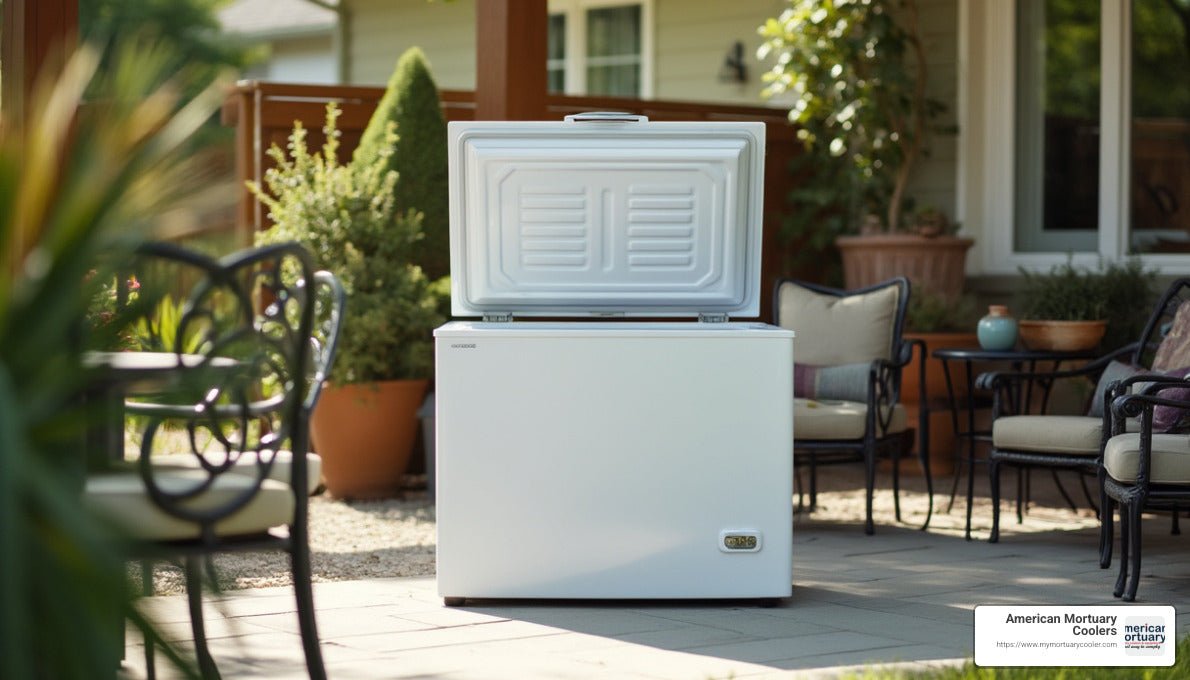
Choosing the right place for a deep freezer outside is very important. The location affects its performance and lifespan. A good spot protects it from weather and ensures it stays stable. Careful placement keeps the freezer working well and saves energy.
Sheltered Spots To Avoid Weather Damage
Place the freezer in a spot shielded from rain, snow, and strong sun. A covered porch, carport, or a shed with good airflow works well. Avoid direct sunlight to prevent overheating and damage to parts. Keep the freezer off the ground to stop water from pooling around it during rain.
- Use a roof or awning for extra cover.
- Keep it away from areas with heavy wind.
- Check for good air circulation around the freezer.
Surface And Stability Requirements
Set the freezer on a flat, solid surface to avoid tipping or vibration. Concrete slabs, wooden decks, or heavy-duty pallets work best. Avoid soft ground, grass, or uneven surfaces that can cause instability. Proper leveling helps the freezer door close tightly and keeps the compressor safe.
- Ensure the surface supports the freezer’s full weight.
- Use a level tool to check evenness before placement.
- Keep the area clean and free of debris under the freezer.
Weather And Temperature Impact
Weather and temperature play a crucial role in how well your deep freezer performs outside. Extreme cold or heat can affect its efficiency and lifespan. Understanding these impacts helps you protect your investment and keep your food safe.
Operating In Cold Climates
Freezers are designed to maintain a constant internal temperature, but very cold weather can make this tricky. When outdoor temperatures drop below freezing, the compressor may run less frequently, causing the freezer’s internal temperature to rise. This can lead to food spoilage if the freezer can’t keep items fully frozen.
Some freezers have a “cold climate kit” or a temperature sensor to help in freezing conditions. Without these, you might need to bring the freezer indoors during extreme cold spells. Have you noticed your freezer’s performance drop during winter? This could be why.
Handling Heat And Sun Exposure
Heat and direct sunlight force your freezer to work harder to stay cool. This increases electricity use and can wear out the compressor faster. Placing the freezer in shaded areas or under a protective cover can help keep temperatures down.
Also, think about ventilation. A well-ventilated spot allows heat to escape, preventing the freezer from overheating. Have you checked if your freezer feels hot to the touch on sunny days? That’s a sign it needs better protection.
Electrical Safety Measures
Electrical safety is key when placing a deep freezer outside. Outdoor environments expose electrical components to moisture and weather changes. These factors increase the risk of electrical hazards. Taking proper safety steps protects your home and device from damage. Follow simple but strict measures for safe outdoor use.
Proper Wiring And Grounding
Use wiring that meets local electrical codes. Proper grounding prevents electric shocks and short circuits. Grounding directs excess electricity safely into the earth. Check that the outlet for your freezer is grounded and in good condition. Avoid using old or damaged wiring outdoors. Hire a licensed electrician if unsure about wiring safety.
Using Outdoor-rated Extension Cords
Choose extension cords made for outdoor use only. These cords have insulation that resists water, sunlight, and temperature changes. Avoid indoor cords to reduce fire and shock risks. Ensure the extension cord matches the freezer’s power needs. Keep cords off the ground to avoid water contact. Regularly inspect cords for cracks or damage and replace them if needed.
Maintenance For Outdoor Use
Maintaining a deep freezer placed outside requires special attention to keep it working well. Outdoor conditions like moisture, dust, and temperature changes can affect the freezer’s performance and lifespan. Regular care helps avoid common issues such as ice buildup and rust. Simple maintenance steps make sure the freezer stays clean and durable in any weather.
Cleaning And Defrosting Tips
Clean the freezer surface and interior regularly. Use a soft cloth and mild detergent to remove dirt. Avoid harsh chemicals that can damage the finish.
Defrost the freezer when ice builds up more than a quarter inch. Turn off the freezer and let the ice melt naturally. Remove melted water with a sponge to prevent leaks.
- Keep the door seal clean to maintain a tight closure.
- Wipe spills quickly to avoid stains and odors.
- Check the freezer’s temperature settings often to ensure proper cooling.
Protecting From Rust And Corrosion
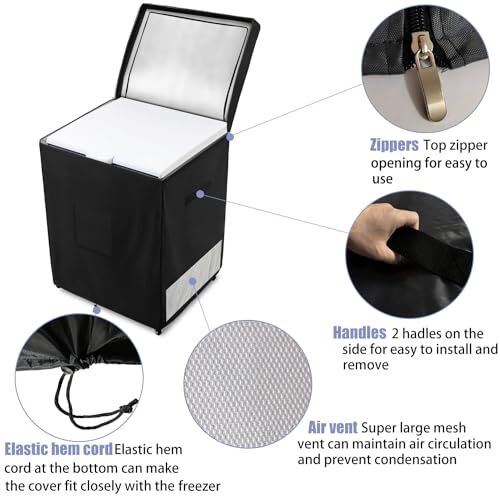
Rust can damage the freezer’s metal parts over time. Use a waterproof cover to shield the freezer from rain and snow. Make sure the cover fits well and allows air circulation.
Apply a rust-resistant spray on exposed metal surfaces. This creates a barrier against moisture and salt, especially in humid or coastal areas.
- Place the freezer on a raised platform to avoid water contact.
- Inspect the freezer regularly for signs of rust or corrosion.
- Touch up any scratches or chipped paint to prevent rust from starting.
Credit: mymortuarycooler.com
Common Problems And Solutions
Placing a deep freezer outside brings unique challenges. Exposure to weather and wildlife can cause issues. Understanding these problems helps protect your appliance. Practical solutions can keep the freezer running well for years.
Dealing With Moisture And Ice Buildup
Outdoor freezers face more moisture than indoor ones. Rain, snow, and humidity cause condensation inside the freezer. This moisture leads to ice buildup on freezer walls and shelves. Excess ice reduces cooling efficiency and storage space.
Prevent ice buildup by checking the door seal regularly. A tight seal keeps cold air in and moisture out. Wipe away any water around the door after opening. Use a cover or shelter to shield the freezer from rain and snow. Regularly defrost the freezer to remove thick ice layers. Keep the freezer away from damp ground to reduce moisture exposure.
Preventing Pest Intrusion
Animals and insects can try to enter outdoor freezers. Small gaps or weak seals invite pests inside. Rodents may chew wires or nest in warm spots. Insects can contaminate stored food.
Block pest entry by sealing all cracks and holes. Use weatherproof caulk or foam to close gaps. Check the door gasket for wear and replace if needed. Keep the area around the freezer clean and free of food scraps. Place the freezer on a raised platform to reduce access for small animals. Consider pest deterrents like traps or natural repellents nearby.
Credit: true-routes.com
Frequently Asked Questions
Can A Deep Freezer Withstand Outdoor Weather Conditions?
Most deep freezers are not designed for outdoor exposure. Extreme temperatures and moisture can damage the compressor and insulation. Using a freezer outside may void the warranty and reduce its lifespan. Always check the manufacturer’s guidelines before placing a freezer outdoors.
What Temperature Range Is Safe For Outdoor Deep Freezers?
Outdoor deep freezers perform best between 0°F and 90°F (-18°C to 32°C). Extreme cold or heat can affect efficiency and cause damage. Consider a model specifically made for outdoor use if you need to place it outside.
How To Protect A Deep Freezer When Placed Outside?
Place the freezer under a covered, ventilated area to shield it from rain and direct sunlight. Use a waterproof cover and keep it elevated to avoid water damage. Regularly check for frost buildup and clean the appliance to maintain performance.
Will Placing A Freezer Outside Increase Energy Costs?
Yes, outdoor placement can increase energy consumption. Temperature fluctuations force the freezer to work harder. Insulating the area or choosing an outdoor-rated freezer can help reduce energy costs.
Conclusion
Placing a deep freezer outside can work if done right. Choose a dry, shaded spot to protect it from weather. Keep the freezer clean and check it often for damage. Use a cover made for freezers to keep dust out.
Make sure the power source is safe and dry. Watching these steps helps your freezer last longer outside. This way, your food stays fresh and your freezer stays safe. Simple care makes outdoor use possible and easy.