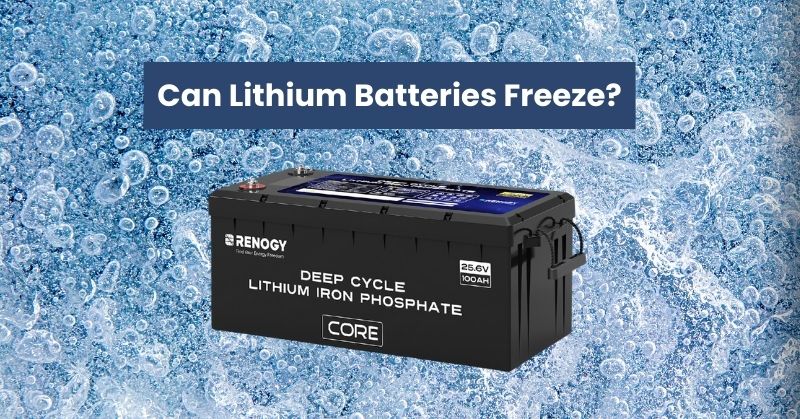
Have you ever wondered if AGM batteries, known for their durability and efficiency, can stand up to the harsh winter months? As temperatures drop, the last thing you want is a frozen battery that leaves you stranded.
Understanding the freezing point of AGM batteries and how they react to cold weather is crucial for ensuring your vehicle or equipment is always ready to go. You’ll discover everything you need to know about whether AGM batteries freeze, how to protect them, and why this knowledge could save you time and money.
Keep reading to ensure your battery stays in peak condition, no matter the weather outside.
Agm Battery Basics
Understanding the basics of AGM batteries can help you decide if they are the right choice for your needs. AGM, or Absorbent Glass Mat batteries, offer a unique design that sets them apart from traditional lead-acid batteries. Knowing how they work and their benefits will clarify why many users prefer AGM batteries, especially in challenging conditions.
How Agm Batteries Work
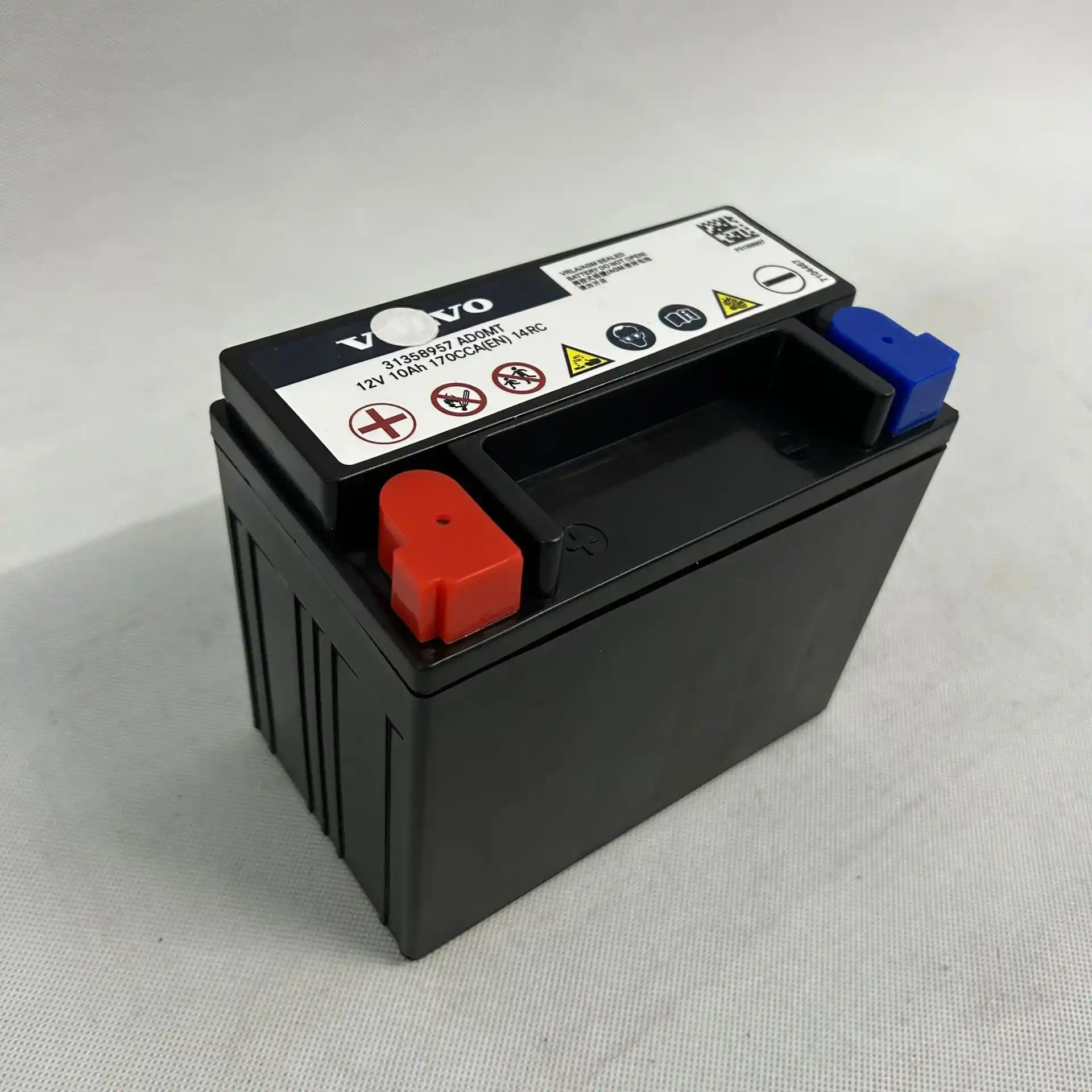
AGM batteries use a special glass mat separator that holds the electrolyte in place, preventing it from spilling. This design allows the battery to be sealed and maintenance-free, unlike conventional flooded batteries. The glass mat absorbs the acid, keeping it in contact with the plates, which improves efficiency and reduces the risk of leaks.
Because the electrolyte is immobilized, AGM batteries are less prone to damage from vibration and impact. This makes them ideal for vehicles, boats, and outdoor equipment. Have you ever experienced acid spills during battery maintenance? AGM batteries eliminate that worry completely.
Benefits Over Traditional Batteries
- Longer Lifespan:AGM batteries typically last longer than flooded lead-acid batteries due to their design and resistance to sulfation.
- Better Performance in Cold Weather:They deliver higher power output in low temperatures, which is crucial if you live somewhere cold.
- Maintenance-Free:No need to add water or check electrolyte levels regularly.
- Faster Charging:AGM batteries accept charge more quickly, saving you time and reducing downtime.
- Leak-Proof and Safer:The sealed design prevents spills and reduces the chance of corrosion around the battery.
Have you noticed how your traditional battery struggles in winter? Switching to AGM might solve that problem and improve your device’s reliability. Are you ready to upgrade your power source?
Credit: www.evlithium.com
Freezing Risks For Agm Batteries
AGM batteries are popular for their durability and maintenance-free design. Yet, cold weather poses risks that can affect their performance. Understanding how freezing temperatures impact AGM batteries helps protect them and extend their life.
Temperature Thresholds
AGM batteries can handle cold better than regular batteries. Still, they have limits. The critical temperature is around -20°C (-4°F). Below this, the battery risks freezing, especially if it is not fully charged.
Fully charged AGM batteries freeze at much lower temperatures than discharged ones. For example:
- Fully charged battery: freezes near -70°C (-94°F)
- 50% charged battery: freezes near -15°C (5°F)
- Discharged battery: freezes near 0°C (32°F)
Maintaining a full charge reduces freezing risks in cold climates.
What Happens When They Freeze
Freezing causes damage inside the battery. The liquid electrolyte expands as it freezes. This expansion can crack the battery case or internal plates.
Cracks lead to leaks and loss of battery function. Once damaged by freezing, the battery often cannot be repaired. Performance drops quickly after freeze damage.
Frozen AGM batteries also lose capacity and may fail to start devices. Preventing freeze damage is essential for reliable battery use.
Signs Of Battery Freezing
Knowing the signs of a frozen AGM battery helps protect your vehicle and tools. Freezing changes the battery’s condition, making it easy to spot problems early. Recognizing these signs can save time and money.
Visual Indicators
- Cracked or swollen battery casing shows internal damage.
- White or powdery residue on terminals indicates corrosion.
- Frost or ice crystals on battery surface suggest freezing.
- Leaking fluid from the battery case means freezing damage.
- Discoloration or warping hints at internal freezing effects.
Performance Symptoms
- Battery struggles to start the engine or power devices.
- Voltage drops below normal levels during use or testing.
- Longer charging times with poor charge retention.
- Rapid loss of power even after a full charge.
- Unusual noises or smells from the battery area.
Winterproofing Agm Batteries
Winter can be tough on your AGM batteries. Freezing temperatures may reduce their efficiency or even cause damage if not properly cared for. Taking steps to winterproof your AGM batteries ensures they stay reliable and ready, no matter how cold it gets outside.
Proper Storage Tips
Store your AGM batteries in a cool, dry place, ideally above freezing temperatures. Avoid leaving them directly on cold concrete floors, which can draw heat away and increase the risk of freezing. Using a wooden pallet or insulated mat underneath can make a big difference.
If you have to keep your batteries outdoors, place them inside a weatherproof container or battery box. This protects against moisture and extreme cold. Have you checked your storage space recently to make sure it’s secure from winter weather?
Maintaining Charge Levels
Keep your AGM battery charged between 50% and 80% during winter months. A fully charged battery is less likely to freeze because the electrolyte inside remains in a liquid state. Letting it run down increases freezing risk and shortens battery life.
Use a smart charger or battery maintainer designed for AGM batteries. These devices monitor and adjust the charge automatically, preventing overcharging or deep discharge. Have you noticed your battery losing power faster in winter? This might be why.
Using Insulation Solutions
Adding insulation around your AGM batteries helps retain heat and prevents freezing. Simple materials like foam wraps, battery blankets, or insulated covers work well. These solutions are affordable and easy to apply.
Keep ventilation in mind when insulating. Batteries need airflow to avoid overheating during charging. How could a small insulation upgrade save you from expensive battery replacements next winter?
Charging Agm Batteries In Cold Weather
Charging AGM batteries in cold weather needs special care. Low temperatures affect battery performance and charging efficiency. Cold slows chemical reactions inside the battery. This can cause longer charging times and lower charge acceptance. Proper charging helps keep the battery healthy and extends its life.
Always consider temperature when charging AGM batteries. Use chargers designed for AGM and cold weather. These chargers adjust voltage and current to protect the battery. Avoid charging a frozen battery. Let it warm up first to prevent damage.
Safe Charging Practices
- Charge batteries in a dry, warm place if possible.
- Use a charger with temperature compensation features.
- Check battery voltage before charging to ensure it’s not frozen.
- Disconnect the battery from the device during charging.
- Monitor the charging process to avoid overheating.
Avoiding Overcharging Risks
- Use a smart charger that stops charging when full.
- Set the correct charging voltage for AGM batteries.
- Do not leave the battery on charge for too long.
- Watch for swelling or heat buildup as warning signs.
- Regularly inspect battery terminals for corrosion or damage.
Troubleshooting Frozen Agm Batteries
Frozen AGM batteries can cause problems with starting and power delivery. Knowing how to troubleshoot them helps save time and money. It also avoids damage that cold can cause to the battery’s internal parts. Acting quickly and carefully is key to restoring battery function.
Thawing Methods
Start by moving the battery to a warmer place. Room temperature works best for slow, safe thawing.
- Do not apply direct heat like a flame or heater. It can damage the battery case.
- Use warm air from a fan or a gentle heat source, such as a heating pad on low.
- Allow the battery to warm gradually over several hours.
- Check the battery surface for cracks or leaks during thawing.
Once thawed, clean the terminals and test the battery voltage. Charge it slowly using a compatible charger. Avoid fast charging frozen or recently thawed batteries.
When To Replace
Replace the battery if it shows any of these signs:
- Case is cracked or bulging after thawing.
- Battery does not hold charge or fails to start the engine.
- Voltage remains low after full charging attempts.
- Visible damage or electrolyte leakage.
Frozen batteries often weaken internally. Replacement ensures reliable performance and safety.
Comparing Agm To Other Battery Types In Winter
Understanding how AGM batteries perform in cold weather means looking at how they stack up against other popular battery types. Each battery chemistry reacts differently to freezing temperatures, and this affects your device’s reliability and lifespan during winter months. Let’s compare AGM batteries with lead-acid and lithium-ion batteries to see which suits your needs best in chilly conditions.
Lead-acid Batteries
Traditional lead-acid batteries are widely used but tend to be more vulnerable to cold weather. The liquid electrolyte inside can freeze if the battery isn’t fully charged, causing permanent damage. This makes them less reliable if you often leave your vehicle or equipment unused in freezing temperatures.
AGM batteries are a type of lead-acid battery but with a key difference: their electrolyte is absorbed in a fiberglass mat. This design greatly reduces the risk of freezing because the electrolyte is immobilized, making AGM batteries more resistant to cold than conventional flooded lead-acid batteries.
Have you ever experienced a dead battery on a frosty morning? Switching to AGM can reduce those frustrating winter starts because they maintain a stronger charge and freeze at much lower temperatures.
Lithium-ion Batteries
Lithium-ion batteries are popular in many modern devices due to their high energy density and light weight. However, they react differently to cold weather compared to lead-acid types.
At low temperatures, lithium-ion batteries often experience reduced capacity and slower charging. More importantly, charging a lithium-ion battery below freezing can cause internal damage, so many devices include temperature sensors to prevent this.
In contrast, AGM batteries don’t have these strict temperature charging limits. While lithium-ion offers advantages in weight and size, AGM batteries provide more straightforward and robust performance in freezing conditions without special precautions.
Think about your specific winter needs: do you prioritize lightweight and compact power, or do you want a battery that handles cold snaps without extra care? Your answer will guide you to the right battery choice for winter reliability.
Credit: www.foxtronpowersolutions.com
Maximizing Agm Battery Lifespan
AGM batteries offer reliable power but need care to last long. Proper care keeps them efficient and prevents damage. Simple habits can extend battery life and maintain performance.
Regular Maintenance
Check battery terminals often for dirt and corrosion. Clean terminals with a soft brush and mild cleaner. Ensure tight connections to avoid power loss. Monitor voltage levels to spot early issues. Charge the battery fully after use to prevent damage. Avoid deep discharges which shorten battery life.
Storage Recommendations
Store AGM batteries in a cool, dry place away from direct sunlight. Avoid freezing temperatures to protect battery cells. Keep batteries partially charged, around 50% to 70%, during long storage. Use a trickle charger to maintain charge in cold months. Remove batteries from devices if unused for long periods. Regularly check stored batteries for voltage and recharge as needed.

Credit: www.vatrerpower.com
Frequently Asked Questions
Can Agm Batteries Freeze In Cold Temperatures?
AGM batteries can freeze, but only when fully discharged. A fully charged AGM battery resists freezing even in very low temperatures. Proper charging and maintenance reduce freezing risks and extend battery life.
How Does Temperature Affect Agm Battery Performance?
Cold temperatures slow chemical reactions inside AGM batteries, reducing their capacity and performance. Freezing risks increase if the battery is discharged. Keeping batteries charged helps maintain optimal performance in cold weather.
What Happens If An Agm Battery Freezes?
If an AGM battery freezes, it can crack or leak acid, causing permanent damage. Frozen batteries often lose their ability to hold a charge. Avoid deep discharge and store batteries in moderate temperatures to prevent freezing.
How To Prevent Agm Batteries From Freezing?
Keep AGM batteries fully charged during cold weather. Store them in insulated, temperature-controlled environments if possible. Regular maintenance and monitoring charge levels help prevent freezing and prolong battery life.
Conclusion
AGM batteries handle cold better than regular ones. They resist freezing but can lose power when very cold. Keep them charged and stored in a cool, dry place. Avoid letting them run completely dead in winter. Proper care helps your battery last longer.
Cold weather affects all batteries, but AGM types stay safer. Remember, simple steps protect your investment. Stay prepared for chilly days ahead.