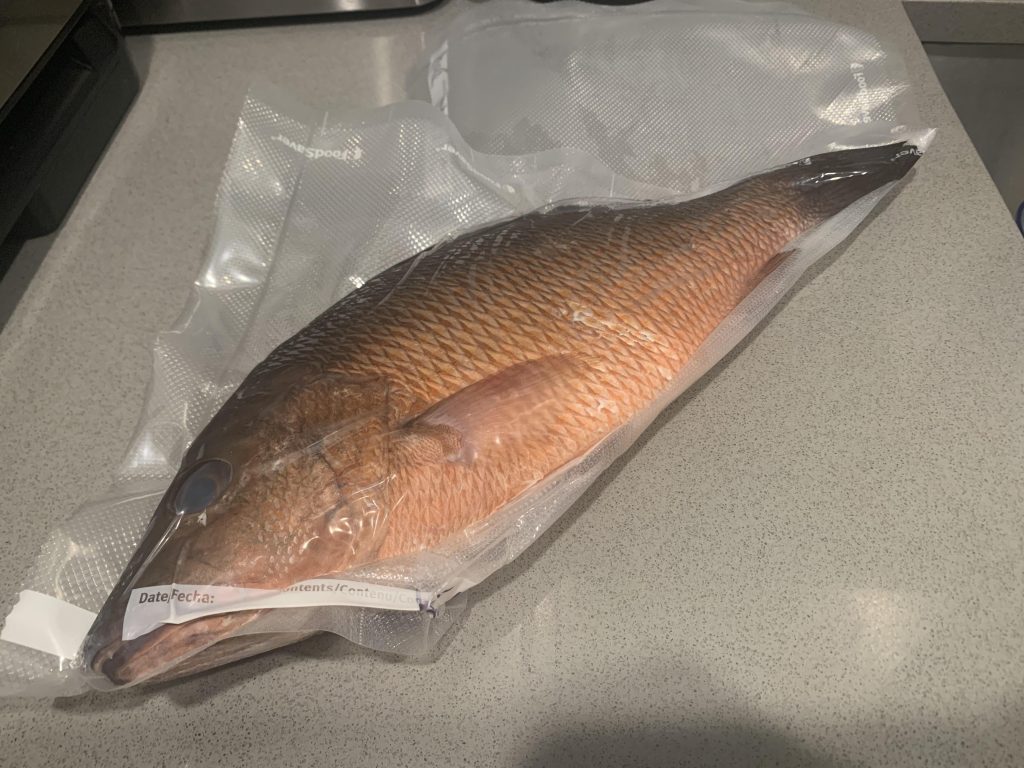
Have you ever wondered how long vacuum-sealed fish can last in your freezer? It’s a common question for anyone who wants to enjoy fresh-tasting fish without the hassle of frequent trips to the grocery store.
You know the feeling—you’ve made an effort to buy high-quality fish, and now you want to make sure it stays that way. But how can you ensure your catch of the day remains delicious for weeks, or even months, to come?
Imagine opening your freezer and finding fish that tastes as fresh as the day you sealed it. That’s the promise of vacuum-sealed storage. But there’s more to it than just sealing and forgetting. Understanding the shelf life of vacuum-sealed fish in the freezer is crucial for maintaining its flavor, texture, and nutritional value. Your next delightful seafood dinner could depend on it! We’ll unlock the secrets behind vacuum-sealed fish storage and reveal how you can enjoy your favorite seafood dishes without any surprises. Ready to ensure your fish remains freezer-fresh? Let’s dive in!

Credit: fullyhealthy.com
Shelf Life Of Vacuum Sealed Fish
Understanding the shelf life of vacuum sealed fish in the freezer is key to maintaining its freshness and taste. Vacuum sealing removes air, which slows down freezer burn and extends storage time. But how long can you really keep fish frozen without sacrificing quality? Let’s break down what affects the longevity of your vacuum sealed fish and how different types of fish hold up in the freezer.
Factors Affecting Longevity
Several factors influence how long vacuum sealed fish stays good in the freezer. Temperature consistency is crucial—fluctuations can cause ice crystals to form, damaging texture and flavor. The quality of the vacuum seal also matters; a tight, intact seal prevents air and moisture from spoiling the fish.
Another key factor is the freshness of the fish before sealing. Fish frozen right after catch or purchase will last longer than fish frozen after sitting out. Finally, the type of freezer you use—commercial deep freezers versus a standard home freezer—can affect shelf life due to temperature stability.
Types Of Fish And Storage Times
| Type of Fish | Vacuum Sealed Storage Time in Freezer |
|---|---|
| Lean Fish (e.g., cod, tilapia, haddock) | Up to 12 months |
| Fatty Fish (e.g., salmon, mackerel, trout) | 6 to 8 months |
| Shellfish (e.g., shrimp, scallops, crab) | 3 to 6 months |
Have you ever noticed your salmon tasting off after a few months in the freezer? That’s because fatty fish have oils that can turn rancid faster, even when vacuum sealed. Lean fish, on the other hand, tend to hold up better for longer periods.
Knowing these storage times helps you plan your meals and avoid wasting good fish. What’s the oldest vacuum sealed fish you’ve ever thawed that still tasted great? Paying attention to these details can save you money and improve your cooking experience.
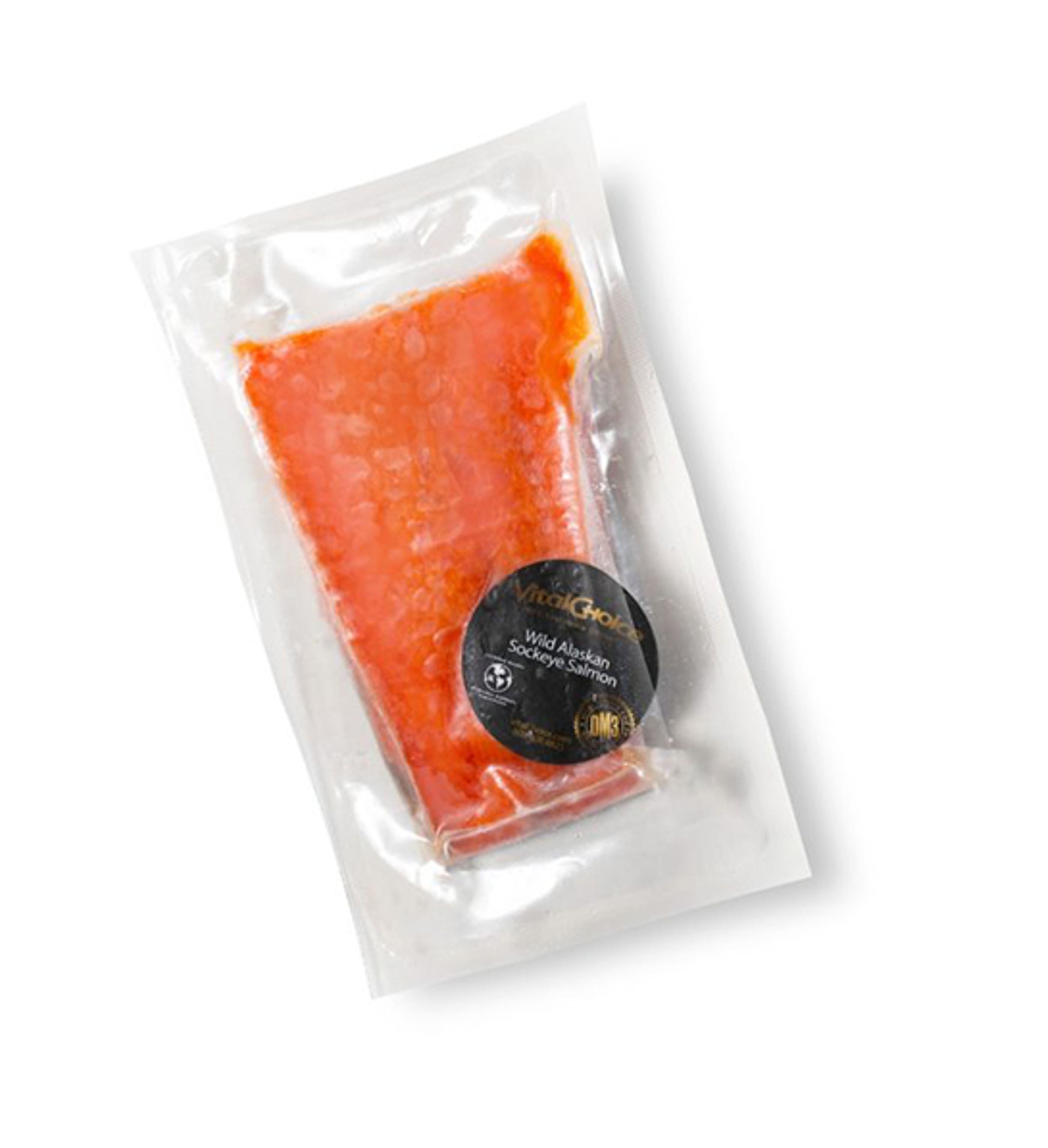
Credit: www.vitalchoice.com
Benefits Of Vacuum Sealing
Vacuum sealing fish offers many benefits for storage and freshness. This method removes air, which helps keep fish in good condition longer. It slows down spoilage and preserves the quality of the fish. Vacuum sealing also makes freezer storage more efficient and clean.
Preserving Freshness
Removing air from the packaging stops bacteria growth. Fish stays fresh longer without exposure to oxygen. The natural texture and flavor remain intact. This method locks in moisture and prevents drying out. You get fish that tastes almost like fresh.
Preventing Freezer Burn
Freezer burn happens when air dries out the fish’s surface. Vacuum sealing eliminates air pockets around the fish. This prevents ice crystals from forming on the fish. The fish stays moist and safe to eat. Vacuum sealing helps keep the original quality even after months in the freezer.
Freezer Storage Tips
Proper freezer storage is key to keeping vacuum sealed fish fresh and tasty. Correct handling slows down spoilage and preserves flavor. Follow simple tips to maximize the shelf life of your fish in the freezer.
Optimal Freezer Temperature
Keep your freezer at or below 0°F (-18°C). This temperature stops bacteria growth and slows enzyme activity. Avoid temperature changes by limiting door openings. Use a freezer thermometer to check the temperature often. Consistent cold helps maintain fish quality for months.
Packaging Best Practices
Use vacuum sealing to remove air and prevent freezer burn. Double-check seals to avoid leaks. Label packages with the date to track storage time. For extra protection, wrap vacuum sealed fish in freezer paper or heavy-duty foil. Store fish flat for quick freezing and easy stacking. Avoid refreezing thawed fish to keep texture intact.
Signs Of Spoiled Vacuum Sealed Fish
Knowing the signs of spoiled vacuum sealed fish helps avoid food poisoning. Fish can spoil even if vacuum sealed and frozen too long. Detecting spoilage early keeps meals safe and fresh.
Visual Indicators
- Discoloration like dull gray, brown, or yellow spots
- Frost or ice crystals inside the packaging
- Cloudy or slimy surface on the fish
- Packaging bloated or swollen, indicating gas buildup
- Any visible mold growth on the fish or inside the bag
Smell And Texture Changes
- Strong sour or ammonia-like odor
- Fish smells rotten or fishy, not fresh
- Sticky or slimy texture when touched
- Fish feels mushy or falls apart easily
- Loss of firmness and elasticity
Thawing Vacuum Sealed Fish Safely
Thawing vacuum sealed fish safely is crucial for preserving its taste and texture. Proper thawing prevents bacteria growth and keeps the fish fresh. There are two common ways to thaw vacuum sealed fish without risking quality or safety.
Refrigerator Thawing
Place the vacuum sealed fish in the refrigerator. Keep it on a plate to catch any drips. Allow 12 to 24 hours for the fish to thaw fully. This slow thawing keeps the fish at a safe temperature. It helps maintain the fish’s firm texture and flavor. Do not thaw fish at room temperature in the refrigerator method.
Cold Water Method
Submerge the vacuum sealed fish in cold water. Use a bowl or sink and change the water every 30 minutes. This speeds up thawing without warming the fish too much. The fish usually thaws in 1 to 2 hours this way. Make sure the packaging is airtight to avoid water contact. Cook the fish immediately after thawing with the cold water method.

Credit: www.aol.com
Comparing Vacuum Sealed To Other Methods
Freezing fish preserves it for future meals. Different methods affect how long fish stays fresh and tasty. Vacuum sealing removes air, slowing spoilage and freezer burn. Other methods like freezer bags offer some protection but differ in effectiveness.
Freezer Bags Vs Vacuum Sealing
Freezer bags are easy to use and affordable. They block moisture but often trap air inside. Air exposure leads to ice crystals and freezer burn. Vacuum sealing removes almost all air. This keeps fish fresher longer by preventing ice formation. Vacuum sealed fish usually lasts 2 to 3 times longer than fish stored in freezer bags.
- Freezer bags: Partial air removal, less protection.
- Vacuum sealing: Complete air removal, better preservation.
- Vacuum sealing reduces freezer burn and dehydration.
Impact On Flavor And Quality
Fish flavor changes over time in the freezer. Air and ice crystals cause dry texture and off flavors. Vacuum sealing keeps fish moist and flavorful longer. It also preserves the natural texture better. Fish stored in freezer bags may develop freezer burn faster. This leads to tough and tasteless fish after thawing.
- Vacuum sealed fish stays juicy and fresh tasting.
- Freezer bags allow slow quality loss from air exposure.
- Vacuum sealing maintains fish quality for months.
Frequently Asked Questions
How Long Can Vacuum Sealed Fish Stay Frozen?
Vacuum sealed fish can last 2 to 3 years in the freezer. This method prevents freezer burn and preserves freshness. Proper freezing temperature is essential for maintaining quality. Always check for signs of spoilage before use.
Does Vacuum Sealing Extend Frozen Fish Shelf Life?
Yes, vacuum sealing significantly extends frozen fish shelf life. It removes air, reducing oxidation and freezer burn. This keeps fish fresher longer compared to traditional storage. Proper vacuum sealing can double or triple storage time in the freezer.
Can Frozen Vacuum Sealed Fish Lose Quality?
Over time, frozen vacuum sealed fish may lose texture and flavor. However, it stays safe to eat much longer. For best quality, consume within 2 years. Proper sealing and consistent freezing slow down quality degradation.
Is Thawing Vacuum Sealed Fish Safe?
Yes, thawing vacuum sealed fish is safe if done properly. Thaw in the refrigerator or under cold running water. Avoid thawing at room temperature to prevent bacterial growth. Once thawed, cook fish promptly for best taste and safety.
Conclusion
Vacuum sealed fish stays fresh much longer in the freezer. Proper sealing stops air and slows freezer burn. Most fish last about 6 to 12 months frozen this way. Always check for any strange smell or color before cooking. Store fish at a steady temperature below 0°F (-18°C).
Keeping fish frozen well helps keep taste and texture. This simple step saves money and reduces waste. Enjoy your fish safely by following these easy tips. Freshness matters, so use your fish within the right time.