
Have you ever found yourself staring at a pack of scallops in your freezer, wondering how long they can actually stay there? If you love the delicate flavor and versatility of scallops, but worry about wasting them, you’re not alone.
Freezing scallops is a fantastic way to preserve their freshness, but how long can you keep them frozen before they lose their taste and texture? This question is more common than you might think, and the answer can mean the difference between a delicious seafood dinner and a disappointing meal.
We’ll unravel the mysteries of freezing scallops, giving you the confidence to store them correctly and enjoy them at their best. Dive in to discover everything you need to know about maximizing the shelf-life of your scallops, ensuring that each bite is just as delicious as the day you bought them.
Scallop Types And Freshness
Understanding the types of scallops and their freshness is key to freezing them properly. Different scallops have unique qualities that affect taste and texture. Freshness determines how long scallops will last in the freezer without losing quality.
Sea Vs Bay Scallops
Sea scallops are larger and have a firmer texture. They come from deep, cold ocean waters. Bay scallops are smaller and sweeter. They are found in shallow, warmer bays.
Sea scallops hold up better during freezing due to their size. Bay scallops freeze well but may become softer after thawing. Knowing the type helps set expectations for flavor and texture after freezing.
Signs Of Fresh Scallops
- Look for a creamy or light pink color.
- Scallops should feel firm, not mushy.
- They must smell fresh, like the sea, not fishy or sour.
- A moist surface is good, but avoid scallops that are slimy.
Fresh scallops freeze better and keep their taste longer. Always check these signs before freezing to ensure good quality.
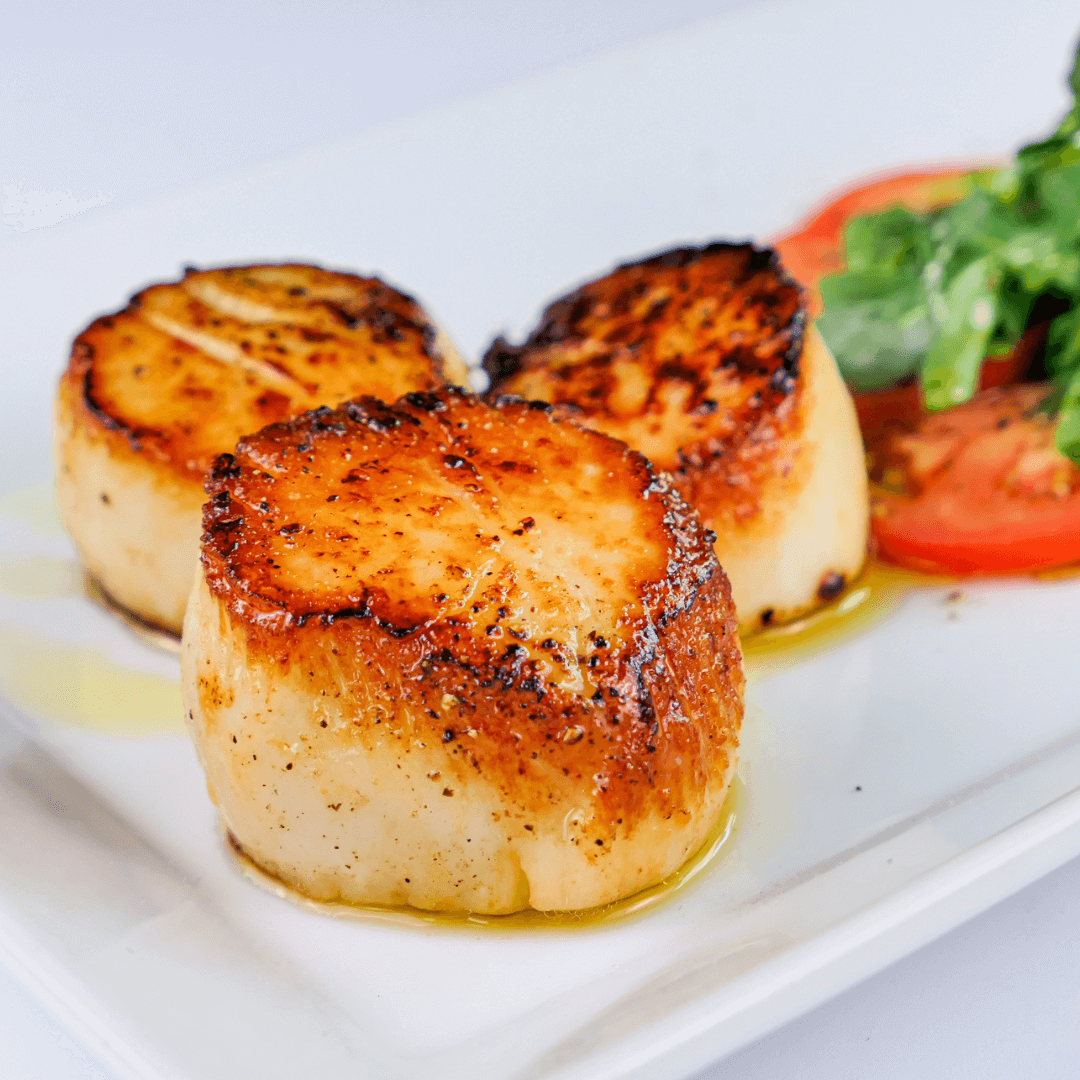
Credit: www.northcoastseafoods.com
Freezing Scallops Basics
Freezing scallops is a smart way to keep them fresh for longer, especially if you buy in bulk or want to save leftovers. But to maintain their delicate texture and sweet flavor, you need to handle freezing carefully. Let’s look at the basics that will help you freeze scallops properly without losing quality.
Ideal Freezer Temperature
Keeping your freezer at the right temperature is key to preserving scallops. The ideal temperature is 0°F (-18°C) or lower. This slows down any bacterial growth and keeps the scallops safe to eat for months.
Have you ever noticed how scallops get mushy after thawing? That often happens if the freezer isn’t cold enough or if the scallops were partially thawed and refrozen. Make sure your freezer stays consistently cold to avoid this.
Packaging Tips
Proper packaging can make a huge difference in how long your scallops stay fresh. Air exposure causes freezer burn, which dries out scallops and changes their texture.
- Use airtight containers or heavy-duty freezer bags to keep air out.
- Remove as much air as possible before sealing—consider using a vacuum sealer for best results.
- Label the package with the date so you know how long they’ve been frozen.
I once froze scallops in a regular plastic bag without squeezing the air out, and when I thawed them, they had a tough, rubbery texture. After switching to vacuum sealing, the difference was clear—scallops stayed tender and flavorful.
Freezing Duration Limits
Freezing scallops is a great way to extend their shelf life, but knowing how long you can keep them frozen is key to maintaining their quality and safety. The duration that scallops stay good in the freezer depends on several factors including how fresh they were before freezing and the storage conditions. Understanding these limits helps you enjoy the best flavor and texture without risking spoilage.
Optimal Storage Time
For the best taste and texture, aim to freeze scallops for no longer than 3 months. Within this time frame, they will retain their natural sweetness and firm texture. If you freeze scallops fresh and package them airtight, you can maximize their shelf life.
Keep in mind that freezing scallops too soon after purchase ensures peak freshness. Label your packages with the date to keep track easily. This simple step helps you avoid guessing how long they’ve been in the freezer.
Risks Of Overfreezing
Freezing scallops beyond 3 months can cause ice crystals to form inside their delicate flesh. These crystals break down the texture, making scallops mushy when cooked. You might also notice a loss of flavor and a dry, rubbery mouthfeel.
Extended freezing can lead to freezer burn, which affects both taste and appearance. Have you ever cooked scallops that tasted bland or looked shriveled? That’s likely due to overfreezing. To avoid this, portion your scallops before freezing and use airtight containers or vacuum-sealed bags.

Credit: www.intercanadafisheries.com
Thawing Scallops Safely
Thawing scallops safely is key to keeping their delicate texture and fresh taste. If you rush the process or use the wrong technique, you risk losing flavor or even making them unsafe to eat. Taking the right approach lets you enjoy scallops that taste like they were just caught.
Refrigerator Thawing
Thawing scallops in the refrigerator is the safest and most reliable way. Simply place your frozen scallops in a bowl or on a plate and let them sit in the fridge overnight or for about 12 hours.
This slow thaw keeps the scallops at a safe temperature, preventing bacteria growth. Plus, it helps retain their firm texture and natural sweetness. Have you noticed how scallops thawed this way cook more evenly and taste better?
Quick Thaw Methods
If you’re short on time, you can thaw scallops quickly using cold water. Put the scallops in a sealed plastic bag and submerge it in a bowl of cold water.
- Change the water every 20-30 minutes to keep it cold.
- Thaw usually takes about 1 hour depending on the amount.
Avoid warm or hot water; it can start cooking the scallops or encourage bacterial growth. This quick method works well if you plan to cook the scallops immediately after thawing.
Cooking Frozen Scallops
Cooking frozen scallops requires care to keep their taste and texture at their best. Proper thawing and cooking methods help avoid a rubbery or watery outcome. This section explains how to maintain scallops’ quality after freezing.
Maintaining Texture
Thaw frozen scallops slowly in the fridge overnight. Avoid using hot water or microwaves to thaw. These can make scallops tough or unevenly cooked. Pat scallops dry with paper towels before cooking. This step prevents excess water from steaming them. Use gentle cooking methods like searing or baking. Cook scallops just until they turn opaque and firm. Overcooking breaks down their delicate texture.
Flavor Preservation
Frozen scallops keep most of their flavor if handled well. Thawing slowly helps maintain natural sweetness. Avoid soaking scallops in water; it washes away flavor. Season scallops lightly with salt and pepper before cooking. Use fresh herbs or a squeeze of lemon for extra taste. Cooking scallops quickly on high heat locks in juices. This method preserves their fresh, ocean-like flavor.
Avoiding Common Mistakes
Freezing scallops extends their shelf life but requires care to keep their taste and texture. Many people make simple mistakes that reduce quality and safety. Avoiding these errors helps keep scallops fresh and tasty for longer.
Refreezing Issues
Refreezing scallops after thawing harms their texture. Ice crystals form during freezing. When thawed and refrozen, crystals grow larger and break the scallop’s flesh. This results in a mushy, watery texture.
Refreezing also raises food safety risks. Bacteria can grow quickly once scallops thaw. Refreezing does not kill bacteria but preserves it. Eating refrozen scallops may cause foodborne illness.
To avoid these issues, freeze scallops only once. Thaw small portions to use all at once. Discard any leftover scallops that have thawed completely.
Improper Packaging Effects
Poor packaging lets air and moisture inside. This causes freezer burn. Freezer burn dries out scallops and changes their flavor.
Use airtight containers or vacuum-sealed bags. Remove as much air as possible before sealing. Wrap scallops tightly in plastic wrap if needed.
Label packages with the freezing date. This helps track freshness and use scallops before they spoil.
Signs Of Spoiled Scallops
Knowing the signs of spoiled scallops helps keep your meals safe and tasty. Spoiled scallops can cause food poisoning, so it is important to check them carefully. Fresh scallops have a clean look and mild smell. When scallops go bad, changes in appearance, smell, and texture become clear. Learn these signs to avoid using bad scallops.
Visual Indicators
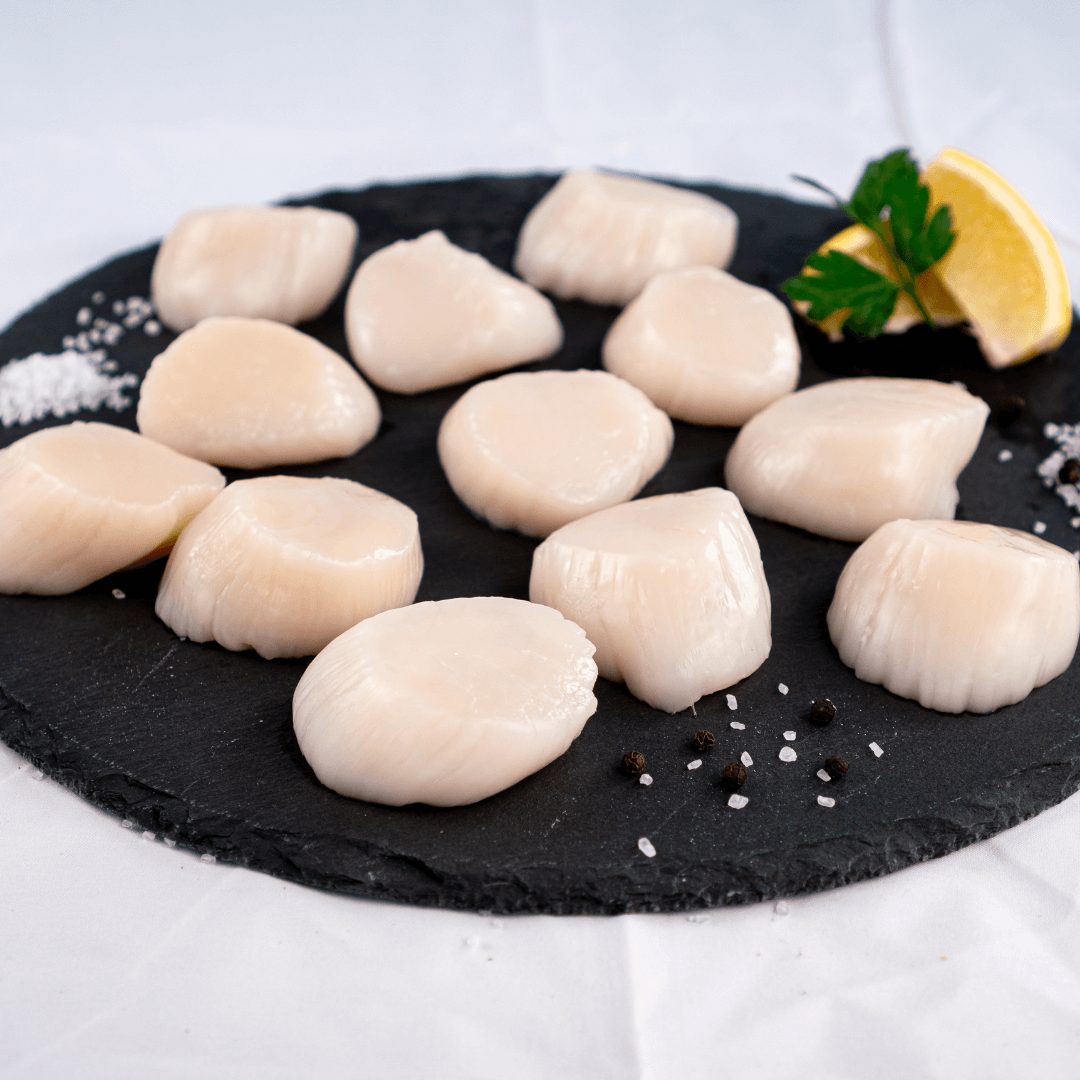
- Discoloration: Fresh scallops are creamy white or light beige.
- Gray, yellow, or brown spots mean spoilage.
- Dry or slimy surfaces show decay.
- Mold or dark patches are signs of bacteria growth.
- Scallops that look shriveled or dried out are old.
Smell And Texture Changes
- Fresh scallops smell like the ocean, clean and mild.
- A strong fishy or sour odor means spoilage.
- Sticky or slimy texture is a warning sign.
- Soft or mushy scallops are no longer good.
- Firm and springy texture shows freshness.
Credit: www.northcoastseafoods.com
Frequently Asked Questions
How Long Can Scallops Be Frozen Safely?
Scallops can be frozen for up to 3 months for best quality. Beyond this, texture and flavor may decline. Always store them in an airtight container or vacuum-sealed bag to prevent freezer burn and maintain freshness.
Can Frozen Scallops Be Refrozen After Thawing?
It is not recommended to refreeze scallops after thawing. Refreezing can degrade texture and increase bacterial risk. Use thawed scallops promptly for optimal taste and safety.
How Should Scallops Be Stored Before Freezing?
Keep scallops refrigerated at 32°F to 38°F before freezing. Store them in a sealed container or plastic bag to avoid contamination. Freeze as soon as possible to preserve freshness and prevent spoilage.
Do Frozen Scallops Lose Nutritional Value?
Frozen scallops retain most of their nutritional value if properly stored. Freezing preserves proteins and minerals well. Some minor changes in texture may occur but overall nutrition remains intact.
Conclusion
Freezing scallops helps keep them fresh for months. Use airtight bags or containers to avoid freezer burn. Keep scallops frozen for up to three months for best taste. Thaw them slowly in the fridge before cooking. Avoid refreezing thawed scallops to keep quality intact.
Proper storage means delicious scallops anytime you want. Enjoy seafood safely and save money by freezing right. Simple steps make a big difference in taste and texture.