
Have you ever found yourself with an abundance of fresh crabs and wondered what to do with them all? You’re not alone.
The thought of savoring that sweet, succulent seafood long after the catch is enticing. But can you freeze whole crabs without losing their flavor and texture? This question might have crossed your mind, especially if you’re planning a seafood feast or simply trying to make the most of a great deal at the market.
You’ll discover the surprising truth about freezing whole crabs. You’ll learn expert tips and techniques to ensure your crabs remain as delicious as the day you got them. Stay with us to find out how you can enjoy that fresh ocean taste whenever you crave it.
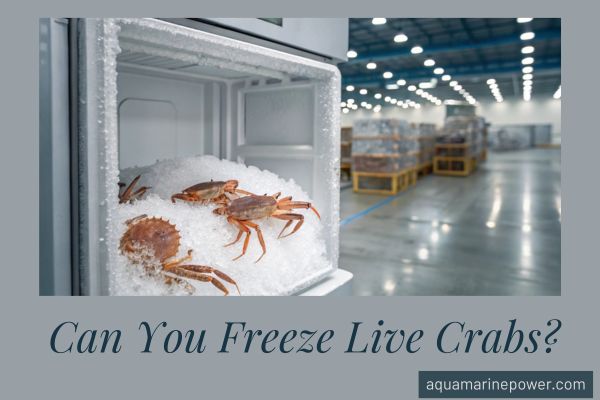
Credit: www.aquamarinepower.com
Benefits Of Freezing Whole Crabs
Freezing whole crabs keeps them fresh and tasty for longer. It stops spoilage and preserves the crab’s natural flavor and texture. This method allows you to enjoy crabs beyond their fresh shelf life. You can save money by buying crabs in bulk and freezing them at home. It also helps reduce food waste by storing leftovers safely for future meals.
Preserves Freshness And Flavor
Freezing locks in the crab’s fresh taste. It prevents the crab meat from drying out or becoming mushy. This keeps the delicate texture intact. You get to enjoy crabs as if they were just caught.
Extends Shelf Life
Whole crabs last much longer in the freezer. You avoid rushing to eat them before they spoil. This gives you flexibility to plan meals without worry.
Convenient Meal Prep
Frozen whole crabs are easy to store and use. You can thaw only what you need. This makes cooking faster and less stressful.
Cost-effective
Buying crabs fresh can be expensive. Freezing lets you buy in larger amounts at lower prices. You save money by preventing waste and spoilage.
Reduces Food Waste
Freezing whole crabs means leftovers stay safe longer. You avoid throwing away food that goes bad. This helps you be more eco-friendly and saves money.
Selecting Crabs For Freezing
Selecting the right crabs for freezing ensures better taste and texture later. Choosing fresh crabs is essential for safe and delicious meals. Pay attention to their condition before freezing. Knowing what to pick saves disappointment after thawing.
Live Vs Cooked Crabs
Live crabs freeze best because they keep freshness longer. They should be active and moving slightly. Cooked crabs can freeze too but only if very fresh. Freezing cooked crabs preserves taste but may change texture.
Signs Of Freshness
- Hard shell with no cracks or damage
- Bright eyes that are clear and shiny
- Moist, not slimy, surface on the shell
- Fresh sea smell, no strong fishy odor
- Legs and claws firmly attached, not loose
Preparing Crabs Before Freezing
Preparing crabs before freezing is key to preserving their taste and texture. Skipping this step can lead to a freezer burn or a loss of flavor. Taking a little extra time to clean and blanch your crabs will make a noticeable difference when you’re ready to enjoy them later.
Cleaning And Gutting
Start by rinsing your crabs under cold water to remove any surface dirt or debris. Use a brush to scrub the shell gently, especially around the legs and claws where dirt can hide. Removing the guts is essential because they can spoil quickly and affect the crab’s taste.
To gut the crab, lift the apron (the small flap on the underside) and pull it away from the body. Then, carefully remove the gills and any internal organs. Rinsing the inside cavity under running water ensures all unwanted parts are washed out. Have you noticed how fresh crabs taste so much better after this simple step?
Blanching Process
Blanching helps stop the cooking enzymes and kill bacteria that cause spoilage. Bring a large pot of water to a boil, then immerse the crabs for about 2-3 minutes. This quick heat treatment also helps retain the crab’s vibrant color and firm texture.
After blanching, immediately transfer the crabs to an ice bath to cool them down quickly. This prevents overcooking and keeps the meat tender. Do you think blanching might be the secret to freezer-friendly crabs you’ve been missing?
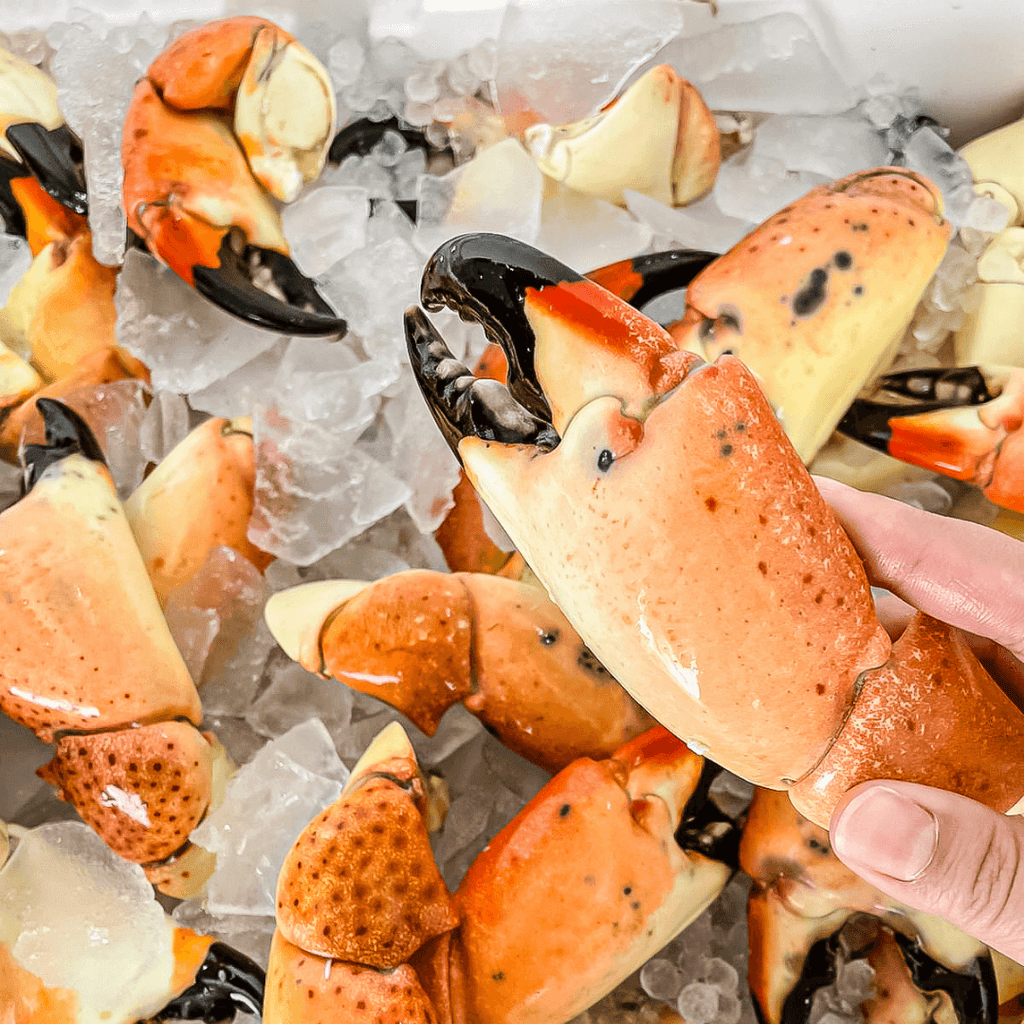
Credit: captainstonecrab.com
Freezing Techniques For Whole Crabs
Freezing whole crabs preserves their freshness and flavor for later use. Proper freezing techniques help maintain texture and taste. Careful preparation before freezing prevents freezer burn and loss of quality. The right packaging and temperature settings are key to successful crab storage.
Packaging Methods
Use airtight containers or heavy-duty freezer bags to store whole crabs. Remove excess air to avoid freezer burn. Wrap crabs in plastic wrap or aluminum foil before placing them in bags. Label packages with the date to track storage time. Vacuum sealing is an excellent option for long-term freezing. Ensure crabs are dry before packaging to prevent ice crystals.
Freezer Temperature Tips
Set your freezer at 0°F (-18°C) or lower to keep crabs fresh. Maintain a consistent temperature to avoid thawing and refreezing. Avoid placing crabs near the freezer door to reduce temperature fluctuations. Check freezer temperature regularly with a reliable thermometer. Quick freezing helps preserve crab quality by minimizing ice crystal formation.
Storage Duration And Quality
Freezing whole crabs is a common way to keep them fresh for longer. Proper storage helps maintain their quality. The duration of freezing affects the taste and texture of the crab meat. Knowing how long to freeze and how to keep the flavor is key for a good eating experience.
How Long To Freeze
Whole crabs can be frozen safely for up to three months. Beyond this time, the quality starts to drop. Use airtight packaging to prevent freezer burn. Label the package with the freezing date. This helps track storage time and ensures freshness.
Maintaining Flavor And Texture
Freezing can change the texture of crab meat. Ice crystals may form and damage the delicate flesh. To reduce this, freeze crabs quickly after cooking or catching. Wrap them tightly in plastic wrap and place in a freezer bag. Avoid thawing and refreezing to keep flavor strong.
Thawing Whole Crabs Safely
Thawing whole crabs safely is crucial to preserving their taste and texture while preventing any food safety risks. Handling frozen seafood with care ensures you enjoy fresh flavors without the worry of harmful bacteria. Let’s dive into the best ways to thaw your crabs and how to avoid bacterial growth during the process.
Best Thawing Methods
Slow and steady wins the race when thawing whole crabs. The safest way is to thaw them in the refrigerator. Place the crabs in a container to catch any drips and leave them for 12 to 24 hours. This method keeps the crabs at a safe temperature while defrosting evenly.
If you’re in a hurry, you can use cold water. Keep the crabs in a sealed plastic bag and submerge it in cold water. Change the water every 30 minutes to keep it cold. This usually takes about 1 to 2 hours depending on the size of the crab.
Avoid thawing crabs at room temperature as it increases the risk of bacteria multiplying. Have you tried thawing crabs in warm water? It might seem faster but it actually ruins the texture and taste.
Avoiding Bacterial Growth
Bacteria grow quickly between 40°F and 140°F (4°C to 60°C), so keeping crabs out of this range is key. Always thaw crabs in the refrigerator or under cold running water to stay below these temperatures. Never leave crabs out on the counter for more than two hours.
After thawing, cook the crabs promptly to minimize any chance of bacterial growth. If you can’t cook them right away, keep them refrigerated and use within 24 hours. Remember, thawed crabs are more vulnerable, so handling them with care protects your health.
Have you noticed how quickly seafood can spoil if left unattended? Being mindful about thawing temperature and timing can save you from foodborne illness and disappointment at the dinner table.
Cooking Frozen Crabs
Cooking frozen crabs is a convenient way to enjoy seafood without waiting for thawing. It saves time and keeps the crab meat juicy and flavorful. Knowing the right techniques ensures a tasty meal every time.
Cooking Directly From Frozen
Frozen crabs can be cooked without thawing first. This method keeps the meat firm and fresh. Boiling is a popular choice. Bring a large pot of water to a boil and add salt.
- Drop the frozen crab into the boiling water carefully.
- Cook for about 15 to 20 minutes until heated through.
- Steaming is another good option. Place crabs in a steamer basket over boiling water.
- Cover and steam for 20 to 25 minutes.
Both methods keep the crab meat tender and juicy.
Reheating Tips
Reheating cooked crab requires gentle heat to avoid drying it out. Use a steamer or microwave on low power. Wrap crab in a damp paper towel before microwaving.
- Steam for 5 to 7 minutes until warm.
- Microwave in short bursts, checking often.
- Avoid high heat to keep the meat moist and tender.
Proper reheating keeps crab delicious and ready to enjoy again.
Common Mistakes To Avoid
Freezing whole crabs might seem straightforward, but there are common mistakes that can ruin your seafood experience. Avoiding these errors ensures your crabs retain their fresh taste and texture after thawing. Let’s look at what you should watch out for when freezing whole crabs.
Not Cleaning The Crab Properly Before Freezing
Freezing a crab without cleaning it first can trap dirt and bacteria inside, causing off-flavors and spoilage. Make sure to rinse the crab thoroughly under cold water and remove any unwanted parts like the gills and stomach sac.
Have you ever tasted frozen crab that had a bitter or strange aftertaste? Chances are it wasn’t cleaned well before freezing.
Freezing Live Crabs Without Precooling
Putting live crabs directly into the freezer shocks them and affects the meat quality. It’s better to chill them in the refrigerator for a few hours first to reduce stress and preserve flavor.
This step might seem unnecessary, but precooling helps keep the texture firm rather than mushy when cooked later.
Using Inadequate Packaging
Air exposure is the enemy of frozen crab. Wrapping crabs loosely or using thin plastic can cause freezer burn, drying out the meat and altering its taste.
Always use airtight containers or vacuum-sealed bags to lock in moisture and flavor. Have you checked if your packaging truly blocks air from getting in?
Freezing Crabs For Too Long
Even though freezing preserves food, it doesn’t keep crabs fresh indefinitely. Over time, frozen crabs lose flavor and develop freezer burn.
Try to use your frozen crabs within 3 months for the best taste. What’s the point of freezing if you wait too long to enjoy the seafood?
Improper Thawing Techniques
Thawing crabs too quickly, like using hot water or a microwave, can cook the meat unevenly and ruin its texture.
The safest way is to thaw them slowly in the refrigerator overnight. Have you noticed how gentle thawing keeps crab meat tender and juicy?
Alternatives To Freezing Whole Crabs
Freezing whole crabs is not always the best option for preserving their flavor and texture. There are other ways to keep crab fresh and tasty for later use. These alternatives can help maintain quality and make your crab dishes more enjoyable.
Freezing Crab Meat
Crab meat freezes better than whole crabs. Remove the meat from the shell before freezing. Place the meat in airtight containers or vacuum-sealed bags. This prevents freezer burn and keeps the meat fresh longer.
Label the packages with the date to track storage time. Frozen crab meat usually lasts up to three months. Thaw the meat slowly in the refrigerator for best results.
Other Preservation Methods
- Refrigeration:Keep fresh crab in the fridge for up to two days. Store it in a cool, moist environment.
- Pickling:Preserve crab meat by pickling in vinegar and spices. This method adds flavor and extends shelf life.
- Canning:Cook and can crab meat using proper pressure canning techniques. This allows long-term storage without freezing.
- Drying:Dehydrate crab meat for a unique snack. Use a food dehydrator to remove moisture safely.

Credit: wdfw.medium.com
Frequently Asked Questions
Can You Freeze Whole Cooked Crabs Safely?
Yes, you can freeze whole cooked crabs safely. Wrap them tightly in plastic wrap or foil. Place in an airtight container or freezer bag. Freeze for up to 3 months for best quality and flavor.
How Long Do Frozen Whole Crabs Last?
Frozen whole crabs last up to 3 months in the freezer. Beyond this, quality and taste may decline. Always store them properly in airtight packaging to prevent freezer burn and maintain freshness.
Should You Clean Crabs Before Freezing Whole?
It’s best to clean crabs before freezing. Remove the gills and guts to avoid off-flavors. Rinse the crab thoroughly, then dry before wrapping for freezing. This helps preserve quality and taste.
Can You Freeze Live Whole Crabs?
Freezing live whole crabs is not recommended. It can cause poor texture and flavor after thawing. Cook crabs first, then freeze them for best results and food safety.
Conclusion
Freezing whole crabs is possible and helps keep them fresh longer. Make sure to clean the crabs well before freezing. Wrap them tightly to avoid freezer burn. Thaw crabs slowly in the fridge for best taste. Enjoy your crab dishes anytime without worrying about spoilage.
Simple steps make freezing crabs easy and effective. Save your crabs and reduce waste with proper freezing. Try this method to keep crab meat tasty and fresh.