Have you ever wondered what happens to your contact lens solution when temperatures drop? If you’re someone who relies on contact lenses, it’s crucial to know how the cold can affect your lens solution.
Imagine reaching for your solution, only to find it frozen solid, right when you need it the most. It’s a scenario that could turn your day upside down. Understanding whether your contact lens solution can freeze isn’t just about preventing inconvenience; it’s about ensuring your eye health and comfort.
We’ll dive into what you need to know about storing your solution during those chilly months and how to protect your eyes from unexpected surprises. Stay with us to discover the surprising facts and practical tips that will keep your vision crystal clear, no matter the weather.
Why Contact Lens Solution Matters
Contact lens solution plays a vital role in keeping your lenses clean and safe. It removes dirt, dust, and germs that can cause eye infections. Using the right solution helps maintain eye health and comfort throughout the day. Understanding why contact lens solution matters can prevent many common eye problems.
Role In Lens Care
Contact lens solution cleans and disinfects lenses after each use. It removes proteins and other debris that build up on lenses. This prevents irritation and redness in the eyes. The solution also keeps lenses moist, so they stay comfortable to wear. Proper lens care extends the life of your lenses and protects your vision.
Common Ingredients
Most contact lens solutions contain:
- Disinfectants to kill bacteria and germs
- Surfactants that help clean the lens surface
- Buffers to maintain a balanced pH level
- Saline to rinse and store lenses safely
These ingredients work together to keep lenses clean and safe for your eyes. Avoid using expired or homemade solutions to reduce risk of infection.
Freezing Point Of Contact Lens Solution
Understanding the freezing point of contact lens solution is important, especially if you live in a cold climate or plan to store your lenses during winter. The solution’s ability to resist freezing depends on its ingredients and formulation. Let’s break down what affects its freezing point and what temperatures you should watch out for.
Chemical Composition Impact
Contact lens solutions contain water mixed with various chemicals like preservatives, salts, and sometimes moisturizing agents. These ingredients lower the freezing point compared to pure water, which freezes at 32°F (0°C).
The presence of salts and other solutes creates a process called freezing point depression. This means the solution can stay liquid at temperatures below 32°F. However, the exact freezing point varies by brand and formula.
Have you ever noticed your solution feeling unusually cold but not turning solid? That’s the chemicals working to keep it from freezing, protecting the lenses inside.
Typical Freezing Temperatures
Most contact lens solutions freeze between 15°F and 25°F (-9°C to -4°C), depending on their chemical makeup. This range can surprise many, especially if you store your solution outdoors or in an unheated car during winter.
Freezing can cause the solution to separate or lose effectiveness, which may irritate your eyes. If you experience burning or discomfort after using a previously frozen solution, it’s better to discard it.
Keep your solution in a place where temperatures stay above freezing, like inside your home. Do you know where your solution usually sits? That spot might be colder than you think.
Effects Of Freezing On Solution Quality
Freezing contact lens solution can change its quality in many ways. The freezing process affects the solution’s texture and clarity, which can influence its safety and effectiveness. Understanding these effects helps keep your lenses clean and your eyes healthy.
Changes In Texture And Clarity
When contact lens solution freezes, ice crystals form inside the liquid. These crystals can cause the solution to become cloudy or grainy. Once thawed, the texture may feel thicker or uneven. Such changes often mean the solution is no longer smooth or uniform. Cloudiness and texture changes can indicate damage to the solution’s original formula.
Impact On Disinfecting Properties
The disinfecting agents in contact lens solution may weaken after freezing. Ice formation can break down these chemicals, reducing their ability to kill germs. This makes the solution less effective at cleaning and protecting lenses. Using frozen and thawed solution may increase the risk of eye infections. It is safer to use fresh, properly stored solution for lens care.
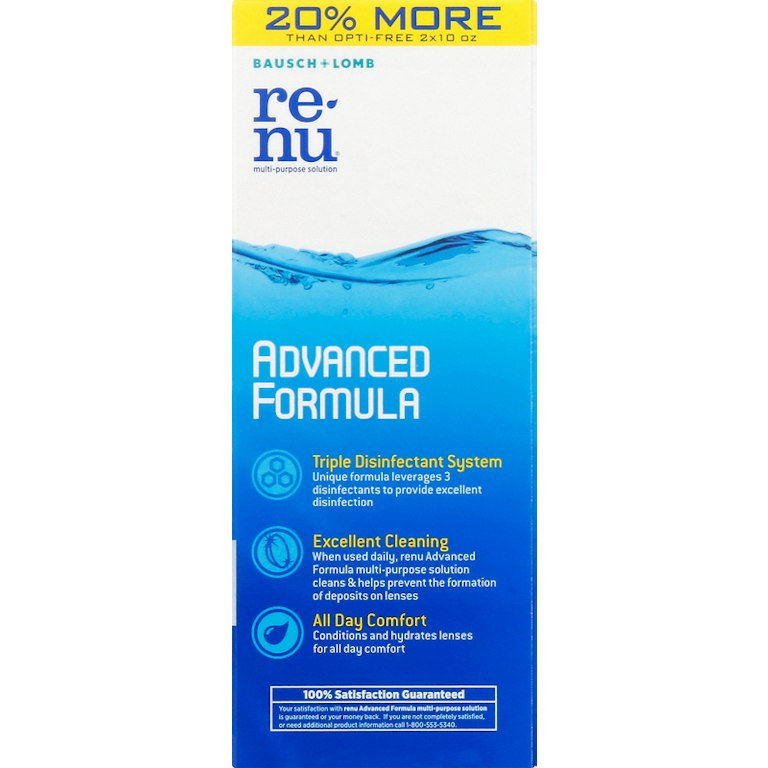
Credit: www.gianteagle.com
Risks Of Using Frozen Or Thawed Solution
Using contact lens solution that has frozen or thawed poses several risks to your eye health. Freezing can change the solution’s chemical makeup and its effectiveness. Thawed solution may also carry contaminants or lose its cleansing power. These changes can lead to discomfort and serious eye problems.
Potential Eye Irritation
Frozen or thawed solution may irritate your eyes. The altered formula can cause redness, itching, or burning. This happens because the solution’s balance of ingredients breaks down. Your eyes may feel dry or uncomfortable after use. Avoid using solution that looks cloudy or smells different.
Increased Infection Risk
Freezing and thawing can reduce the disinfecting ability of the solution. Harmful bacteria or germs might survive in the solution. Using it can increase the chance of eye infections. Infections may cause pain, swelling, and blurred vision. Always use fresh, properly stored solution to protect your eyes.
Safe Storage Tips
Proper storage of contact lens solution is key to keeping it safe and effective. Incorrect storage can reduce its cleaning power and may even harm your eyes. This section offers clear tips for storing your solution correctly.
Ideal Temperature Range
Contact lens solution works best at room temperature. Keep it between 59°F and 77°F (15°C to 25°C). Temperatures outside this range can change the solution’s properties. Avoid storing it near heaters or air conditioners. A stable, cool place is best.
Avoiding Freezing Conditions
Freezing contact lens solution can damage its ingredients. This reduces its ability to clean and disinfect lenses. Do not leave solution bottles in cold cars or outside in winter. If the solution freezes, discard it and use a new bottle. Always store your solution indoors in a dry, safe spot.

Credit: www.gianteagle.com
What To Do If Solution Freezes
Discovering that your contact lens solution has frozen can be worrying. You might wonder if it’s still safe to use or how to properly fix the issue. Handling frozen solution carefully is important to protect your eye health and keep your lenses clean.
Thawing Guidelines
To thaw frozen contact lens solution, place the bottle at room temperature. Avoid using heat sources like microwaves or hot water, as they can alter the formula and reduce effectiveness.
Let the solution thaw naturally. This usually takes a few hours, depending on the room temperature. Gently swirl the bottle to help mix the contents once thawed, but don’t shake vigorously.
Have you ever noticed changes in the solution’s texture or color after freezing? These signs can indicate damage, so always check before use.
When To Discard
If the solution appears cloudy, has changed color, or developed particles, it’s best to throw it away. Using compromised solution can cause irritation or infection.
Also, if the solution was frozen for an extended time or repeatedly thawed and refrozen, discard it. The protective ingredients may no longer work effectively.
Remember, your eyes deserve the safest care. If you’re unsure about the quality of your solution after freezing, it’s safer to replace it than risk your eye health.
Alternatives For Cold Environments
Contact lens solution freezing can be a real hassle, especially if you live or travel to cold places. Frozen solution loses its effectiveness and can harm your lenses or eyes. So, what alternatives can you use to keep your lenses safe and your eyes healthy in chilly conditions?
Travel-friendly Solutions
Look for contact lens solutions designed to withstand lower temperatures. Some brands offer formulas that resist freezing better than standard solutions. These are perfect if you’re heading to a ski trip or a winter business trip.
Consider multipurpose solutions that come in smaller bottles. They’re easier to carry and replace if accidentally frozen. Plus, smaller bottles mean you can keep your solution closer to your body for warmth when outdoors.
Have you tried saline solution as a backup? While it doesn’t clean lenses as well, it can keep them moist temporarily if your main solution freezes. Carrying a travel-sized saline bottle can save you from dry or damaged lenses in emergencies.
Storage Accessories
Using the right storage can make a huge difference. Insulated pouches or small thermal bags help keep your solution above freezing temperatures. These are compact and can easily fit in your backpack or purse.
Warm packs or heat wraps designed for electronics can also be repurposed to keep your lens solution warm. Just wrap the pack around your bottle before heading out, and you’ll avoid frozen solution during cold spells.
Have you thought about storing your lens solution close to your body? Placing the bottle inside an inner jacket pocket can use your body heat as a natural heater. It’s a simple trick that can prevent freezing without extra gear.
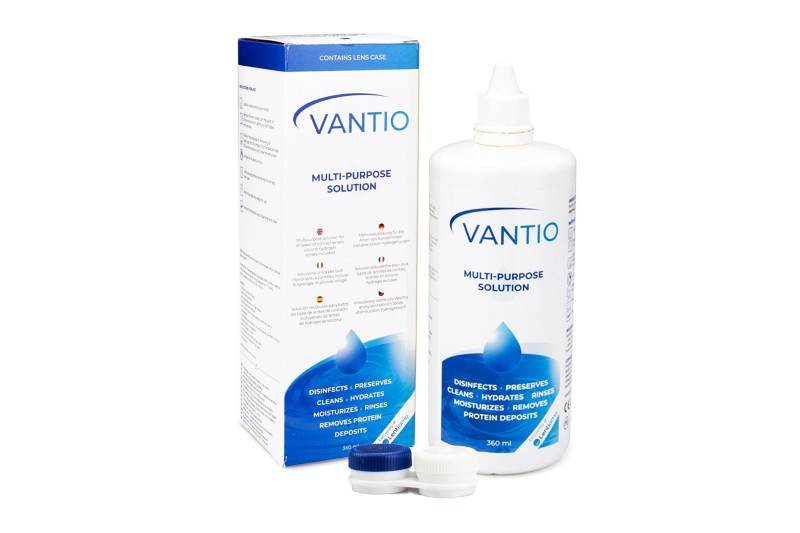
Credit: www.lentiamo.co.uk
Frequently Asked Questions
Can Contact Lens Solution Freeze In Cold Weather?
Yes, contact lens solution can freeze if exposed to temperatures below 32°F (0°C). Freezing may affect its effectiveness and safety. Always store it at room temperature to maintain its disinfecting properties and avoid damage to your lenses.
Does Freezing Damage Contact Lens Solution?
Freezing can change the chemical composition of the solution. This may reduce its disinfecting power and cause irritation. It’s best to avoid freezing to ensure the solution remains safe and effective for cleaning and storing your lenses.
How To Prevent Contact Lens Solution From Freezing?
Store your contact lens solution indoors at room temperature between 59°F and 77°F (15°C – 25°C). Avoid leaving it in cold places like cars or outside during winter. Proper storage ensures the solution stays effective and safe for use.
Is Frozen Contact Lens Solution Safe To Use?
No, using frozen or previously frozen contact lens solution is not recommended. Freezing can compromise its ability to clean and disinfect lenses. Always use fresh, properly stored solution to protect your eye health.
Conclusion
Contact lens solution can freeze in very cold temperatures. Frozen solution may lose its cleaning power. Always store your solution in a cool, dry place. Avoid leaving it outside in winter or in the car. Using frozen or thawed solution is not safe for your eyes.
Keep your lenses and solution at room temperature. This helps protect your eye health and comfort. Taking simple steps can prevent freezing problems easily. Your eyes will thank you for the extra care. Stay safe and keep your lenses clean.