Is your propane regulator causing you headaches by freezing up? You’re not alone.
Many people face this chilling problem, especially when the temperatures drop. But why does it happen, and more importantly, what can you do about it? Understanding the reasons behind a freezing propane regulator can save you from frustration and potential safety hazards.
Imagine the peace of mind you’ll have knowing exactly how to prevent this issue and ensure your propane system runs smoothly. Stick with us as we dive into the causes and solutions, so you can keep your home warm and your mind at ease.

Credit: www.reddit.com
How Propane Regulators Work
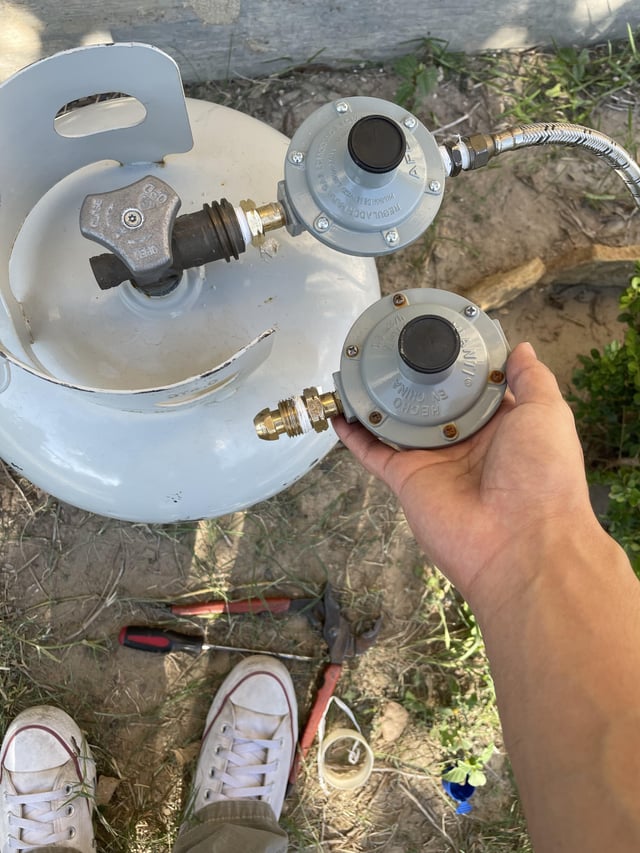
A propane regulator controls the pressure of propane gas from the tank to the appliance. It ensures a steady and safe flow of gas. Without it, the gas pressure could be too high, causing damage or hazards.
The regulator reduces high tank pressure to a low, usable level. It adjusts the flow so appliances like grills or heaters work efficiently. Understanding how it works helps explain why it sometimes freezes.
Basic Components Of A Propane Regulator
- Diaphragm:Moves to control gas flow based on pressure changes.
- Spring:Pushes against the diaphragm to maintain set pressure.
- Valve:Opens and closes to regulate gas passage.
- Vent:Allows air to balance pressure inside the regulator.
How Pressure Regulation Happens
High-pressure gas from the tank enters the regulator. The diaphragm senses the pressure and moves accordingly. This movement opens or closes the valve to reduce pressure.
The spring sets the target pressure. If pressure drops, the diaphragm moves to open the valve more. If pressure rises, it closes the valve. This keeps the flow steady for safe use.
The Role Of Temperature And Venting
Propane turns from liquid to gas inside the tank. This process absorbs heat, causing the regulator to cool down. The vent allows outside air in to keep the diaphragm moving freely.
Cold weather or blocked vents can make the regulator colder. Ice can form, causing freezing problems. Proper venting and temperature control help prevent this issue.
Common Causes Of Regulator Freezing
Propane regulators can freeze for several reasons, disrupting your gas flow. Understanding the common causes helps prevent damage and keeps your system running smoothly.
Freezing occurs when moisture, gas flow, or cold temperatures affect the regulator. Each factor contributes differently to ice buildup on the device.
Moisture In The Propane
Water vapor inside propane lines is a leading cause of freezing. When propane expands, the water vapor cools and turns into ice. This ice blocks the regulator’s vent or diaphragm, stopping gas flow. Moisture can enter from improper tank filling or humid environments. Keeping propane tanks sealed and dry reduces this risk.
High Gas Flow Rates
Using too much propane at once can cause the regulator to freeze. Rapid gas flow causes a quick drop in temperature. This cold drop leads to ice forming on the regulator’s surface. Appliances with high gas demand or leaks increase this effect. Limiting gas use or fixing leaks helps prevent freezing.
Cold Weather Effects
Low outdoor temperatures make freezing more likely. Cold air chills the regulator and propane lines. Ice forms faster when humidity is high during cold weather. Regulators without weather protection freeze more easily. Insulating regulators or using heaters in winter can reduce freezing problems.
Signs Your Regulator Is Freezing
Recognizing signs that your propane regulator is freezing can prevent serious problems. A frozen regulator stops gas flow, causing appliances to fail. Early detection helps you act fast and avoid inconvenience. Watch for these clear signs to keep your propane system working well.
Visible Ice Or Frost On The Regulator
Ice or frost forms on the regulator’s surface in cold weather. This is the most obvious sign of freezing. Check the regulator for white or clear ice buildup regularly.
Reduced Gas Flow Or Pressure
Frozen regulators restrict gas flow, lowering pressure to appliances. Flames may burn weak or go out completely. Notice if your heater or stove acts weaker than usual.
Intermittent Appliance Operation
Appliances may turn on and off unexpectedly. This happens because the gas supply is inconsistent. Sudden stops and starts suggest regulator freezing.
Hissing Or Strange Sounds
Listen for unusual noises near the regulator. Hissing or whistling sounds can mean gas is struggling through ice blockage. These noises indicate a problem inside the regulator.
Regulator Feels Cold To Touch
Touch the regulator carefully with bare hands. If it feels extremely cold or icy, freezing is likely. A normal regulator should not feel frosty during operation.

Credit: centralpennpropane.com
Immediate Steps To Unfreeze The Regulator
When a propane regulator freezes, it stops gas flow. This can disrupt heating or cooking. Acting fast helps avoid damage and restore function. Follow these immediate steps to unfreeze the regulator safely and effectively.
Applying Warm Water
Warm water melts ice on the propane regulator quickly. Use water that is comfortably warm, not hot. Pour or gently splash it over the frozen area.
- Avoid using boiling water as it may damage the regulator.
- Repeat the process if ice remains after the first application.
- Dry the regulator with a cloth after thawing to prevent refreezing.
Using Heat Sources Safely
Applying gentle heat can unfreeze the regulator without harm. Use a hairdryer or heat gun on a low setting. Keep the heat source at a safe distance.
- Never use an open flame near the propane regulator.
- Move the heat source slowly around the frozen parts.
- Stop heating once the ice melts to avoid overheating.
Preventing Future Freezing Issues
Preventing your propane regulator from freezing keeps your system safe and efficient. Freezing happens when moisture builds up and forms ice. This blocks gas flow and can cause problems. Taking simple steps helps avoid these issues and keeps your equipment working well all winter.
Regular Maintenance Tips
Check your propane regulator often for any signs of wear or damage. Clean it gently to remove dirt and debris. Replace worn parts quickly to prevent leaks and freezing. Inspect hoses and connections to ensure they are tight and secure. Keep vents clear to allow proper airflow.
Proper Storage Techniques
Store propane tanks and regulators in a dry, sheltered place. Avoid areas with high humidity or standing water. Keep equipment off the ground to reduce moisture contact. Cover tanks with breathable tarps to protect from rain and snow. Make sure the storage area is well-ventilated to prevent condensation.
Upgrading Equipment
Use regulators designed for cold weather to reduce freezing risk. Some models have built-in heaters or moisture guards. Choose high-quality materials that resist corrosion and ice build-up. Upgrade old or damaged parts promptly. Newer equipment often performs better in harsh conditions.
When To Call A Professional
Knowing when to call a professional for a freezing propane regulator is vital. Some issues need expert attention to avoid risks or damage. Simple fixes are fine alone, but certain signs show it’s time for help.
Recognizing these signs can keep your system safe and working well. A professional has the tools and skills to handle complex problems. Do not ignore persistent or severe issues with your propane regulator.
Regulator Freezes Repeatedly Despite Basic Fixes
If the regulator freezes again after you clear ice, call a professional. Repeated freezing might mean an underlying issue. Experts can inspect and fix problems you cannot see.
Visible Damage Or Wear On The Regulator
Cracks, dents, or corrosion on the regulator need expert evaluation. Damaged parts can cause leaks or unsafe pressure. Professionals can replace or repair damaged components safely.
Unusual Smells Or Gas Leaks Near The Regulator
Smelling gas or noticing leaks is dangerous. Shut off the propane supply immediately. Contact a professional to inspect and fix leaks. Do not try to repair leaks yourself.
Pressure Issues Or Inconsistent Appliance Performance
Fluctuating gas pressure or appliances not working properly can mean regulator trouble. A trained technician can test pressure levels and adjust the regulator. Proper pressure keeps appliances running safely and efficiently.
Regulator Is Old Or Not Working Correctly
Older regulators may not work well and can freeze more often. Professionals can recommend replacement to improve safety and performance. Upgrading the regulator prevents future freezing and gas flow problems.

Credit: centralpennpropane.com
Frequently Asked Questions
Why Does My Propane Regulator Freeze In Cold Weather?
Propane regulators freeze when moisture in the gas or air condenses and freezes. Cold temperatures worsen this by lowering the temperature around the regulator. This ice buildup restricts gas flow, causing appliance performance issues and safety concerns.
How Can I Prevent Propane Regulator Freezing?
To prevent freezing, keep the regulator dry and avoid moisture exposure. Install a regulator cover or shield to protect it from rain and snow. Regularly inspect and maintain your propane system to ensure proper airflow and reduce freezing risks.
What Are Signs Of A Frozen Propane Regulator?
Signs include reduced gas flow, weak flames, or appliances not working properly. You might also notice frost or ice buildup on the regulator. These indicate restricted propane flow, needing immediate attention to avoid safety hazards.
Can A Frozen Propane Regulator Be Dangerous?
Yes, a frozen regulator can cause unsafe gas pressure or leaks. It may lead to incomplete combustion or gas buildup, risking fire or explosions. Always address freezing issues promptly and never attempt to force the regulator to work.
Conclusion
A propane regulator freezing can cause serious problems. Cold weather and moisture often cause ice buildup. Keep your regulator dry and check for leaks regularly. Using the right size regulator helps prevent freezing. Simple steps can keep your propane system safe and working well.
Stay aware and act quickly if freezing happens. This keeps your home warm and your equipment running smoothly. Safety and maintenance go hand in hand with propane use. Don’t ignore signs of freezing; fix issues early.