Have you ever found yourself standing in front of a dozen fresh oysters, wondering if you can freeze them for later? Oysters are a delicious delicacy, but their short shelf life can make you feel pressured to eat them quickly.
What if there was a way to enjoy them without the rush? Imagine having the luxury of savoring your oysters whenever you want, without sacrificing their quality or taste. We’ll dive into the world of freezing oysters. You’ll discover whether it’s possible, how to do it effectively, and what to watch out for.
By the end, you’ll feel confident in your ability to preserve these ocean treasures. Keep reading to unlock the secrets of extending your oyster enjoyment beyond the immediate moment.
Credit: www.hungryhuy.com
Oyster Basics
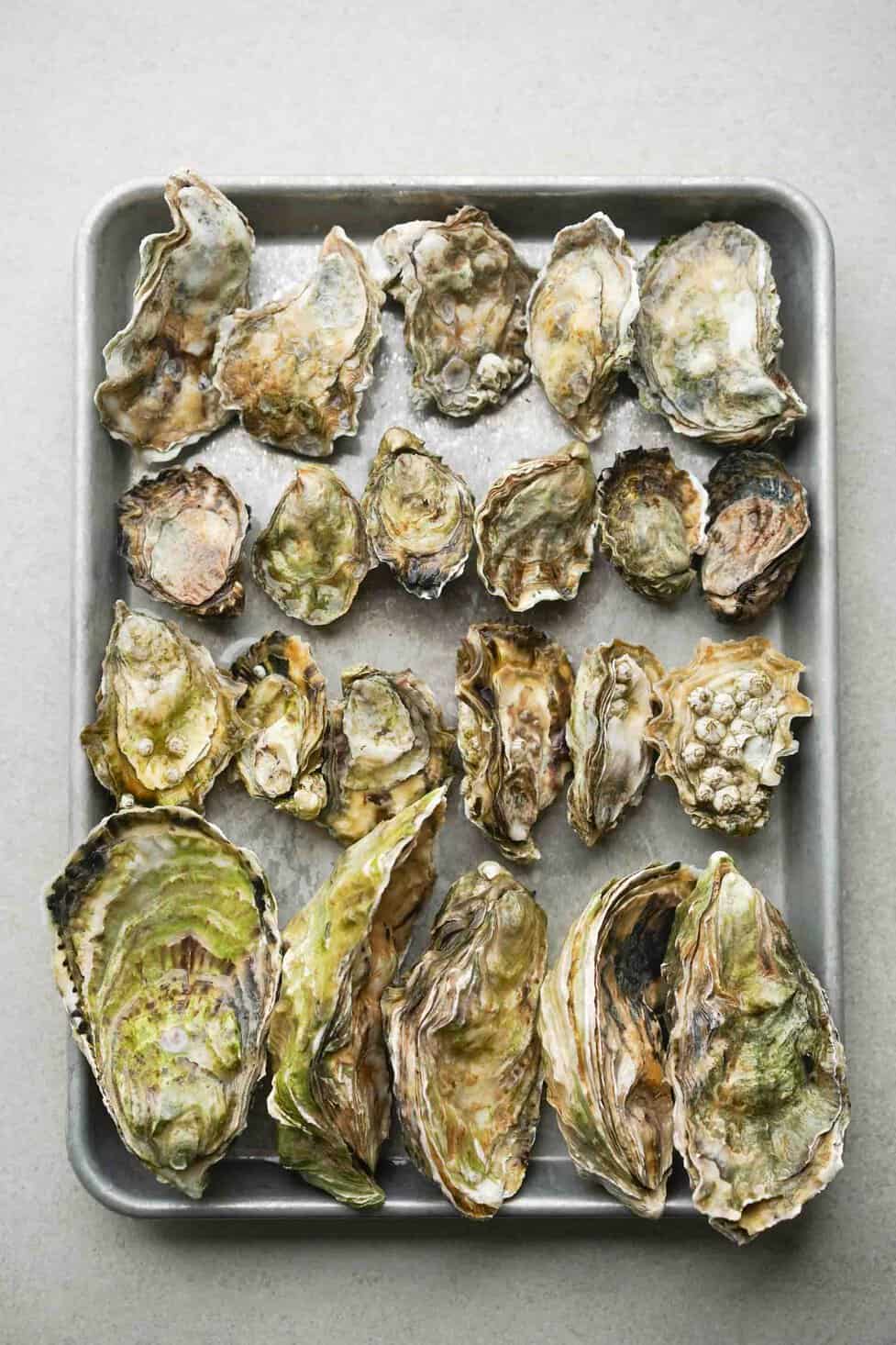
Understanding the basics of oysters is essential before deciding whether you can freeze them. Oysters come in various types, each with unique flavors and textures. Knowing the difference between fresh and frozen oysters helps you make better choices for your recipes and storage.
Types Of Oysters
Oysters are not all the same. Some popular types include Pacific, Eastern, Kumamoto, and Olympia oysters. Each type varies in size, taste, and where it is harvested.
- Pacific Oysters:Known for their mild and slightly sweet flavor.
- Eastern Oysters:Usually saltier with a briny taste.
- Kumamoto Oysters:Smaller and sweeter, often favored by beginners.
- Olympia Oysters:The smallest, with a strong metallic flavor.
Choosing the right oyster type can change how you enjoy them. Have you ever noticed how different oysters taste depending on where they come from? This variety is part of the oyster’s charm.
Fresh Vs. Frozen Oysters
Fresh oysters offer the best flavor and texture but require careful handling. They should be consumed quickly and stored properly to maintain quality.
Freezing oysters is possible but comes with trade-offs. While it extends shelf life, freezing can alter texture, making oysters less firm and sometimes more watery.
| Aspect | Fresh Oysters | Frozen Oysters |
|---|---|---|
| Flavor | Briny, fresh, and vibrant | Slightly muted after freezing |
| Texture | Firm and plump | Can become softer or watery |
| Storage Time | 1-2 days in fridge | Up to 3 months in freezer |
When you freeze oysters, are you willing to sacrifice a bit of texture and flavor for convenience? Knowing this helps you decide how to handle oysters for your next meal.
Credit: umamigirl.com
Is Freezing Oysters Possible
Freezing oysters is a practical way to extend their shelf life. Many wonder if it is possible without ruining their quality. The short answer is yes, oysters can be frozen. Yet, freezing affects oysters in certain ways. Understanding these effects helps in preserving their best qualities.
Effects Of Freezing On Texture And Flavor
Freezing oysters changes their texture. The cold causes ice crystals to form inside the oyster. These crystals can break down the oyster’s delicate flesh. After thawing, oysters may feel softer or mushy.
Flavor also changes with freezing. Fresh oysters have a clean, briny taste. Freezing may dull this flavor slightly. Some people notice a loss of freshness in taste. To reduce flavor loss, freeze oysters quickly at very low temperatures.
Safety Considerations
Freezing oysters helps keep them safe from bacteria. The cold stops bacterial growth but does not kill all bacteria. Proper freezing and thawing are key to safety.
- Freeze oysters as soon as possible after purchase.
- Keep them in airtight containers or freezer bags.
- Thaw oysters in the refrigerator, never at room temperature.
- Cook oysters fully after thawing to kill any remaining bacteria.
Following these steps lowers the risk of foodborne illness. Always check oysters for off smells or unusual colors before use.
Preparing Oysters For Freezing
Preparing oysters for freezing is key to maintaining their freshness and flavor. How you clean and package them can make all the difference when you thaw them later. Taking a little extra care now will save you from unpleasant surprises down the road.
Cleaning And Shucking
Start by rinsing your oysters under cold running water to wash away sand and grit. Use a stiff brush to scrub the shells thoroughly. This step ensures no unwanted debris ends up in your freezer or your meal.
Next, shuck the oysters carefully. Hold the oyster firmly and insert a shucking knife into the hinge, twisting gently to pop it open. Avoid losing the natural juices inside the shell, as they add great flavor and moisture.
If you prefer, you can freeze oysters in the shell, but shucking before freezing often makes them easier to use later. Have you noticed how much simpler it is to add shucked oysters directly to dishes? It definitely speeds up your cooking process.
Selecting The Right Packaging
Choosing the right packaging protects oysters from freezer burn and preserves their taste. Use airtight containers or heavy-duty freezer bags for best results. Squeeze out as much air as possible to keep the oysters fresh.
Consider adding a little of the oyster’s liquor (the natural juice) into the container to keep them moist. Label the package with the date so you can keep track of how long they’ve been stored. You wouldn’t want to accidentally keep them too long and lose that fresh ocean flavor.
Have you ever dealt with freezer burn ruining your seafood? Proper packaging can prevent that and keep your oysters tasting like they just came from the shore.
Freezing Methods
Freezing oysters can be a smart way to enjoy them later, but the method you choose can affect their texture and flavor. Different freezing techniques suit different uses, so understanding each can help you keep your oysters fresh and tasty. Let’s break down the best ways to freeze oysters effectively.
Freezing In Shell
Freezing oysters in their shells is possible but tricky. Make sure the shells are tightly closed to prevent freezer burn. Place them in a single layer on a tray, then wrap them well with plastic wrap or foil before storing in a freezer bag.
This method helps keep the oysters moist, but the texture may become a bit rubbery after thawing. If you plan to use oysters for cooking rather than raw eating, freezing in the shell works well. Have you ever noticed how some textures just don’t survive the freeze? This is a good example.
Freezing Shucked Oysters
Shucked oysters freeze better than those in shells, especially if you want to use them in soups or stews later. Drain excess liquid and place the oysters in an airtight container or freezer bag to avoid freezer burn.
Lay the oysters flat to freeze them evenly. When thawed, they retain more flavor but can still become slightly chewy. If you’ve ever tried freezing seafood, you know that texture is king—handle with care!
Using Oyster Liquor
Oyster liquor is the natural juice inside the shell that helps preserve flavor and moisture. Freezing oysters with their liquor can improve taste and texture after thawing.
Place shucked oysters in a container, add enough oyster liquor to cover them, and seal tightly. This method keeps the oysters juicy and ready for recipes that need that fresh ocean taste. Could preserving that natural juice be the key to better frozen oysters?
Storage Tips
Proper storage is key to keeping oysters fresh and tasty after freezing. Following the right tips helps maintain their texture and flavor. Understanding the best freezing temperatures and how long oysters last frozen ensures quality and safety.
Optimal Freezing Temperatures
Keep oysters at a temperature of -18°C (0°F) or lower. This temperature slows bacterial growth and preserves freshness. Use a deep freezer for consistent coldness. Avoid frequent temperature changes to prevent texture loss.
Storage Duration Limits
Frozen oysters stay good for up to three months. Beyond this, they may lose taste and texture. Label the package with the freezing date. Consume oysters within this time for the best experience.
Thawing Frozen Oysters
Thawing frozen oysters properly is key to preserving their fresh taste and texture. If you rush this process or use unsafe methods, you risk ruining their delicate flavor and even causing foodborne illness. Let’s look at how you can thaw oysters safely and recognize when they might have gone bad.
Safe Thawing Techniques
Always thaw frozen oysters in the refrigerator. This slow thaw keeps the oysters at a safe temperature, preventing bacterial growth.
If you’re short on time, place the oysters in a sealed plastic bag and submerge them in cold water. Change the water every 30 minutes until thawed. Avoid using warm or hot water; it can cook the oysters unevenly and increase health risks.
Never thaw oysters at room temperature. Leaving them out exposes them to unsafe temperatures that can lead to spoilage. Have you ever noticed how some seafood tastes off after improper thawing? That’s why patience pays off here.
Signs Of Spoilage
Before cooking or eating, check your oysters carefully. Spoiled oysters often have a strong, unpleasant odor—like rotten eggs or ammonia. Fresh oysters should smell like the ocean, clean and briny.
Look at the texture too. Slimy, overly soft, or dry and shriveled oysters are signs they’ve gone bad. If the shell is open and doesn’t close when tapped, discard the oyster as it’s likely dead.
Trust your senses. If an oyster looks or smells suspicious, it’s safer to throw it out than risk food poisoning. Have you ever had a bad oyster experience that made you more cautious? It’s a lesson worth remembering.
Cooking With Frozen Oysters
Cooking with frozen oysters opens up a world of convenience without sacrificing flavor. You can enjoy oysters year-round, even when fresh ones aren’t available nearby. However, using frozen oysters requires some care to maintain their taste and texture.
Best Recipes For Frozen Oysters
Frozen oysters work wonderfully in dishes where they are cooked thoroughly. Try recipes like oyster stew, seafood chowder, or baked oysters with garlic butter. These methods allow the oysters to absorb flavors while staying tender.
Stir-fries and pasta dishes also benefit from frozen oysters. Add them near the end of cooking to prevent overcooking, which can make them rubbery. Have you experimented with oyster omelets or fried oyster po’boys? These recipes mask any slight texture changes and highlight the oyster’s rich taste.
Avoiding Texture Issues
Texture is the biggest challenge when cooking frozen oysters. Freezing can make oysters a bit chewy or mushy if not handled right. To avoid this, thaw them slowly in the refrigerator rather than using hot water or a microwave.
Pat dry the oysters gently before cooking to remove excess moisture. Overcooking is another common pitfall; oysters need just a short time on heat. How do you know when they’re done? They become firm and opaque but not tough.
Experiment with marinating frozen oysters briefly before cooking. Acidic ingredients like lemon juice or vinegar can help tenderize them. Have you noticed how a quick marinade can improve texture and flavor? It’s a simple trick to keep in your kitchen arsenal.

Credit: www.inahalfshell.com
Common Mistakes To Avoid
Freezing oysters might seem straightforward, but many people make mistakes that affect the taste and safety of their seafood. Avoiding these errors ensures you get the best texture and flavor after thawing. Let’s look at some common pitfalls so your frozen oysters stay fresh and delicious.
Freezing Oysters Without Cleaning Them Properly
Skipping the cleaning step can ruin your oysters. Dirt, sand, and bacteria on the shells can transfer to the meat during freezing. Always scrub the shells under cold running water before freezing to keep your oysters safe and tasty.
Freezing Live Oysters Instead Of Shucked Meat
Many try to freeze live oysters whole, but this often results in a mushy texture after thawing. It’s better to shuck the oysters first, then freeze the meat. This preserves the flavor and prevents the meat from turning rubbery.
Using The Wrong Packaging Materials
Air exposure causes freezer burn and off-flavors in oysters. Avoid freezing them in regular plastic bags or containers that don’t seal well. Use airtight, freezer-safe bags or vacuum-sealed packs to lock in freshness.
Freezing Oysters For Too Long
Oysters don’t last forever in the freezer. Keeping them frozen beyond 3 months can degrade their texture and taste. Label your packages with the freezing date and try to use them within this timeframe.
Thawing Oysters Incorrectly
Thawing oysters too quickly can affect their texture and safety. Avoid microwaving or leaving them out at room temperature. Instead, thaw them slowly in the refrigerator overnight to maintain quality.
Ignoring The Importance Of Freshness Before Freezing
Freezing won’t fix oysters that aren’t fresh to begin with. Make sure your oysters are fresh and alive before freezing. If they smell off or their shells are open and don’t close when tapped, it’s better not to freeze them at all.
Have you ever frozen oysters only to find they lost their flavor or turned rubbery? What changes will you make next time based on these tips?
Frequently Asked Questions
Can You Freeze Fresh Oysters Safely?
Yes, you can freeze fresh oysters safely by shucking them first. Store the oyster meat in an airtight container or vacuum-sealed bag. Freeze within 24 hours for best quality. Proper freezing preserves flavor but may alter texture slightly.
How Long Do Frozen Oysters Last?
Frozen oysters typically last 3 to 6 months in the freezer. For best taste and safety, consume them within this period. Always check for freezer burn or off smells before use.
Do Frozen Oysters Need To Be Thawed?
Yes, thaw frozen oysters slowly in the refrigerator overnight. Avoid thawing at room temperature to prevent bacterial growth. Use thawed oysters promptly for the best flavor and texture.
Can You Freeze Oysters In Their Shells?
Freezing oysters in their shells is not recommended. The shells may crack, and the oyster quality can degrade. It’s better to shuck and freeze the meat separately for optimal results.
Conclusion
Freezing oysters can keep them fresh for a while. Make sure to clean them well before freezing. Use airtight containers or freezer bags to avoid freezer burn. Remember, frozen oysters are best for cooking, not eating raw. Thaw them slowly in the fridge for the best taste.
Proper freezing helps reduce waste and saves money. Enjoy your oysters safely by following these simple steps.