Curious about freeze drying and wondering how long it takes? You’re not alone.
Many people are turning to this fascinating preservation method for its ability to extend the shelf life of foods and retain nutrients. But what about the time it takes? Is it a quick process, or does it require some patience?
Understanding the timeline can help you decide if freeze drying is the right choice for your needs. By the end of this article, you’ll have a clear picture of the freeze drying process, so you can make informed decisions about your food preservation strategies. Ready to dive in and discover the secrets behind this innovative technique? Let’s get started!

Credit: hopewellheightsblog.com
Freeze Drying Basics
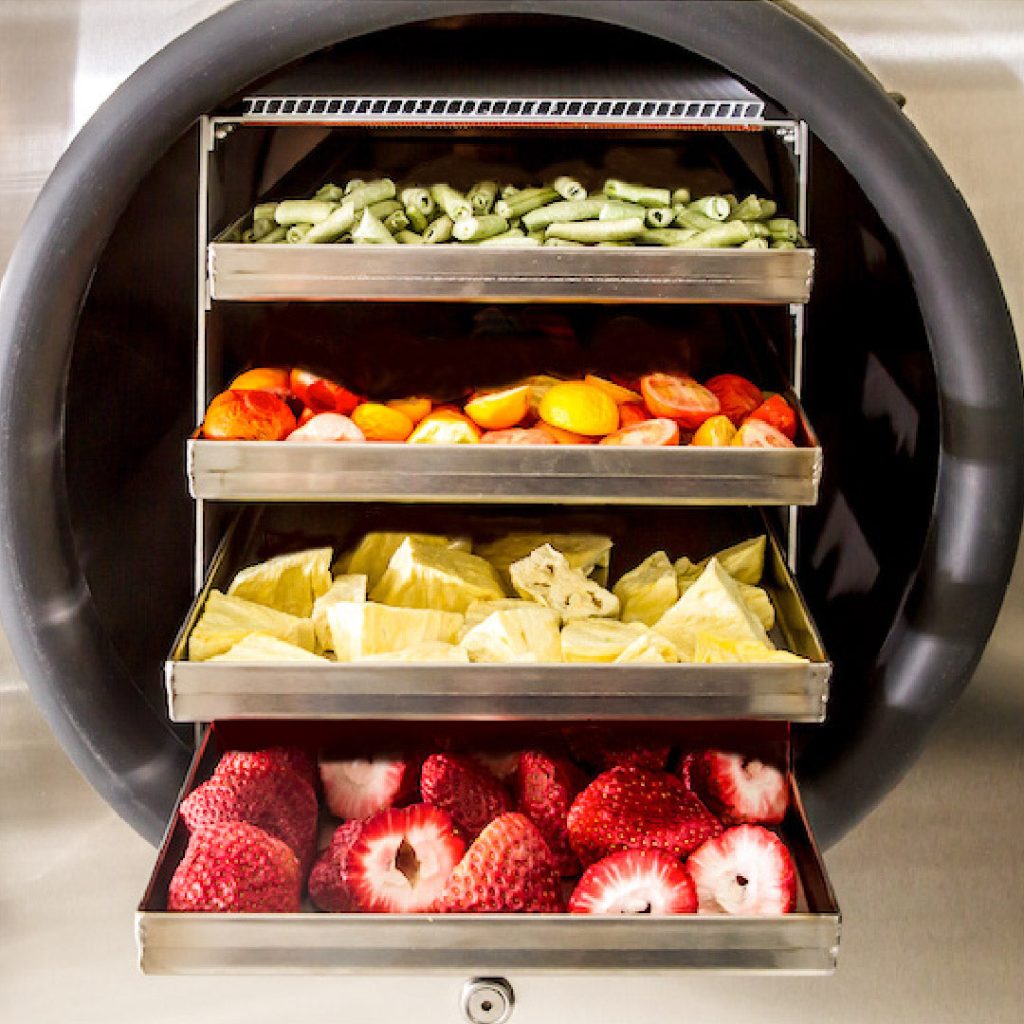
Understanding the basics of freeze drying is key if you want to make the most of this preservation method. It’s a process that removes moisture from food or other materials by freezing them and then reducing the surrounding pressure. This causes the frozen water in the material to sublimate directly from solid to gas.
What Is Freeze Drying
Freeze drying, also known as lyophilization, is a method used to preserve food, pharmaceuticals, and even biological samples. The process involves three main stages: freezing, primary drying (sublimation), and secondary drying (desorption). Unlike traditional drying, freeze drying keeps the structure and nutrients intact because it avoids high heat.
Imagine having strawberries that taste just as fresh months later. That’s exactly what freeze drying does—it locks in freshness without refrigeration. This makes it popular for backpackers, emergency kits, and anyone who values long-lasting quality.
Why Time Matters
Freeze drying isn’t a quick fix; it takes time, sometimes several hours or even days depending on what you’re drying. The length of the process affects the final product’s texture, shelf life, and nutrient retention. Cutting corners might save time but can lead to incomplete drying, which invites spoilage.
Have you ever wondered why some freeze-dried foods feel crunchier or last longer? The answer often lies in how carefully the drying time was controlled. Patience in freeze drying ensures water is fully removed without damaging the food’s delicate structure.
When planning your freeze drying, consider:
- The type and thickness of the material
- Initial moisture content
- Temperature and vacuum settings
Each factor influences how long the freeze drying cycle will take. Understanding this helps you balance efficiency with quality, avoiding costly mistakes in your preservation efforts.
Factors Affecting Freeze Drying Time
Freeze drying time varies widely, and several key factors influence how long the process takes. Understanding these factors helps you better estimate your project timeline and improve results. Let’s examine what specifically affects freeze drying duration.
Type Of Food
Different foods have unique structures that impact how quickly they dry. For example, fruits like strawberries dry faster than dense meats or thick vegetables. Foods with a lot of sugar or fat often take longer because these components hold onto moisture more tightly.
Think about how easily you can squeeze water from a sponge versus a thick piece of meat. This difference in texture and composition directly affects drying speed.
Size And Thickness
The bigger and thicker the food pieces, the longer freeze drying will take. Thin slices or small chunks lose moisture faster since the water has less distance to travel to escape. Large cuts might require hours or even days more to fully dry.
Cutting your food into uniform, smaller pieces can save you time and energy. Have you tried freeze drying large items whole? It’s worth testing smaller portions first to see how much time you can save.
Initial Moisture Content
Foods with higher water content naturally need more time to dry. Leafy greens, cucumbers, and watermelon have very high moisture levels and can extend the drying process. Conversely, nuts or dried herbs start with less water, so they finish faster.
Knowing your food’s initial moisture can help you plan better. You might want to pre-freeze or partially dehydrate some items to reduce freeze drying time.
Freeze Dryer Model
The model and capacity of your freeze dryer play a major role in drying time. More advanced machines with stronger vacuum pumps and better temperature control shorten the process. Home models usually take longer than commercial ones, but improvements in technology are closing that gap.
Have you considered how your machine’s size and features affect your workflow? Sometimes investing in a better model can save you hours on each batch.
Typical Freeze Drying Timelines
Freeze drying times vary widely depending on the type of food. Each category has its own timeline. This depends on moisture content and thickness. Understanding typical freeze drying timelines helps set clear expectations.
Freeze drying removes almost all water by freezing the food, then applying a vacuum. This process preserves taste, texture, and nutrients. Knowing how long it takes helps in planning your food storage or production.
Fruits And Vegetables
Fruits and vegetables freeze dry faster than dense foods. Their high water content makes the process quicker. Thin slices can take 12 to 24 hours. Whole fruits or thicker pieces may take 24 to 36 hours. Leafy greens usually dry within 10 to 18 hours.
Meats And Proteins
Meats and proteins take longer due to their density. Thin cuts or ground meat can dry in 24 to 36 hours. Larger cuts or whole pieces may require 36 to 48 hours. Proper preparation like slicing helps reduce freeze drying time.
Dairy Products
Dairy products dry at different speeds depending on type. Milk powders and cheese powders dry quickly in 8 to 12 hours. Whole pieces like cheese blocks or yogurt can take 24 to 30 hours. Careful temperature control is important to maintain quality.
Prepared Meals
Prepared meals contain mixed ingredients with varying drying rates. Soups and stews may take 24 to 36 hours. Meals with dense proteins and starches might require 30 to 48 hours. Separating components before freeze drying can speed up the process.
Stages Of Freeze Drying And Time Estimates
Understanding the stages of freeze drying helps you estimate how long the entire process will take. Each phase targets specific changes in the food or material, and the time required depends on factors like moisture content, thickness, and the equipment used.
Knowing these stages can help you plan better, whether you’re preserving fruits, herbs, or even complete meals. Let’s break down the time involved in each key stage of freeze drying.
Freezing Phase
This phase solidifies the water inside your product by freezing it at very low temperatures, often below -40°F (-40°C). The speed here depends on the size and thickness of the item—thin slices freeze faster than thick chunks.
Typically, freezing can take anywhere from 2 to 8 hours. If the freezing is uneven or slow, it might affect the quality of the final product, causing larger ice crystals that can damage cell structure.
Primary Drying
This phase removes ice through a process called sublimation, where ice turns directly into vapor without becoming liquid. It requires low pressure and controlled heat to gently pull moisture out.
Primary drying is the longest stage, often taking 12 to 40 hours or more. The exact time depends on the amount of ice, vacuum efficiency, and temperature settings.
Have you ever noticed how a thicker piece of meat takes much longer to dry than thin fruit slices? That’s because more ice needs to sublimate, extending this phase.
Secondary Drying
After the ice is gone, this phase removes any remaining water molecules bound within the product. It raises the temperature slightly to release this residual moisture.
Secondary drying usually takes 2 to 8 hours. Though shorter, it’s crucial for long-term shelf stability and preventing spoilage.
Skipping or rushing this stage can leave your food prone to mold or texture changes. Think about how important it is to get every last bit of moisture out for your freeze-dried goods to last.
Tips To Shorten Freeze Drying Time
Shortening freeze drying time saves energy and keeps food quality high. Small changes in preparation and settings make a big difference. Follow these tips to speed up the process safely.
Pre-freezing Techniques
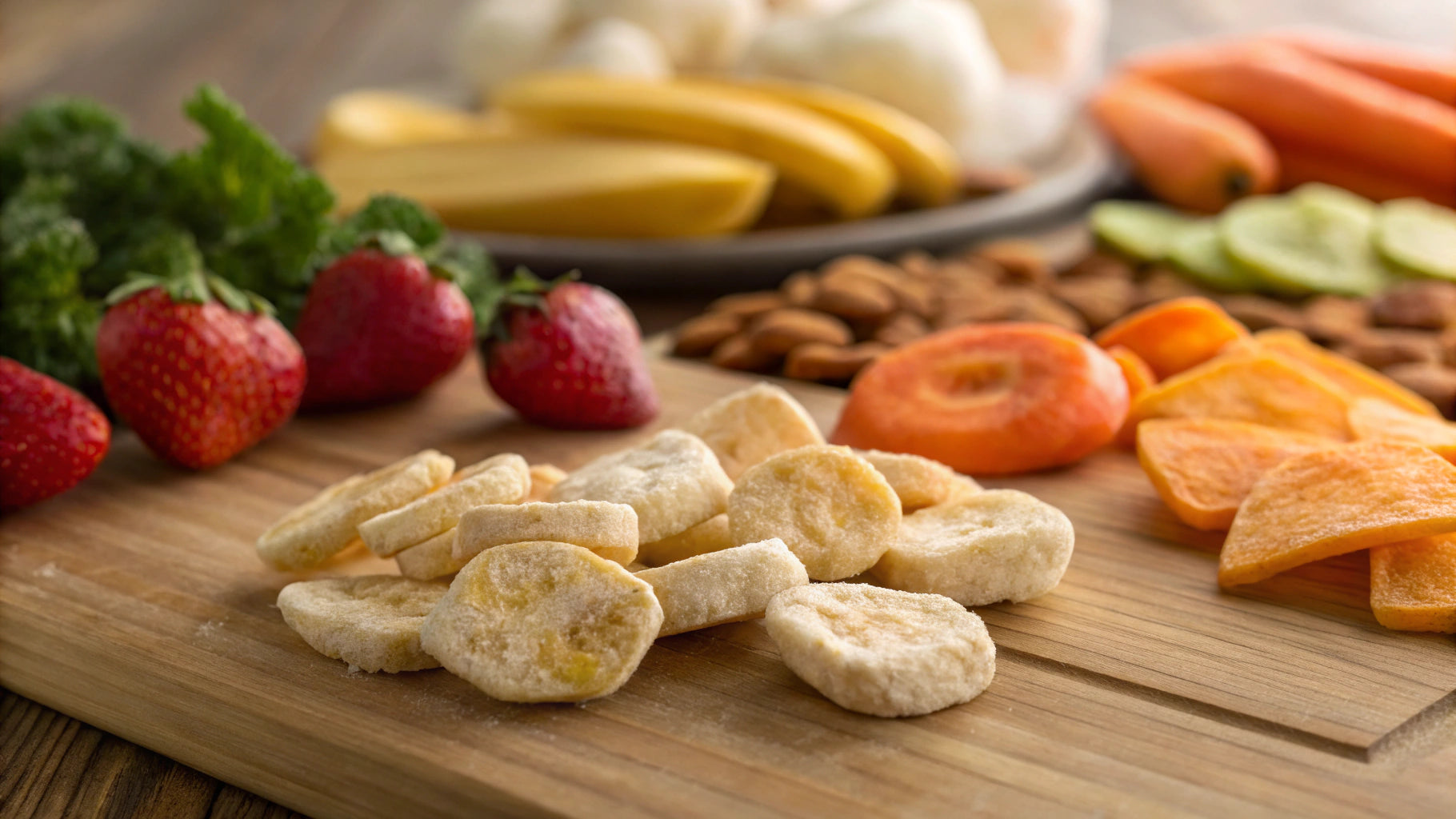
Pre-freezing food before freeze drying helps speed up ice removal. Freeze food quickly at very low temperatures. This forms smaller ice crystals, which evaporate faster during drying. Use a freezer set below -18°C (0°F) for best results. Avoid slow freezing, as it creates larger crystals that take longer to dry.
Proper Slicing And Portioning
Slice food into thin, even pieces. Thin slices dry faster because moisture escapes easier. Cut fruits, vegetables, and meats into small portions. Avoid large chunks that trap moisture inside. Uniform size ensures all pieces dry at the same rate. This reduces overall drying time and prevents spoilage.
Optimizing Dryer Settings
Adjust freeze dryer temperature and pressure for faster drying. Use the highest safe temperature for the food type. Lower pressure speeds up sublimation, removing ice quickly. Check your machine’s manual for recommended settings. Monitor the drying cycle and make small changes to improve speed without damaging food.
Credit: www.battlbox.com
Common Mistakes That Extend Drying Time
Freeze drying can be a game-changer for preserving food and other materials, but the process can take much longer than expected if you’re making common mistakes. These errors not only extend drying time but can also affect the quality of your final product. Understanding what slows down the process helps you avoid frustration and wasted energy.
Overloading The Dryer
Stuffing too much into the freeze dryer at once is a frequent mistake. When the trays are overloaded, cold air and vacuum pressure can’t circulate properly. This blocks moisture removal and drags out drying time significantly.
Imagine trying to dry a thick blanket by squeezing it into a small dryer—you’d end up with damp spots and a longer wait. Instead, spread your items out evenly with enough space between them. This simple step speeds up the drying and improves consistency.
Ignoring Moisture Levels
Not checking moisture levels before and during freeze drying can lead to trouble. Starting with overly wet or frozen items means the dryer has to work much harder to remove water.
Use a kitchen scale or moisture meter to track your product’s weight before and during drying. This helps you know when the process is complete and prevents unnecessary extra hours in the machine.
Using Incorrect Temperature
Setting the wrong temperature is a silent time thief in freeze drying. Too high, and you risk damaging your food’s texture and nutrients; too low, and the drying process slows dramatically.
Follow your freeze dryer’s guidelines carefully for temperature settings based on the type of food or material. Have you ever adjusted the temp and noticed a big difference in drying speed? Temperature control is more powerful than most people realize.
Monitoring And Knowing When Freeze Drying Is Done
Monitoring the freeze drying process is crucial for perfect results. Knowing when the process is complete saves time and energy. It also ensures the food or material retains quality and lasts longer. Careful observation helps avoid under-drying or over-drying. Both can affect texture, flavor, and shelf life.
Signs Of Completion
Freeze drying is done when the product feels dry and light. The texture becomes crisp or brittle, without any soft spots. The color may look slightly different, often paler than fresh. No frost or ice crystals should remain on the surface. The container should show no condensation after warming to room temperature. If the product breaks easily and has no cold spots, the drying is likely complete.
Testing Moisture Content
Testing moisture content confirms the dryness level. A moisture meter can measure the amount of water left inside. Aim for less than 5% moisture for most foods. Another test is weighing the product before and after drying. A stable weight over several hours means no more moisture loss. You can also use a small sample and warm it gently; no sweat or dampness means dryness.

Credit: practicalselfreliance.com
Frequently Asked Questions
How Long Does The Freeze Drying Process Take?
Freeze drying typically takes 20 to 48 hours. The duration varies based on food type, moisture content, and equipment. Larger or denser items require more time to freeze dry fully. Proper freeze drying ensures better preservation and quality.
What Factors Affect Freeze Drying Time?
Freeze drying time depends on food size, moisture level, and temperature settings. Higher moisture foods take longer to dry. Equipment efficiency and vacuum strength also impact drying speed. Controlling these factors optimizes freeze drying duration and results.
Can Freeze Drying Time Be Shortened?
Freeze drying time can be reduced by cutting food into smaller pieces. Using advanced freeze dryers with stronger vacuum pumps helps. However, rushing the process may affect food quality and preservation. Balance speed and quality for best outcomes.
Why Does Freeze Drying Take Longer Than Other Drying Methods?
Freeze drying removes moisture by sublimation, which is slower than evaporation. This method preserves food structure and nutrients better. Conventional drying uses heat, which is faster but less effective. Freeze drying’s longer time ensures superior food preservation.
Conclusion
Freeze drying usually takes several hours to a few days. The time depends on the food type and drying method. Patience is key for good results. This process removes moisture carefully, keeping flavor and nutrition. Knowing the time helps plan your food storage better.
It is a reliable way to preserve food long-term. Try freeze drying to save your favorite meals. You will see why many people trust this method. Simple and effective, freeze drying works well for many needs.