Picture this: You open your freezer and there it is, that delectable lobster you’ve been saving for a special occasion. But then the question hits you—how long can it really stay in there and still be safe to eat?
If you’ve ever found yourself pondering this, you’re not alone. Understanding the shelf life of lobster in the freezer is crucial to ensuring both taste and safety. We’ll dive into the ins and outs of storing lobster, providing you with all the information you need to enjoy your crustacean delicacy at its best.
Get ready to unlock the secrets of keeping your lobster fresh and flavorful for as long as possible. Keep reading—you won’t want to miss a single tip!
Freezing Lobster Basics
Freezing lobster is a smart way to enjoy this delicious seafood beyond its fresh season. However, not all lobsters freeze equally well, and how you prepare and package them makes a big difference in taste and texture. Understanding the basics can save you from disappointing meals and wasted money.
Best Lobster Types For Freezing
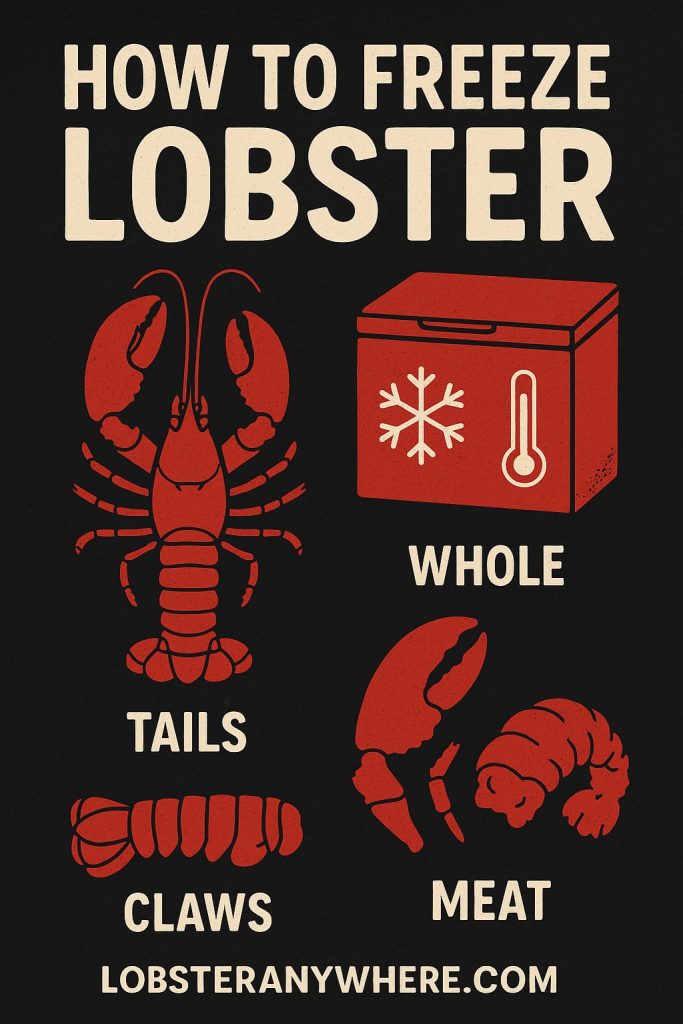
Whole lobsters freeze better when cooked first. Raw lobsters tend to lose texture and flavor after freezing. Claws and tails are the most common parts to freeze because they hold up well and are easy to portion.
Frozen lobster tails often taste fresher than frozen whole lobsters. If you want to freeze lobster meat, remove it from the shell before freezing to avoid toughness. Cooked lobster meat freezes well and thaws smoothly for later use in salads, soups, or pasta.
Preparing Lobster For The Freezer
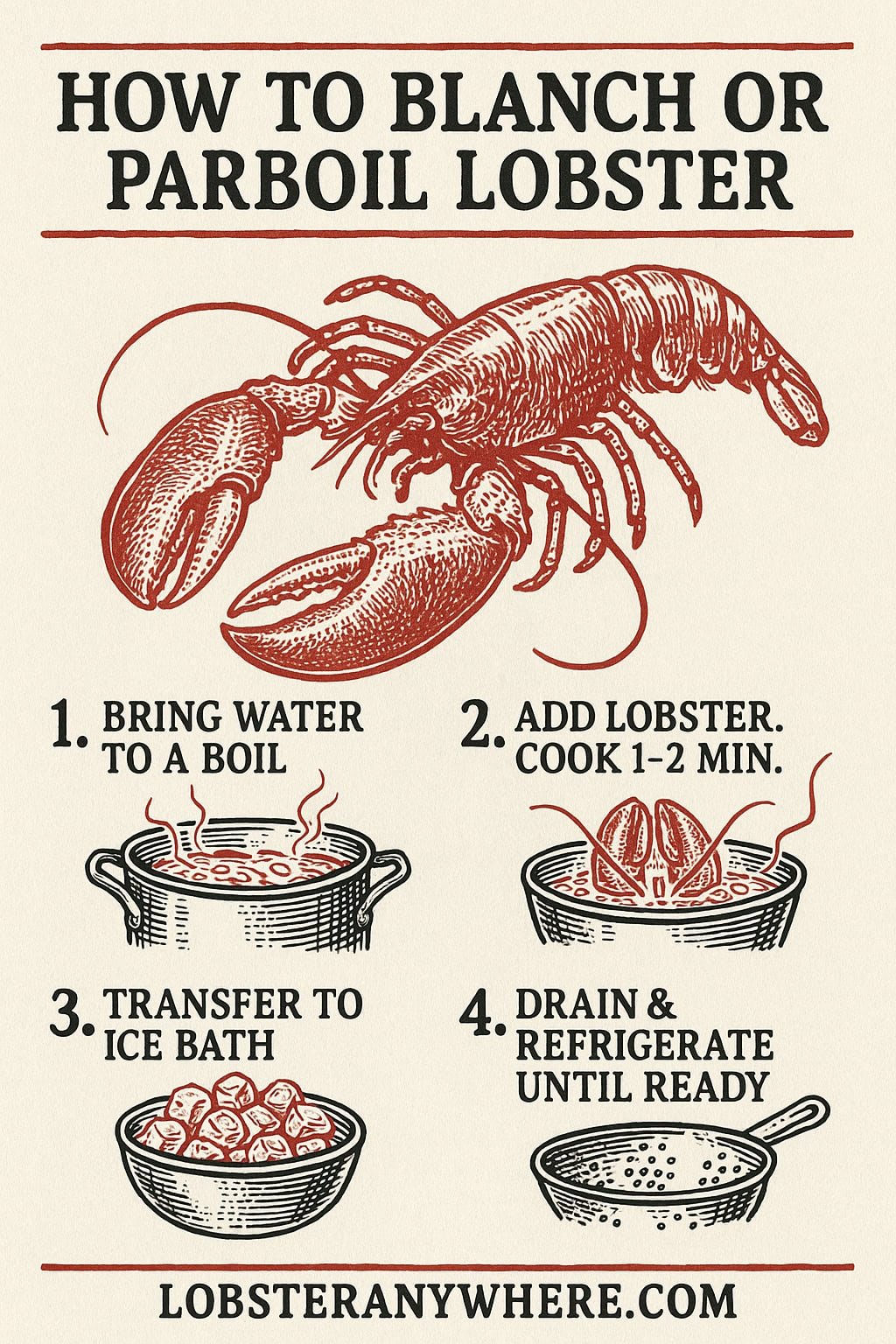
Start by cooking the lobster thoroughly—steaming or boiling works best. After cooking, let the lobster cool completely to avoid condensation inside packaging. Remove the meat from the shell carefully, especially from claws and tails.
Cut the meat into smaller portions if you plan to use it in different dishes. If you prefer freezing whole cooked lobsters, split them in half to speed up freezing and thawing. Dry the meat and shells with paper towels to reduce ice crystals forming during freezing.
Packaging Tips To Prevent Freezer Burn
Freezer burn ruins lobster’s texture and flavor, so airtight packaging is crucial. Use heavy-duty freezer bags or vacuum-seal bags for the best protection. Remove as much air as possible before sealing to minimize ice crystals.
Wrap lobster meat tightly in plastic wrap before placing it in bags for double protection. Label packages with the freezing date to keep track of storage time. Consider freezing lobster in portions you’ll use all at once to avoid refreezing, which damages quality.

Credit: lobsteranywhere.com
Storage Duration For Lobster
Knowing how long lobster lasts in the freezer can save you from unpleasant surprises and food waste. Proper storage duration depends on whether the lobster is cooked or raw, and understanding this can help you enjoy lobster at its best quality. Let’s look closely at how storage time varies and what affects it.
Cooked Vs Raw Lobster Shelf Life
Cooked lobster generally lasts about 2 to 3 months in the freezer. Beyond that, the taste and texture may start to deteriorate, making it less enjoyable to eat.
Raw lobster, especially if frozen quickly after catching, can last longer—up to 6 to 12 months. This longer shelf life is due to the lobster being preserved before cooking, which slows down spoilage.
Do you always label your lobster packages with the freezing date? It’s a simple step that helps you keep track and avoid guessing if your lobster is still good.
Signs Of Spoiled Frozen Lobster
Even frozen lobster can spoil, so it’s important to recognize warning signs. If you notice a strong, sour smell or discoloration like black spots or dull flesh, the lobster should be discarded.
Ice crystals inside the packaging can indicate freezer burn, which affects texture and flavor. While not harmful, freezer-burned lobster won’t taste as good.
Have you ever tasted lobster that seemed off after freezing? Trust your senses—they often catch spoilage before any visible signs appear.
How Freezer Temperature Affects Longevity
Freezer temperature plays a critical role in how long lobster stays fresh. Ideally, keep your freezer at 0°F (-18°C) or lower to maintain optimal quality.
Fluctuating temperatures cause thawing and refreezing, which speeds up spoilage and damages the lobster’s texture. Using a freezer thermometer can help you monitor and maintain the right temperature consistently.
Are you storing lobster near the freezer door where temperature changes are frequent? Moving it deeper inside can extend its shelf life significantly.
Thawing Frozen Lobster
Thawing frozen lobster requires careful attention to keep its sweet, tender flavor intact. If you rush the process or use the wrong method, the lobster can lose its texture or develop off-flavors. Knowing how to thaw lobster properly can make a big difference in your dining experience.
Safe Thawing Methods
Always thaw lobster in the refrigerator whenever possible. This slow method keeps the lobster at a safe temperature and prevents bacterial growth. Plan ahead, as it may take 12 to 24 hours depending on the size of the lobster or lobster meat.
If you’re short on time, placing the lobster in a sealed plastic bag and submerging it in cold water works well. Change the water every 30 minutes to keep it cold. Avoid using warm or hot water, as this can cause uneven thawing and spoilage.
Microwave thawing is generally not recommended because it can cook parts of the lobster unevenly, leaving some sections rubbery or overdone. However, if you must, use the defrost setting and check frequently to prevent cooking.
Avoiding Quality Loss During Thawing
Keep the lobster wrapped or sealed in an airtight container while thawing to prevent it from absorbing odors from other foods. Exposure to air can dry out the lobster meat, making it tough and less flavorful.
Once thawed, cook the lobster as soon as possible—ideally within 24 hours. Refreezing lobster after thawing can cause a significant drop in quality and texture.
Have you ever noticed your thawed lobster turning mushy or losing its sweet taste? This usually happens when it thaws too quickly or sits out too long. Slow, steady thawing preserves that fresh-from-the-sea taste you’re aiming for.
Credit: lobsteranywhere.com
Maintaining Lobster Freshness
Keeping lobster fresh in the freezer ensures you enjoy its sweet, delicate taste. Proper storage slows down quality loss and prevents freezer burn. Careful handling helps maintain texture and flavor over time.
Using Vacuum Sealing
Vacuum sealing removes air around the lobster. This stops freezer burn and keeps moisture inside. It also blocks odors from other foods in the freezer. Vacuum-sealed lobster lasts longer and stays fresher.
Freezer Organization Tips
Store lobster in a cold, consistent part of the freezer. Avoid the door to prevent temperature changes. Keep lobster away from strong-smelling foods to protect its flavor. Use airtight containers or sealed bags for extra protection.
Labeling And Tracking Storage Time
Mark the date on each package before freezing. This helps use the oldest lobster first. Store lobster no longer than 3 to 6 months for best taste. Clear labels avoid confusion and prevent food waste.
Cooking Frozen Lobster
Cooking frozen lobster is simple and saves time. You do not always need to thaw lobster before cooking. Frozen lobster keeps its flavor and texture well when cooked properly. This makes it a convenient choice for quick meals.
Cooking Without Thawing
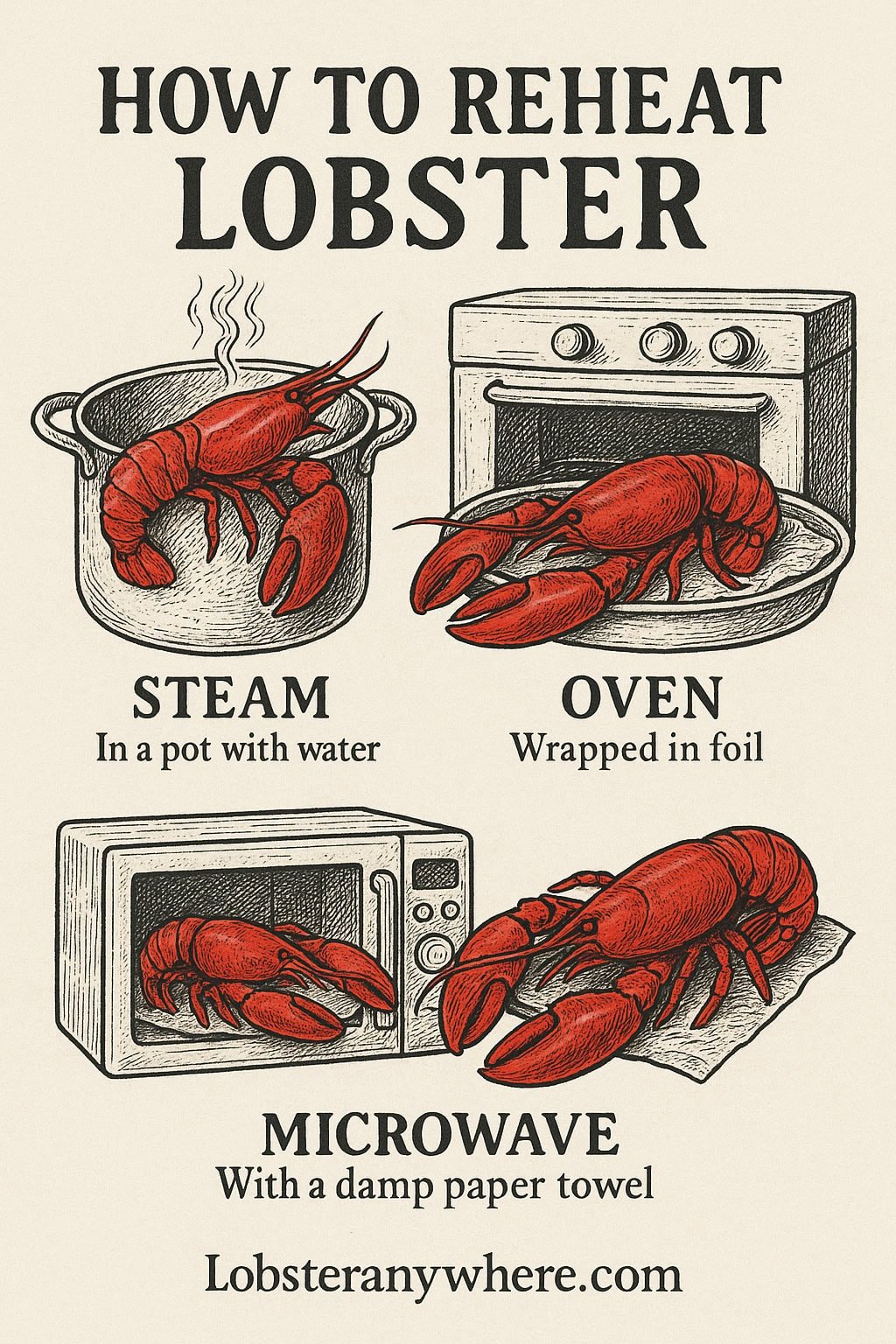
You can cook frozen lobster directly from the freezer. Boiling or steaming works best for this method. Add a few extra minutes to the cooking time. This ensures the lobster cooks through evenly.
- Boil water and add salt.
- Place frozen lobster in boiling water carefully.
- Cook for 8 to 12 minutes, depending on size.
- Check for bright red shell and opaque meat.
Steaming follows a similar process but uses steam instead of boiling water. Both methods keep the lobster juicy and tender.
Best Recipes For Frozen Lobster
Frozen lobster pairs well with simple recipes. Butter and garlic bring out its natural sweetness. Try these easy dishes:
- Garlic butter lobster tails
- Lobster mac and cheese
- Lobster salad with lemon dressing
- Lobster bisque soup
These recipes highlight lobster’s rich flavor. They are quick and perfect for frozen lobster. You do not need fancy ingredients to make a delicious meal.
Credit: lobsteranywhere.com
Frequently Asked Questions
How Long Can Lobster Stay Frozen Safely?
Lobster can be safely frozen for up to 6 months. Beyond this, quality and taste may decline. Store lobster in an airtight container or vacuum-sealed bag to maintain freshness and prevent freezer burn.
Does Freezing Affect Lobster’s Texture Or Taste?
Freezing can slightly change lobster’s texture, making it less firm. However, proper freezing and thawing preserve most of its flavor. To keep taste intact, freeze lobster quickly and thaw it slowly in the fridge.
How To Properly Freeze Lobster At Home?
To freeze lobster, cook it first or freeze raw lobster meat immediately. Wrap tightly in plastic wrap, then place in a freezer bag. Remove excess air to avoid freezer burn and label with the date for best use timing.
Can Frozen Lobster Be Refrozen After Thawing?
No, it is not recommended to refreeze lobster after thawing. Refreezing can lead to loss of flavor, texture, and increase food safety risks. Always thaw lobster in the fridge and consume within 1-2 days.
Conclusion
Freezing lobster keeps it fresh for up to six months. Store it well in airtight bags or containers. Avoid freezer burn by removing as much air as possible. Thaw lobster slowly in the fridge for best taste. Eat it soon after thawing for top quality.
Proper storage helps keep lobster tasty and safe. Enjoy your lobster without worry about spoilage. Simple steps make a big difference in freshness.