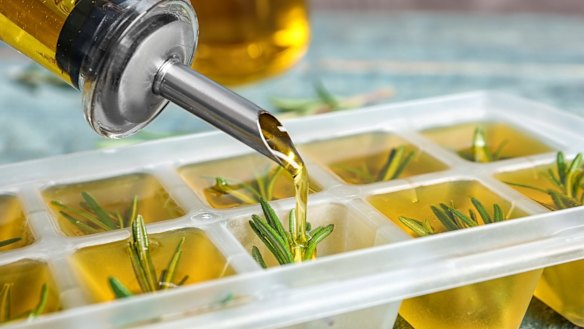
Have you ever opened your pantry on a chilly winter morning to find your once golden olive oil looking cloudy or even solid? It’s a curious sight, isn’t it?
The sight of frozen olive oil might make you wonder whether it’s still good to use or if something’s gone wrong. Understanding what happens when olive oil freezes can not only satisfy your curiosity but also help you make the most of this liquid gold in your kitchen.
We’ll unravel the mystery behind this phenomenon, ensuring you’re well-equipped to handle and store your olive oil in any season. Stick around to discover why this natural change doesn’t mean disaster and how it can even tell you more about the quality of your olive oil.
How Olive Oil Freezes
Understanding how olive oil freezes can help you store it better and maintain its quality. Unlike water, olive oil doesn’t freeze into a solid block right away. Instead, it goes through a gradual change in texture and appearance as the temperature drops.
Freezing Point Of Olive Oil
The freezing point of olive oil varies but typically falls between -6°C (21°F)and -3°C (27°F). This range depends on the oil’s composition, especially its fatty acid content.
Unlike water, olive oil doesn’t freeze into a hard solid at these temperatures. Instead, it becomes cloudy and thickens as crystals start to form. If you’ve ever stored olive oil in the fridge, you might have noticed this milky appearance—it’s a sign that the oil is beginning to freeze.
Factors Affecting Freezing
Several factors influence exactly when and how your olive oil freezes:
- Type of Olive Oil:Extra virgin olive oil contains more polyphenols and antioxidants, which can lower its freezing point slightly.
- Fatty Acid Composition:Oils richer in monounsaturated fats freeze at higher temperatures than those with more saturated fats.
- Purity and Additives:Blended or refined olive oils may freeze differently due to added substances or lower quality.
- Storage Conditions:Frequent temperature changes can cause oil to crystallize unevenly, affecting texture and taste.
Have you ever noticed your olive oil turning cloudy after being in a cold pantry? That’s the oil nearing its freezing point. Knowing this can help you decide where to keep your oil for the best flavor and texture.
Credit: www.smh.com.au
Physical Changes During Freezing
Freezing olive oil triggers noticeable physical changes that might surprise you. These changes affect how the oil looks and feels, which can impact your cooking experience. Understanding these shifts helps you decide the best way to store and use your olive oil.
Texture Transformation
When olive oil freezes, its texture shifts from smooth and fluid to thick and cloudy. The cold causes the fats to solidify, forming waxy crystals that make the oil look almost gel-like.
You might notice it becomes harder to pour or drizzle. This change doesn’t harm the oil but can be inconvenient if you need it immediately for cooking.
Have you ever tried to drizzle frozen olive oil on a salad? It tends to clump rather than flow, making it tricky to use straight from the freezer.
Color Variations
Freezing also alters olive oil’s color. Normally golden green, frozen olive oil often turns pale or cloudy white.
This happens because the solid fats scatter light differently than liquid oil. Once thawed, the original color usually returns without any impact on flavor.
Seeing your olive oil change color might make you wonder if it’s spoiled, but this is just a physical effect of cold temperatures, not a sign of bad oil.
Impact On Flavor And Aroma
Freezing olive oil affects its flavor and aroma in subtle yet noticeable ways. These changes happen because freezing alters the oil’s chemical structure. Understanding these impacts helps you decide how to store and use your olive oil.
Flavor Alterations
Freezing olive oil can dull its fresh, fruity taste. The natural bitterness and peppery notes may lessen. Some oils might develop a slightly flat or muted flavor after thawing. This happens because freezing slows down the release of flavor compounds. The oil may taste less vibrant than before freezing.
Aroma Shifts
The aroma of olive oil also changes with freezing. Fresh, grassy scents often become weaker. Some subtle floral or herbal notes might disappear. Freezing can cause the oil to lose its lively smell for a short time. After thawing, the oil’s aroma usually returns but may be less intense.
Nutritional Effects Of Freezing
Freezing olive oil changes its physical state but can also affect its nutrients. Understanding these effects helps preserve the oil’s health benefits. Below, explore how freezing impacts the nutritional quality of olive oil.
Preservation Of Nutrients
Freezing olive oil slows down chemical reactions that cause nutrient loss. This process helps keep antioxidants and vitamins stable for longer. The cold temperature reduces oxidation, which protects healthy fats. Many beneficial compounds remain intact during freezing.
Potential Nutrient Loss
Some delicate nutrients may break down after repeated freezing and thawing. Exposure to air during thawing can cause slight oxidation. This may reduce vitamin E levels and polyphenols. However, occasional freezing usually causes minimal nutrient loss.
Reversing The Freezing Process
Freezing olive oil can change its texture and appearance, but the good news is that these changes are often reversible. Understanding how to carefully thaw and restore your olive oil helps maintain its flavor and quality. Let’s look at how you can bring frozen olive oil back to its original state without compromising its taste.
Thawing Methods
The safest way to thaw frozen olive oil is by letting it sit at room temperature. Avoid using direct heat sources like microwaves or stovetops, as these can degrade the oil’s delicate flavors.
You can place the bottle in a bowl of warm water to speed up the process gently. This method warms the oil evenly and prevents overheating.
Have you noticed that some oils thaw faster than others? This depends on their purity and the presence of impurities or added ingredients.
Restoring Quality
Once thawed, olive oil may appear cloudy or thicker than usual. This is normal and usually clears up after stirring or shaking the bottle well.
To keep the oil fresh, store it in a dark, cool place away from sunlight and heat after thawing. Using airtight containers can also help preserve its aroma and flavor.
Have you ever tasted olive oil that seemed off after freezing? If the flavor is bitter or rancid, it might be a sign the oil was already near expiration or stored improperly before freezing.
Credit: en.petitchef.com
Tips For Storing Olive Oil
Storing olive oil properly helps keep its taste and quality intact. Poor storage can cause olive oil to freeze, lose flavor, or spoil faster. Follow simple tips to protect your olive oil from freezing and damage.
Preventing Freezing
Olive oil freezes at low temperatures, usually below 32°F (0°C). Avoid placing it in the freezer or very cold spots.
- Keep olive oil in a cool, dry place away from cold drafts.
- Store olive oil indoors during winter months.
- Use smaller bottles to minimize exposure to cold air when opened.
Ideal Storage Conditions
Proper storage keeps olive oil fresh and tasty longer. Ideal conditions include moderate temperatures and limited light exposure.
- Store olive oil between 57°F and 70°F (14°C to 21°C).
- Keep bottles in a dark cupboard or pantry, away from sunlight.
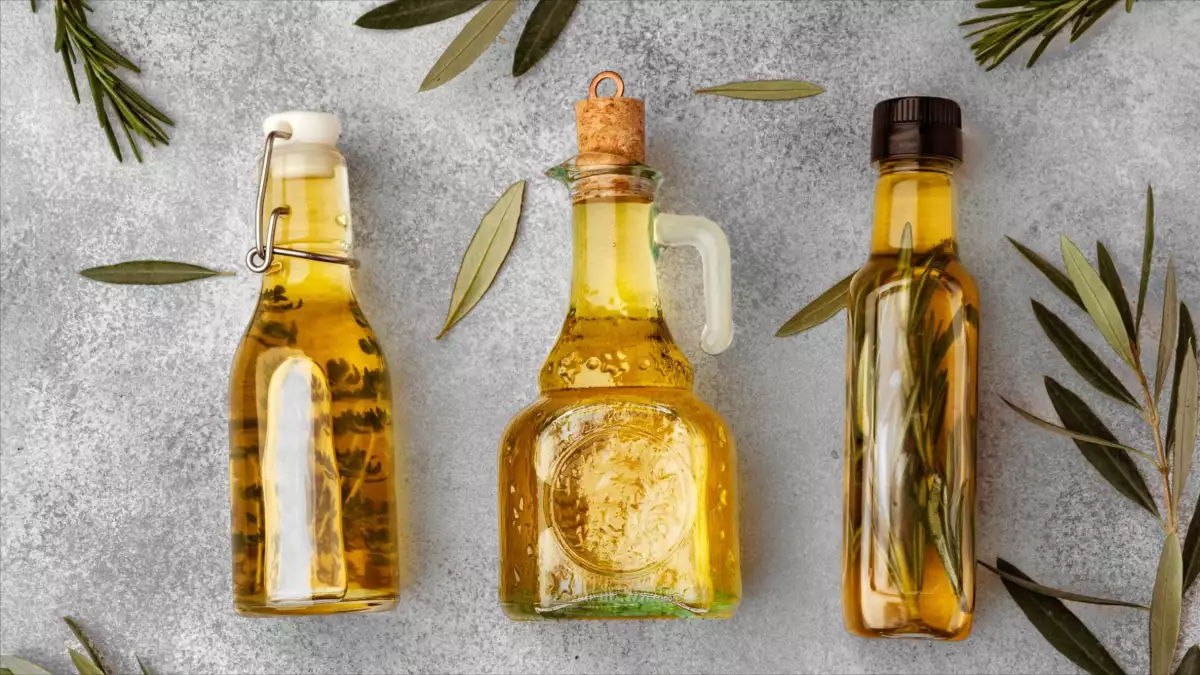
- Use dark glass bottles or stainless steel containers to block light.
- Seal bottles tightly to prevent air contact, which causes oxidation.
- Avoid storing olive oil near heat sources like stoves or ovens.
Credit: utopia.org
Frequently Asked Questions
Does Olive Oil Freeze In The Refrigerator?
Olive oil can solidify in the refrigerator but rarely freezes completely. Cooling causes it to thicken and become cloudy. This change is normal and reversible. Simply warming it back to room temperature restores its liquid state and quality.
What Changes Occur When Olive Oil Freezes?
When olive oil freezes, it becomes cloudy and thickens. Its texture changes from liquid to semi-solid. However, freezing does not harm its nutritional value or taste. Once thawed, olive oil returns to its original clarity and flavor.
Can Freezing Olive Oil Damage Its Quality?
Freezing olive oil does not damage its quality or nutrients. The oil might solidify and look different, but its taste and health benefits remain intact. Proper storage and gradual warming protect the oil’s integrity after freezing.
How To Thaw Frozen Olive Oil Safely?
To thaw frozen olive oil, leave it at room temperature. Avoid heating it directly as high heat can degrade flavor. Allowing gradual warming preserves its aroma, taste, and nutritional properties effectively.
Conclusion
Freezing olive oil changes its texture but not its quality. It becomes cloudy and thick, but melts back easily. The taste stays fresh and healthy. Store olive oil in a cool, dark place for best results. Freezing is safe but not usually needed.
Remember, olive oil is best enjoyed fresh. Keep it sealed tightly to protect its flavor. Small changes in cold do not harm this healthy oil. Simple care keeps your olive oil good for longer.