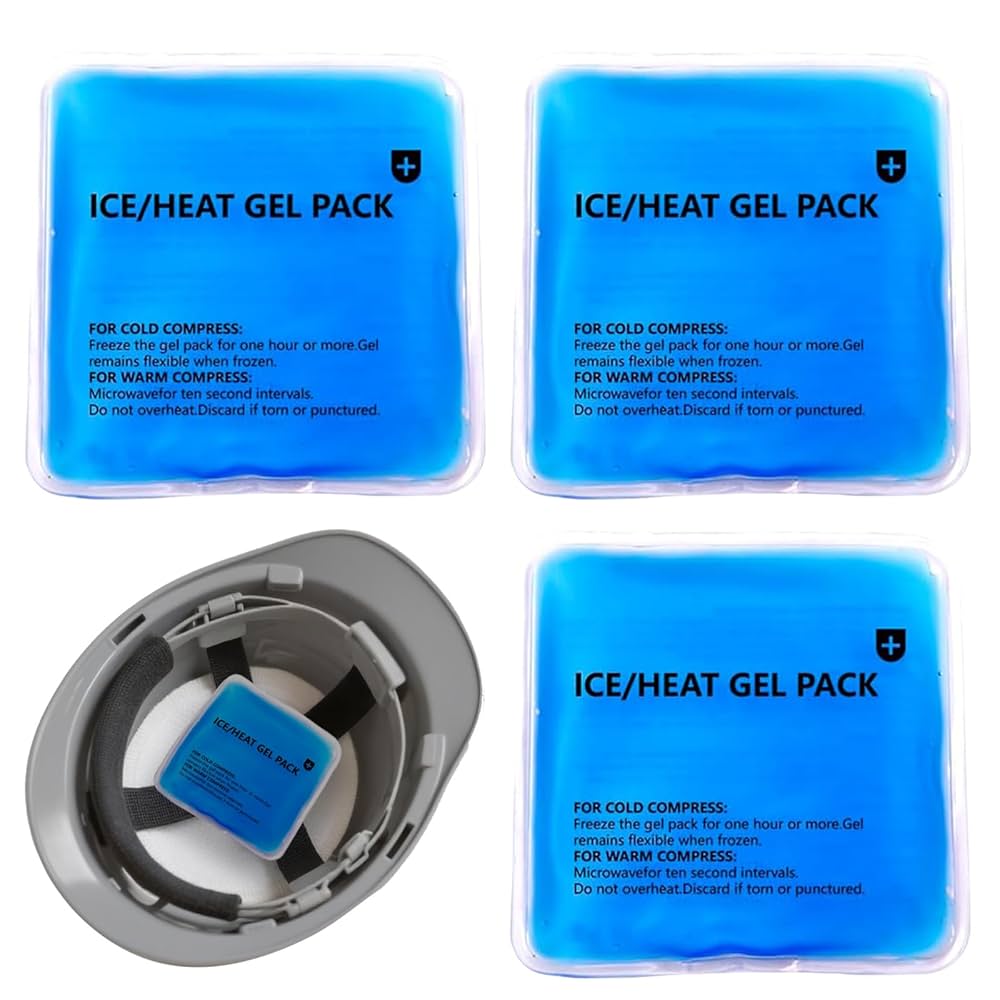
Are you tired of waiting for your ice pack to freeze when you need it the most? Whether it’s for a sore muscle, a fresh injury, or simply to keep your lunch cold, knowing exactly how long it takes to freeze can be a game-changer.
Imagine the convenience of planning ahead with precision, ensuring you always have that soothing cold pack ready when you need it. We’ll dive into the factors that affect freezing time, so you can optimize your ice pack’s performance. Keep reading to uncover the secrets to getting your ice pack frozen faster and more efficiently.
Your future self will thank you!

Credit: www.amazon.ca
Freezing Time Factors
Freezing an ice pack isn’t as simple as just placing it in the freezer. Several factors influence how long it takes to freeze completely. Understanding these can help you plan better and avoid the frustration of waiting too long or ending up with a partially frozen pack.
Ice Pack Material
The material inside the ice pack plays a big role in freezing time. Gel packs, for example, often freeze slower than water-based packs because the gel retains heat longer. Some materials are designed to stay cold but don’t freeze solid quickly, which can be handy for certain uses but less ideal if you need a quick freeze.
Size And Thickness
Thicker and larger ice packs naturally take more time to freeze. A small, thin pack can freeze in a couple of hours, but a bulky one might need overnight or longer. Think about how much cold you need and pick the size accordingly—too big might mean waiting longer than you want.
Freezer Temperature
Your freezer’s temperature setting directly affects freezing speed. Most freezers are around 0°F (-18°C), but if yours is warmer, expect longer freezing times. Adjusting your freezer to a colder setting can speed things up, but be careful not to affect other frozen items.
Initial Temperature
Starting temperature matters more than you might guess. If your ice pack is room temperature or warm, it will obviously take longer to freeze than if it’s already chilled. To save time, try keeping your ice pack in the fridge before moving it to the freezer.
Typical Freeze Durations
Knowing how long it takes for an ice pack to freeze can save you time and frustration, especially when you need it quickly for an injury or to keep food cold. Freeze durations vary significantly depending on the size of the ice pack. Let’s break down the typical times so you can plan better.
Small Ice Packs
Small ice packs usually freeze faster because they contain less gel or liquid. Most small packs take about 1 to 2 hoursto freeze solid in a standard home freezer. If you’re in a rush, placing them near the freezer’s coldest spot can shave off some time.
Medium Ice Packs
Medium-sized ice packs take a bit longer due to their increased volume. Expect them to require roughly 3 to 4 hoursto freeze completely. Have you ever noticed that some medium packs feel icy on the outside but still soft inside? That’s a sign they need more time.
Large Ice Packs
Large ice packs can be tricky because their thickness and size slow down the freezing process. Typically, they need about 6 to 8 hours, or even overnight, to freeze thoroughly. If you’ve ever tried to use a large ice pack too soon, you know how frustrating it is when it’s still slushy inside.
Fast Freezing Techniques
Freezing an ice pack quickly saves time and gets relief faster. Simple changes in how you freeze can make a big difference. Use the right tools and techniques for faster freezing. These tips help you get solid ice packs in less time.
Use Of Metal Containers
Metal containers conduct cold much faster than plastic or silicone. Placing the ice pack inside a metal container helps spread cold evenly. This speeds up the freezing process. Thin metal trays or bowls work best for quick freezing.
Pre-chilling The Ice Pack
Put the ice pack in the fridge before the freezer. Cooling it first lowers the temperature quickly when moved to the freezer. This step reduces the freezing time significantly. It also prevents the freezer from warming up too much.
Adjusting Freezer Settings
Set your freezer to a colder temperature than usual. Lower temperatures freeze water faster and solidify ice packs quicker. Avoid setting it too cold to prevent food freezing issues. A good range is between -10°C to -18°C (14°F to 0°F).
Dividing Ice Packs
Smaller ice packs freeze faster than large ones. Divide large packs into smaller portions before freezing. This increases surface area and speeds up freezing. Use multiple small packs for better cold coverage.

Credit: www.amazon.com
Storage And Maintenance
Proper storage and maintenance help ice packs last longer and freeze faster. Good care keeps them in shape and ready for use. Follow simple tips to store ice packs well.
Proper Placement In Freezer
Place ice packs flat in the coldest part of the freezer. Avoid overcrowding to let air circulate around the packs. Keep ice packs away from the freezer door to prevent warm air exposure.
Avoiding Freezer Burn
Wrap ice packs in a plastic bag before freezing. This prevents moisture loss and freezer burn. Check packs regularly for cracks or leaks that can cause damage.
Reusing Ice Packs
Clean ice packs with mild soap and water before refreezing. Dry them completely to avoid ice buildup. Store used packs properly to keep them fresh and effective for next use.
When To Replace Ice Packs
Knowing when to replace your ice packs is just as important as freezing them properly. Over time, ice packs can lose their effectiveness or even become unsafe to use. Paying attention to certain signs can help you decide when it’s time to get a new one and maintain proper care for your injuries or cooling needs.
Signs Of Wear
Check your ice pack regularly for cracks, leaks, or any damage to the outer material. If you notice the gel inside is leaking or the pack feels lumpy instead of smooth, it’s a clear sign the pack is breaking down.
Discoloration or strange odors are also warning signs. These indicate contamination or bacteria growth, which can be harmful if applied to your skin. Have you ever felt unsure about an old ice pack’s safety? Don’t take chances—replace it immediately.
Effectiveness Over Time
Ice packs don’t stay cold forever. Even if they look fine, they might not hold cold temperatures as long as they used to. If you find your ice pack melts quickly or doesn’t cool the area effectively, it’s time to switch it out.
Think about how often you use your ice pack. Frequent use speeds up wear and tear. If you rely on ice packs for sports injuries or chronic pain, keeping a fresh one on hand ensures optimal cooling every time.
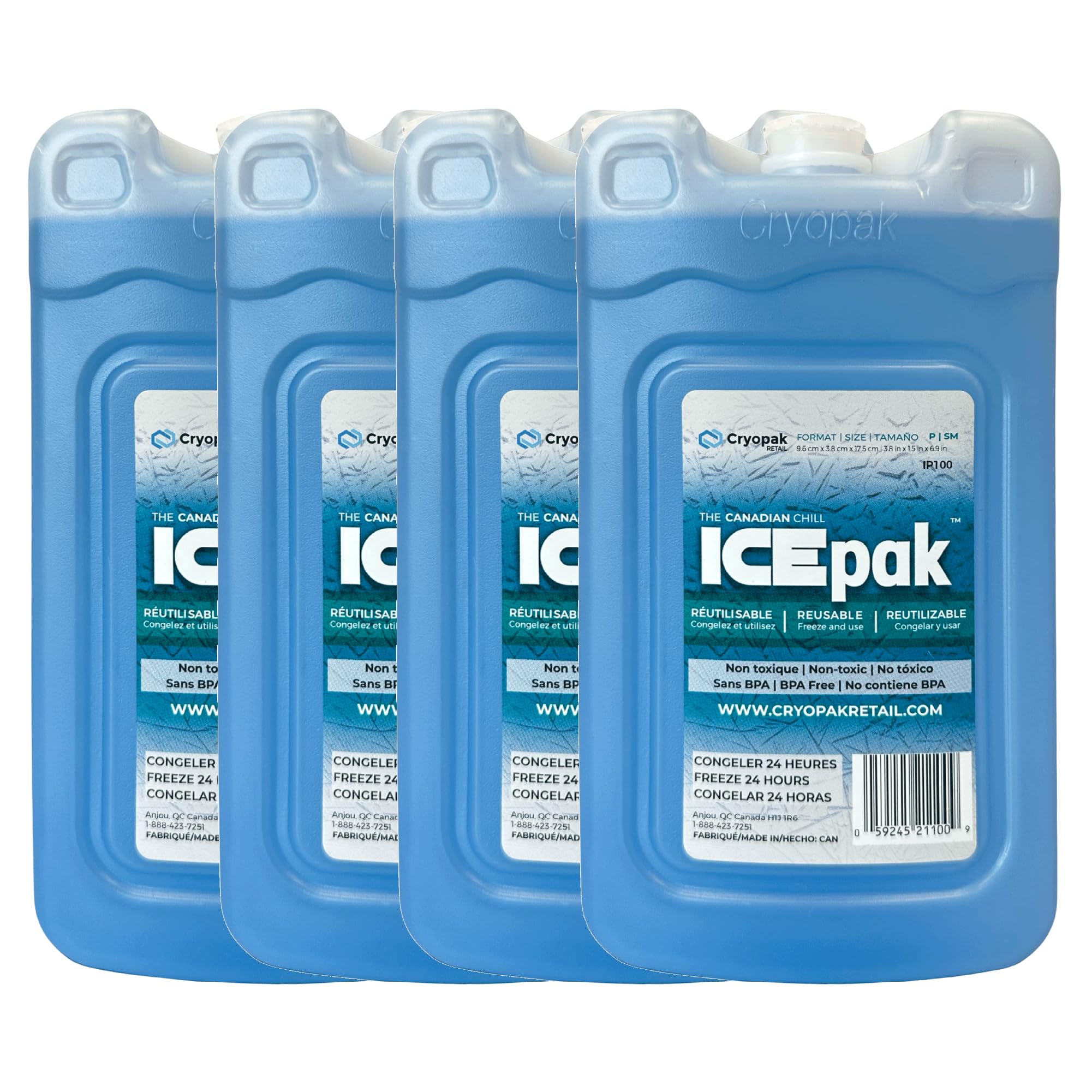
Credit: www.amazon.ca
Frequently Asked Questions
How Long Does It Take For An Ice Pack To Freeze?
Typically, an ice pack takes 2 to 4 hours to freeze fully. This depends on the freezer temperature and pack size. Smaller packs freeze faster, while larger ones may need more time.
Can I Speed Up The Freezing Of An Ice Pack?
Yes, placing the ice pack in the coldest freezer section helps. Wrapping it in a damp cloth before freezing can also accelerate the process slightly.
Does The Type Of Ice Pack Affect Freezing Time?
Absolutely. Gel-based packs usually freeze quicker than water-based ones. The material and thickness of the pack also influence how fast it freezes.
Is It Safe To Refreeze A Partially Frozen Ice Pack?
It is generally safe, but refreezing may reduce effectiveness. Always check the manufacturer’s instructions to ensure safe and optimal reuse.
Conclusion
Freezing an ice pack usually takes between two to four hours. The exact time depends on your freezer’s temperature and the pack’s size. Smaller packs freeze faster, while larger ones need more time. Always check the pack before use to avoid discomfort or injury.
Keep your freezer set to the right temperature for best results. Now you know how to prepare your ice pack quickly and safely. This helps you get relief when you need it most. Simple steps make a big difference.