Are you worried about your water well pump freezing this winter? You’re not alone.
As temperatures drop, the risk of your pump seizing up increases, potentially leaving you without water when you need it most. But don’t stress—keeping your water well pump from freezing is easier than you might think. In this guide, you’ll discover simple, effective techniques to protect your pump from the cold.
Imagine waking up on a frosty morning, confident that your water supply is secure. With the right strategies, you can make this your reality. Dive into this article to learn how you can safeguard your pump and ensure a steady flow of water all season long.
Credit: www.vevor.ca
Causes Of Pump Freezing
Understanding the causes of water well pump freezing is key to preventing costly damage and downtime. Freezing happens when water inside or around your pump turns solid, blocking flow and straining the system. Let’s look closely at why this happens so you can protect your equipment before the cold sets in.
Cold Weather Effects
Freezing temperatures are the most obvious cause of pump freezing. When the air temperature drops below 32°F (0°C), water inside the pump or pipes can freeze quickly. If your pump is exposed to wind or open air, the risk multiplies because moving cold air speeds up heat loss.
Have you noticed your pump feeling colder than the rest of your outdoor equipment? That’s because pumps often have metal parts that conduct cold faster, making them more vulnerable. Protecting your pump from direct cold exposure is crucial to keep water flowing smoothly.
Poor Insulation
Insufficient insulation leaves your pump vulnerable to freezing. Without a proper barrier, cold air seeps in and chills the water inside. Many homeowners miss insulating the pump housing or pipes, assuming underground placement is enough.
Think about your own setup—do you have insulated covers or foam wraps around your pump? Even a small gap in insulation can cause freezing. Adding layers of insulation or heat tape can make a big difference in maintaining warmth.
Water Drainage Issues
Water left standing in the pump or pipes increases the chance of freezing. If your system doesn’t drain properly, stagnant water freezes easily during cold spells. This is a common problem in older systems or those without automatic drain valves.
Ask yourself—does your pump drain fully after use? If not, consider installing drainage solutions or using a pump with built-in freeze protection. Removing leftover water reduces freeze risk and protects your pump year-round.
Credit: www.vevor.ca
Preventive Measures
Keeping your water well pump from freezing is essential to avoid costly repairs and maintain a steady water supply during cold months. Taking preventive measures early can save you from unexpected headaches. Here are practical ways to protect your pump effectively.
Proper Insulation Methods
Insulating your water well pump is one of the simplest and most effective ways to prevent freezing. Use foam pipe sleeves or fiberglass insulation to cover exposed pipes and the pump itself. Make sure to seal any gaps with weatherproof tape to keep cold air out.
Don’t forget to check insulation regularly, especially after storms or heavy winds. A well-insulated pump can maintain warmth even during sudden temperature drops. Have you ever noticed how a small crack in insulation lets the cold sneak in? Fixing those tiny spots can make a big difference.
Using Heat Tape And Cables
Heat tape or heat cables provide extra warmth by wrapping around your pipes and pump. These electrical strips generate heat when plugged in, preventing ice buildup. They’re easy to install and adjust based on your local climate.
Choose heat tape with an automatic thermostat to avoid overheating. You can combine this with insulation for better results. If you’ve ever used heat tape on garden hoses, you know how effective it can be for water lines too.
Installing A Pump House
A pump house acts as a protective shelter, shielding your pump from harsh weather. Constructing even a small, insulated enclosure around the pump adds a barrier against freezing temperatures. This approach also makes maintenance easier in winter.
Consider installing vents with adjustable covers to control airflow and moisture inside the pump house. It’s a bit like giving your pump a warm coat and a cozy room. Wouldn’t you prefer accessing a protected pump instead of battling the cold each time?
Maintenance Tips
Proper maintenance keeps your water well pump safe from freezing. It stops costly damage and ensures smooth operation. Small actions make a big difference during cold months. Pay close attention to your pump regularly. Follow these simple steps to protect it.
Regular Inspection
Check the pump and pipes often for cracks or leaks. Look for any signs of frost or ice buildup. Tighten loose fittings and replace worn parts quickly. Inspect insulation around the pump and pipes. Ensure there are no gaps where cold air can enter. Early detection of problems prevents bigger damage.
Draining Water Lines
Remove water from the pipes and pump before freezing weather arrives. Open drain valves and let the water flow out completely. This stops water from freezing inside the system. Use air compressors if needed to clear small lines. Draining reduces pressure and damage risk. Always follow your pump’s manual for draining instructions.
Winterizing The Pump
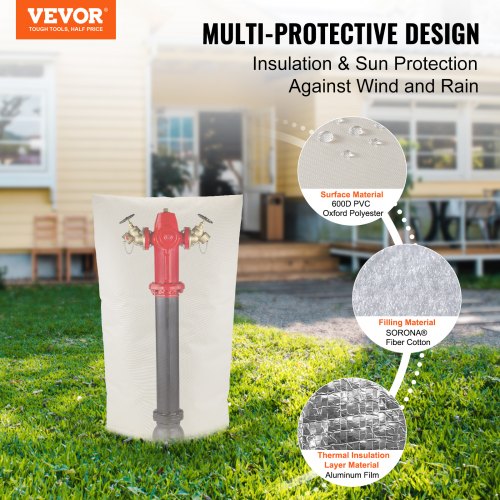
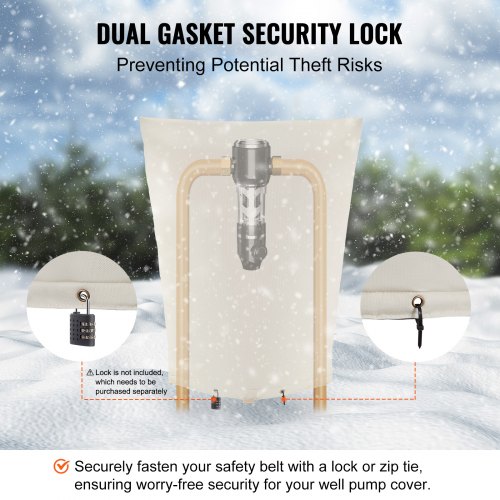
Cover the pump with insulated blankets or boxes designed for outdoor equipment. Use heat tape or cables approved for water pumps to keep warmth inside. Keep the pump house or shed warm with a small heater if possible. Seal any openings to prevent cold drafts. Winterizing adds an extra layer of defense against freezing temperatures.
Emergency Solutions
Water well pumps can freeze during cold weather, causing major problems. Emergency solutions help restore function quickly and prevent damage. Acting fast limits risks to your water supply and pump system. Use these tips to manage frozen pumps until permanent fixes are possible.
Thawing A Frozen Pump
Start thawing a frozen pump by applying gentle heat. Use warm towels or a heating pad wrapped around the pump. Avoid open flames or high heat sources that can damage parts.
Keep the pump insulated during thawing to retain warmth. Check the pump regularly to see if water flow returns. Patience is key—slow, steady thawing works best.
Temporary Heat Sources
Temporary heat sources can keep the pump from refreezing after thawing. Use safe options like space heaters or heat lamps placed near the pump. Ensure proper ventilation and avoid placing heat sources directly on the pump.
Wrap the pump and pipes with insulated blankets for extra warmth. Monitor temperature closely to prevent overheating or fire hazards.
When To Call A Professional
Call a professional if thawing does not restore the pump. Frozen pumps with visible damage or leaks need expert repair. Seek help if you feel unsure about handling electrical or plumbing components.
Professionals can inspect the entire system and recommend long-term solutions. Early expert intervention prevents costly repairs and water supply interruptions.
Energy Efficiency Considerations
Keeping your water well pump from freezing doesn’t just protect your equipment; it can also save you money on energy bills. Energy efficiency plays a crucial role in maintaining warmth without wasting power. Paying attention to how you manage heat and equipment can make a big difference in both performance and cost.
Choosing Energy-saving Equipment
Start by selecting pumps and heaters designed for low energy consumption. Look for models with Energy Star ratings or those that specify low wattage while maintaining heat output. Using energy-efficient equipment reduces running costs and lessens the strain on your power supply during cold spells.
Think about adding insulation around your pump housing. This simple step keeps the warmth generated from the equipment inside, meaning it doesn’t need to work as hard. Have you checked if your current pump’s heater could be upgraded to a more efficient version?
Smart Thermostat Use
Smart thermostats can help control the temperature around your well pump with precision. Instead of heating constantly, they turn on only when temperatures drop near freezing. This targeted heating saves energy and ensures your pump stays safe.
Using a smart thermostat also means you can monitor and adjust settings remotely. Imagine getting an alert if the temperature near your pump dips dangerously low. This proactive approach keeps you in control without wasting energy.
Reducing Heat Loss
Heat loss is a major culprit in energy waste. Seal any gaps or cracks in the pump housing to keep cold air out. Adding weather stripping or foam insulation around doors and openings can make a noticeable difference.
Consider wrapping pipes connected to your well pump with foam sleeves to prevent freezing. Even small measures like covering exposed pipes or using thermal blankets contribute to overall energy savings. How much energy could you save by simply stopping heat from escaping?

Credit: www.qwet.net
Frequently Asked Questions
How Can I Prevent My Water Well Pump From Freezing?
Insulate the pump and pipes with foam sleeves or heat tape. Keep the area warm and well-ventilated. Regularly check for leaks that cause moisture buildup and freezing.
What Insulation Materials Work Best For Water Well Pumps?
Use foam pipe insulation, heat tape, or insulated pump covers. These materials help retain heat and prevent freezing during cold weather. Choose waterproof and weather-resistant options for durability.
Should I Drain My Water Well Pump For Winter?
Draining helps prevent freezing if the pump won’t be used for months. However, consult a professional to avoid damage. Some systems require constant water to stay functional.
Can Heat Tape Protect Water Well Pumps Effectively?
Yes, heat tape provides consistent warmth to prevent freezing. Install it according to manufacturer instructions and power it safely. It’s an energy-efficient solution for cold climates.
Conclusion
Keeping your water well pump from freezing saves time and money. Use insulation and heat tape to protect the pump. Check pipes and pumps often during cold weather. Small steps prevent big problems later. Stay prepared before winter arrives. Protect your pump and enjoy steady water flow all season.
Simple actions make a big difference. Don’t let freezing stop your water supply.